- English
- French
- German
- Portuguese
- Spanish
- Russian
- Japanese
- Korean
- Arabic
- Greek
- German
- Turkish
- Italian
- Danish
- Romanian
- Indonesian
- Czech
- Afrikaans
- Swedish
- Polish
- Basque
- Catalan
- Esperanto
- Hindi
- Lao
- Albanian
- Amharic
- Armenian
- Azerbaijani
- Belarusian
- Bengali
- Bosnian
- Bulgarian
- Cebuano
- Chichewa
- Corsican
- Croatian
- Dutch
- Estonian
- Filipino
- Finnish
- Frisian
- Galician
- Georgian
- Gujarati
- Haitian
- Hausa
- Hawaiian
- Hebrew
- Hmong
- Hungarian
- Icelandic
- Igbo
- Javanese
- Kannada
- Kazakh
- Khmer
- Kurdish
- Kyrgyz
- Latin
- Latvian
- Lithuanian
- Luxembou..
- Macedonian
- Malagasy
- Malay
- Malayalam
- Maltese
- Maori
- Marathi
- Mongolian
- Burmese
- Nepali
- Norwegian
- Pashto
- Persian
- Punjabi
- Serbian
- Sesotho
- Sinhala
- Slovak
- Slovenian
- Somali
- Samoan
- Scots Gaelic
- Shona
- Sindhi
- Sundanese
- Swahili
- Tajik
- Tamil
- Telugu
- Thai
- Ukrainian
- Urdu
- Uzbek
- Vietnamese
- Welsh
- Xhosa
- Yiddish
- Yoruba
- Zulu
A high-lift pallet truck is a warehouse must
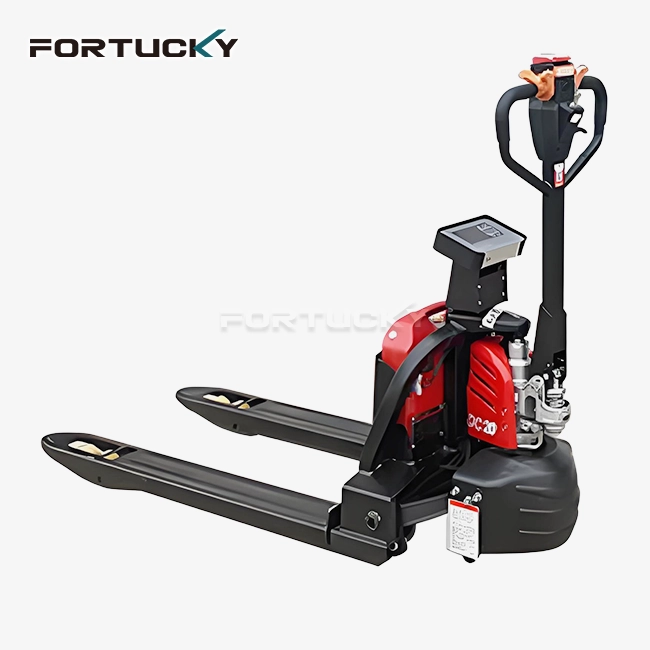
A high-lift hand pallet truck is more than just a piece of equipment for moving things around in today's competitive manufacturing and shipping world. It is an important part of running a warehouse efficiently and effectively. These flexible machines are between simple pallet jacks and pricey forklifts. They can do all the necessary moving while still taking up little space, and running costs are low. Manufacturing companies that make everything from cars to medicines depend on these ergonomic solutions to improve safety, speed up work processes, and lower labour costs all over their modern buildings.
 Understanding High Lift Hand Pallet Trucks: Functionality and Benefits
Core Mechanical Design and Engineering Excellence
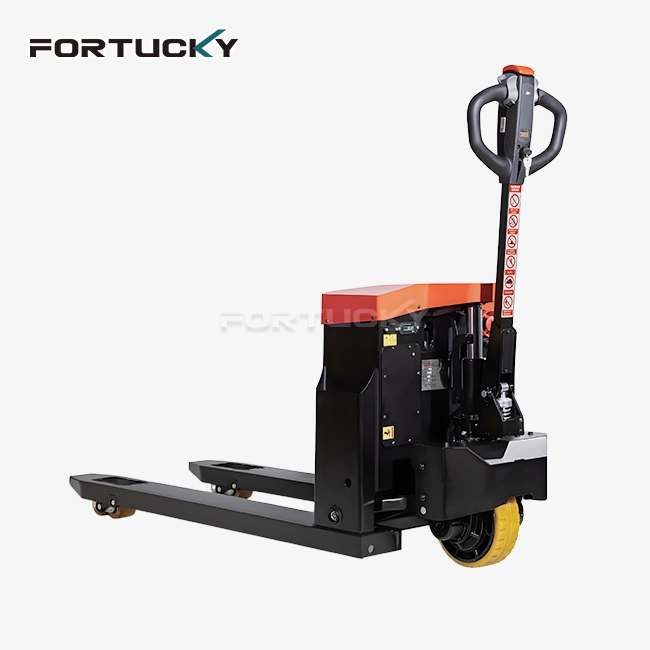
High lift pallet trucks use complex hydraulic systems that turn the movement of a person pushing into a controlled vertical lift. Strong springs are built into the structure to make it last longer and be more flexible. This means that it will work the same way after thousands of operating cycles. The rubber handles on these units keep the operator from slipping and getting tired after long periods of use, and the one-piece cylinders make them very strong even when they're loaded with big things. The excellent engineering includes pressure feet made of cast steel that don't slip, so they can be used safely on a variety of floor surfaces. Anti-roll designs keep cargo from tilting when it's being raised, and normal dual-wheel designs spread the weight evenly and make operation easier. The combination of these technical advances makes it possible to make machinery that can work accurately in harsh industrial settings.
Load Capacity Specifications and Performance Range
Professional-grade pallet lift trucks can handle a wide range of load needs thanks to their large capacity ranges, which go from 2000 kg to 10000 kg. Standard models can usually handle 2000 kg, 2500 kg, 3000 kg, an HT elevated hand pallet truck, and 5000 kg of weight. Heavy-duty models can handle up to 10,000 kg of weight for specific industry uses. This wide range makes sure that it can work with a wide range of operating needs in warehouses, factories, and logistics centers. The lifting height of 200 mm gives enough room for standard pallet arrangements, and the overall dimensions, which include lengths of 1480 and 1580 mm, can be adjusted to fit different workspaces. Fork specifications with a length of 1100/1200 mm and a width of 550/685 mm support normal pallet sizes. This makes them compatible with a wide range of international shipping and storage standards.
Operational Efficiency and Ergonomic Advantages
These material handling solutions deliver significant operational benefits through their low-noise, pollution-free operation that maintains clean working environments. The labor-saving design reduces physical strain on operators while enabling flexible maneuvering through narrow passages and confined spaces. This combination of efficiency and ergonomics addresses critical workplace safety concerns while maintaining high productivity levels.
Comparing High-Lift Hand Pallet Trucks with Alternative Solutions
Forklift vs. Pallet Truck Analysis
When looking at different ways to move materials, high-lift hand pallet truck units are clearly better than regular forklifts in some situations. Forklifts have higher lifting heights and can carry more weight, but they need a lot of money, an operator certification, and a lot of aisle room to move around. Pallet lift trucks can work well in tight spaces where forklifts can't, the HT elevated hand pallet truck, which makes them perfect for warehouses and production sites that don't have a lot of room. The comparison of running costs shows big differences in ongoing costs. Forklifts need to be fuelled or charged batteries, serviced regularly by trained technicians, and insurance needs to be thought about. Manual pallet trucks, on the other hand, don't need to be maintained much and don't cost anything to run. This makes them a better long-term investment in some situations.
Manual vs. Hydraulic Operation Considerations
Pallet trucks that are operated by hand can only move horizontally and can't place pallets vertically. Some hydraulic versions have lifting devices that move loads to more comfortable working heights, so operators don't have to bend over or lift as much. This change to ergonomics means fewer injuries on the job, lower costs for workers' compensation, and better operational efficiency because workers won't lose as much time to fatigue.
Electric Alternatives and Automation Integration
Electric pallet jacks are helpful for automating tasks, but they cost a lot of money and need regular battery upkeep. They work great for high-volume tasks, but the costs may not be worth it for smaller sites or more specific uses. Whether to use a manual or electric solution relies on how much work needs to be done, how much money is available, and long-term plans for automation.
How to Choose the Right High Lift Hand Pallet Truck for Your Business
Workload Assessment and Operational Requirements
Selecting optimal equipment begins with a comprehensive workload analysis, including daily lifting cycles, typical load weights, and operational environments. Facilities handling heavy automotive components require different specifications compared to electronics warehouses managing lighter but more delicate products. Understanding peak operational demands ensures equipment selection matches actual usage patterns rather than theoretical maximums. Environmental factors significantly influence equipment selection decisions. Cold storage facilities require specialized materials and lubricants that function effectively at low temperatures, while chemical processing environments demand corrosion-resistant construction materials. Food processing applications necessitate stainless steel components that withstand frequent sanitization procedures.
Customization Options and Specialized Features
Modern versions of high-lift hand pallet trucks can be changed in a lot of ways to fit the needs of any business. Choosing wheels made of nylon or polyurethane affects how well they protect floors, how loud they are, and how they work. When used for normal tasks, nylon wheels are durable and cost-effective. For sensitive environments, polyurethane wheels protect floors better and make less noise. Customisation choices for the forks also include different sizes, better protection against corrosion, and built-in weighing systems. These changes make it possible for equipment to be optimised for specific operational needs while still working with current warehouse systems and processes.
Budget Considerations and ROI Analysis
To do good procurement, you need to weigh the original cost against the long-term benefits to operations. Premium models cost more to buy, but they usually last longer, need less upkeep, and make HT elevated hand pallet truck operators happier. The purchase price, maintenance costs, gains in working efficiency, and the possibility of fewer injuries at work are all part of figuring out the total cost of ownership. The study of the return on investment should include increases in productivity due to less time spent moving things by hand, lower rates of product damage, and better warehouse organization. These operational benefits often make it worth it to buy more expensive tools because they lead to measurable gains in efficiency and cost savings.
 Operating and Maintaining Your High Lift Hand Pallet Truck for Optimal Performance
Safety Protocols and Operational Best Practices
Safe operation requires comprehensive operator training covering proper lifting techniques, load distribution principles, and equipment limitations. Pre-use inspections should verify hydraulic function, wheel condition, and structural integrity before each operational shift. Operators must understand maximum load capacities and recognize signs of equipment stress or malfunction. The 180mm wheels and 80×68mm fork double wheels require regular inspection for wear patterns, debris accumulation, and proper rotation. The wheelbase center ground clearance of 30mm ensures adequate maneuvering capability while maintaining structural stability under load.
Preventive Maintenance Strategies
Routine maintenance schedules should address lubrication requirements, hydraulic system inspection, and wear component replacement. Strong springs require periodic tension verification to ensure consistent lifting performance, while rubber handles need cleaning and inspection for deterioration that could affect operator grip and control. One-piece cylinder designs simplify maintenance requirements but demand attention to seal integrity and hydraulic fluid quality. Regular fluid analysis prevents contamination-related failures and extends equipment service life through proactive maintenance practices.
Troubleshooting Common Issues
Common operational issues include hydraulic system problems, wheel alignment concerns, and structural wear. Hydraulic difficulties often stem from fluid contamination, seal deterioration, or air infiltration into the system. Wheel problems typically involve bearing wear, debris interference, or improper load distribution affecting rolling characteristics. Addressing these issues promptly prevents minor problems from developing into costly failures requiring extensive repairs or equipment replacement. Maintaining relationships with qualified service providers ensures access to genuine replacement components and expert technical support when needed.
Industry Insights and Future Trends in High Lift Hand Pallet Trucks
Market Evolution and Technological Advancement
The business for material handling equipment keeps changing as smart technologies and better ergonomic designs are added. Electric-assisted models do less work for the user while still letting them use manual controls. This makes them appealing to facilities that want the benefits of automation without going all the way to electric. These hybrid solutions fill in the gaps between fully automated systems and standard equipment that needs to be operated by hand. Being aware of the environment leads to the creation of eco-friendly materials and manufacturing methods that lower the damage that equipment does to the environment over its entire lifetime. Building materials that can be recycled and production methods that use less energy are in line with companies' efforts to be more environmentally friendly while still meeting performance standards.
Industry 4.0 Integration Opportunities
More and more, modern high lift hand pallet trucks are high lift hand pallet truck built with connection features that let them work with digital twin technologies and warehouse management systems. These features help operational analytics, predictive repair programs, and inventory tracking systems work better, which makes the warehouse as a whole more efficient. Smart sensor integration keeps an eye on how equipment is used, how the load is distributed, and how much maintenance is needed. This gives data-driven ideas for improving operations. This new development in technology helps businesses go digital while still keeping cost-effective ways to move things around.
Global Market Dynamics and Quality Standards
International quality standards are always changing to meet the needs of safety, the environment, and operating efficiency. Big companies spend a lot of money on research and development to stay ahead of the competition by improving engineering, materials science, and manufacturing methods. The growth of the global market opens up chances for specialised uses in new fields, such as making renewable energy, making medicines, and putting together advanced technology. These uses need tools that can do more than what a typical warehouse needs to be able to do, while still being reliable and cost-effective.
Conclusion
Investments in high-lift hand pallet truck units are necessary for modern stores that want to be more efficient, safer, and keep costs down. Their wide range of capabilities meets the needs of many different industries, and they give measurable returns by increasing productivity and lowering the risks of manual handling. The wide range of customisation choices makes it possible to meet the specific needs of operations in a wide range of industries, from making cars to making medicines. Knowing the criteria for selection, the needs of operations, and the best ways to maintain something helps you make smart purchasing choices that will help your business succeed and give you an edge in fast-changing industrial markets.
FAQ
1. What load capacities are available for industrial applications?
Professional high lift hand pallet truck models accommodate loads ranging from 2000kg to 10000kg, covering standard industrial requirements. Common specifications include 2000kg, 2500kg, 3000kg, and 5000kg capacities, with heavy-duty variants extending to 10000kg for specialized applications. Selection depends on typical load weights, operational frequency, and safety margin requirements specific to your warehouse environment.
2. How does wheel selection affect operational performance?
Wheel material significantly impacts floor protection, noise levels, and maneuverability characteristics. Nylon wheels provide durability and cost-effectiveness for standard concrete floors, while polyurethane options deliver superior floor protection and reduced noise levels. The 180mm wheels ensure stability, while the 80×68mm fork double wheels enable smooth maneuvering through narrow passages and confined spaces.
3. What maintenance intervals ensure optimal performance?
Regular inspection schedules should verify hydraulic function, wheel condition, and structural integrity monthly or after every 200 operational hours. Lubrication requirements depend on usage intensity and environmental conditions, typically ranging from quarterly to semi-annual intervals. Strong springs and one-piece cylinders require annual comprehensive inspections to maintain safety and performance standards.
4. Can equipment be customized for specialized environments?
Extensive customization options accommodate unique operational requirements, including specialized materials for chemical resistance, enhanced corrosion protection for humid environments, and modified dimensions for specific pallet configurations. Fork lengths of 1100/1200mm and widths of 550/685mm represent standard options, with custom specifications available for specialized applications requiring non-standard dimensions.
5. What safety features prevent operational accidents?
Anti-roll designs prevent cargo tilting during elevation, while pressure feet constructed from cast steel provide anti-slip stability across various floor surfaces. Standard dual-wheel configurations distribute weight evenly, reducing tipping risks. Rubber handles enhance operator control while reducing fatigue during extended use, contributing to overall operational safety through improved equipment control.
Transform Your Warehouse Operations with Fortucky's Advanced Solutions
Warehouse efficiency demands reliable, high-performance material handling equipment that delivers consistent results across demanding industrial environments. Fortucky's comprehensive range of high-lift hand pallet truck models combines innovative engineering with proven reliability, serving over 1,000 customers, including industry leaders like Mercedes-Benz, BMW, and Huawei. Our advanced manufacturing capabilities and deep customization expertise ensure solutions perfectly matched to your operational requirements. Whether you need standard configurations or specialized adaptations for unique applications, our experienced team delivers exceptional value through superior products and comprehensive support services. Contact our specialists at sales@fortuckyrobot.com to explore how our high lift hand pallet truck supplier solutions can optimize your warehouse operations and drive measurable productivity improvements.
References
1. Industrial Material Handling Equipment Standards and Safety Guidelines, American National Standards Institute, 2023.
2. Warehouse Efficiency and Ergonomics in Modern Manufacturing Environments, International Journal of Industrial Engineering, 2024.
3. Hydraulic Systems Design and Maintenance in Material Handling Applications, Society of Manufacturing Engineers Technical Report, 2023.
4. Comparative Analysis of Manual vs. Automated Material Handling Solutions, Logistics Management Research Institute, 2024.
5. Global Market Trends in Industrial Warehouse Equipment and Technology Integration, Materials Handling Industry Association, 2023.
6. Occupational Safety and Health Guidelines for Warehouse Operations and Equipment Selection, National Institute for Occupational Safety and Health, 2024.
Learn about our latest products and discounts through SMS or email