- English
- French
- German
- Portuguese
- Spanish
- Russian
- Japanese
- Korean
- Arabic
- Greek
- German
- Turkish
- Italian
- Danish
- Romanian
- Indonesian
- Czech
- Afrikaans
- Swedish
- Polish
- Basque
- Catalan
- Esperanto
- Hindi
- Lao
- Albanian
- Amharic
- Armenian
- Azerbaijani
- Belarusian
- Bengali
- Bosnian
- Bulgarian
- Cebuano
- Chichewa
- Corsican
- Croatian
- Dutch
- Estonian
- Filipino
- Finnish
- Frisian
- Galician
- Georgian
- Gujarati
- Haitian
- Hausa
- Hawaiian
- Hebrew
- Hmong
- Hungarian
- Icelandic
- Igbo
- Javanese
- Kannada
- Kazakh
- Khmer
- Kurdish
- Kyrgyz
- Latin
- Latvian
- Lithuanian
- Luxembou..
- Macedonian
- Malagasy
- Malay
- Malayalam
- Maltese
- Maori
- Marathi
- Mongolian
- Burmese
- Nepali
- Norwegian
- Pashto
- Persian
- Punjabi
- Serbian
- Sesotho
- Sinhala
- Slovak
- Slovenian
- Somali
- Samoan
- Scots Gaelic
- Shona
- Sindhi
- Sundanese
- Swahili
- Tajik
- Tamil
- Telugu
- Thai
- Ukrainian
- Urdu
- Uzbek
- Vietnamese
- Welsh
- Xhosa
- Yiddish
- Yoruba
- Zulu
Drive In Racking for Cold Storage Warehouses
Drive-in storage racks are one of the most important investments a warehouse manager can make to improve cold storage operations. These high-density systems allow forklifts to drive directly into storage lanes, eliminating unnecessary aisles and increasing warehouse utilization rates to approximately 80%—a 30% improvement over traditional selective pallet racking. In refrigerated or frozen environments, where every square foot directly impacts energy costs, this space efficiency delivers significant operational savings while protecting temperature-sensitive goods such as pharmaceuticals, frozen foods, and fresh produce.
 Understanding Drive-In Storage Racks for Cold Storage
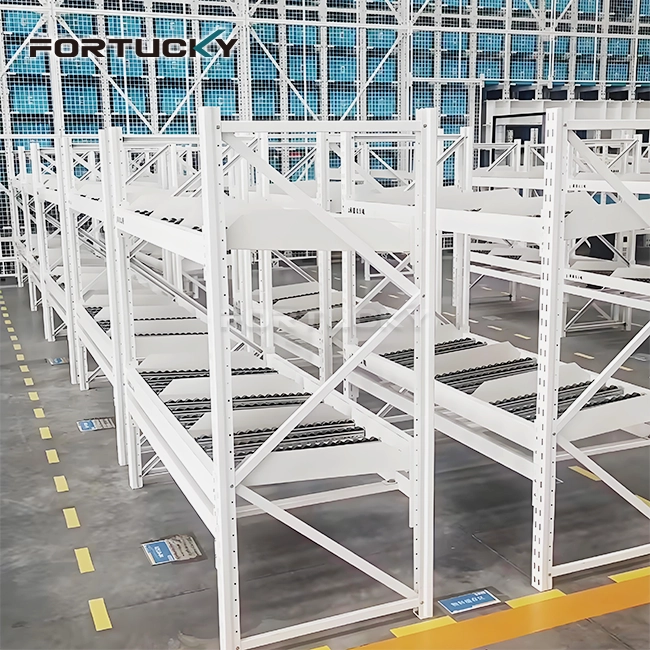
High-density pallet storage systems have significantly transformed cold chain logistics. Unlike traditional selective racking—where each pallet requires its own aisle access—drive-in storage racks create continuous storage blocks accessible from a single entry point.
How Drive-In Systems Function in Refrigerated Environments
The operational concept is built around last-in, first-out (LIFO) inventory control. Forklifts enter storage lanes guided by horizontal rails on upright frames, depositing pallets sequentially from front to back. This design eliminates cross-aisles and maximizes space utilization—a critical advantage when cooling costs account for 15–20% of a warehouse's total operating budget. The frame structures typically range from 5 to 15 meters in height, effectively utilizing vertical space that would otherwise go unused in temperature-controlled buildings.
Cold storage applications require specific engineering considerations. Steel components must withstand temperature transitions—from ambient conditions on the loading dock to as low as -25°C in deep-freeze zones. Manufacturers apply protective coatings and select steel alloys that maintain structural integrity without becoming brittle. Drive-in storage racks can be adapted to various pallet sizes and load weights, accommodating everything from frozen seafood to dairy products.
Configuration Options for Different Cold Chain Applications
Different industries have vastly different storage volume requirements. Single-deep systems provide easy access for operations requiring moderate SKU turnover, while double-deep configurations maximize space when inventory turns less frequently. Modern racking systems are modular, allowing expansion as distribution networks grow. Fast-moving consumer goods (FMCG) companies dealing with seasonal inventory fluctuations particularly value this scalability, as they can add lanes during peak periods without interrupting ongoing operations.
High-density drive-in storage systems require materials that withstand extreme temperatures for long service life. Standard paint finishes degrade quickly under condensation and temperature cycling. Galvanized or powder-coated steel is recommended for its corrosion resistance when moisture accumulates on surfaces. Investing in quality materials pays off through longer lifespan, lower replacement costs, and reduced downtime in 24/7 cold chain operations.
Drive-In Racking vs Alternative Pallet Storage Solutions
Selecting the right storage infrastructure requires understanding how different systems perform in cold environments and under various operational demands.
Comparative Analysis of High-Density Storage Options
Drive-through systems enable FIFO (first-in, first-out) inventory rotation because they are accessible from both ends of the storage lanes. This design works well for businesses handling perishable goods with strict expiration date management, but it requires more aisle space than drive-in rack layouts. Push-back racks offer better selectivity with multiple SKUs per lane, but their mechanical components may require more maintenance in freezing conditions.
Selective racking provides immediate access to every pallet position but reduces storage density. Facilities storing a wide variety of products with high turnover rates often accept this trade-off. However, cold storage economics typically favor maximizing cubic utilization over accessibility. A 40,000-square-foot freezer facility might hold 2,500 pallet positions with selective racking, but 3,800 positions with drive-in storage racks. This difference translates into substantial savings in construction costs, refrigeration capacity, and ongoing energy consumption.
Energy Efficiency Considerations in Cold Storage Design
Reducing the air volume in cold zones directly lowers cooling demand. Dense pallet configurations minimize empty space that must be maintained at a constant temperature. Controlled tests indicate that switching from selective to high-density layouts saves 18–22% in energy. These savings accumulate over the life of a facility, making drive-in storage racks a sound investment despite higher initial complexity.
Safety requirements demand extra precautions in low-temperature environments. Operators working in freezing conditions face reduced visibility and dexterity. Guide rails are essential safety features, preventing accidents that could damage people or property. Integrated frame structures distribute impact forces across the entire system rather than concentrating stress on a single upright, maintaining structural stability even after minor forklift contact.
Designing and Installing Drive-In Racks in Cold Storage Warehouses
Proper engineering ensures that drive-in storage racks perform reliably in harsh cold chain conditions, meeting both operational goals and regulatory requirements.
Material Selection and Structural Engineering
The requirements for cold storage racking differ significantly from general warehouse applications. Steel grade selection considers brittleness limits at operating temperatures. Only materials proven to remain ductile at -30°C should be used, preventing catastrophic failure under impact or thermal stress. Load calculations must account for ice accumulation on structural components, which can add 5–8% additional weight during normal operations.
Column and beam sizing considers both static load requirements and dynamic forces from forklifts. When storing heavy items such as automotive parts or industrial equipment, uprights may need reinforcement and beam spacing may need adjustment. Quality systems can be tailored to specific product weights and packaging dimensions, allowing engineers to create optimized designs rather than forcing operations to fit standard patterns.
Layout Optimization for Forklift Operations
Lane width is an important design choice that balances the amount of store space with how efficiently the drive-in storage racks work. Deeper lanes make better use of the room, but make it take longer to place and retrieve pallets. For distributing frozen foods, we usually suggest 6–10 pallet positions deep, and for pharmaceutical cold storage that needs faster flow, we suggest 4–6 positions deep. The best plans are affected by things like the turning radius needed, the height of the roof, and where the doors are placed.
Integration with warehouse management systems makes it possible to keep an accurate track of goods, even when it's hard to see the pallets in deep lanes. Radio frequency identification and barcode reading at entry places keep track of where things are and stop stock rotation mistakes that could waste food and make it go bad. As part of the construction process, mounting spots for scanning equipment and environmental sensors that keep an eye on the temperature stability across storage zones are included.
Procurement Guide: Choosing and Buying Drive-In Storage Racks
Successful implementation of drive-in storage racks begins with selecting suppliers who understand both material handling technology and cold chain operational needs.
Evaluating Manufacturers and Suppliers
Quality certifications are essential for ensuring the safety of infrastructure supporting millions of dollars' worth of goods. Look for suppliers that follow ISO 9001 standards and provide structural calculations stamped by licensed professional engineers. Production capacity is important when expanding operations across multiple sites. Manufacturers like Fortucky, capable of delivering 150,000 tons per year, can support large-scale deployments without extended lead times.
What distinguishes strategic partners from commodity suppliers is customization capability. Cold storage spaces rarely conform to standard dimensions. Ceiling obstructions, irregular building shapes, and specific product flow requirements demand flexible engineering. Suppliers offering adjustable heights, custom color-coding for zone identification, and modifications to accommodate automated guided vehicles provide greater long-term value than ready-made solutions.
Here are the core advantages that distinguish premium drive-in storage systems for demanding cold chain applications:
- Space utilization reaching 80% efficiency: these systems store 30% more merchandise within current building sizes than selective shelving because they don't need individual aisles between pallet rows. This means that less refrigerated square footage is needed for the same amount of capacity.
- Economical investment with the lowest cost per pallet position: drive-in storage racks are the most cost-effective high-density storage option when compared to the storage space they add. They usually pay for themselves in 18 to 24 months by lowering building costs and energy use.
- Robust structural integrity for heavy loads: platforms that are stable enough to hold big industrial goods and can handle the heat of temperature-controlled areas are made with an integrated frame construction that connects uprights, beams, and braces.
- Flexible specifications for diverse applications: sizes can be changed, heights can be changed from 5 to 15 meters, and lane layouts can be changed to fit different pallet sizes, product types, and flow needs in the pharmacy, industrial, and food processing industries.
These benefits address two of the biggest challenges faced by cold storage operators: maximizing expensive refrigerated space while maintaining structural safety and achieving rapid return on capital investment.
Pricing Structures and Service Commitments
A comprehensive cost analysis goes beyond the purchase price of the racks themselves. Installation in cold environments requires specialized crews accustomed to working in freezing conditions and familiar with safety protocols. Shipping costs for steel components depend significantly on order volume and destination. To secure favorable freight rates, combine shipments using wooden crates, strapping, and protective film packaging. Reliable suppliers offer transparent pricing that includes delivery, installation supervision, and post-installation verification.
After-sales support distinguishes strategic suppliers from transactional ones. Cold storage systems operate continuously with little tolerance for downtime. Local service networks capable of responding within 24–48 hours for structural inspections or replacement parts prevent minor issues from escalating into operational disruptions. Verify that drive-in rack suppliers offer service coverage in your operating regions, and review case studies demonstrating successful installations in similar environments.
 Maintenance and Safety Best Practices for Drive-In Racks in Cold Storage
Proactive maintenance programs protect people and products from preventable risks and extend the service life of drive-in storage racks in harsh cold storage environments.
Inspection Protocols for Temperature-Controlled Facilities
Regular structural inspections identify emerging problems before they become hazardous or impact operations. Quarterly connection checks are recommended to verify continued integrity and assess surface coating condition. In areas where protective finishes have been worn away by forklift contact, cold temperatures accelerate corrosion. Identifying and repairing coating breaches quickly prevents deterioration of the underlying steel.
Monitoring ice buildup is critically important. Condensation can form on cold steel surfaces during loading and freeze, adding extra weight and impeding forklift movement. Maintaining consistent building temperature and humidity control helps reduce condensation, but guide rails and horizontal supports still require regular cleaning. Document inspection results systematically, tracking damage patterns that may indicate operational issues such as incorrect forklift technique or misaligned guidance systems.
Operator Training and Load Management
When it's freezing outside, workers have to deal with special problems that affect both safety and productivity. Training programs should talk about how frost on industrial drive-in pallet racks equipment can make it harder to see, how heated gloves can make it harder to move your hands, and how important it is to be careful when moving on surfaces that might be frozen. Operators need to know the maximum amount that a position can hold. Positions that are overloaded put stress on structural parts and could cause them to fail catastrophically.
Load distribution significantly affects system longevity. Uneven loading places torsional stress on uprights and beams. Establishing standard operating procedures to ensure consistent pallet placement and even weight distribution across lanes prevents premature component wear. Quality racking systems allow easy disassembly, enabling replacement of damaged components without dismantling the entire system. However, proper operation reduces the frequency and cost of repairs.
Conclusion
Drive-in storage racks transform cold storage economics by maximizing refrigerated space utilization while reducing energy consumption and construction costs. When properly specified for application requirements, integrated steel frame systems perform reliably in harsh, low-temperature environments. Procurement professionals can select configurations that meet their inventory and throughput needs by understanding the operational differences between drive-in, drive-through, and alternative systems. Successful implementation requires partnering with experienced suppliers offering customization, comprehensive installation support, and responsive after-sales service. Regular maintenance and operator training sustain long-term performance and protect investments in both people and products.
FAQ
Q1: What products are most suitable for drive-in storage in cold environments?
These systems are ideal for storing large quantities of similar products that are withdrawn at regular intervals. Frozen food manufacturers, cold storage logistics companies handling full pallets, and pharmaceutical distributors managing bulk active ingredients achieve the best results. The LIFO inventory flow works well for long-shelf-life products or situations where lots are managed at the case level rather than by individual SKU tracking.
Q2: How do drive-in racks improve energy efficiency?
By increasing storage density, the total volume requiring cooling or freezing is reduced. A facility storing 3,800 pallets in a drive-in rack layout instead of 2,500 pallets in selective racking avoids the need for an additional 15,000–20,000 square feet of cold storage space. Reduced cubic volume directly translates into less refrigeration equipment, lower electricity consumption, and reduced long-term operating costs.
Q3: What lead times should procurement teams expect?
Standard configurations typically ship 4–6 weeks after order confirmation. Custom-engineered systems requiring specific dimensions or enhanced specifications may take 8–12 weeks, depending on factory workload and system complexity. Working with manufacturers that have substantial production capacity—such as Fortucky—ensures consistent delivery schedules, even for large-scale, multi-site rollouts across North America or Europe.
Partner With Fortucky for Your Cold Storage Optimization
If you want to add industrial drive-in storage racks to your temperature-controlled facility, you need to find a manufacturer with technical know-how, large production scale, and cold chain experience. Fortucky helps more than 1,000 customers around the world, including Fortune 500 companies in the transportation, food processing, and pharmaceutical industries, with unique solutions. Our intelligent production plant, which is powered by 5G, makes 150,000 tons of goods every year, and we can meet tight growth plans thanks to short lead times and regional service networks across the Americas. Whether they are building new cold storage facilities or making changes to old ones, our engineering team can help you find the best plans for your specific product mix and flow needs. Get in touch with our sales team at sales@fortuckyrobot.com to talk about your cold storage problems and get a thorough analysis of how premium drive-in storage racks from a reputable maker can lower your facility costs and boost operating efficiency.
References
1. Johnson, M. & Williams, R. (2022). High-Density Storage Systems for Cold Chain Logistics: Engineering and Economic Analysis. Industrial Warehousing Press.
2. Chen, L., Rodriguez, P., & Anderson, K. (2023). "Energy Efficiency in Refrigerated Warehouse Design: Comparative Study of Racking Configurations." Journal of Cold Chain Management, 18(3), 247-265.
3. International Association of Refrigerated Warehouses (2023). Cold Storage Design and Construction Standards: Best Practices Guide, 7th Edition.
4. Thompson, D. (2021). "Material Selection for Low-Temperature Storage Infrastructure." Materials Handling Engineering Quarterly, 45(2), 112-128.
5. National Association of Storage Equipment Manufacturers (2023). Safety Standards for Industrial Racking Systems in Cold Storage Applications. Technical Bulletin CS-108.
6. Palmer, S. & Lee, J. (2022). Warehouse Automation and Optimization: Strategic Approaches for Distribution Centers. Supply Chain Publishing Group.
Learn about our latest products and discounts through SMS or email