- English
- French
- German
- Portuguese
- Spanish
- Russian
- Japanese
- Korean
- Arabic
- Greek
- German
- Turkish
- Italian
- Danish
- Romanian
- Indonesian
- Czech
- Afrikaans
- Swedish
- Polish
- Basque
- Catalan
- Esperanto
- Hindi
- Lao
- Albanian
- Amharic
- Armenian
- Azerbaijani
- Belarusian
- Bengali
- Bosnian
- Bulgarian
- Cebuano
- Chichewa
- Corsican
- Croatian
- Dutch
- Estonian
- Filipino
- Finnish
- Frisian
- Galician
- Georgian
- Gujarati
- Haitian
- Hausa
- Hawaiian
- Hebrew
- Hmong
- Hungarian
- Icelandic
- Igbo
- Javanese
- Kannada
- Kazakh
- Khmer
- Kurdish
- Kyrgyz
- Latin
- Latvian
- Lithuanian
- Luxembou..
- Macedonian
- Malagasy
- Malay
- Malayalam
- Maltese
- Maori
- Marathi
- Mongolian
- Burmese
- Nepali
- Norwegian
- Pashto
- Persian
- Punjabi
- Serbian
- Sesotho
- Sinhala
- Slovak
- Slovenian
- Somali
- Samoan
- Scots Gaelic
- Shona
- Sindhi
- Sundanese
- Swahili
- Tajik
- Tamil
- Telugu
- Thai
- Ukrainian
- Urdu
- Uzbek
- Vietnamese
- Welsh
- Xhosa
- Yiddish
- Yoruba
- Zulu
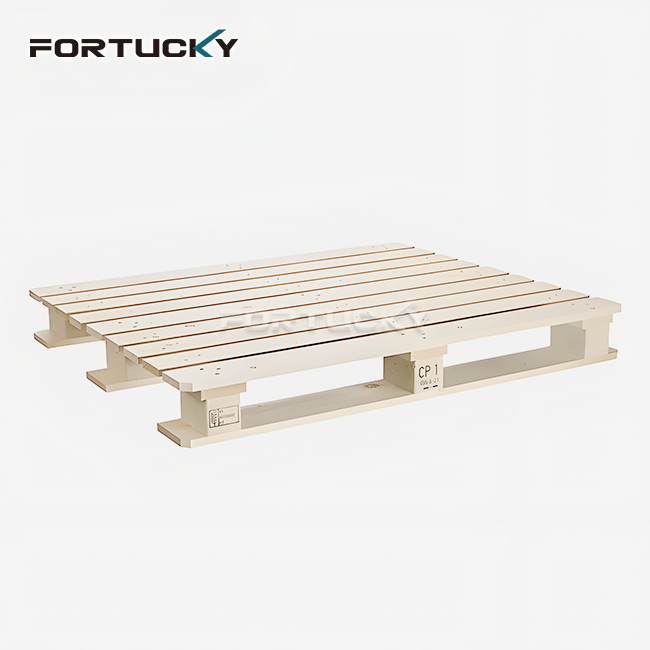
EPAL CP Wooden PALLET: Enhancing quality assurance and meeting EU regulations for chemical logistics
When organizing chemical logistics operations that cross foreign borders, choices about what to buy aren't just based on price. EPAL CP Wooden PALLET options provide certified quality assurance and full compliance with EU regulations, making them indispensable for industries producing pharmaceuticals, chemicals, and hazardous materials. These standardized wooden pallets meet critical safety requirements and maintain the durability standards needed for automated warehouses and cross-border chemical transport networks.
 Understanding EPAL CP Wooden Pallets: Specifications and Quality Assurance
Material handling equipment used in the chemical industry must meet exceptionally stringent standards. Certified wooden pallets specifically designed for this sector serve as the foundation for safe operations. Unlike conventional warehouse pallets, these specialized units are manufactured according to strict rules aligned with European Pallet Association certification requirements.
Comprehensive CP Series Dimensions and Load Specifications
The CP series comprises nine distinct pallet designs, each tailored to a specific type of chemical handling application. Understanding these dimensions enables procurement teams to better match equipment to operational needs without compromising safety.
The CP1 version measures 1000mm in length, 1200mm in width, and 138mm in height, making it an ideal fit for intermediate bulk containers commonly used for transporting liquid chemicals. The CP2's dimensions of 800x1200x138mm allow for tighter aisle layouts in compact chemical storage facilities. Square-shaped models such as the CP3 (1140x1140x138mm) offer optimal stability for drum storage, while the CP4's dimensions of 1100x1300x138mm suit oversize chemical packaging requirements.
The CP5's compact footprint of 760x1140x138mm is well suited for specialized applications and proves particularly useful in pharmaceutical cleanrooms. Heavy-duty types CP6 through CP9 feature increased height specifications of 156mm, enhancing their capacity to support dense chemical goods. The CP6 (1200x1000x156mm) and CP7 (1300x1100x156mm) models accommodate higher dynamic loads, while the CP8 and CP9 maintain the square 1140x1140x156mm footprint with reinforced construction.
4-Way Entry Design and Automation Compatibility
All CP series pallets feature a four-way entry design that allows automated guided vehicles and forklifts to access from any direction. In high-throughput chemical distribution centers, where operational efficiency directly impacts operating costs, this characteristic significantly reduces handling time. Automated storage and retrieval systems integrated with warehouse management software can seamlessly interface with these standardized dimensions, eliminating compatibility issues often encountered with non-certified alternatives.
Certification Standards Beyond Basic EPAL Requirements
Facilities that make approved pallets for the chemical industry must keep their license from the European Pallet Association up to date and undergo quality checks on every production run. The process of getting wood is managed to make sure that the products meet the ISPM-15 heat treatment requirements for international phytosanitary compliance. Chemical-safe treatments for wood keep the structure working even when the temperature changes that happen during the storage and shipping of chemicals in cold places. EPAL CP Wooden PALLET units undergo these rigorous production controls, ensuring that each unit meets the dimensional precision, nail penetration, and load distribution standards required for chemical logistics applications.
The certification process includes dimensional accuracy checks, nail penetration tests, and load distribution analysis. Each finished pallet is permanently marked with the manufacturer's name, production date, and certification status, facilitating supply chain traceability required by pharmaceutical regulations and chemical industry quality management systems.
EPAL CP Wooden Pallets in Chemical Logistics: Compliance and Benefits
In chemical transportation, regulatory compliance is more than paperwork—it determines whether shipments clear customs, meet insurance requirements, and pass customer quality inspections. Certified wooden pallets address multiple regulatory frameworks simultaneously, making operations more efficient than with non-compliant alternatives.
EU Transport Regulation Alignment
European regulations governing dangerous goods transport require that pallets meet specific performance criteria. These certified units comply with ADR standards for packaging group compatibility, enabling legal transport of chemicals across different hazard categories. The standardized design prevents load shifting during transit, directly satisfying the stability requirements of UN packing instructions.
Durability in Demanding Chemical Environments
Chemical exposure imposes stresses on material handling equipment that general goods never encounter. Chemical resistance testing informs the selection of wood species suitable for certified wooden construction. Pallet units manufactured to these standards maintain their structural integrity even when exposed to common industrial chemicals such as mild acids, alkaline solutions, and petroleum-based products.
Temperature variations—from cold storage to warm loading docks—place stress on pallet joints and fasteners. The use of reinforced construction methods and corrosion-resistant nails prevents premature failure during these thermal transitions. Companies handling cold-chain chemical operations report significantly longer service life from these pallets compared to conventional wooden alternatives, directly impacting total cost of ownership.
Sustainability Through Standardized Repair Networks
As companies publicly commit to sustainability goals, environmental responsibility increasingly influences procurement decisions. These certified pallets are supported by well-established repair and refurbishment networks across European and North American markets. Damaged units are restored according to approved methods that return them to certification standards, extending their useful life and reducing waste.
Rather than ending up in landfills, retired pallets are converted into biomass energy or engineered wood products. This circular economy approach aligns with corporate environmental objectives and sustains economic value. Companies report measurable improvements in environmental metrics after transitioning from single-use alternatives to reusable certified systems.
 Comparing EPAL CP Wooden Pallets with Alternatives for Procurement Decisions
Procurement professionals evaluating material handling investments must navigate competing claims from various pallet manufacturers and material suppliers. Objective comparisons across key performance indicators facilitate decisions aligned with business requirements rather than marketing presentations.
Design Robustness and Load Performance
Standard EUR pallets can accommodate a wide range of goods but lack the reinforced construction required for chemical applications. CP series pallets feature additional stringers and stronger deck boards that distribute point loads from drum storage and intermediate bulk containers. This structural enhancement prevents deck failures that could endanger personnel or cause product losses.
Certification Compliance and Audit Requirements
Plastic alternatives typically do not carry the same third-party certification documentation. Chemical companies subject to pharmaceutical regulations or ISO quality management audits require traceable pallet certification that demonstrates compliance with handling standards. Certified wooden pallets instantly provide this evidence through manufacturer markings, whereas plastic options complicate specification verification and increase audit burdens.
The international pallet swap system, which is based on verified wooden standards, lets people pool their assets, which lowers the amount of capital that is needed. Chemical logistics companies are a part of trade networks where packages going out use pallets that have been received, which cuts down on the cost of transporting empty pallets back to the origin. Plastic boxes are not handled by these systems, so they need special return procedures that cost more to move. EPAL CP Wooden PALLET units, with their standardized dimensions and certified markings, are fully compatible with these exchange networks, making them a preferred choice for companies seeking to minimize logistical overhead.
Environmental Impact Analysis
Lifecycle assessments comparing wooden and plastic pallets reveal significant differences in environmental performance. Plastic production carries a higher initial carbon footprint, though proponents argue that longer product life offsets this. However, field data from chemical shipping operations demonstrate that certified wooden pallets achieve comparable useful life and offer superior end-of-life disposal pathways.
Throughout their service life, wooden pallets sequester atmospheric carbon, directly contributing to carbon reduction targets. Plastic alternatives emit embodied manufacturing pollution immediately, negating this benefit. Companies calculating Scope 3 emissions across their supply chains find that adopting wooden pallets provides measurable progress toward reduction goals.
Procurement Guide: How to Source and Purchase EPAL CP Wooden Pallets
Sourcing certified pallets for the chemical industry requires evaluation criteria distinct from general warehouse equipment purchases. Verifying quality certifications, supplier authorizations, and logistics capabilities determines whether procurement delivers the intended operational benefits.
Identifying Authorized Manufacturers and Distributors
The European Pallet Association maintains public registers of companies authorized to manufacture certified pallets. Rather than accepting self-certification claims, the first step in verification involves checking supplier authorization status through official channels. Authorized manufacturers must display current licensing documentation and undergo regular production audits to ensure ongoing quality compliance.
Distributor networks help manufacturers reach regional markets, but buying teams must confirm that distributors source exclusively from authorized producers. Counterfeit pallets bearing forged certification marks occasionally infiltrate supply chains, exposing companies to legal liability if discovered during customer inspections. These risks can be mitigated by requesting manufacturer traceability documentation for specific production lots.
Pricing Structures and Volume Purchase Advantages
Certified pallet pricing exceeds that of standard wooden pallets due to higher manufacturing standards. Volume purchase agreements typically reduce per-unit costs by 15–25% compared to spot purchases, providing a strong incentive for consolidated buying. Chemical companies with multiple facilities can secure optimal pricing through annual supply agreements negotiated via centralized procurement.
Custom Configuration Capabilities
While standardized dimensions suffice for most chemical shipping applications, unique requirements may necessitate custom pallet designs. Authorized manufacturers offer modification services that incorporate customer-specific features while maintaining core certification standards. Custom deck board spacing, reinforced corner blocks, or specialized fastener designs can accommodate unique chemical packaging configurations.
Custom designs generally entail longer lead times than standard production, requiring advance planning for facility openings or packaging changes. Minimum order quantities for custom work typically start at 500 units, making this approach most suitable for large-scale production needs rather than small-batch specialty requirements.
Ensuring Long-Term Value: Maintenance, Recycling, and Warranty of EPAL CP Pallets
Investing in certified material handling equipment yields returns when companies follow proper maintenance procedures and leverage repair networks to extend asset life.
Proactive Maintenance and Inspection Protocols
In chemical shipping settings, pallets have to be inspected in ways that go beyond normal warehouse operations. Deck boards that are damaged, nails that stick out, or cracked stringers can be found through regular check rounds, before they cause safety problems or damage to the product. Visual check training for warehouse workers is the first line of defense for finding units that need to be fixed. Cold chain logistics CP wooden pallets require even more rigorous inspection schedules, as temperature fluctuations and moisture exposure can accelerate wear patterns and compromise structural integrity in refrigerated environments.
Environmental Compliance Through Recycling Infrastructure
End-of-life pallets that cannot be repaired are directed to established recycling channels rather than disposal routes. Wood-grinding operations convert damaged pallets into mulch, animal bedding, or biomass fuel, keeping waste out of landfills and recovering residual material value while supporting waste reduction targets.
Supplier Warranty Provisions and Risk Mitigation
Reputable manufacturers back their certified products with warranties covering manufacturing defects. Standard warranty terms typically cover structural failures resulting from construction errors, excluding operational damage caused by misuse. Understanding warranty limitations clarifies risk allocation between buyer and supplier, facilitating purchase contract negotiations.
When operational issues arise requiring expert guidance, long-term supplier relationships prove invaluable. Manufacturers with experience in the chemical industry can provide application advice, helping customers select optimal pallet configurations for different chemical packaging types. This consultative support adds value beyond the physical product sale.
Conclusion
Chemical shipping operations require material handling solutions that simultaneously satisfy safety regulations, improve operational efficiency, and protect the environment. Certified wooden pallets specifically designed for chemical applications deliver these qualities through standardized dimensions, rigorous quality controls, and established repair networks. Procurement professionals evaluating these purchases should consider total cost of ownership, including factors such as repairs that extend service life, documentation demonstrating regulatory compliance, and sustainability metric benefits. Companies transitioning to certified systems report improved audit performance, fewer product damage incidents, and measurable progress toward environmental goals while maintaining cost discipline.
Frequently Asked Questions
1. What distinguishes CP series pallets from standard EUR pallets?
The CP series pallets are built to stricter standards than standard EUR pallets, based on load distribution and contamination prevention practices specific to the chemical industry. Enhanced structural elements include additional stringers, stronger deck boards, and chemically resistant wood treatments. Manufacturing standards also enforce hygiene rules that prevent cross-contamination of chemical goods. While both meet EPAL certification requirements, CP series pallets undergo additional testing for chemical logistics applications.
2. How do I verify authentic certification status?
Real approved pallets have permanent markings on them, such as the EPAL logo, a maker identification code, and the date they were made. For verification, manufacturer codes are compared to official European Pallet Association records to prove the current license status. Counterfeit identification is based on checking the quality of the brand mark, the proof of wood treatment, and the measurements to make sure they are accurate. Contracts for buying things should say that only approved boxes with production records that can be tracked should be delivered.
Partner With Fortucky for Certified Material Handling Excellence
Automated warehouse systems need material handling parts that meet very strict standards. EPAL CP Wooden PALLET providers like Fortucky offer approved solutions backed by manufacturing know-how and quick technical support. Because we've worked with Fortune 500 chemical companies, drug companies, and logistics service providers in Asia, Europe, and the Americas, we can meet your unique needs for legal compliance and business efficiency. Get in touch with our engineering team at sales@fortuckyrobot.com for detailed standard advice, cheap volume pricing, and help integrating approved pallet systems with your warehouse management platforms and automated storage infrastructure.
References
1. European Pallet Association. "EPAL Technical Regulations for the Production of EPAL CP Pallets." Brussels: EPAL Publication Series, 2022.
2. International Plant Protection Convention. "ISPM 15: Regulation of Wood Packaging Material in International Trade." Rome: Food and Agriculture Organization, 2021.
3. European Agreement Concerning the International Carriage of Dangerous Goods by Road. "ADR 2023: Packaging and Tank Provisions for Chemical Transport." Geneva: United Nations Economic Commission for Europe, 2023.
4. Leblanc, R., and Matthews, H. "Life Cycle Assessment of Wooden Versus Plastic Pallets in Chemical Distribution Networks." Journal of Industrial Ecology, vol. 28, no. 3, 2023, pp. 412-429.
5. Deutsche Gesellschaft für Logistik. "Quality Standards in Chemical Logistics: Material Handling Equipment Certification Requirements." Berlin: German Logistics Association, 2022.
6. American Chemistry Council. "Best Practices for Chemical Warehouse Operations: Pallet Selection and Maintenance Protocols." Washington: ACC Distribution and Logistics Committee, 2023.
Learn about our latest products and discounts through SMS or email