- English
- French
- German
- Portuguese
- Spanish
- Russian
- Japanese
- Korean
- Arabic
- Greek
- German
- Turkish
- Italian
- Danish
- Romanian
- Indonesian
- Czech
- Afrikaans
- Swedish
- Polish
- Basque
- Catalan
- Esperanto
- Hindi
- Lao
- Albanian
- Amharic
- Armenian
- Azerbaijani
- Belarusian
- Bengali
- Bosnian
- Bulgarian
- Cebuano
- Chichewa
- Corsican
- Croatian
- Dutch
- Estonian
- Filipino
- Finnish
- Frisian
- Galician
- Georgian
- Gujarati
- Haitian
- Hausa
- Hawaiian
- Hebrew
- Hmong
- Hungarian
- Icelandic
- Igbo
- Javanese
- Kannada
- Kazakh
- Khmer
- Kurdish
- Kyrgyz
- Latin
- Latvian
- Lithuanian
- Luxembou..
- Macedonian
- Malagasy
- Malay
- Malayalam
- Maltese
- Maori
- Marathi
- Mongolian
- Burmese
- Nepali
- Norwegian
- Pashto
- Persian
- Punjabi
- Serbian
- Sesotho
- Sinhala
- Slovak
- Slovenian
- Somali
- Samoan
- Scots Gaelic
- Shona
- Sindhi
- Sundanese
- Swahili
- Tajik
- Tamil
- Telugu
- Thai
- Ukrainian
- Urdu
- Uzbek
- Vietnamese
- Welsh
- Xhosa
- Yiddish
- Yoruba
- Zulu
Understanding EPAL EURO Wooden PALLET: Dimensions, Materials, and Regulations
When you're in charge of global supply chains in the car, FMCG, or manufacturing industries, picking the right box system has a direct effect on how well you run your business and how much you spend. The EPAL EURO Wooden PALLET is a certified, standardized solution accepted by all international transport networks. The European Pallet Association enforces strict regulations regarding dimensions, material quality, and load capacities. Understanding these specifications enables procurement teams to ensure compatibility with automated storage systems, reduce shipping costs through better space utilization, and maintain regulatory compliance when shipping goods across borders—all critical factors for companies operating multi-site production and distribution networks.
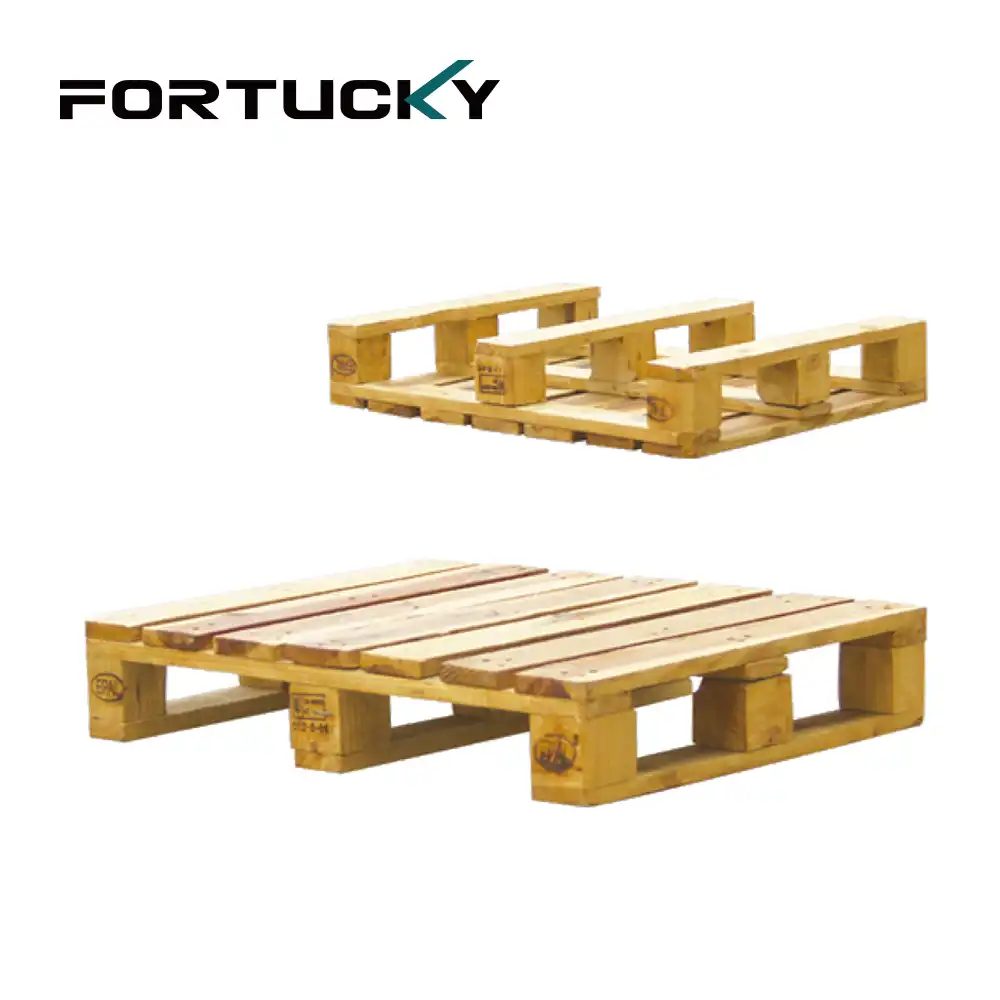
 What is an EPAL EURO Wooden Pallet?
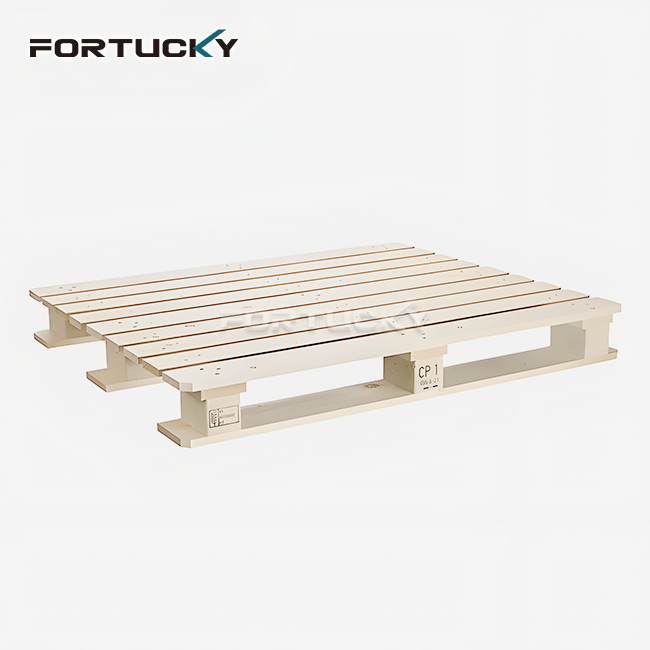
The European Pallet Association established EPAL standards to create a unified pallet system suitable for various cargo types and to facilitate seamless cross-border goods movement. An EPAL-certified wooden pallet bears official markings that attest to its manufacture according to stringent rules governing wood quality, construction methods, and structural strength testing.
Global Recognition and Exchange System
Over 650 million EPAL-certified pallets are in daily circulation worldwide, forming an essential component of international freight transport. This standardized approach eliminates compatibility issues when goods move between warehouses, carriers, or storage facilities. The certification system allows companies to exchange pallets directly with one another, streamlining operations and reducing downtime at loading docks.
Quality Assurance Through Certification
EPAL certification ensures that every pallet undergoes inspection during production and throughout its service life. Licensed manufacturers must use specified wood species and follow prescribed assembly methods. This quality control prevents premature failure that could disrupt production schedules and protects valuable goods during transit. The certification mark serves as documented proof of compliance, which is important for audit trails and supplier qualification processes.
Operational Advantages for Industrial Users
Standardized pallets work seamlessly with automated guided vehicles, conveyor systems, and robotic handling equipment commonly found in modern smart warehouses. Their consistent dimensions enable accurate capacity planning when configuring storage layouts or calculating trailer load volumes. The four-way entry design allows forklifts and pallet jacks to access from any direction, accelerating goods movement in high-throughput environments such as electronics factories or automotive assembly plants.
EPAL EURO Pallet Specifications and Dimensions
Precise pallet measurements directly impact warehouse space utilization and cargo transport efficiency. EPAL defines multiple pallet types to accommodate different goods while maintaining compatibility across logistics networks.
Standard EPAL Euro Pallet Configuration
Most of the EPAL EURO Wooden PALLET units measure 800mm x 1200mm x 144mm and can safely support up to 1500 kg during dynamic handling. This size optimizes space usage within standard European shipping containers and truck trailers. The height specification ensures compatibility with automated storage and retrieval systems while providing sufficient clearance for forklift operations.
Additional EPAL Pallet Variants
The EPAL 2 Pallet (1200mm x 1000mm x 162mm), with a 1250 kg capacity, suits heavy industrial components requiring a larger footprint. This configuration is ideal for manufacturing sectors handling large machinery parts or construction equipment. The EPAL 3 Pallet (1000mm x 1200mm x 144mm) can carry up to 1500 kg and features reversed dimensions that accommodate specific storage rack configurations.
The EPAL 6 (800mm x 600mm x 144mm) and EPAL 7 (800mm x 600mm x 163mm) are half-pallets, each with a 500 kg capacity, used for operations requiring smaller unit movements. These variants are common in retail, food processing, pharmaceutical distribution, and other fields where diverse product ranges demand adaptable storage solutions. The EPAL Box Pallet (800mm x 1200mm x 970mm) includes side walls and can support up to 1500 kg during transport.
Material Quality and Construction Standards
EPAL-certified pallets are manufactured from hardwood or softwood sourced from sustainably managed forests, meeting specific strength and moisture content requirements. The wood undergoes heat treatment in accordance with ISPM 15 phytosanitary regulations, which are mandatory for international shipping to prevent pest spread. This treatment eliminates the need for chemical fumigation, supporting environmental sustainability goals while fulfilling export requirements.
The construction employs deck boards and stringers carefully spaced and fastened with nails of specified shapes and sizes. This deliberate design distributes loads evenly across the structure, preventing localized stress concentrations that could lead to premature failure. Quality manufacturing ensures that pallets retain their shape after repeated use, maximizing return on investment.
Comparison: EPAL EURO Wooden Pallet vs Alternatives
Selecting the right pallet system requires weighing performance characteristics against operational needs and total cost of ownership.
EPAL Pallets Versus Standard Wooden Pallets
Non-certified wooden pallets do not adhere to consistent quality standards, resulting in variable load capacities and durability. This lack of uniformity complicates logistics planning and increases the risk of product damage or handling accidents. EPAL certification eliminates these concerns through strict manufacturing protocols and regular quality audits. The global recognition of EPAL certification facilitates international trade by providing universally accepted compliance documentation.
Wooden EPAL Pallets Compared to Plastic Alternatives
Plastic pallets offer advantages in environments where hygiene is critical, such as pharmaceutical clean rooms or food processing areas. They resist moisture absorption and are easier to clean. However, EPAL EURO Wooden Pallets are more environmentally friendly due to their biodegradability and lower energy intensity in production. Wooden pallets also allow field repairs using common carpentry tools, extending service life without specialized equipment.
The cost-effectiveness of wooden pallets becomes evident in large-scale operations. Initial purchase prices are generally lower than those of plastic alternatives, and established repair networks maintain EPAL wooden pallets at competitive lifecycle costs. For industrial and transport applications that do not require extreme cleanliness, wooden EPAL pallets offer the optimal balance of performance and affordability.
EPAL System Versus Proprietary Pooling Services
Pallet pooling services such as CHEP operate closed-loop models that incur ongoing rental fees and administrative overhead. EPAL's open standard allows companies to fully own their pallets while retaining the ability to exchange them freely. This ownership structure eliminates rental charges and simplifies accounting. The extensive network of EPAL-certified repair services and manufacturing capacity prevents supply bottlenecks, which is crucial for maintaining production schedules during peak demand periods.
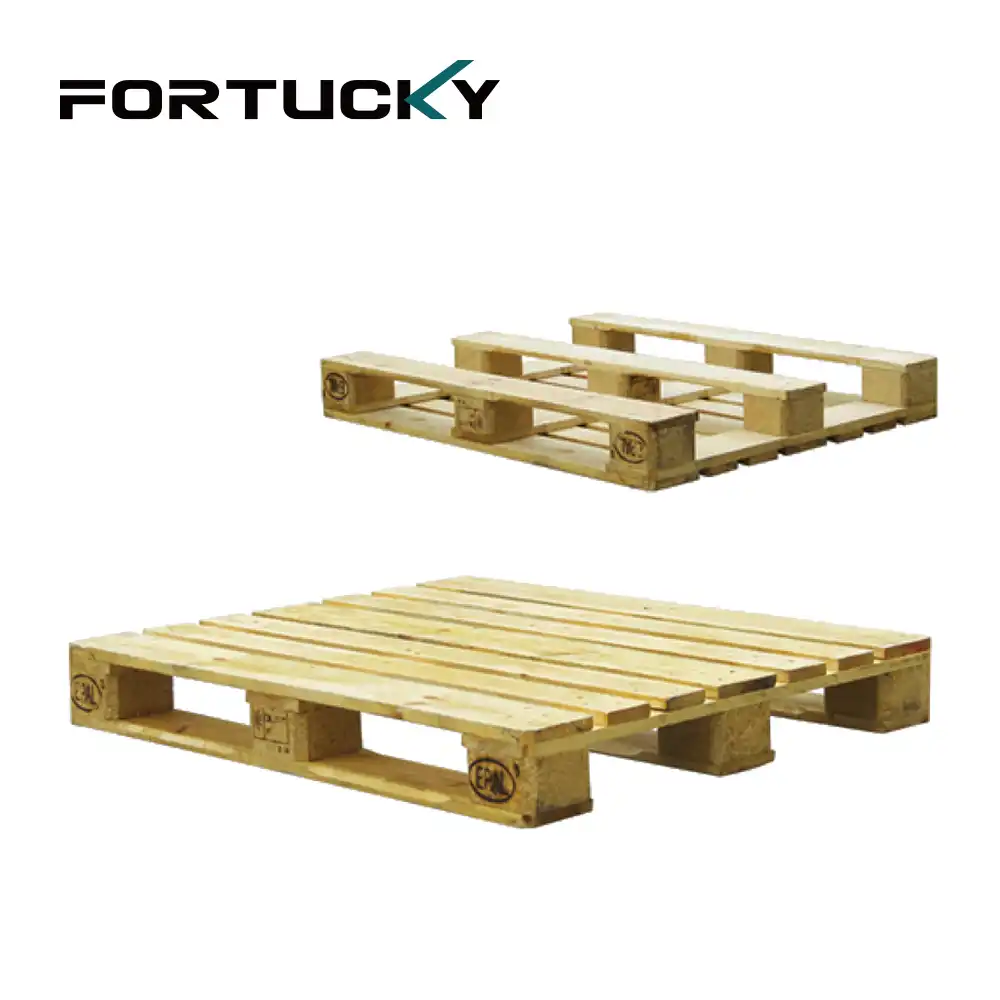 Procurement Considerations for EPAL EURO Wooden Pallets
Strategic sourcing of EPAL-certified pallets requires attention to supplier verification, volume planning, and compliance documentation management.
Supplier Authorization and Verification
Procurement teams should check that sellers have up-to-date EPAL manufacturing licenses, which can be done by checking the official register of the association. Licensed manufacturers show proof of their license and put the right EPAL marks on final EPAL EURO Wooden PALLETs. By checking these things, fake goods that put safety and the law at risk are stopped. Export-grade European standard wooden pallets require the same rigorous verification processes, as their certification marks are critical for international shipping compliance and customs clearance in global supply chains.
Volume Purchasing and Customization Options
Large-scale facilities can benefit from bulk purchasing, securing steady supply and lowering per-unit costs. Establishing relationships with reliable EPAL pallet suppliers supports just-in-time stocking strategies essential for lean manufacturing. Some suppliers offer customizations that remain within EPAL guidelines, such as additional reinforcement for exceptionally heavy loads or special wood treatments for extended outdoor storage.
Logistics Coordination and Lead Time Management
Understanding production lead times and delivery schedules helps prevent stockouts that could disrupt operations. Coordinating pallet supply with production ramp-ups or seasonal demand fluctuations ensures smooth material flow. Suppliers with strategically located distribution centers can reduce shipping costs and respond quickly to unexpected demand surges.
Maintenance and Repair Service Networks
The total value of a pallet is maximized when suppliers also offer authorized repair services. Professional repairs performed to EPAL standards can restore pallets to near-original condition, significantly extending their lifespan compared to single-use alternatives. Proximity of repair workshops to major operations reduces downtime and transportation costs associated with replacing damaged pallets.
Usage, Handling, and Maintenance Best Practices
Proper care of EPAL EURO Wooden Pallets extends their service life and enhances workplace safety, particularly in automated warehouses.
Safe Handling Procedures
Training material handlers in correct forklift operation helps prevent structural damage and workplace accidents. Forks should be properly centered under stringers, and operators should avoid impacts that break deck boards. Controlled speeds and smooth acceleration reduce dynamic stresses during transport. In automated systems, precise pallet positioning is essential for sensors and robotic grippers to function effectively.
Storage Environment Management
Storing pallets in covered areas prevents excessive moisture absorption, which accelerates decay. Adequate ventilation inhibits mold growth and stabilizes humidity levels. Elevated storage racks keep pallets off damp floors, which is especially important in cold chain facilities where temperature fluctuations cause condensation.
Regular Inspection and Maintenance Protocols
Establishing scheduled inspection intervals identifies damaged pallets before they cause handling equipment breakdowns or product losses. Visual checks should detect cracked stringers, protruding nails, or missing deck boards. Segregating damaged units for repair or disposal maintains fleet quality and workplace safety. Using warehouse management systems to track pallet condition provides data to determine optimal replacement timing and support supplier negotiations.
Sustainability and End-of-Life Management
EPAL's certification system supports circular economy principles through regular repair processes and material recycling programs. Retired pallets can be converted into renewable fuel or engineered wood products, reducing landfill waste. This sustainability profile aligns with corporate environmental goals and increasingly stringent regulations on industrial waste management.
Conclusion
The EPAL EURO Wooden PALLET standards provide manufacturing and logistics companies with safe, cost-effective material handling solutions backed by rigorous quality control. Procurement professionals can make informed sourcing decisions that enhance supply chain performance by understanding the precise specifications, regulatory requirements, and operational benefits. The global recognition of EPAL certification facilitates international trade, while standardized dimensions ensure compatibility with modern automated warehouse systems. Strategic purchasing from authorized sources, combined with proper handling and maintenance practices, enables companies to achieve sustainability targets and maximize return on investment.
Frequently Asked Questions
1. What guarantees does EPAL certification provide?
EPAL certification ensures that pallets are manufactured according to strict rules governing wood quality, construction methods, and load capacity. Licensed manufacturers must undergo regular audits to maintain their certification, guaranteeing consistent quality across all EPAL-marked pallets. This certification ensures legal compliance for international shipping and proper execution of internal handling procedures.
2. How long do EPAL wooden pallets last under normal industrial use?
Service life depends on handling frequency and storage conditions, but well-maintained EPAL EURO Wooden Pallets typically last for several years of active use. Regular inspections and professional repairs significantly extend useful life. Facilities that train employees in damage prevention and proper storage methods report substantially longer pallet longevity compared to those with minimal care.
3. Can EPAL pallets be customized for specific export requirements?
While core dimensions must remain within EPAL standards to retain certification, suppliers can offer additional treatments, such as enhanced heat treatment documentation to meet specific countries' phytosanitary requirements. Custom branding and tracking markings may be added without affecting structural certification, supporting asset management systems and supply chain visibility needs.
Partner with Fortucky for Advanced Material Handling Solutions
Fortucky has been helping Fortune 500 companies and global transportation leaders find the best warehouse automation and smart material handling systems for more than ten years. Our engineering teams know how standard parts like approved EPAL EURO Wooden PALLET work with robotic handling equipment, automatic systems for storing and retrieving items, and conveyor networks. We offer complete solutions that combine tried-and-true box standards with state-of-the-art warehouse management tools to make sure that your whole supply chain runs smoothly.
Our competitive benefits include the ability to quickly install our 5G-enabled smart production facilities, our deep customization knowledge for the car, electronics, and fast-moving consumer goods (FMCG) sectors, and our localized service networks that span Asia, Europe, and the Americas. Whether you need advice on EPAL EURO Wooden PALLET supplier qualification, warehouse layout optimization, or full automated logistics system integration, Fortucky offers the technical depth and implementation experience to drive measurable operational gains. Email our team at sales@fortuckyrobot.com to talk about how our products can help you handle materials more efficiently and keep your supply chain running smoothly.
References
1. European Pallet Association. EPAL Quality Standards and Certification Requirements for Wooden Pallets. EPAL Technical Documentation, 2022.
2. International Plant Protection Convention. ISPM 15: Regulation of Wood Packaging Material in International Trade. Food and Agriculture Organization of the United Nations, 2019.
3. Logistics Management Institute. Comparative Analysis of Pallet Systems in Global Supply Chains. Industrial Engineering Research Series, 2021.
4. Material Handling Industry Association. Standards and Best Practices for Pallet Utilization in Automated Warehousing. MHIA Technical Bulletin, 2023.
5. Supply Chain Council. Total Cost of Ownership Models for Industrial Pallet Fleet Management. Procurement Optimization Guide, 2020.
6. Sustainable Packaging Coalition. Lifecycle Assessment of Wood versus Plastic Pallets in Distribution Networks. Environmental Impact Research Report, 2022.

Learn about our latest products and discounts through SMS or email