- English
- French
- German
- Portuguese
- Spanish
- Russian
- Japanese
- Korean
- Arabic
- Greek
- German
- Turkish
- Italian
- Danish
- Romanian
- Indonesian
- Czech
- Afrikaans
- Swedish
- Polish
- Basque
- Catalan
- Esperanto
- Hindi
- Lao
- Albanian
- Amharic
- Armenian
- Azerbaijani
- Belarusian
- Bengali
- Bosnian
- Bulgarian
- Cebuano
- Chichewa
- Corsican
- Croatian
- Dutch
- Estonian
- Filipino
- Finnish
- Frisian
- Galician
- Georgian
- Gujarati
- Haitian
- Hausa
- Hawaiian
- Hebrew
- Hmong
- Hungarian
- Icelandic
- Igbo
- Javanese
- Kannada
- Kazakh
- Khmer
- Kurdish
- Kyrgyz
- Latin
- Latvian
- Lithuanian
- Luxembou..
- Macedonian
- Malagasy
- Malay
- Malayalam
- Maltese
- Maori
- Marathi
- Mongolian
- Burmese
- Nepali
- Norwegian
- Pashto
- Persian
- Punjabi
- Serbian
- Sesotho
- Sinhala
- Slovak
- Slovenian
- Somali
- Samoan
- Scots Gaelic
- Shona
- Sindhi
- Sundanese
- Swahili
- Tajik
- Tamil
- Telugu
- Thai
- Ukrainian
- Urdu
- Uzbek
- Vietnamese
- Welsh
- Xhosa
- Yiddish
- Yoruba
- Zulu
How to Achieve Maximum Performance with a Lift Table?
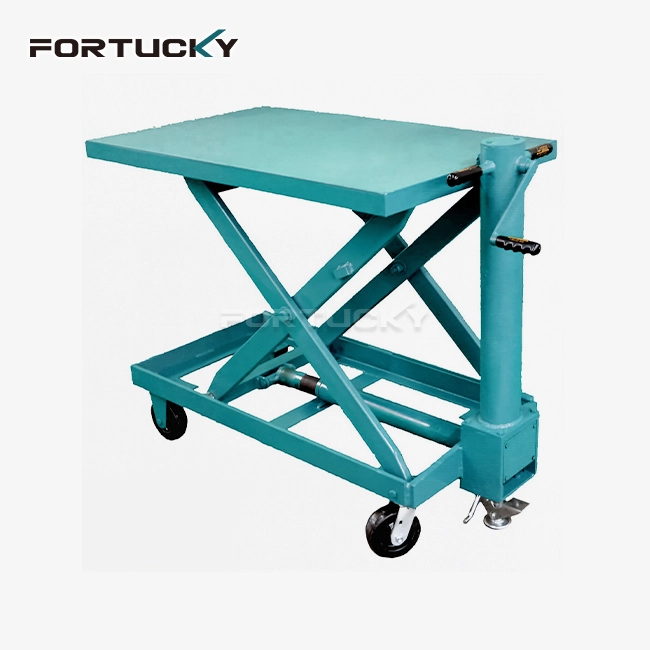
To get the most out of a mechanical lift table, you need to know its basic functions and how to use improvement techniques to make it work more efficiently. A motorized lift table is the most important piece of ergonomic material handling equipment because it lets you precisely change the height and place the load in a wide range of industrial settings. These platforms use mechanical lifting systems, like ACME screw systems or steel cable winches, to make sure they work smoothly and quietly and can lock loads securely at any height. Businesses get the most out of their lift tables when they match their specs to their operational needs, follow the right upkeep procedures, and use advanced features like mobile wheel kits and deck materials that can be changed to make workflow more flexible and efficient.
 Understanding Mechanical Lift Tables and Their Performance Potential
For modern factories to work, they need tools that are both ergonomically designed and highly efficient. One important thing that lift tables can help with is reaching both of these goals, especially when businesses know how they work and what they can do.
Core Operating Mechanisms and Design Principles
Mechanical lift table systems work with carefully planned parts that focus on dependability and performance, which don't need any upkeep. The threaded rod system in the ACME screw lift mechanism gives it great precision, letting workers get the load exactly where they want it while keeping it stable. This system works great in places where the height needs to be changed often and where materials need to be placed precisely, like on an assembly line or at a quality control station.
Steel cable winch systems are a different way to lift things that focus on smooth operation and better load distribution. These systems use strong wire structures and pulley arrangements to lift things consistently, even when the load is changing. The winch device works especially well for tasks that need to be lifted over and over again or where quiet operation is important.
Capacity and Height Performance Specifications
Load capacity is a basic performance factor that has a direct effect on how well and safely the system works. The loads that modern lift tables can hold range from 250 to 1,000 pounds, making them useful in a wide range of object handling situations. With this range of capacities, businesses can handle everything from small, light computer parts to large, heavy car parts without having to use different kinds of equipment.
The lifting height can go up to 84 inches, which makes it easier to move things from the ground to higher work areas. In many situations, this long vertical reach gets rid of the need for extra moving tools. This speeds up work processes and makes operations simpler. Because they can hold a lot of weight and have a wide range of heights, these tables can be used in a lot of different situations.
Comparative Analysis with Alternative Lifting Technologies
Businesses need to know how mechanical systems stack up against hydraulic and gas ones when they are judging the performance of lift tables. Mechanical systems work best in places that need little upkeep, accurate placement, and clean operation. When compared to hydraulic systems, mechanical tables don't have the chance of fluid leaks and the environmental problems that come with them. This makes them perfect for use in cleanrooms, food processing, and pharmaceutical production.
Maintenance needs are also greatly reduced because there are no compressed fluids. Hydraulic systems need to have their fluids changed, seals replaced, and the pressure system maintained regularly, while mechanical systems only need to be oiled and have their parts inspected once in a while. This dependability immediately leads to less downtime and a lower total cost of ownership.
Identifying and Overcoming Performance Bottlenecks in Mechanical Lift Tables
To get the most out of a lift table, you need to systematically find its possible flaws and put in place targeted answers. Businesses can keep their operations running at their best and avoid costly downtime by identifying common speed problems.
Common Mechanical Issues and Diagnostic Approaches
Performance loss in a powerless and simple lifting platform is often caused by predictable technical problems that can be easily found and fixed before they get worse. One of the most common problems is uneven lifting, which is usually caused by not enough greasing or worn-out parts. These problems can be found before they affect how well the system works by checking the guide gears and lifting parts on a regular basis.
Problems with load distribution can hurt both efficiency and safety. Unbalanced loads put too much stress on lifting systems, which can cause parts to break early. Using the right deck configurations and following the right load placement rules helps keep equipment running at its best and extends its life.
Safety Features That Enhance Performance
Not only do advanced safety systems keep workers safe, but they also improve efficiency by stopping accidents that cause damage. Overload safety devices stop moving operations that go beyond what was planned, keeping mechanical parts from breaking down because of stress. These systems keep speed consistent by making sure that all processes happen within the best possible limits.
The emergency stop feature gives you instant operating control and protects the integrity of the equipment. In an emergency, quick-release devices let you quickly remove the load, which keeps both the materials and the lifting tools from getting damaged. When these safety features are put together, they make a full performance security system.
Ergonomic Optimization Strategies
Ergonomics at work has a direct effect on both how productive operators are and how much equipment is used. With the right height change, workers don't have to work in awkward positions, which keeps them from getting tired and improves the quality of their work. This improvement leads to more work getting done and more consistent operations.
The choice of deck material is very important for ergonomic function. Butcher block surfaces protect fragile items and lower the noise level while they are being placed. While being durable enough for heavy-duty uses, metal decks are also easy to clean. Choosing the right deck materials improves both the comfort of the user and the speed of the operation.
Choosing the Right Mechanical Lift Table for Your Business Needs
To choose the best lift table designs, you need to carefully consider your long-term business goals, operational needs, and performance standards. Strategic selection methods make sure that the investment gets the best return possible while also dealing with a range of practical issues.
Critical Selection Criteria and Evaluation Framework
Load capacity standards are more than just weight; they also take into account how the load is distributed, how dense the material is, and how often it needs to be handled. Tables with extra-durable features are better for jobs that involve moving things a lot, while tables that are only used occasionally may choose cost-effectiveness over high-end features.
When setting the height, both the minimum and the maximum operating needs must be taken into account. Facilities with different ceiling heights or processes that take place on more than one level need tables that can be adjusted to fit different height needs. The highest height of 84 inches covers most workplace uses and gives operators a lot of freedom in how they do their jobs.
Application-Specific Performance Considerations
In order to do assembly work, you need to be able to precisely place things and keep loads fixed for long periods of time. Because they are naturally stable in place and don't vibrate, mechanical lift table solutions work best in these situations. The mechanical locking system keeps things exactly where they should be without using any power, which lets longer building processes go on.
For material transport uses, reliable movement between workplaces and smooth operation are very important. With the mobile wheel kit additions, stationary tables can be turned into flexible transport platforms that make it easier for things to move around in the building. This improvement to movement makes operations much more efficient in settings that change often.
Integration with Existing Operational Systems
For lift table integration to work, it needs to be able to work with current work processes, room limitations, and operating procedures. Compact designs that save room can be used in places with limited floor space while still being fully effective. The low-profile form makes it possible to fit into current work areas without making major changes to the building.
Deck customization choices make sure that it works with a wide range of materials and operating needs. Whether to use a butcher block or a metal railing relies on the properties of the materials, how often they will be handled, and the conditions of the work area. The right choice of deck improves both efficiency and material safety.
Ensuring Long-Term Performance Through Proper Maintenance and Support
For performance to last, there needs to be a set of rules for regular upkeep and strategic relationships with suppliers that support ongoing operational success. Comprehensive repair plans protect the investments in technology while increasing the amount of time it can be used.
Essential Maintenance Protocols and Scheduling
Schedules for preventive repair should be in line with how busy the business is and the weather outside. Applications that see a lot of use need to be lubricated and checked more often, while lighter-duty uses can let maintenance times get longer. Regularly lubricating moving parts keeps them from wearing out too quickly and keeps the machine running smoothly.
When inspecting parts, the rules should focus on areas that wear out quickly, like safety devices, moving mechanisms, and guide systems. Early detection of wear patterns allows replacements to be planned for planned breaks instead of fixes being done in an emergency. This proactive method keeps maintenance costs low and operating interruptions to a minimum.
Strategic Supplier Partnerships and Support Services
Working with experienced makers gives you access to professional support, real replacement parts, and a full range of services to help you. Established providers offer training programs that improve the skills of operators and the way equipment is used. These agreements make sure that you can get the newest performance-boosting techniques and technological improvements.
Warranty clauses and service agreements protect investments in technology and make maintenance costs more reliable. Emergency assistance, regular maintenance, and promises that parts will be available are all common parts of full-service packages. These arrangements make it easier to plan the budget and support regular operating performance.
Performance Monitoring and Optimization
Performance evaluations done on a regular basis find ways to improve operations and make them more efficient. Monitoring lifting cycle times, the accuracy of load handling, and operator productivity can help you find ways to make things better. Performance research based on data helps with efforts to keep getting better.
Tracking how much equipment is being used helps figure out capacity issues and growth needs. Figuring out when things are used the most helps you make plans for buying more tools or changing how things are done in the workplace. This study helps people make smart choices about how to expand facilities and assign tools.
 Future-Proofing Your Investment: Emerging Trends and Innovations
The capabilities of material handling tools are always changing because of new technologies. This opens up possibilities for better performance and operational efficiency. Knowing about new trends helps you make smart business choices that give you a long-term edge over your competitors.
Advanced Design and Engineering Innovations
Modern designs for mechanical lift table units use light materials and better tech to make them last longer and work better. Using new materials makes equipment lighter while still keeping its structural stability. This makes it easier to move and set up. These new ideas help make operations more efficient without lowering the standards of performance.
Smart engineering principles focus on designing things that are user-centered and make things easier to use while also making them more powerful. Intuitive control systems make operations safer while reducing the need for training. Better ergonomics make it easier for operators to stay comfortable while working for long amounts of time, which leads to higher output and job satisfaction.
Industry 4.0 Integration and Connectivity
Integration with IoT devices and warehouse management systems makes it possible to see and handle operations better. Lift tables that are connected can give you real-time information about their performance, repair needs, and usage. This connectivity helps with business efficiency and predictive repair plans.
Lift tables, as a powerless and simple lifting platform, can work with robotic systems and automatic material handling tools if they are automation-compatible. This ability to integrate helps with efforts to automate facilities while keeping managerial freedom. Being able to connect to both current and future automation systems saves investments in tools during times of change in technology.
Supplier Evaluation and Partnership Strategies
Choosing providers who have a history of creativity ensures that you can get access to new technologies and better performance. When you work with makers who spend in research and development, you can get early access to new equipment features and capabilities, which gives you a competitive edge.
Authorized dealer networks offer local help while still giving you access to the manufacturer's tools and knowledge. These connections make it possible to quickly meet operating needs and support the long-term performance of tools. Strategic relationships with suppliers are a big part of getting the most out of your tools and making sure your operations run smoothly.
Conclusion
For a motorized lift table to work at its best, it needs to be carefully chosen, set up correctly, and constantly improved. Strong mechanical design, features that can be customized, and full support services come together to make strong material handling solutions that improve operating efficiency and keep operators safe. To be successful, you need to make sure that the specifications of your tools match the needs of your operations, set up good repair procedures, and work with seasoned suppliers who can offer ongoing help and access to new technologies. These basic parts work together to give long-lasting performance boosts and competitive operating benefits in a wide range of industrial settings.
FAQ
Q1: What maintenance schedule should I follow to keep my mechanical lift table at peak performance?
The best maintenance plans rely on how often the equipment is used and the conditions of the operating surroundings. Moving parts in high-frequency processes need to be oiled once a week, and they need full checks every month. Standard operations benefit from being oiled every two weeks and getting thorough checks every three months. Visually check for obvious damage or wear every day, and keep detailed repair logs to keep track of how parts work and when they need to be replaced.
Q2: How do I determine the correct weight capacity and size of a lift table for my warehouse needs?
To keep things safe and make sure they last a long time, capacity selection should be 20 to 25 percent higher than the highest predicted loads. Think about the weights of not only the items themselves, but also the containers and materials used for shipping. Check the usual load dimensions to make sure that the deck size can fit your biggest things. When deciding on capacity, you should think about how operations will grow in the future and how much work might get added. This way, you can avoid having to replace equipment too soon.
Q3: Are mechanical lift tables suitable for heavy-duty industrial applications compared to hydraulic ones?
Mechanical systems work best in situations where they need to be precisely placed, operate cleanly, and need little upkeep. They work really well for uses like assembly, quality control, and material placement. But hydraulic systems might be better for uses that need to cycle quickly or for loads that are much heavier than 1,000 pounds. When deciding between mechanical and hydraulic choices, you should think about your unique operational setting, your ability to do maintenance, and the performance you need.
Contact Fortucky for Premium Mechanical Lift Table Solutions
Fortucky's advanced mechanical lift table systems are designed for tough industrial uses and will help you run your business more efficiently. Over 1,000 users around the world use our full range of products and services in the industrial, transportation, and automation fields. As a reliable provider of motorized lift tables, we offer unique options that can hold between 250 and 1,000 pounds and lift to 84 inches. Get in touch with our knowledgeable staff at sales@fortuckyrobot.com to learn more about our fast shipping options, extensive customization options, and low prices that are tailored to your needs.
References
1. Industrial Safety and Health Administration. "Ergonomic Guidelines for Manual Material Handling." Occupational Safety Standards, 2023.
2. Materials Handling Institute. "Mechanical Lift Table Performance Standards and Best Practices." Industry Technical Report, 2024.
3. American National Standards Institute. "Safety Requirements for Industrial Lift Tables." ANSI Standard MH29.1, 2022.
4. International Warehouse Logistics Association. "Automation and Material Handling Equipment Integration Guidelines." Technical Publication, 2023.
5. Manufacturing Engineering Society. "Ergonomic Design Principles for Industrial Material Handling Equipment." Engineering Standards Review, 2024.
6. Supply Chain Management Review. "ROI Analysis of Mechanical vs. Hydraulic Lifting Systems in Manufacturing Operations." Industry Analysis Report, 2023.
Learn about our latest products and discounts through SMS or email