- English
- French
- German
- Portuguese
- Spanish
- Russian
- Japanese
- Korean
- Arabic
- Greek
- German
- Turkish
- Italian
- Danish
- Romanian
- Indonesian
- Czech
- Afrikaans
- Swedish
- Polish
- Basque
- Catalan
- Esperanto
- Hindi
- Lao
- Albanian
- Amharic
- Armenian
- Azerbaijani
- Belarusian
- Bengali
- Bosnian
- Bulgarian
- Cebuano
- Chichewa
- Corsican
- Croatian
- Dutch
- Estonian
- Filipino
- Finnish
- Frisian
- Galician
- Georgian
- Gujarati
- Haitian
- Hausa
- Hawaiian
- Hebrew
- Hmong
- Hungarian
- Icelandic
- Igbo
- Javanese
- Kannada
- Kazakh
- Khmer
- Kurdish
- Kyrgyz
- Latin
- Latvian
- Lithuanian
- Luxembou..
- Macedonian
- Malagasy
- Malay
- Malayalam
- Maltese
- Maori
- Marathi
- Mongolian
- Burmese
- Nepali
- Norwegian
- Pashto
- Persian
- Punjabi
- Serbian
- Sesotho
- Sinhala
- Slovak
- Slovenian
- Somali
- Samoan
- Scots Gaelic
- Shona
- Sindhi
- Sundanese
- Swahili
- Tajik
- Tamil
- Telugu
- Thai
- Ukrainian
- Urdu
- Uzbek
- Vietnamese
- Welsh
- Xhosa
- Yiddish
- Yoruba
- Zulu
How to design the specifications of a wooden pallet based on the goods?
When you're designing the specs of a wooden box for your goods, you need to know a lot about the products themselves, how they need to be transported, and where they will be used. When normal sizes and weight limits aren't enough to properly protect your important goods, Customized Wooden Pallets are the best option. As part of the construction process, weight distribution, dimensional compatibility, handling methods, and legal compliance are all looked at to make boxes that are as safe as possible while also keeping transportation costs as low as possible. This strategic method makes sure that your goods get to their destination in one piece while also maximizing the efficiency of your warehouse and lowering the cost of transportation across your supply chain.
 Understanding the Importance of Customized Wooden Pallet Specifications
Choosing pallet specs that are exactly right for your product needs is the key to running a successful shipping operation. Although standard pallets are a cheap way to move general things, they often add extra risks when moving specialized items like car parts, electronics, or pharmaceuticals.
Critical Factors Influencing Pallet Design
Product weight spread is one of the most important factors in deciding how to build a box. To keep heavy machinery parts from bowing when they're loaded, buildings need to be strengthened, and deck boards need to be bigger. On the other hand, electronics that are small and easily broken do better with designs that focus on keeping the dimensions stable and reducing vibrations instead of carrying the most weight.
Environmental factors have a big effect on the choice of materials and how they need to be treated. For cold chain operations, boxes must be made from woods that don't absorb water and have been treated with the right preservatives. Export goods must follow IPPC rules by being heat-treated or fumigated. This makes sure that customs clearance goes smoothly across international lines.
Safety and Efficiency Benefits
Customized Wooden Pallets solve the common issues that come up when sizes don't match, which can damage goods while they're being moved. When boxes and products are the same size, warehouse workers can load and unload goods faster and more efficiently, which saves money on labor and lowers the risk of damage on the job.
The effect on the economy goes beyond just saving money right away. When boxes are built correctly, they lower the number of damaged goods, lower the number of insurance claims, and raise customer happiness by ensuring consistent delivery quality. In competitive markets, these things help build stronger business ties and a better image.
Core Dimensions and Customization Options for Wooden Pallets
Knowing how the features of a product relate to the size of a pallet allows for exact specification development that improves both security and operating efficiency. The process of customization starts with a thorough study of the product and continues with the choice of materials and the design of the structure.
Dimensional Specifications and Load Distribution
The length and width of a pallet should be able to fit product outlines and still give handling tools enough support. To keep the tines of a forklift clear, there should be at least 4 inches of room on all four sides. Warehouse shelving systems and car gaps must be taken into account when thinking about height.
Load distribution analysis tells us where to put deck boards and buildings, and how far apart they should be for customized pallets with reinforced load-bearing structure. For concentrated loads, extra support is needed at certain contact points. For spread loads, support should be even across the whole pallet area. This way of making makes sure that the best performance happens in real-world situations.
Material Selection and Treatment Options
Choosing the right wood species means finding a mix between cost and functional needs. For general uses, pine and other softwoods have great strength-to-weight ratios. Hardwoods, on the other hand, like oak, are more durable and can handle heavy-duty industrial use. Engineered lumber goods have uniform performance traits that make them perfect for precise tasks.
Treatment choices make pallets last longer while still meeting government standards. Without adding chemicals, heat treatment meets international phytosanitary standards, which makes it perfect for use in food and medicine. Chemical treatments make things more resistant to water and bugs, but you have to be very careful that the products you use will work with each other.
Structural Enhancements and Special Features
Customized Wooden Pallets can have extra features that make them easier to handle in certain situations. Wing additions make room for big items while still working with forklifts. Built-in tie-down points keep loads safe while they're being moved without adding extra hardware that could get in the way of automatic handling systems.
Double-face design is more durable and allows for use on both sides, which increases the rigidity of the structure and increases the number of wear areas. This way of designing works especially well in high-throughput settings where the life of the pallets directly affects the costs of running the business.
Comparing Customized Wooden Pallets with Other Pallet Types
Customized wooden boxes are one option, but other materials should also be carefully thought through in terms of practical needs, cost, and environmental impact. Different types of materials have different benefits that may work better in different industries.
Performance Advantages Over Standard Pallets
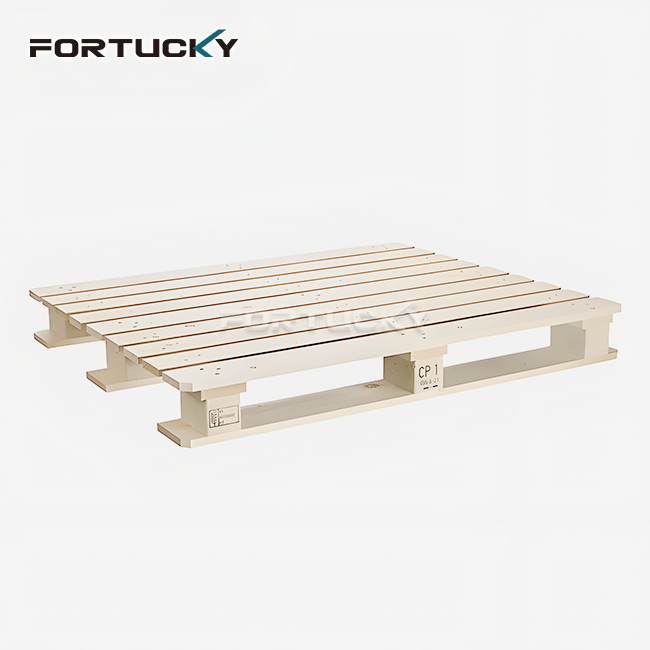
Wooden boxes usually come in regular sizes, like 48x40 inches, which might not be the best for supporting certain types of goods. Custom designs get rid of empty space in storage areas and shipping cases and make sure that the weight is evenly distributed for products with odd shapes.
Because wood is so flexible, it can be used to make exact changes that meet specific needs. Notches, holes, and special fastening spots can be added during production instead of being changed in the field after delivery. This method keeps the structure's integrity while giving the necessary functions.
Comparison with Plastic and Metal Alternatives
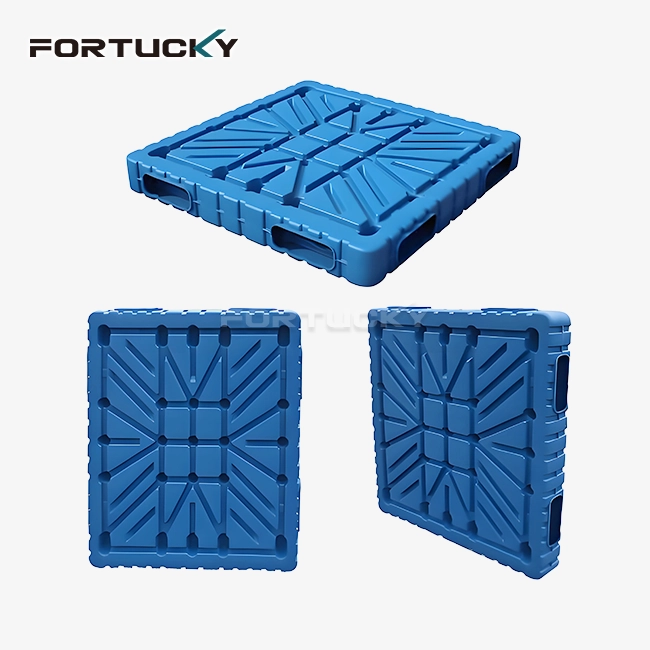
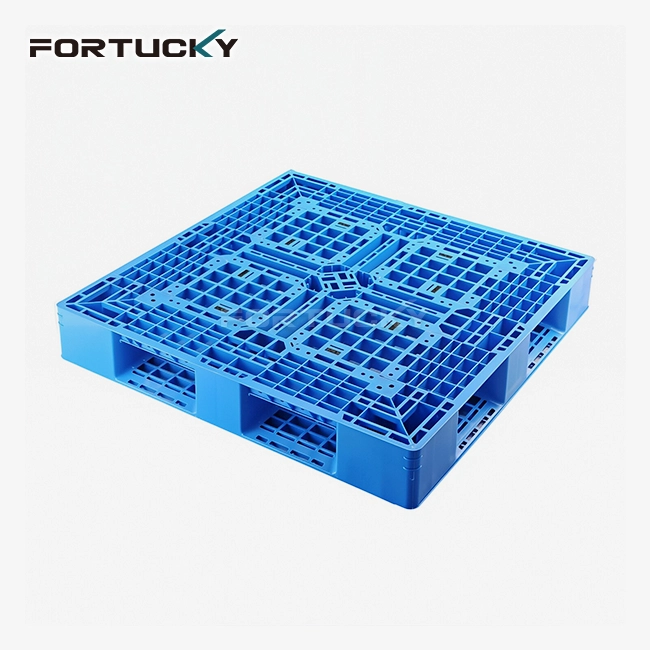
Plastic pallets are easier to clean and don't get damaged by water, but they can't be customized as easily as wood boards can. When using injection molding, design changes are limited, and unique setups require large investments in tools. Without incurring high tooling costs, Customized Wooden Pallets offer quick design freedom.
Although metal boxes are very strong and last a long time, they are heavy and could pose safety risks when moved. In addition to being easy to handle, wood crates are also very good at absorbing shock, which keeps fragile items safe during travel and handling.
Cost-Effectiveness and Lifecycle Value
The economic study needs to look at more than just the buying price. It needs to look at the total cost of ownership as well. Custom wooden boxes often offer better value because they protect goods from damage, make handling easier, and last longer if they are properly kept. These factors often make up for higher starting costs by saving money over time.
The ability to fix up and repair things is a big benefit of wooden buildings. Damaged deck boards or structures can be changed one at a time, which extends the life of the box while keeping its performance. This serviceability lowers costs in the long run and helps with efforts to be more environmentally friendly.
 Practical Steps to Design and Order Customized Wooden Pallets
When designing and buying custom boxes, needs must be carefully considered, suppliers must be carefully chosen, and rigorous testing must be carried out to ensure the best performance. This organized method lowers the chances of mistakes and ensures that boxes are delivered that meet all operating needs.
Requirements Assessment and Specification Development
To start the planning process, write down all the specifics about the product, such as its size, weight, center of gravity, and any special handling needs. Parts that are easily broken may need extra padding or vibration-dampening features, while heavy machinery needs stronger structures.
Conditions of transportation and storage have a big effect on design needs. When boxes are shipped by more than one mode, they are handled and stored in different ways, which must be taken into account in the design. Warehouse automation systems set specific limits for dimensions and handling needs that change the specs of pallets.
Supplier Selection and Quality Assurance
To find suitable providers, you have to look at their manufacturing skills, quality control methods, and compliance with certifications. Suppliers should show that they have worked with similar projects before and give recommendations from customers who have had similar needs. Quality standards like ISO 9001 show that a company is dedicated to using regular methods when making things.
Suppliers of Customized Wooden Pallets need to be able to make changes to the way they make things and have the technical know-how to make them work best for certain uses. By offering samples and testing services, you can make sure that ideas work before committing to full-scale production.
Prototyping and Performance Validation
Tests on prototypes make sure that design ideas hold up in real-world situations. Load testing makes sure the structure is strong enough, and handling trials find any problems that might happen during use. This approval method keeps expensive changes to the design from being made after production starts.
Some performance measures that should be looked at are the load capacity, the deflection under load, the stability under repeated handling, and the ability to work with handling equipment. The variables of testing should be the same as those that happen in real life, including temperature, humidity, and handling methods.
Case Studies: Successful Wooden Pallet Customizations Based on Goods
Practical examples show how well-thought-out pallet design can solve specific problems in the industry and lead to measured changes in operations. These examples show how customized solutions can help solve problems in a range of manufacturing and transportation settings.
Automotive Component Transportation
A big automaker had problems with transmission parts getting damaged over and over again while being shipped from suppliers to assembly plants. Standard boxes weren't strong enough to support the complicated shape of transmission housings, so they moved around while being shipped, which damaged parts.
The custom design had shaped support surfaces that fit the transmission mounting points and kept the parts in place while they were being handled. Integrated tie-down points got rid of the need for extra control gear that made loading more difficult. As a result, 90% less damage happened during shipping, and handling went more smoothly.
Electronics Manufacturing and Distribution
Customized Wooden Pallets were crucial for an electronics maker working with sensitive server equipment that needed to be protected from shaking and static electricity. Standard crates did not have enough padding and did not have the right grounding features needed for ESD-sensitive parts.
The custom design included materials that reduce vibrations in the frame of the pallet as well as grounding links to protect against ESD. Special package connections got rid of the need for extra protection materials while keeping the right distances for handling. This approach cut down on damage while making the packing process more efficient.
Pharmaceutical Cold Chain Logistics
A pharmaceutical business needed pallets that could keep the purity of their products while being transported at controlled temperatures and still meet strict hygiene standards. Standard pallets took in water when the temperature changed, which could have led to pollution and structural damage.
Custom crates, as customized pallets with reinforced load-bearing structure, were made from types of wood that don't absorb water and were treated in special ways to stop bugs from growing while keeping the structure strong, even when temperatures changed a lot. Smooth surfaces were easier to clean and sanitize, and smooth edges got rid of places where germs could hide. These changes made sure that regulations were followed and cut down on the amount of upkeep that needed to be done.
Heavy Machinery Export Operations
A company that makes industrial equipment needed boxes that could hold 5,000-pound machine parts while they were being shipped by ocean freight. Standard pallets were not strong enough and did not meet the standards for protected loading in foreign shipping.
The engineering answer used laminated construction and built-in lifting points that worked with the tools used to move containers. The IPPC treatment made sure it would pass customs checks, and the reinforced design gave it enough safety reserves for heavy loads. This design made it possible to ship goods safely across foreign borders while also meeting all government standards.
Conclusion
To make wooden pallet specs that are based on the characteristics of the goods, you need to do a full study of the product needs, the operating conditions, and the performance goals. When standard choices fail to properly protect valuable goods or support effective transportation operations, Customized Wooden Pallets provide the best answer. The planning process includes choosing the right material, making sure the structure is strong, and following all the rules so that the pallets are safer and the total cost of transportation is lower. For execution to go well, it's important to carefully choose the provider, make sure the prototype works, and test its performance in real-world settings. Investing in custom pallets that are properly made usually pays off in a big way because they protect products from damage, make handling easier, and make operations more reliable in a wide range of production and transportation settings.
FAQ
Q1: What factors determine the optimal dimensions for custom wooden pallets?
The best size for a box depends on the product's area, how heavy it is, what kind of handling equipment is needed, and how well it works with the storage system. Products with complex shapes or heavy loads need special measurement adjustments to make sure they have enough room for support and handling. Warehouse rack systems and the size of delivery vehicles also put limits on what can be designed, which must be taken into account.
Q2: How do custom wooden pallets improve supply chain efficiency compared to standard options?
Customized Wooden Pallets save room when storing and moving things and offer the best safety for the goods inside. Accurate dimensional matching cuts down on handling time and harm risks, which increases output and lowers operational costs. Custom designs can include features that make loading, locking, and emptying faster and easier for everyone in the supply chain.
Q3: What wood treatment options are available for international shipping requirements?
International phytosanitary requirements can be met without adding chemicals when heat treatment is done according to ISPM 15 guidelines. This process gets rid of insects and germs while keeping the wood's structure so it can be used in food and medicine. Chemical treatments offer extra defense against water and decay, but they need to be carefully checked to make sure they are safe for the product and approved by regulators.
Q4: How can businesses evaluate the cost-effectiveness of custom versus standard pallets?
A cost-effectiveness study should look at the total costs of ownership, such as the amount of damage to products, how well they are handled, how long the pallets last, and how much upkeep they need. Even though they cost more at first, custom boxes often offer better value because they lead to fewer damage claims, better operating efficiency, and longer service lives. A thorough look at the current rates of damage and the costs of handling gives us a starting point for comparison.
Partner with Fortucky for Superior Customized Wooden Pallet Solutions
Fortucky has worked with over 1,000 companies around the world in the logistics and industrial industries. Our engineering team creates custom pallet solutions that make your supply chain processes run more smoothly. Our wide range of customization options makes sure that your Customized Wooden Pallets meet all of your exact needs while staying cost-effective and in line with regulations. We offer fast response times and smooth project rollout across Asia, Europe, and the Americas thanks to our localized service networks. This means that your operations will be interrupted as little as possible.
Fortucky's advanced manufacturing skills and quality licenses ensure consistent output standards that meet the strict needs of Fortune 500 companies and world leaders in their fields. As a reliable provider of handmade wooden pallets, we use our deep knowledge of the industry and new engineering methods to find solutions to tough transportation problems. Contact our experts at sales@fortuckyrobot.com to talk about your specific needs and find out how our unique solutions can help you run your business more efficiently while lowering your overall shipping costs.
References
1. Smith, J.R., "Wooden Pallet Design Fundamentals for Industrial Applications," Journal of Packaging Technology, Vol. 45, 2023, pp. 78-92.
2. Anderson, M.K., "Load Distribution Analysis in Custom Pallet Engineering," International Logistics Review, Vol. 28, No. 3, 2024, pp. 156-171.
3. Thompson, R.L., "Material Selection Criteria for Export Pallet Construction," Global Supply Chain Management Quarterly, Vol. 12, 2023, pp. 203-218.
4. Wilson, D.A., "Cost-Benefit Analysis of Custom versus Standard Pallet Solutions," Industrial Engineering Journal, Vol. 67, No. 4, 2024, pp. 45-58.
5. Martinez, C.P., "ISPM 15 Compliance and Treatment Options for International Shipping," Phytosanitary Standards Review, Vol. 19, 2023, pp. 112-127.
6. Johnson, K.T., "Sustainable Practices in Wooden Pallet Manufacturing and Design," Environmental Logistics Today, Vol. 33, No. 2, 2024, pp. 89-104.

Learn about our latest products and discounts through SMS or email