- English
- French
- German
- Portuguese
- Spanish
- Russian
- Japanese
- Korean
- Arabic
- Greek
- German
- Turkish
- Italian
- Danish
- Romanian
- Indonesian
- Czech
- Afrikaans
- Swedish
- Polish
- Basque
- Catalan
- Esperanto
- Hindi
- Lao
- Albanian
- Amharic
- Armenian
- Azerbaijani
- Belarusian
- Bengali
- Bosnian
- Bulgarian
- Cebuano
- Chichewa
- Corsican
- Croatian
- Dutch
- Estonian
- Filipino
- Finnish
- Frisian
- Galician
- Georgian
- Gujarati
- Haitian
- Hausa
- Hawaiian
- Hebrew
- Hmong
- Hungarian
- Icelandic
- Igbo
- Javanese
- Kannada
- Kazakh
- Khmer
- Kurdish
- Kyrgyz
- Latin
- Latvian
- Lithuanian
- Luxembou..
- Macedonian
- Malagasy
- Malay
- Malayalam
- Maltese
- Maori
- Marathi
- Mongolian
- Burmese
- Nepali
- Norwegian
- Pashto
- Persian
- Punjabi
- Serbian
- Sesotho
- Sinhala
- Slovak
- Slovenian
- Somali
- Samoan
- Scots Gaelic
- Shona
- Sindhi
- Sundanese
- Swahili
- Tajik
- Tamil
- Telugu
- Thai
- Ukrainian
- Urdu
- Uzbek
- Vietnamese
- Welsh
- Xhosa
- Yiddish
- Yoruba
- Zulu
How to Choose Drive In Storage Racks
Understanding your inventory traits and warehouse processes is the first step in selecting the best drive in storage racks. These high-density pallet systems are designed for facilities that handle large volumes of similar goods and relatively few SKUs. They operate on a “last-in, first-out” (LIFO) basis. When evaluating your options, consider the height of your warehouse ceiling, the type of forklift required, the weight capacity needed, and the operating temperature. Prioritize suppliers that offer heavy-duty steel construction, adjustable heights from 5 to 15 meters, proven load-bearing performance, and comprehensive support services including professional installation and ongoing maintenance. Matching rack specifications to your operational processes and future growth plans will help you maximize both space and return on investment.
 Understanding Drive-In Storage Racks: Fundamentals and Benefits
What Are Drive-In Storage Racks and How Do They Work?
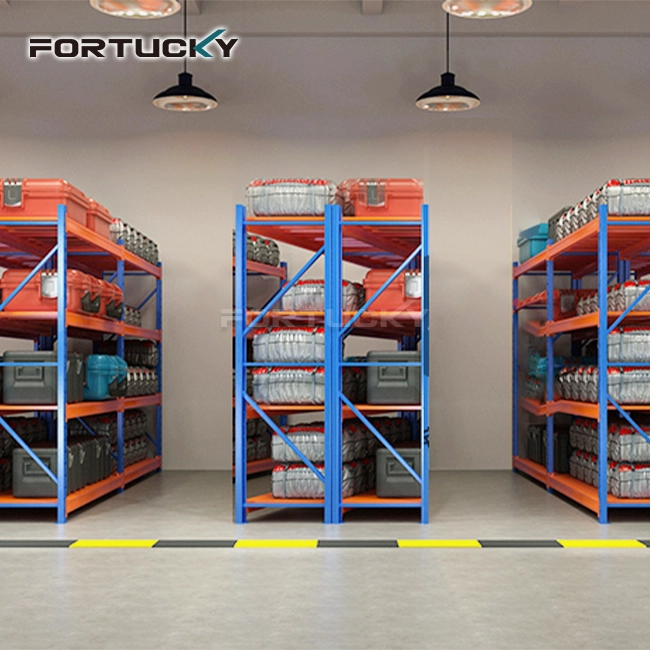
Drive-in storage racks differ significantly from traditional warehouse storage methods. Unlike selective pallet racks, which have separate aisles for each pallet position, these systems eliminate multiple aisles by creating continuous storage lanes. Forklifts drive directly into the structure along parallel horizontal rails that support pallets at various heights. Depending on load requirements and space constraints, forklifts can stack goods from floor level up to 15 meters high.
The structural design includes several key components that work together. Steel uprights support the main vertical loads and connect to horizontal beams that form each pallet position. Guide rails along lane entrances protect structural elements from forklift damage while directing equipment safely through storage channels. Back braces and top-bottom tie rods stabilize the entire framework, preventing lateral movement and ensuring structural integrity even under heavy loads. This integrated frame design creates a robust system capable of supporting substantial weight over deep storage depths.
Key Advantages of High-Density Storage Systems
These racking solutions address several persistent warehouse challenges and offer both operational and environmental benefits. Space utilization reaches approximately 80% of total floor area, representing a 30% improvement over standard selective systems. This density advantage allows businesses to maximize existing space without costly expansions.
Standard options cannot match this storage capacity per unit area. By eliminating individual access aisles between rows, warehouse managers can fit significantly more pallets into the same footprint. This density is especially valuable in cold storage environments, where cooling costs are directly tied to the volume of conditioned space.
Investment costs across high-density storage options remain relatively consistent. The total cost per pallet position is typically among the lowest available, making these systems an economical choice for high-volume storage needs. The heavy-duty frame construction ensures long-term durability, withstanding harsh industrial conditions while maintaining structural reliability for decades.
Drive-In vs. Drive-Through: Understanding Configuration Differences
Two primary configurations address different operational needs. Drive-in systems have a single entry point, making them true last-in, first-out storage systems. The most recently loaded pallets are positioned closest to the aisle opening, so they must be removed before deeper inventory can be accessed. This setup works well for facilities handling uniform goods that move in batches, such as seasonal merchandise or manufacturing components with regular turnover cycles.
Drive-through configurations provide access at both ends of the storage lanes, enabling first-in, first-out inventory management. This design suits operations requiring more frequent product rotation, such as food, pharmaceutical, or other time-sensitive goods. The dual-access design requires additional aisle space on both sides but offers greater flexibility for inventory that must move quickly.
Criteria for Choosing the Right Drive-In Storage Rack System
Evaluating Warehouse-Specific Operational Factors
Selecting the right drive-in storage racks requires careful analysis of several interconnected factors. SKU variety is the most important consideration. Facilities handling many different products typically gain less from drive-in setups than those managing large quantities of uniform items. Inventory turnover patterns also affect suitability, as low-turnover or batch-released goods naturally align with LIFO access limitations.
The operating environment significantly influences material specifications and system design. Cold storage and freezer applications require special coatings and structural reinforcements to maintain performance at sub-zero temperatures. Facilities in pharmaceutical, automotive, or electronics manufacturing may need to comply with additional regulations that affect rack approval and safety features. Understanding these operational conditions helps guide appropriate specifications.
Storage Density, Load Capacity, and Safety Compliance
Three main technical factors determine how well and whether a system will work for a given purpose. Storage density estimates find the best locations for pallets based on the number of aisles needed, the ease of movement for forklifts, and the limitations of the building, such as drive in storage racks. The height of the warehouse roof directly affects the amount of vertical storage that can be done. Multi-level setups work best in facilities with clearances between 8 and 15 meters.
Load capacity specifications must account for both individual pallet weights and total lane loads. Heavy-duty applications such as steel distribution, automotive parts storage, or construction material warehousing require robust structural engineering with adequate safety margins. Standard designs handle typical pallet loads, while heavy-duty models can be customized for industries working with metals, batteries, and industrial equipment.
Following established safety standards protects both personnel and property. Reputable manufacturers produce systems that comply with Rack Manufacturers Institute (RMI) guidelines, OSHA regulations, and applicable European standards. Compliance documentation gives procurement professionals confidence in the structural integrity and regulatory adherence of the system.
Integration with Warehouse Management and Automation Systems
Modern warehouses increasingly use digital systems to coordinate inventory, equipment, and processes. Long-term operational productivity depends on how well racking integrates with warehouse management systems (WMS), warehouse control systems (WCS), and material handling equipment. The rack configuration should work with existing technology and accommodate future automation upgrades.
Facilities aiming to adopt Industry 4.0 practices benefit from racking providers with experience in systematic implementation. Layouts, beam heights, and configurations can be adjusted to meet changing operational needs without complete infrastructure overhauls. This flexibility preserves capital investment while enabling continuous process improvement.
Comparing Drive-In Storage Racks with Alternative Storage Solutions
Trade-offs Between Density and Accessibility
There are pros and cons to both density and accessibility. Every storage system has to make choices between goals that are at odds with each other. Drive in pallet racking makes the best use of the room, but makes it harder to get to specific pallets directly. You can get to every spot right away with selective pallet racks, but they take up a lot more floor space because they have dedicated aisles. While pushback systems are more expensive per spot, they offer a middle ground option with a moderate density and better accessibility compared to drive-in designs.
Understanding these trade-offs helps procurement teams better align storage infrastructure with business objectives. Manufacturing facilities sending steady component volumes to production lines often prioritize density and cost-effectiveness over individual access. Distribution centers handling diverse SKUs for retail delivery typically need the random access capabilities of selective systems.
Specialized Considerations for Demanding Environments
Certain industries face unique challenges that require specialized system features. Cold storage and frozen food applications need coatings and materials that withstand low temperatures without degradation or embrittlement. Manufacturers serving these industries use specialized finishing processes and select steel grades that maintain performance across all temperature ranges.
Heavy-duty industrial uses such as steel distribution, automotive manufacturing, and construction material storage require enhanced structural engineering. Reinforced uprights, higher-capacity beams, and robust connection hardware safely handle extreme loads. These requirements increase costs slightly but are essential for safety and operational efficiency in demanding environments.
 Safety, Installation, and Maintenance Guidelines for Drive-In Storage Racks
Critical Safety Standards and Best Practices
Warehouse safety begins with proper specification and design of drive-in pallet racking and storage racks. Correctly installed guide rails protect structural components from forklift impacts, the primary cause of rack damage and failure. Rail placement should account for forklift dimensions and operator sight lines to provide effective guidance without impeding maneuverability.
Aisle width calculations must consider forklift turning radius, load size, and operator visibility requirements. Insufficient clearance increases collision risks, potentially damaging structures and endangering personnel. Professional design services thoroughly evaluate these factors and develop plans that balance safe operating parameters with density optimization.
Professional Installation and Ongoing Maintenance Protocols
Regular inspection programs identify issues before they lead to failures. Visual checks should document column straightness, beam alignment, connection integrity, and surface condition. Some operations may require more frequent evaluations, particularly those running multiple shifts or handling very heavy loads.
Proper installation of complex rack systems requires expertise to ensure safety and structural soundness. Professional installers understand load distribution, connection torque specifications, and verticality tolerances critical to long-term performance. Larger companies may have their own installation teams, but many smaller businesses benefit from manufacturer-provided services that guarantee proper assembly and documentation.
Maintenance procedures preserve safety margins while extending equipment life. Damaged components need immediate repair or replacement, as weakened structural elements can cause cascading failures under load. Establishing clear damage reporting protocols encourages operators to report issues promptly so problems can be addressed before worsening.
Documentation practices help with both safety and keeping operations running smoothly, including for last-in-first-out (LIFO) storage racks. Keeping records of installations, inspections, and changes shows that you are following the rules and can be used as useful guides in the future. This organized method strengthens the company's dedication to keeping workers safe and keeps valuable assets safe.
Conclusion
Selecting the right drive-in storage racks for a warehouse involves balancing technical, operational, and financial factors. These high-density solutions maximize space utilization and deliver significant cost savings when handling large volumes of uniform goods, particularly in cold storage, food processing, automotive manufacturing, and heavy industrial settings. A thorough analysis of SKU characteristics, turnover patterns, load requirements, and environmental conditions is the first step toward successful implementation. Prioritizing safety compliance, professional installation, and supplier expertise over initial pricing ensures long-term operational success and investment protection.
FAQ
1. How do drive-in racks improve warehouse efficiency compared to selective systems?
These configurations eliminate individual access aisles between storage rows, providing approximately 30% more usable space compared to selective alternatives. The continuous lane design concentrates pallets within a smaller footprint, reducing required building size and associated costs. The LIFO access pattern works best for operations handling large volumes of uniform products, as it naturally aligns with batch inventory movements common in industrial supply chains and seasonal product storage. Drive-in storage racks maximize both density and efficiency.
2. Are these systems suitable for temperature-controlled environments?
Yes, configurations specifically designed for cold storage and freezer applications perform effectively in very low temperatures. Manufacturers use protective coatings and steel grades that maintain strength across wide temperature ranges without becoming brittle. Space efficiency is particularly valuable in refrigerated facilities, where construction and operating costs are closely tied to conditioned volume, making density optimization economically advantageous.
3. What safety features should procurement teams prioritize?
Key safety features include guide rail systems that protect structural beams from forklift damage. Adequate aisle widths that accommodate equipment dimensions and operator visibility help prevent accidents and operational risks. Compliance with established design standards, such as RMI guidelines and OSHA regulations, ensures structural adequacy. Regular inspections that detect damage early and professional installation services that ensure correct assembly significantly reduce the risk of harm.
Partner with Fortucky for Your High-Density Storage Solutions
To get the most out of your warehouse, you need more than just good tools. You also need partners with a lot of experience who understand how to work in difficult settings. Fortucky, a major producer of drive-in storage racks, has worked with more than 1,000 top companies in the automobile, electronics, cold chain logistics, and heavy manufacturing industries. Our engineering team creates unique systems that can reach heights of up to 15 meters and have load capacities that are exactly what you need. These systems are then thoroughly tested in our state-of-the-art production facilities.
Our yearly production capacity of 150,000 tons guarantees stable delivery schedules that support your project timelines. Our localized service network, which spans Asia, Europe, and the Americas, provides quick support throughout the lifecycle of systems. Whether you need standard configurations or custom solutions for tough environments, our technical consulting services can help you find the best specs that fit your budget and business workflows. Contact our team at sales@fortuckyrobot.com to talk about how to improve the efficiency of your warehouse and get specific plans that show how our high-density racking solutions can help you use space more effectively, run your business more efficiently, and get a better return on your investment.
References
1. Material Handling Industry of America. "Storage Systems Design and Safety Standards Manual." Rack Manufacturers Institute, 2022.
2. Richards, Gwynne. "Warehouse Management: A Complete Guide to Improving Efficiency and Minimizing Costs in the Modern Warehouse." Kogan Page Publishers, 2021.
3. Tompkins, James A., and Jerry D. Smith. "The Warehouse Management Handbook." Tompkins Press, 2020.
4. International Journal of Production Research. "Comparative Analysis of High-Density Storage Systems in Modern Distribution Centers." Taylor & Francis, 2023.
5. Occupational Safety and Health Administration. "Guidelines for Warehouse Storage Rack Safety and Compliance." U.S. Department of Labor, 2022.
6. European Federation of Materials Handling. "Standards for Pallet Racking Systems: Design, Installation, and Maintenance Protocols." FEM Section X, 2021.
Learn about our latest products and discounts through SMS or email