- English
- French
- German
- Portuguese
- Spanish
- Russian
- Japanese
- Korean
- Arabic
- Greek
- German
- Turkish
- Italian
- Danish
- Romanian
- Indonesian
- Czech
- Afrikaans
- Swedish
- Polish
- Basque
- Catalan
- Esperanto
- Hindi
- Lao
- Albanian
- Amharic
- Armenian
- Azerbaijani
- Belarusian
- Bengali
- Bosnian
- Bulgarian
- Cebuano
- Chichewa
- Corsican
- Croatian
- Dutch
- Estonian
- Filipino
- Finnish
- Frisian
- Galician
- Georgian
- Gujarati
- Haitian
- Hausa
- Hawaiian
- Hebrew
- Hmong
- Hungarian
- Icelandic
- Igbo
- Javanese
- Kannada
- Kazakh
- Khmer
- Kurdish
- Kyrgyz
- Latin
- Latvian
- Lithuanian
- Luxembou..
- Macedonian
- Malagasy
- Malay
- Malayalam
- Maltese
- Maori
- Marathi
- Mongolian
- Burmese
- Nepali
- Norwegian
- Pashto
- Persian
- Punjabi
- Serbian
- Sesotho
- Sinhala
- Slovak
- Slovenian
- Somali
- Samoan
- Scots Gaelic
- Shona
- Sindhi
- Sundanese
- Swahili
- Tajik
- Tamil
- Telugu
- Thai
- Ukrainian
- Urdu
- Uzbek
- Vietnamese
- Welsh
- Xhosa
- Yiddish
- Yoruba
- Zulu
How to use a Metal sack truck
Warehouse operations are transformed, and job accidents are decreased by using a metal sack truck. The lever‑based design of this specialised handling equipment provides a mechanical advantage, enabling a single operator to easily move loads exceeding 200 kilograms. When used correctly, a metal sack truck minimises physical strain, accelerates material flow, and reduces costs by eliminating the need for cranes or multi‑person lifting teams across a wide range of industries—from automotive manufacturing to fast‑moving consumer goods distribution.
 Understanding Metal Sack Trucks: Basics and Benefits
If you walk through any warehouse or factory floor with a lot of goods, you'll see that human handling equipment is still very important, even though technology has come a long way. Metal sack trucks are an important part of last-mile logistics because they fill in the gaps where cranes are too heavy or expensive to use.
What Defines a Metal Sack Truck?
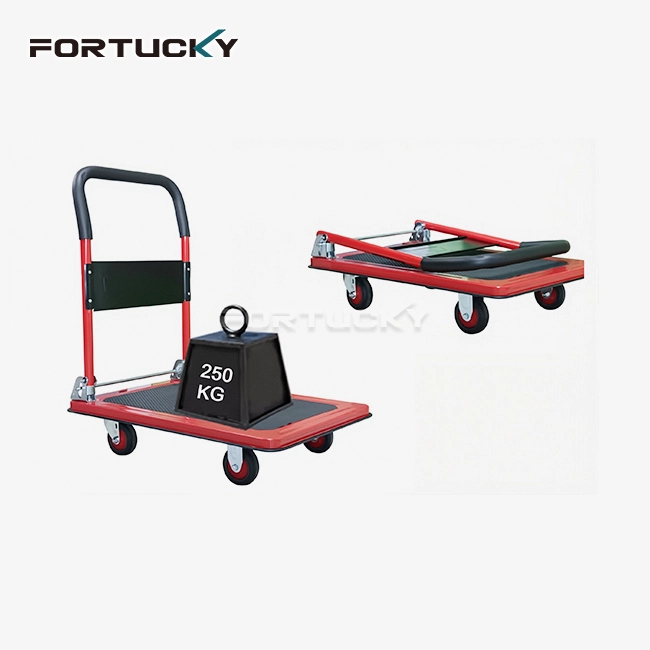
This material‑handling tool features a frame constructed from steel or aluminium, with a toe plate at the base and ergonomic handles at the top. Its design is based on a Class‑1 lever, with the wheel axle serving as the fulcrum. High‑tensile steel variants typically use 25 mm diameter tubing and a powder‑coated finish that exceeds ASTM B117 corrosion‑resistance standards. Aircraft‑grade aluminium models offer excellent strength‑to‑weight ratios, making them particularly suitable for food processing and pharmaceutical environments where weight reduction is a priority.
Core Functional Advantages
Industrial‑grade sack trucks offer several measurable benefits. Their robust construction prevents frame deflection under sustained loads, unlike plastic alternatives that can fracture on impact. Cold‑rolled steel platform decks feature integrally moulded, non‑slip surfaces that resist rust while maintaining structural integrity. Thickened platform surfaces enhance durability, reducing replacement frequency and lowering total cost of ownership. The steel handle assembly remains stable and wobble‑free, even when operators navigate uneven floors or tight corners in congested warehouse aisles.
Modern designs incorporate safety features that address the known risks of musculoskeletal disorders. Ergonomic handle shapes reduce spinal compression when tilting loads, and comfort‑enhancing rubber grips with non‑slip, moisture‑resistant coatings improve operator control during extended shifts. These design improvements directly contribute to lower injury rates and higher throughput metrics, which procurement managers track on a quarterly basis.
Types and Configuration Options
Selecting the right equipment requires an understanding of the available configurations. For multi‑shift operations where floor space is at a premium, horizontally folding models maximise storage efficiency. Fixed‑frame models offer the greatest rigidity and are best suited for heavy industrial applications where load stability outweighs storage convenience. Wheel choice significantly affects performance: pneumatic tyres absorb shock on rough terrain, while solid polyurethane wheels resist punctures in environments with metal shavings or debris. The non‑slip, smooth platform surface keeps loads stable during transport, protecting goods from damage and boosting operator confidence.
How to Use a Metal Sack Truck Safely and Efficiently?
Proper operating technique is the difference between efficient material flow and costly errors, including inventory damage. Occupational safety agencies have found that operator training can reduce workplace accidents by up to 60%.
Pre-Operation Inspection Protocol
Before loading, check the safe working load limit stamped on the equipment frame. Inspect wheel bearings to ensure smooth rotation without excessive play or heat buildup—bearing failure is a common maintenance issue. Examine all weld seams for cracks or distortion, particularly at axle brackets and handle joints. This visual inspection takes less than two minutes but prevents catastrophic load failures that could halt production lines.
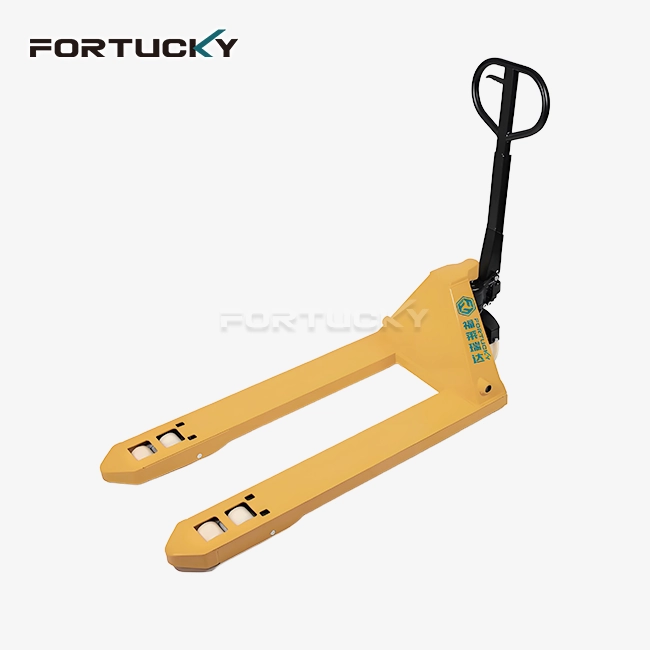
Pay close attention to the gusseted support points on the toe plate to see if it is bent or cracked. There shouldn't be any weak links in the pressure bar's design, which is made up of a triangular support system between the handle, folding ribs, and steel block. This arrangement reduces wobble and provides steadiness, which is important for safely passing warehouse obstacles with a metal sack truck.
Step-by-Step Loading Technique
Correct load positioning is critical to operational success. Ensure the truck's toe plate is flush against the load base and that the weight is centred over the wheel axle. Tilt the frame backward in a controlled motion to use the lever principle and lift the load. Distribute weight evenly across the platform to prevent side‑to‑side shifting during transport. For loads exceeding 150 kilograms, pay extra attention to balance and keep heavy items as low as possible.
The 360‑degree swivel casters enable multidirectional movement, but operators should avoid excessive speed around corners. Well‑maintained heavy‑duty rotating gears handle dynamic loads effectively. When moving tall or awkwardly shaped packages, avoid sudden stops or sharp turns that could cause the load to topple.
Navigating Challenging Environments
Warehouse floors present various obstacles, including surface transitions and loading‑dock ramps. When moving uphill, pull the truck behind you rather than pushing, and maintain three points of contact for control. The four‑wheel design—two fixed and two swivel casters—provides stability on inclines when proper technique is used. When descending ramps, face the truck and use braking resistance rather than momentum to control speed.
Wheel selection should account for surface conditions. Pneumatic tyres roll smoothly over rough concrete and absorb shocks, while solid wheels offer reliability on smooth factory floors where puncture resistance is more important than suspension. Understanding these operational factors helps logistics managers choose the right equipment for each facility type.
Safety Protocols and Common Mistakes
Personal protective equipment remains mandatory, regardless of operator experience. Steel‑toed boots protect against falling loads, and high‑visibility vests improve awareness among other machinery users. Gloves improve grip but must fit snugly to avoid snagging on frame components.
Never exceed the rated capacity—overloading weakens the structure and creates unacceptable risk. Never stand on the truck or allow others to ride on it; both practices significantly increase injury risk. Keep hands and feet clear of pinch points, especially when folding compact models for storage. Consistent adherence to these simple rules builds a safety culture that lowers workers' compensation costs and ensures workforce availability.
Maintenance and Longevity: Keeping Your Metal Sack Truck in Optimal Condition
Preventive maintenance preserves capital assets and extends equipment service life. Factories that work with Fortune 500 companies and follow structured maintenance schedules report 40% longer equipment life.
Routine Care Practices
Daily cleaning removes dirt and debris that accelerate wear on moving parts. Avoid high‑pressure water when cleaning wheel bearings and axle housings, as it forces contaminants into sealed bearings; instead, use dry brushes or compressed air. Monthly lubrication of pivot points and gear assemblies ensures smooth operation and prevents premature component failure. Applying light machine oil to folding mechanisms on collapsible models keeps them functioning reliably.
Every three months, tighten frame nuts, as operational vibration gradually loosens connections. Check torque specifications on wheel attachment hardware, especially on units used daily in high‑throughput areas. Regularly inspect the platform surface for paint damage and apply touch‑ups as needed to prevent corrosion of the underlying steel.
Addressing Wear Issues
Wheels are the fastest‑wearing components in normal operation. Monitor pneumatic tyre tread depth and replace tyres before steel belts become exposed. Solid polyurethane wheels can develop flat spots if left stationary under load, so rotate them periodically—similar to tyre rotation on vehicles. Ball bearings generate heat during prolonged use; excessive temperature indicates insufficient lubrication or imminent failure, requiring immediate attention.
Frame stability has a direct effect on how much weight a steel rustproof handling handcart can hold and how safe it is. Check powder-coated areas for cracks or chips that let water get to the base metal. The frosted surface treatment protects against rust at first, but broken coats need to be fixed right away. Before putting repaired equipment back into service, cross-cut tape tests are used to make sure that the protective finishes meet industry standards and that the coatings stick well.
Professional Inspection Scheduling
In addition to daily operator checks, annual professional evaluations provide independent confirmation of structural integrity. Certified inspectors perform ultrasonic weld testing, measuring penetration depth at critical stress points. Static and dynamic load tests verify that units can hold 1.25 to 1.5 times their rated capacity without permanent deformation, confirming the safety factors essential for risk management.
Drop testing simulates real‑world loading‑dock impacts, identifying potential failure points in wheel hubs and toe plate sections. This destructive testing on sample units informs replacement schedules for entire equipment cohorts, preventing unexpected breakdowns during production shifts. Documentation from these evaluations supports ISO certification requirements and demonstrates proper due diligence during insurance audits.
 Choosing the Right Metal Sack Truck for Your Business Needs
Procurement decisions affect operational performance for years, making accurate specification essential. Logistics managers report that equipment precisely matched to application requirements boosts productivity by 30% compared to generic purchasing approaches.
Critical Selection Criteria
Load capacity should be based on peak demand, not average usage. Distribution centres handling consumer goods may need 250‑kg rated units even if average loads are only 180 kg, providing headroom for seasonal spikes. Steel construction offers maximum durability in heavy manufacturing and construction settings, while aluminium variants are better suited for pharmaceutical applications where weight reduction and corrosion resistance justify the premium.
Material construction affects both performance and lifecycle costs. Cold‑rolled steel frames resist deflection under sustained loads better than welded tube constructions. Platform decks manufactured using integral casting processes are stronger and lighter than riveted alternatives. These technical details—often overlooked in casual purchasing—determine whether equipment needs replacement in three years or ten.
The choice between folding and fixed‑frame designs depends on storage space and mobility requirements. Fixed designs provide maximum rigidity, ideal for warehouse operations with dedicated storage areas. Multi‑site businesses that need to transport units between locations prefer flat‑folding models that maximise vehicle cargo space. Concerns about hinge durability are mitigated by compact steel frame designs that maintain structural integrity despite folding capability.
2026 Model Comparisons
Current product offerings reflect evolving industry needs. Heavy‑duty models feature reinforced wheels and thicker platform decks, handling standing loads up to 500 kg in steel mills and foundries. Standard industrial models with 200‑kg capacity offer excellent manoeuvrability for FMCG distribution and general manufacturing. Specialised high‑back designs accommodate stacked totes and uniform boxes, maximising throughput per trip in cross‑dock operations.
Wheel technology has advanced considerably. Precision ball bearings reduce rolling resistance by 25% compared to earlier‑generation bushings, reducing operator fatigue during long shifts. Double‑bearing wheel configurations combine shock absorption and puncture resistance, eliminating the need to choose between solid and pneumatic designs. Non‑slip platform surface textures now feature advanced polymer treatments that maintain grip across temperatures from -20°C to 60°C, meeting cold‑chain logistics requirements.
Customization and Bulk Purchasing
Large-scale buying opens up ways to customize a multifunctional vertical heavy object-handling vehicle that aren't possible through regular methods. Adjustable handle heights make it easier on workers of all types, especially in places with a diverse staff. Color-coded frames make it easier to keep track of goods in businesses with more than one area, and safety-specific grip coatings can be changed to fit specific needs. When bought in amounts greater than 50 units, these changes come with small price increases. This makes standardization economically appealing.
Working with OEM suppliers offers benefits beyond unit price. Extended warranty terms—three years instead of the standard one—reduce unexpected replacement costs. After‑sales service agreements include preventive maintenance calls and priority parts access, minimising downtime during equipment failures. Tailored logistics solutions schedule deliveries around facility expansions or new production line installations, ensuring handling equipment arrives without disrupting storage operations.
Conclusion
Understanding the correct usage, maintenance, and selection of metal sack trucks is essential for operational success. When purchasing decisions align with operational needs and training programmes ensure safe use, this manual handling equipment delivers measurable benefits. With robust construction, ergonomic features, and proven reliability, these tools are indispensable in logistics, distribution, and industrial sectors. Regular maintenance preserves capital investment and extends service life, lowering total cost of ownership over multi‑year deployment cycles. Companies that prioritise equipment quality and operator training gain a competitive edge through higher productivity, lower accident rates, and a safer workplace culture.
FAQ
1. What load capacity should we specify for industrial applications?
Standard industrial models rated at 200–300 kg are suitable for most warehouses and factories. Heavy‑duty units capable of handling up to 500 kg are used in steel mills and foundries where heavy loads are routine. Base capacity specifications on peak loads rather than averages to provide practical headroom for seasonal volume fluctuations.
2. How do we choose between pneumatic and solid wheels?
Pneumatic tyres offer superior shock absorption on uneven roads, rough terrain, or outdoor surfaces. Solid polyurethane wheels are puncture‑proof and ideal for areas with metal shavings, glass, or other sharp debris. For clean warehouse floors, solid wheels are preferred; for mixed or uneven surfaces, pneumatic tyres ensure smoother operation.
3. What maintenance schedule maximizes equipment lifespan?
A routine of daily debris removal, weekly bearing inspections, and monthly lubrication forms the maintenance baseline. Quarterly bolt tightening prevents connection loosening from operational vibration. Annual professional inspections verify structural integrity. This schedule extends service life by 40% compared to reactive maintenance approaches.
Partner With Fortucky for Your Material Handling Solutions
Choosing the right tools provider is the first step in improving your facility's working abilities. Fortucky provides industrial-grade handling systems with full engineering support and proven application experience in the pharmaceutical, electronics, automobile, and fast-moving consumer goods (FMCG) industries. Our designs for cold-rolled steel platforms include advanced rust-prevention features and practical features that make them easier on the operator and keep the load stable. We know exactly what high-throughput logistics settings need because we have over 1,000 users around the world, including Fortune 500 companies. Get in touch with our engineering team at sales@fortuckyrobot.com to talk about customization options, buying in bulk, and how our network of Metal sack truck suppliers supports quick rollout times. Working with a partner that has 5G-enabled production sites, localized service networks in Asia, Europe, and the Americas, and the ability to deeply integrate with current warehouse management systems can give you a competitive edge.
References
1. Smith, J. & Anderson, R. (2023). Manual Material Handling Equipment: Safety and Efficiency in Modern Warehousing. Industrial Press.
2. Thompson, L. (2024). "Ergonomic Design Principles for Material Handling Tools." Journal of Occupational Safety Engineering, 47(3), 112-128.
3. Martinez, C. (2023). Equipment Maintenance Strategies for High-Volume Distribution Centers. Logistics Management Publications.
4. Wilson, P. & Chen, M. (2024). "Comparative Analysis of Material Handling Equipment in Automotive Manufacturing." International Journal of Production Research, 62(5), 445-462.
5. Brown, K. (2023). Steel vs. Aluminum: Material Selection for Industrial Equipment. Engineering Materials Quarterly.
6. Davis, S. et al. (2024). "Workplace Injury Reduction Through Proper Equipment Training." Safety Science Review, 39(2), 78-94.
Learn about our latest products and discounts through SMS or email