- English
- French
- German
- Portuguese
- Spanish
- Russian
- Japanese
- Korean
- Arabic
- Greek
- German
- Turkish
- Italian
- Danish
- Romanian
- Indonesian
- Czech
- Afrikaans
- Swedish
- Polish
- Basque
- Catalan
- Esperanto
- Hindi
- Lao
- Albanian
- Amharic
- Armenian
- Azerbaijani
- Belarusian
- Bengali
- Bosnian
- Bulgarian
- Cebuano
- Chichewa
- Corsican
- Croatian
- Dutch
- Estonian
- Filipino
- Finnish
- Frisian
- Galician
- Georgian
- Gujarati
- Haitian
- Hausa
- Hawaiian
- Hebrew
- Hmong
- Hungarian
- Icelandic
- Igbo
- Javanese
- Kannada
- Kazakh
- Khmer
- Kurdish
- Kyrgyz
- Latin
- Latvian
- Lithuanian
- Luxembou..
- Macedonian
- Malagasy
- Malay
- Malayalam
- Maltese
- Maori
- Marathi
- Mongolian
- Burmese
- Nepali
- Norwegian
- Pashto
- Persian
- Punjabi
- Serbian
- Sesotho
- Sinhala
- Slovak
- Slovenian
- Somali
- Samoan
- Scots Gaelic
- Shona
- Sindhi
- Sundanese
- Swahili
- Tajik
- Tamil
- Telugu
- Thai
- Ukrainian
- Urdu
- Uzbek
- Vietnamese
- Welsh
- Xhosa
- Yiddish
- Yoruba
- Zulu
The Benefits of Using A Foldable platform hand truck trolley in Your Warehouse
Using a foldable platform hand truck trolley can transform warehouse operations by helping shipping managers tackle everyday space constraints and material‑movement challenges. These compact, versatile tools deliver immediate practical benefits—improved storage efficiency and reduced worker fatigue—while also supporting cost‑effective workflows. For procurement professionals evaluating material‑handling options, understanding how these carts boost productivity, protect goods, and integrate with existing systems is essential for justifying investments and achieving measurable returns.
 Introduction
Modern warehouses depend on equipment that is both effective and adaptable. Foldable platform hand truck trolleys have become indispensable in contemporary shipping operations because of their versatility in addressing the pressing needs of material movement and space optimisation. Their clever collapsible design directly tackles critical spatial issues while enhancing operational efficiency across a wide range of workplace settings.
Procurement specialists in production‑ and logistics‑intensive industries recognise that choosing the right equipment has a direct impact on the bottom line. Understanding the key advantages of these trolleys—portability, load capacity, and ergonomic design—is vital for improving workplace processes and making informed, cost‑effective purchasing decisions. Their strategic value goes beyond mere transportation; these tools represent the intersection of sound engineering and operational insight.
This article explores why investing in foldable platform hand truck trolleys aligns with modern business needs and procurement best practices. We examine technical specifications, operational benefits, selection criteria, and real‑world examples that demonstrate a clear return on investment.
Understanding Foldable Platform Hand Truck Trolleys and Their Key Features
Core Construction and Material Engineering
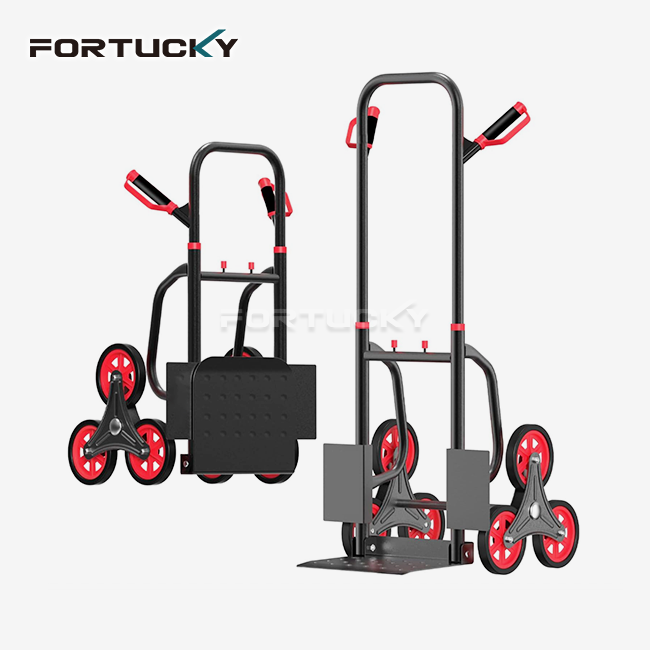
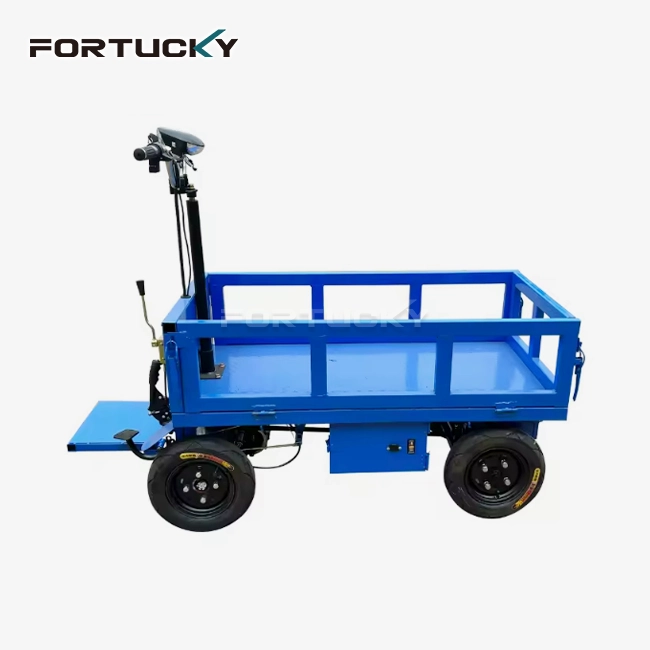
Foldable platform hand truck trolleys are built from durable materials and intelligent designs to deliver reliable performance in a compact form. The basic structure comprises a flat platform for secure load placement, wheels that ensure smooth mobility even under full loads, and a handle assembly that folds down when not in use. Typically, the handle and platform are connected by a hinge that allows the handle to fold flat against the platform, significantly reducing the unit's storage footprint.
Frame construction often employs high‑strength steel tubing or aluminium alloys, offering excellent strength‑to‑weight ratios. Premium models feature powder‑coated steel frames that resist corrosion and maintain structural integrity in demanding environments. Platform materials vary by application: high‑impact injection‑moulded polyethylene with ribbed supports provides excellent shock absorption for general use, while anodised aluminium decking offers maximum rigidity for heavy industrial tasks. Many designs incorporate thick wooden bases that balance durability with cost‑effectiveness.
Technical Specifications and Performance Parameters
Professional‑grade folding platform carts are engineered to optimise rolling resistance and load distribution. Wheel configurations typically include four heavy‑duty casters, two swivel and two fixed, each with precision ball bearings that ensure low starting torque even at maximum load. Wheel materials are selected based on required Shore A hardness and operating environment: thermoplastic rubber casters are quiet and non‑marking, making them ideal for finished indoor floors, whereas polyurethane wheels offer higher load ratings and abrasion resistance, suited to high‑traffic industrial settings.
The folding mechanism itself is a critical technical feature. Heavy‑duty foot pedals or hand‑squeeze release bars actuate steel spring‑loaded joints, tested for over 50,000 cycles to guarantee long‑term durability. Quality‑control procedures aligned with ISO and local safety standards include thorough structural testing. Static load tests apply twice the rated capacity evenly across the deck for 24 hours to measure deflection, which must remain within 0.5% of allowable limits. Dynamic fatigue testing involves running fully loaded carts over obstacle courses more than 5,000 times to verify the integrity of weld points and casters.
Safety Features and Ergonomic Advantages
Professional-grade foldable platform hand truck trolley differ from consumer models in ways that directly enhance safety. Rubberised PVC edge guards protect both the cart and the goods being transported from scratches and impact damage. Non‑slip platform surfaces keep loads stable during transit, particularly on slopes or uneven terrain. Some models include braking systems that provide additional security during loading or unloading when the trolley is stationary.
Ergonomics plays a vital role in reducing worker fatigue and injury risk. Handle heights are designed to keep operators in a neutral posture, minimising back strain during pushing and pulling. Precision bearings and lightweight metal construction reduce the force required to start and maintain movement. These physical benefits translate directly into fewer workplace injuries and higher productivity among staff who operate the equipment for extended periods.
The Operational Benefits of Foldable Platform Hand Truck Trolleys in Warehouses
Space Optimization and Storage Efficiency
In warehouse settings, the primary operational advantage of foldable platform hand truck trolleys is their ability to improve space utilisation. The foldable design directly addresses one of logistics' biggest challenges: managing floor space. When not in use, these trolleys collapse to a fraction of their deployed size, allowing easy storage in tight spots—under workbenches, against walls, or even in vehicle trunks. This feature is especially valuable in facilities where floor space is at a premium or where mobile workers need tools that can be transported easily between locations.
For large distribution companies managing dozens or hundreds of handling units, the cumulative space savings are substantial. Traditional rigid carts and dollies occupy the same footprint whether in use or stored, leading to cluttered staging areas and obstructed workflows. The foldable design enables centralised storage systems that keep tools organised and accessible without encroaching on operational zones. Warehouse managers report that using foldable trolleys frees up additional space for storage or goods handling, directly improving facility throughput metrics.
Versatility Across Diverse Applications
Platform trolleys offer remarkable flexibility across a vast range of material‑movement scenarios. Urban couriers and delivery services use them to streamline last‑mile logistics, allowing drivers to handle bulky packages efficiently in residential areas. The collapsible design enables delivery vehicles to maximise cargo capacity, while large‑diameter wheels ease navigation over kerbs and uneven surfaces. Hotels, restaurants, and retail stores employ specialised "silent series" models with precision thermoplastic rubber casters to move produce boxes and cleaning supplies through customer‑facing areas during business hours without disruptive noise.
Manufacturing plants benefit from the trolleys' ability to transport components ranging from lightweight electronic assemblies to heavy steel parts. Load capacities typically span 150 to 600 kilograms, depending on the model, accommodating diverse material types. Pharmaceutical and chemical production environments often require stainless‑steel models for sanitation reasons, while cold‑chain operations need corrosion‑resistant coatings that perform reliably at low temperatures. This versatility reduces the need for multiple specialised handling solutions, simplifying procurement and maintenance.
Durability and Lifecycle Value
Lifecycle value encompasses more than initial purchase price—it includes longevity, maintenance requirements, and operational uptime. These trolleys are constructed from high‑quality, industrial‑grade materials designed to provide years of reliable service. Routine maintenance, such as lubricating bearings and inspecting casters, keeps operations running smoothly. Procurement leaders who evaluate total cost of ownership recognise that durable, low‑maintenance equipment delivers superior ROI compared to cheaper alternatives that require frequent replacement.
The strong construction of the multifunctional folding flatbed cart also protects the goods being moved. Platform stability prevents load shifting during transit, reducing product loss from drops or accidents. Rubberised edge protection safeguards fragile packaging and finished goods from impact damage—especially critical when handling consumer electronics, pharmaceuticals, or high‑value manufactured items where even minor cosmetic damage can erode value.
 Choosing the Right Foldable Platform Hand Truck Trolley for Your Business
Load Capacity and Dimensional Considerations
Selecting the optimal material‑handling equipment requires careful analysis of facility‑specific operational factors. Load capacity is the most critical parameter, typically ranging from 150 to 600 kilograms. Procurement managers must evaluate both peak load requirements and typical usage patterns. Facilities handling mostly lightweight packages may prioritise portability and compact storage over maximum capacity, whereas heavy industrial environments demand robust construction capable of safely moving heavy components.
Platform dimensions directly affect usability across different material types. Standard sizes range from compact 600mm x 400mm decks suitable for parcel handling to large 900mm x 600mm decks that accommodate palletised loads or oversized parts. The platform area must be large enough to support the dimensions of typical loads while maintaining stability during transit. Procurement teams should compile a list of daily material dimensions to ensure that selected equipment provides sufficient surface area without being oversized, which would hinder manoeuvrability in narrow aisles.
Wheel Types and Mobility Characteristics
Wheel selection significantly influences performance and operational suitability. Caster diameter affects obstacle‑clearance capability—larger wheels roll more easily over debris, expansion joints, and grade changes than smaller ones. Wheel material determines load capacity, rolling resistance, noise level, and floor‑marking properties. Facilities with smooth concrete or tiled floors generally require non‑marking thermoplastic rubber wheels to preserve floor finishes, while polyurethane offers greater durability for outdoor use or rough industrial floors.
The combination of swivel and fixed casters affects manoeuvrability in tight spaces. Most models feature two swivel front wheels for steering and two fixed rear wheels for directional stability. Some specialised designs use all‑swivel casters for maximum agility in confined areas, though these can be more challenging for less experienced operators to control. Wheel brakes provide added safety when loading on inclines—an important consideration for multi‑level facilities or loading docks.
Supplier Evaluation and Procurement Considerations
Cost considerations extend beyond the purchase price to include warranty coverage, after‑sales support availability, and supplier reliability—factors that are especially critical for large‑scale procurement initiatives. Building relationships with manufacturers capable of supporting multi‑location operations ensures consistent equipment availability and responsive technical assistance. Suppliers with a strong track record and extensive customer base in the transportation and manufacturing sectors offer the dependability required for mission‑critical material‑handling tasks.
Looking at the guarantee terms shows that the company that made the product is confident in its quality. Long-lasting construction and lower total cost of ownership are shown by guarantees that cover structural parts, folding systems, and wheel assemblies for more than one year of folding platform carts with brake wheels. When equipment problems threaten to stop operations, it's important to have after-sales support options like new parts, expert advice, and quick customer service. Professionals in procurement should check with suppliers to make sure they can handle large orders, offer customization options, and offer shipping times that work with the plans for implementing the project.
Conclusion
Foldable platform hand truck trolleys offer compelling value propositions for warehouse operations across diverse industry sectors. Their space‑saving design, robust load capacity, and operational versatility address many of the daily challenges faced by logistics and manufacturing professionals. Informed purchasing decisions—based on careful evaluation of load requirements, wheel specifications, and supplier capabilities—ensure that selected equipment enhances efficiency and delivers a strong return on investment. Real‑world examples from manufacturing, distribution, and specialised transport consistently demonstrate operational improvements, including reduced handling times and improved workplace safety. Companies that view efficient material handling as a competitive advantage recognise these tools as long‑term investments rather than mere operational expenses.
FAQ
1. What load capacity should I choose for my warehouse application?
The appropriate load capacity depends on the weight and frequency of materials handled. Standard models range from 150 kg for light parcel handling to 600 kg for heavy industrial use. Determine the maximum weight of your regular loads and select a foldable platform hand truck trolley rated at least 25% above that limit to provide a safety margin and ensure longevity. For mixed‑use environments, medium‑duty 300 kg models often strike the best balance between capacity and manoeuvrability.
2. How do foldable trolleys compare with traditional hand trucks for safety?
Foldable platform carts offer superior load stability compared to vertical hand trucks, especially when moving multiple items or irregularly shaped loads. The flat platform distributes weight evenly and prevents load shifting during transit. Models with brakes provide additional security during loading and unloading. Ergonomic handle placement reduces the risk of back strain, as operators do not need to lean forward as they would with conventional two‑wheel hand trucks.
3. Can I negotiate bulk pricing for large procurement orders?
Most manufacturers offer volume discounts for direct corporate purchases. Suppliers can establish competitive pricing based on your specific requirements, including customisation needs, delivery schedules, and anticipated order volumes. Building a long‑term supplier relationship often yields additional benefits such as priority production scheduling and dedicated technical support.
Partner with Fortucky for advanced material-handling solutions.
If warehouse managers and sourcing specialists are looking for reliable material handling tools, they will find that Fortucky offers complete solutions backed by years of experience. Serving more than 1,000 customers around the world, including Fortune 500 companies in the transportation, electronics, pharmaceuticals, and automobile industries, shows that we can meet tough operating needs. In addition to selling foldable platform hand truck trolleys, we also offer complete automation solutions that include warehouse management systems, digital control platforms, and material handling equipment.
Our competitive benefits include being able to deliver quickly, offering a wide range of customization choices based on industry needs, and having service networks in Asia, Europe, and the Americas that are tailored to each region. Our research and development (R&D) teams work with procurement professionals to come up with the best solutions, whether you need standard setups that can be used right away or custom designs that solve specific business problems. Get in touch with our expert team at sales@fortuckyrobot.com to talk about your material handling needs and find out how Fortucky's wide range of products can help your business run more smoothly. As a reliable company that makes Foldable platform hand truck trolleys, we offer the technical know-how and quick customer service that large-scale businesses need.
References
1. International Material Handling Standards Committee. (2022). "Safety Standards for Manual Material Handling Equipment in Industrial Environments." Industrial Safety Publications.
2. Logistics Management Institute. (2023). "Warehouse Space Optimization Strategies: Equipment Selection and Layout Planning." Supply Chain Research Quarterly, Vol. 18, No. 3.
3. Occupational Ergonomics Research Center. (2021). "Reducing Musculoskeletal Injuries Through Proper Material Handling Equipment Selection." Workplace Safety Journal, Vol. 45, Issue 2.
4. Manufacturing Efficiency Council. (2023). "Total Cost of Ownership Analysis for Material Handling Equipment in Production Environments." Industrial Engineering Review, Vol. 29, No. 4.
5. American Warehouse Association. (2022). "Best Practices in Material Handling Equipment Procurement for Distribution Centers." Logistics Operations Handbook, 8th Edition.
6. Global Supply Chain Institute. (2023). "ROI Measurement Frameworks for Warehouse Equipment Investments." International Journal of Logistics Management, Vol. 34, No. 1.
Learn about our latest products and discounts through SMS or email