- English
- French
- German
- Portuguese
- Spanish
- Russian
- Japanese
- Korean
- Arabic
- Greek
- German
- Turkish
- Italian
- Danish
- Romanian
- Indonesian
- Czech
- Afrikaans
- Swedish
- Polish
- Basque
- Catalan
- Esperanto
- Hindi
- Lao
- Albanian
- Amharic
- Armenian
- Azerbaijani
- Belarusian
- Bengali
- Bosnian
- Bulgarian
- Cebuano
- Chichewa
- Corsican
- Croatian
- Dutch
- Estonian
- Filipino
- Finnish
- Frisian
- Galician
- Georgian
- Gujarati
- Haitian
- Hausa
- Hawaiian
- Hebrew
- Hmong
- Hungarian
- Icelandic
- Igbo
- Javanese
- Kannada
- Kazakh
- Khmer
- Kurdish
- Kyrgyz
- Latin
- Latvian
- Lithuanian
- Luxembou..
- Macedonian
- Malagasy
- Malay
- Malayalam
- Maltese
- Maori
- Marathi
- Mongolian
- Burmese
- Nepali
- Norwegian
- Pashto
- Persian
- Punjabi
- Serbian
- Sesotho
- Sinhala
- Slovak
- Slovenian
- Somali
- Samoan
- Scots Gaelic
- Shona
- Sindhi
- Sundanese
- Swahili
- Tajik
- Tamil
- Telugu
- Thai
- Ukrainian
- Urdu
- Uzbek
- Vietnamese
- Welsh
- Xhosa
- Yiddish
- Yoruba
- Zulu
Is the Grid Surface Plastic Pallet suitable for storing goods that require ventilation?
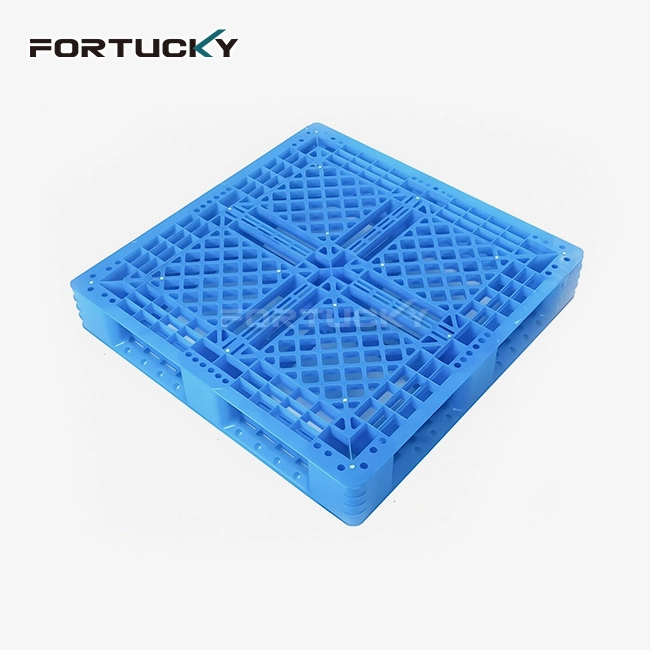
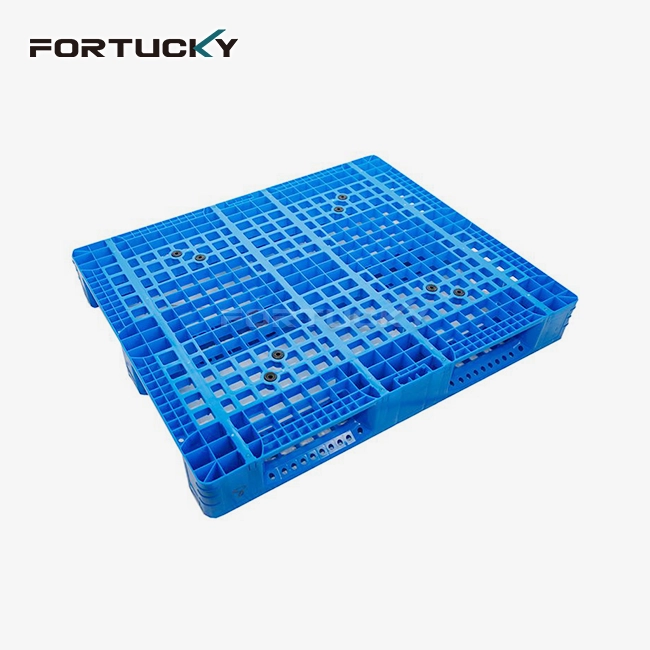
When you need to store things that need air flow, the Grid Surface Plastic Pallet is the best choice. Its open, mesh-like design creates natural air channels that allow air to circulate around stored products continuously, preventing moisture and heat buildup. For this reason, Grid Surface Plastic Pallets are ideal for electronics, delicate foodstuffs, pharmaceuticals, and agricultural goods that depend on airflow to maintain quality. Unlike solid-surface pallets, the Grid Surface Plastic Pallet design facilitates faster water drainage in damp environments and quicker drying after washing, protecting goods from rot, mould, and contamination during storage and transport.
 Understanding Grid Surface Plastic Pallets and Their Ventilation Benefits
In material handling, Grid Surface Plastic Pallets represent a well-engineered technical solution that combines robust construction with superior airflow. The open deck surfaces are manufactured from high-density polyethylene (HDPE) or polypropylene (PP), durable materials renowned for their longevity and resistance to degradation in harsh conditions.
What Makes Grid Design Different from Solid Surfaces
The defining feature of Grid Surface Plastic Pallets is their open deck structure. Rather than a solid, continuous surface, the top deck incorporates strategically placed openings that allow air to circulate beneath stored items. This design reduces the contact area with the product, enabling airflow from all directions. Compared to conventional solid pallets, this configuration significantly reduces moisture and condensation buildup—two primary causes of product degradation during storage and transit.
Material Composition and Load-Bearing Capabilities
Manufacturing these pallets from HDPE or PP offers multiple practical advantages. These thermoplastics are chemically inert, non-absorbent, and maintain dimensional stability across a wide temperature range—from cold freezers to warm warehouses. Load capacities can be tailored to various industry needs: static loads up to 6 tonnes, dynamic loads up to 2 tonnes during movement, and rack loads up to 1.5 tonnes when placed on selective racking systems. Common dimensions include 1200x1000mm, 1200x800mm, and 1500x1200mm, while custom sizes can be produced to suit specific industrial equipment and storage configurations.
Bottom Structure Variations for Equipment Compatibility
The base design directly affects forklift accessibility and manoeuvrability. Options include three-runner, six-runner, nine-foot, and seven-foot configurations, with some models allowing two-way or four-way entry. These designs are compatible with both manual pallet jacks and powered handling equipment, regardless of entry direction. This flexibility streamlines warehouse operations by eliminating the need for equipment-specific pallets and simplifying integration into existing transport workflows.
Grid Surface Plastic Pallets are lighter than wooden or metal alternatives, reducing shipping costs without compromising strength. The grid pattern uses materials efficiently, minimising overall weight while strategic reinforcement maintains load distribution capability. This achieves an optimal balance between cost-effectiveness and performance.
Why Ventilation Matters: Storing Goods That Require Airflow
Proper airflow during storage and transport is not merely beneficial for certain products—it is essential for maintaining quality, safety, and regulatory compliance. Items sensitive to humidity and temperature fluctuations face significant risks when stored on non-ventilated platforms.
Product Categories Most Vulnerable Without Airflow
Perishable foods—such as fresh fruits, vegetables, dairy products, and meat—require continuous airflow to inhibit microbial growth and prevent spoilage. Post-harvest agricultural commodities like grains, seeds, and root vegetables generate heat through respiration, creating hotspots that accelerate deterioration without adequate ventilation. Pharmaceuticals and certain chemical compounds demand rigorous environmental controls, as trapped moisture can destabilise molecules or trigger unwanted reactions.
Electronic components are also susceptible to moisture damage. Ingress of moisture can cause corrosion on circuit boards and connectors, leading to premature equipment failure. Even packaged goods in cardboard containers require airflow, as retained moisture weakens packaging integrity and encourages mould growth.
Financial and Operational Costs of Inadequate Ventilation
Storing airflow-dependent products on solid-surface pallets has quantifiable business impacts. Spoilage losses directly reduce profitability, particularly in high-value food and pharmaceutical sectors. Quality degradation results in markdowns or complete write-offs, undermining annual financial performance. Beyond direct product loss, damaged goods generate customer complaints, return handling costs, and reputational harm, all of which can suppress future sales.
Regulatory non-compliance is another major concern. Food safety regulations and pharmaceutical storage guidelines mandate environmental controls to prevent contamination and degradation. Violations can result in fines, product recalls, or even facility closures. Over time, insurance claims for damaged goods increase premiums, creating ongoing financial pressure.
Inefficient labour utilisation is an often-overlooked cost. Warehouse staff must spend additional time inspecting products for moisture damage, relocating stock more frequently, and managing disposal of compromised items. These activities divert resources from value-added operations and strain capacity during peak periods.
Comparing Grid Surface Plastic Pallets to Other Pallet Types in Ventilation and Storage Efficiency
Procurement professionals can make data-driven decisions by understanding how different pallet types perform on key operational metrics, aligned with their storage requirements and automation strategies.
Ventilation Performance Across Pallet Categories
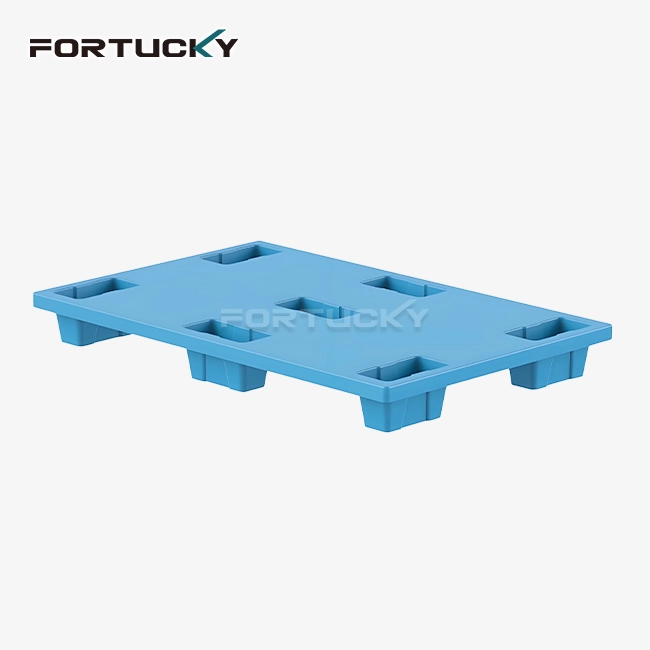
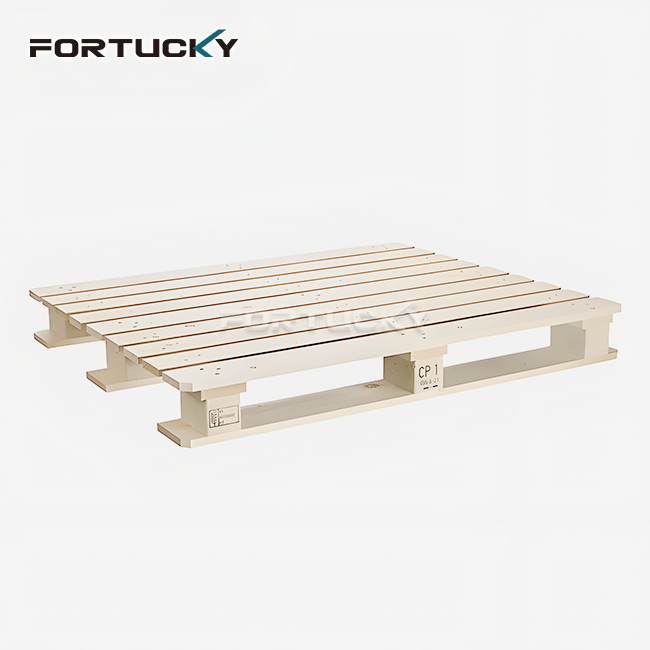
Grid Surface Plastic Pallets offer superior airflow compared to any alternative. The open deck design creates consistent air passages regardless of load placement. Solid plastic pallets completely obstruct airflow, trapping heat and moisture against stored goods. Wooden pallets provide limited ventilation because gaps between boards are often blocked by debris or load deformation. Although metal pallets may feature perforations, their thermal conductivity can exacerbate condensation issues in environments with rapid temperature fluctuations, such as cold chain logistics.
Hygiene Standards and Contamination Resistance
Grid Surface Plastic Pallets feature smooth, non-porous surfaces that resist bacterial growth and prevent insect or pest infestation. The smooth finish facilitates easy cleaning via chemical or pressure washing—critical for food processing and pharmaceutical applications. Wooden pallets absorb liquids and microorganisms, making them difficult to sanitise and often non-compliant with industry hygiene standards. They also shed splinters, harbour pests, and require fumigation for international shipment. Metal pallets are less prone to soiling but can rust when exposed to water or corrosive substances, potentially leaving rust residues on stored goods.
Durability and Total Cost of Ownership
At first glance, wooden pallets seem cheaper, but their shorter useful life and need for upkeep make the total cost of ownership higher. Wood breaks down when it gets wet, cracks when it's used a lot, and needs to be replaced often. Metal pallets last longer, but they are heavier, which makes shipping more expensive and limits how they can be moved. Grid Surface Plastic Pallets usually last 10 years with little upkeep because they don't break easily when hit, exposed to chemicals, or broken down by the environment. Because they don't warp or change size over time as wood does, their steady dimensional stability keeps automation systems compatible throughout their lifetimes.
Environmental Impact and Sustainability Considerations
Grid Surface Plastic Pallets support circular economy principles through recyclability. End-of-life HDPE and PP can be reprocessed into new pallets, reducing landfill waste. Wooden pallets consume forest resources and often end up in landfills after relatively short service lives. Metal production carries high embodied energy costs. Over time, the extended replacement intervals of Grid Surface Plastic Pallets reduce their per-use environmental footprint.
 Procurement Considerations for B2B Clients Interested in Ventilated Pallets
Selecting the right Grid Surface Plastic Pallets requires aligning technical specifications with operational needs, automation compatibility, and long-term business objectives. Logistics engineers and procurement managers should evaluate factors beyond initial purchase price.
Matching Load Capacity to Operational Demands
Correctly specifying load capacity prevents both over-engineering and catastrophic failure. Static load ratings indicate the maximum weight a pallet can support during storage. Dynamic load capacities apply to forklift transport and warehouse movement. Rack load ratings are crucial for selective racking systems where pallets are unsupported over spans. Operations handling automotive or industrial components often require higher capacities than FMCG distribution centres. Customisable load ratings allow optimisation—saving material costs for lighter applications while ensuring adequate safety margins for heavier duties.
Dimensional Compatibility with Existing Systems
Pallet dimensions directly impact warehouse space utilisation, racking compatibility, and integration with automated equipment. Standard sizes such as 1200x1000mm are well-suited for European transport networks, while 1200x800mm fits certain racking configurations. Custom sizes may be necessary for integration with automated storage and retrieval systems (AS/RS), conveyors, or robotic handling equipment that demand precise dimensional tolerances. When digitalising operations, standardising pallet dimensions can enhance warehouse management system (WMS) performance and material flow automation.
Chemical Resistance and Special Environmental Requirements
Warehouses handling acidic or oily foods, oils, or chemicals require pallets that resist degradation. HDPE and PP materials offer excellent resistance to most industrial chemicals, preserving structural integrity and preventing contamination. Cold chain applications demand materials that retain impact resistance even at freezing temperatures—a condition that can embrittle some plastics. High-temperature environments require formulations that resist warping and maintain dimensional stability.
Supplier Evaluation Beyond Price
Reliable suppliers demonstrate product quality through third-party testing certifications and quality control documentation. Compression strength tests, corner drop tests, flexure strength tests, and slip resistance tests validate performance claims and reveal potential failure modes before deployment. Warranty coverage reflects manufacturer confidence and provides financial protection against premature failure. Responsive customer service becomes critical when scaling projects or resolving integration issues with factory automation systems.
Bulk purchasing often yields cost savings and ensures supply continuity during business expansion or network improvement projects. Customisation options include colour coding for enhanced inventory management, RFID tag integration for improved traceability, and runner configuration adjustments to accommodate specialised handling equipment.
Case Studies: Successful Use of Grid Surface Plastic Pallets for Ventilated Goods Storage
Real-life examples show how Grid Surface Plastic Pallets can be used to solve specific operating problems and produce measured business results in a wide range of industries. High ventilation grid plastic cardboard designs, in particular, have proven effective in applications requiring rapid air circulation, such as produce storage and pharmaceutical drying processes, where the open grid structure allows for consistent airflow while maintaining load stability and preventing moisture accumulation.
Agricultural Export Operation Reduces Spoilage Losses
A large agricultural exporter shipping fresh produce to international markets faced persistent quality issues during the 72-hour journey from packing facilities to port consolidation centres. Traditional wooden pallets trapped field heat and moisture, accelerating product degradation and promoting mould growth that compromised arrival quality. Within the first six months of switching to Grid Surface Plastic Pallets, the company reported a 34% reduction in spoilage rates. The open deck design allowed field heat to dissipate naturally during cooling, while the non-porous plastic surface prevented moisture absorption that had previously encouraged fungal growth. Beyond reduced spoilage, the exporter recorded higher customer satisfaction scores and fewer quality-related claims, strengthening relationships with major retail buyers in competitive markets.
Pharmaceutical Manufacturer Achieves Cold Chain Compliance
A pharmaceutical manufacturer producing temperature-sensitive biological products required FDA-compliant storage solutions throughout the cold chain, from production to distribution. Their existing solid plastic pallets caused condensation issues during temperature transitions—for example, moving from freezer storage to outdoor loading docks. This moisture buildup increased contamination risk and violated strict environmental control regulations. By adopting Grid Surface Plastic Pallets with specially formulated chemical-resistant coatings, the facility eliminated condensation pooling by allowing water vapour to escape rather than accumulating on pallet surfaces. The plant passed subsequent regulatory inspections without modifications, and over an 18-month monitoring period, no contamination events attributable to storage conditions were recorded. The positive audit outcomes preserved their manufacturing licence and prevented costly production stoppages.
Conclusion
Grid Surface Plastic Pallets provide the essential airflow needed to protect fragile and moisture-sensitive goods during storage and transport. Their engineered ventilation features prevent condensation buildup, accelerate drainage in damp environments, and preserve product integrity where conventional solid pallets pose quality risks. With durable HDPE/PP construction, customisable load capacities, and compatibility with automated handling systems, these pallets meet the complex demands of modern production and logistics in the FMCG, pharmaceutical, agricultural, and cold chain sectors. When making procurement decisions, evaluating ventilation performance alongside traditional factors such as load capacity and cost ensures that storage solutions protect—rather than merely support—product value.
FAQ
1. Are Grid Surface Plastic Pallets Suitable for Freezer Storage?
Yes. Grid Surface Plastic Pallets manufactured from appropriately formulated HDPE or PP maintain their dimensional stability and impact resistance in freezers as low as -30°C. The open deck design is particularly advantageous for cold storage, as it prevents ice formation that typically occurs on solid surfaces, reducing cleaning requirements and improving handling safety.
2. How Do I Determine the Right Load Capacity for My Application?
Calculate the maximum weight of the heaviest unit load, including packaging, and add a 20-30% safety margin. Distinguish between static loads (at rest), dynamic loads (during transport or handling), and rack loads (supported on racking beams)—each requires different capacity specifications. Consult suppliers with specific use-case details to ensure correct selection.
3. Can Ventilated Pallets Be Customized with Company Colors or Tracking Technology?
Yes. The standard blue colour can be modified to align with corporate branding or to create colour-coded inventory management systems. Customisation services typically include the integration of RFID tags, barcodes, or other tracking technologies, facilitating warehouse management system integration and automated inventory tracking.
Partner with Fortucky for Advanced Material Handling Solutions
Choosing the right Grid Surface Plastic Pallet provider will determine whether your needs for air lead to real changes in how things work. Fortucky has worked for more than ten years with more than 1,000 customers around the world in the FMCG, pharmaceutical, automobile, and transportation industries. These customers include Huawei, Mercedes-Benz, and CATL, which are all stars in their fields. Our engineering team can change the details of each pallet, such as its load capacity and bottom runner setups, so that it works perfectly with the warehouse automation systems and material handling tools you already have. Each pallet is made in our 5G-enabled intelligent production center that has full quality standards. Before it is shipped, it goes through strict tests for compression strength, corner drop, and flexure. Our localized service network in Asia, Europe, and the Americas provides quick technical help and quick big order delivery to keep your business running smoothly without supply problems. Our team can help you improve the efficiency of your material handling, whether you need standard setups or fully tailored solutions for unique uses. Talk to our experts at sales@fortuckyrobot.com about your Grid Surface Plastic Pallet needs and find out why top makers choose Fortucky as their go-to Grid Surface Plastic Pallet provider for mission-critical logistics tasks.
References
1. International Safe Transit Association. (2021). Performance Testing Standards for Industrial Pallets and Material Handling Platforms. ISTA Publications.
2. Material Handling Industry of America. (2022). Ventilation Requirements for Temperature-Sensitive Product Storage: Best Practices Guide. MHIA Technical Reports.
3. Food and Drug Administration. (2020). Environmental Controls in Pharmaceutical Manufacturing and Storage Facilities. FDA Compliance Guidelines.
4. National Wooden Pallet and Container Association. (2019). Comparative Life Cycle Analysis of Pallet Materials: Wood, Plastic, and Metal. NWPCA Research Division.
5. Cold Chain Federation. (2023). Moisture Management and Condensation Control in Refrigerated Logistics Operations. CCF Industry Standards.
6. Society of Logistics Engineers. (2021). Pallet Selection Criteria for Automated Warehouse Systems: Technical Specifications and Integration Considerations. SOLE Professional Development Series.


Learn about our latest products and discounts through SMS or email