- English
- French
- German
- Portuguese
- Spanish
- Russian
- Japanese
- Korean
- Arabic
- Greek
- German
- Turkish
- Italian
- Danish
- Romanian
- Indonesian
- Czech
- Afrikaans
- Swedish
- Polish
- Basque
- Catalan
- Esperanto
- Hindi
- Lao
- Albanian
- Amharic
- Armenian
- Azerbaijani
- Belarusian
- Bengali
- Bosnian
- Bulgarian
- Cebuano
- Chichewa
- Corsican
- Croatian
- Dutch
- Estonian
- Filipino
- Finnish
- Frisian
- Galician
- Georgian
- Gujarati
- Haitian
- Hausa
- Hawaiian
- Hebrew
- Hmong
- Hungarian
- Icelandic
- Igbo
- Javanese
- Kannada
- Kazakh
- Khmer
- Kurdish
- Kyrgyz
- Latin
- Latvian
- Lithuanian
- Luxembou..
- Macedonian
- Malagasy
- Malay
- Malayalam
- Maltese
- Maori
- Marathi
- Mongolian
- Burmese
- Nepali
- Norwegian
- Pashto
- Persian
- Punjabi
- Serbian
- Sesotho
- Sinhala
- Slovak
- Slovenian
- Somali
- Samoan
- Scots Gaelic
- Shona
- Sindhi
- Sundanese
- Swahili
- Tajik
- Tamil
- Telugu
- Thai
- Ukrainian
- Urdu
- Uzbek
- Vietnamese
- Welsh
- Xhosa
- Yiddish
- Yoruba
- Zulu
Light-duty manual stacker vs electric stacker: which is better for small loads?
The Light duty Manual Stacker is the best choice for businesses that want to save money and handle moderate-weight loads when they have to choose between manual and electric stackers for small loads. When lifting up to 1,500 kg is needed occasionally, manual stackers are the best choice because they don't pollute the environment and don't need power to work. Electric stackers are more productive and make operators less tired, but they cost more to buy and need more upkeep over time. The best option for you will rely on how often you need to operate it, your budget, and your long-term goals for automation in your facility's material handling strategy.
 Understanding Light-Duty Manual Stackers and Electric Stackers
Manual Stacker Fundamentals and Design
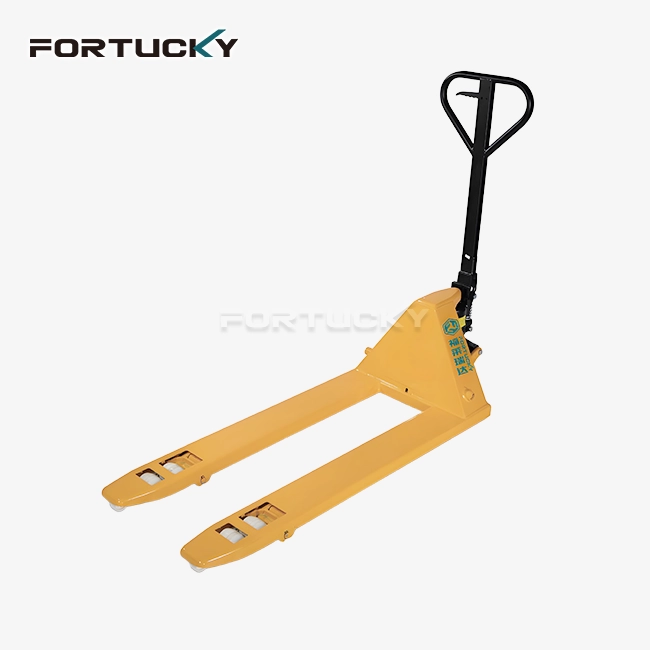
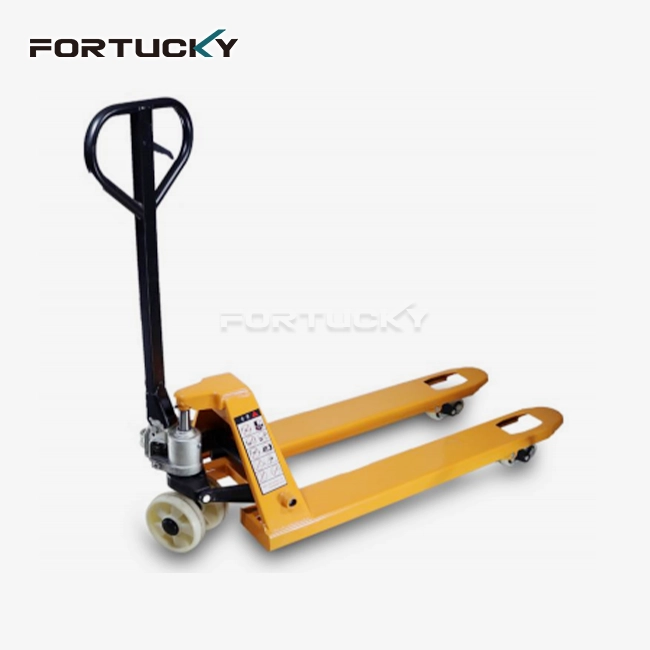
For small-scale material handling jobs, manual stackers, which are also called manual lift trucks or hydraulic forklift trucks, are a basic option. These machines use hydraulic systems that are driven by people. The pumping action of the people using them turns into a vertical lifting force. Strong channel steel frames—ranging from 10# to 12# channel steel, depending on load capacity—ensure structural integrity while keeping the operation relatively light at about 140–160 kg self-weight. The mechanism relies on a hydraulic pump system with diameters ranging from 35mm to 40mm, again depending on the rated load capacity. This design lets workers lift things up to 1,600 mm high while still having full control over where the loads are placed. Because they are small, they can work in tight areas with turning radii as small as 1,380 mm. This makes them very useful in smaller warehouses and production facilities.
Electric Stacker Technology and Capabilities
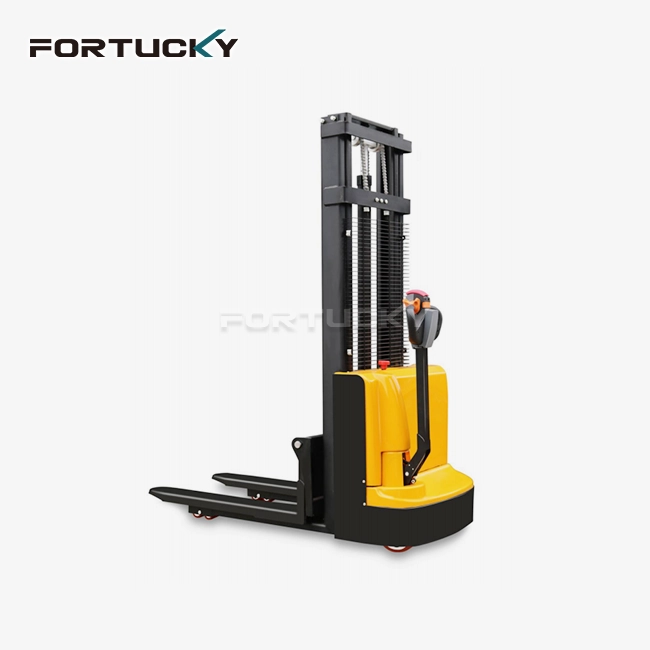
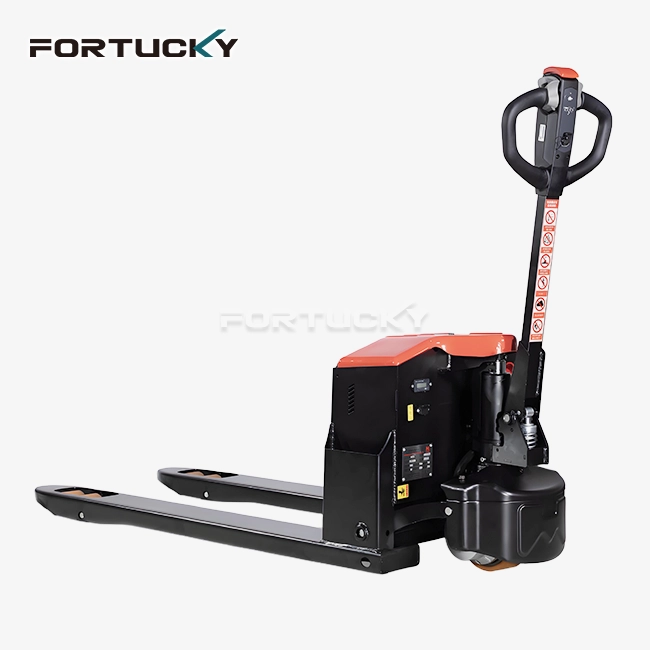
Electric stackers have lifting mechanisms that are driven by batteries, so you don't have to pump them by hand. They also lift consistently. These units have motorised hydraulic systems that can handle the same amount of weight but with a lot less hard work from the operator. With electric parts built in, lifting speeds can be programmed, and positioning accuracy is improved, which is especially helpful for high-frequency lifting tasks. Modern electric stackers often have advanced safety features like automatic load sensing, emergency stop functions, and built-in warning systems. The electric drive systems make it easy to speed up and slow down, which lowers load shock and improves general handling precision. However, these benefits come with more work because they need to be maintained and depend on charging systems.
Application Environments and Use Cases
Different types of stackers are used in different ways depending on the needs of the job. Both types are widely used in manufacturing and transportation. Manual stackers work best in places where they are only used sometimes, like stores for small parts, drug storage areas, and places that handle electronic parts. Because they don't pollute, they can be used in places like food processing and clean rooms where controlling emissions is still important. Electric stackers are usually used in higher-throughput areas where continuous lifting cycles are worth the extra money spent on electric technology. These units are great for distributing car parts, storing fast-moving consumer goods, and helping with production lines, all of which need consistent performance and less operator fatigue to be successful. When deciding between physical and electric options, people often look at how much work needs to be done and how much the investment is worth.
Comparing Light-Duty Manual Stackers and Electric Stackers for Small Loads
Performance Metrics and Operational Efficiency
Lifting speeds on manual stackers are around 20 mm/s, and lowering speeds can be changed, giving workers full control over where the loads are placed. This level of performance is good for tasks where accuracy is more important than speed, like in quality control and assembly lines. The mechanical advantage of the portable manual stacker, the hydraulic system lets operators move up to 1,500 kg of weight with only moderate physical effort, but long-term use may make operators tired. Electric stackers, on the other hand, usually have faster lifting cycles and perform the same way no matter how fit the operator is. The motorised systems get rid of the variables that come with manual pumping, so the lifting speeds are the same for all workers and all shifts. This consistency is very helpful in tasks that need to be done quickly, since predictable cycle times have a direct effect on calculations of overall throughput.
Safety Considerations and Risk Management
Because they are motorised, manual stackers have a number of built-in safety features. The hydraulic system naturally holds the load, so there are no sudden drops even when the user takes a break or moves the equipment around. High-strength forged cargo forks that are 100 mm wide and 50 mm thick provide strong load support, and imported sealing systems ensure reliable hydraulic performance over a long service life. Electric stackers add extra safety concerns related to electrical systems and battery management. These units usually have advanced safety interlocks and warning systems, but they also need to be charged and used safely with electricity. Automatic systems can be safer because they can watch the load and stop in an emergency, but they also have more places where things could go wrong than manual systems, which have simpler mechanical designs.
Maintenance Requirements and Total Cost Analysis
Taking care of the hydraulic system and checking the motor parts are the main parts of maintaining a manual stacker. Regular chores include checking the hydraulic fluid, replacing seals on time, and maintaining wheel bearings. Since there are no electrical parts, there are no costs for replacing batteries, keeping the charging system in good shape, or fixing electrical problems. This easier way of maintaining machines usually leads to lower long-term costs, especially in places where there aren't many expert support staff. Electric stackers need full maintenance plans that include both the mechanical and electrical systems. Managing the battery's lifecycle becomes an important cost factor, since they need to be replaced every 3 to 5 years, based on how they are used. The charging infrastructure also needs to be maintained on a regular basis, and older buildings may need to have their electrical systems upgraded. But less wear and tear on hydraulic pumps and less operator fatigue can help cover some repair costs by making the system more reliable and lowering the number of injuries that happen at work.
Decision-Making Criteria for Small Load Handling
Operational Frequency and Volume Analysis
The decision between manual and electric stackers often hinges on operational frequency analysis within your specific application environment. Manual stackers prove most cost-effective in scenarios involving fewer than 50 lifting cycles per day, where the physical demands remain manageable, and the equipment investment can be minimized. These units excel in seasonal operations, backup applications, and specialized handling tasks where intermittent use patterns don't justify electric system complexity. Higher frequency operations exceeding 100 lifting cycles daily typically benefit from electric stacker implementation despite the increased initial investment. The reduced operator fatigue translates into maintained productivity levels throughout work shifts, while the consistent performance supports predictable operational planning. The break-even point usually occurs when labor efficiency gains offset the higher equipment and maintenance costs associated with electric systems.
Facility Infrastructure and Environmental Factors
Infrastructure requirements significantly influence stacker selection decisions, particularly regarding power availability and charging facilities. Manual stackers operate independently of electrical infrastructure, making them suitable for outdoor applications, temporary facilities, and locations with limited power capacity. The pollution-free operation aligns with environmental regulations in food processing, pharmaceutical, and cleanroom applications, where emissions control remains paramount. Electric stackers require adequate charging infrastructure and may necessitate electrical system upgrades in older facilities. The charging requirements must be integrated into operational scheduling to ensure equipment availability during peak demand periods. However, the reduced noise levels and elimination of manual pumping sounds can provide advantages in noise-sensitive environments such as hospital supply areas and research facilities.
Budget Considerations and Return on Investment
Manual stackers typically require 40-60% lower initial investment compared to equivalent electric models, making them attractive for budget-conscious operations and small businesses. The total cost of ownership often favors manual units in low-intensity applications due to reduced maintenance complexity and elimination of battery replacement cycles. Financing options frequently accommodate manual stacker purchases within operating budgets rather than requiring capital equipment approvals. Electric stackers justify their higher initial costs through improved productivity metrics and reduced labor intensity. The return on investment calculation must consider operator time savings, reduced workplace injury risks, and improved operational consistency. Organizations planning facility expansion or automation initiatives may find that electric stackers provide better alignment with long-term strategic goals, even if immediate cost analysis favors manual options.
Purchasing Guide for Light-Duty Manual Stackers and Electric Stackers
Supplier Evaluation and Quality Standards
When looking at possible providers for manual stackers, it's best to go with companies that have a history of designing good hydraulic systems and building strong machines. Some signs of quality are the use of high-grade channel steel for building, imported sealing parts, and full quality certifications. Manufacturers with a good reputation will usually give you detailed technical specs that include load ratings, lifting heights, and operational parameters that are right for your application. As part of the evaluation process, you should check to see if the product has all the necessary safety certifications and meets all the industry standards. To make sure the workplace is safe, manual stackers must meet OSHA standards and any other standards that apply to material handling tools. Suppliers who give detailed technical documentation, materials for training operators, and maintenance instructions show that they care about their customers' success after the equipment is sold.
Technical Specifications and Customization Options
Standard manual stacker portable manual stacker setups can usually hold loads of 1,000 kg to 1,500 kg, and they can lift up to 1,600 mm high. Forks that can be adjusted from 200 to 580 mm wide can handle a range of pallet sizes and load configurations that are popular in small-scale operations. You can choose the fork length, which is usually around 800mm, so it works with your current pallet systems and storage setups. You may also be able to customise the forks with different wheel configurations for different floor surfaces, different lifting heights for different storage systems, and stronger hydraulic parts for tough jobs. As you evaluate, you should think about how operations might change in the future, which could mean that equipment needs to be upgraded or changed. This way, you can be sure that your investment will still work as operating needs change.
Service Support and Warranty Considerations
It's important to have full-service support to keep operations going, especially in places where repair resources are limited. Check out suppliers to see if they can offer local service support, have spare parts on hand, and offer technical help. Suppliers of manual stackers can help with both hydraulic systems and mechanical parts through authorised service networks. Warranty terms usually cover structural parts for longer periods of time, but hydraulic parts may have shorter coverage periods because of how they work. Knowing what parts of the warranty don't cover for normal wear and tear, like seals, wheels, and hydraulic fluids, helps you make a repair budget that you can stick to. For operations that need to be sure of maximum uptime, suppliers who offer extended warranty choices or comprehensive service contracts are more valuable.
 Case Studies and Real-World Applications
Small Electronics Manufacturing Implementation
It was hard for a medium-sized company that made electrical parts to move fragile assemblies weighing 200 to 800 kg between production stations in a 5,000-square-foot building. The company first thought about using electric stackers, but in the end decided to use manual stackers because they were cheaper and would only be used occasionally (about 30 lifting cycles per day across two shifts). Using manual stackers turned out to have a lot of benefits beyond just saving money. When positioning sensitive electronic assemblies, hydraulic operation gave us more exact control, and emission-free operation kept cleanroom standards without the need for extra environmental controls. The units were easy for operators to move around in tight spaces between production lines, and the 1,380mm turning radius made it easy to get around equipment obstacles. After 18 months of use, the facility reported 95% uptime with only routine wheel inspections and hydraulic fluid changes needed for maintenance. The 14-month payback time for the investment was longer than expected because it cut down on the cost of labour for moving materials and stopped the damage that used to happen when lifting things by hand. Because of this success, more manual stackers were bought to make the work areas bigger.
Pharmaceutical Warehouse Efficiency Improvement
A pharmaceutical distribution center that deals with medicines that need to be kept at a certain temperature looked at different stacker choices for a cold storage area that could hold 500 pallets and work at 2–8°C. A controlled temperature zone and rules about battery performance and charging safety meant that several electric stacker options had to be ruled out. Manual stackers were the best option because they could work in any temperature and didn't have any electrical parts that could cause paperwork problems with the rules. The implementation included three units that could each hold up to 1,500 kg, which is enough to handle the normal pharmaceutical pallets at the facility, which weigh between 400 kg and 1,200 kg. The compact design made it easy to use in the cold storage's narrow aisles, and the hydraulic systems kept working well even when the temperature changed. Data gathered over six months showed that the system cut storage and retrieval times by 40% compared to the old manual methods. The plant met all of the regulations without adding any more environmental controls or safety changes. At the same time, the operators were happier because they didn't have to work as hard in the cold. Because of its success, hand stackers were used in more ambient storage areas, making the whole facility's operations more consistent.
Automotive Parts Distribution Center Optimization
A company that sells aftermarket Light duty Manual Stacker car parts and has multiple regional distribution centers had to deal with different operational needs for facilities of different sizes and throughput levels. The business needed standard material handling equipment that could work in both large main facilities and smaller satellite operations that served local markets. After a thorough evaluation, it was found that manual stackers were the most flexible solution for the wide range of operating situations. Larger facilities used manual stackers for specific tasks like moving heavy parts and doing backup work, while smaller centers depended on them as their main piece of material handling equipment. The effort to standardise cuts down on the need for training, spare parts inventory, and complicated maintenance across the distribution network. The results of the implementation showed that it worked well with a range of operational intensities, from 15 lifting cycles per day in small centers to over 80 cycles per day in specialised applications at larger facilities. The consistent platform for equipment made it easy for staff to move between sites and made it easier to plan for growth by adding new distribution centers. Compared to a mixed equipment approach, the total cost savings were over 35%, and the operating flexibility made it easy to respond quickly to changes in the market.
Conclusion
In the end, practical needs, budget, and long-term strategic goals must all be balanced when deciding between light-duty manual stackers and electric stackers for small loads. Manual stackers are a cheap way to do moving jobs that only need to be done sometimes. They work reliably and don't require a lot of electrical knowledge or ongoing battery costs. Because they don't pollute and don't need any infrastructure, they are perfect for specialised environments and businesses that want to save money. Electric stackers are worth the extra money because they increase productivity and make operators less tired in high-frequency applications. However, they need the right charging infrastructure and regular repair programs to work properly. To get the best return on investment from either technology, it needs to be carefully implemented after careful study of operational patterns, facility limitations, and total costs.
FAQ
Q1: Does this manual forklift require electricity or fuel?
A1: No, it’s a non-powered product that relies on manual hydraulic operation. It doesn’t need electricity or fuel, so it’s pollution-free and low-cost to use.
Q2: What’s the rated load capacity of this manual forklift?
A2: There are two options: 1000kg and 1500kg.
Q3: What’s the maximum lifting height?
A3: The maximum lifting height is 1600mm.
Q4: Can the fork width be adjusted? What’s the adjustment range?
A4: Yes. For the 1000kg model, the fork width adjusts from 200-580mm; for the 1500kg model, it’s 240-580mm.
Q5: Where can this manual forklift be used?
A5: It’s widely used in factories, workshops, warehouses, stations, and other locations.
Q6: What are the key advantages of this product?
A6: Its main advantages include: lightweight and easy operation, high-strength forged cargo forks (safe, reliable, and durable), durable plate chains, a stable electromechanical integrated hydraulic system, a high-quality oil cylinder with good sealing performance, and wear-resistant casters (suitable for various sites and high work efficiency).
Partner with Fortucky for Your Material Handling Solutions
Optimize your warehouse operations with Fortucky's comprehensive Light duty Manual Stacker solutions designed specifically for small load applications. Our experienced team combines deep industry expertise with proven track records serving over 1,000 customers globally, including Fortune 500 manufacturers and logistics leaders. As a trusted Light duty Manual Stacker supplier, we provide customized equipment recommendations, competitive pricing, Light duty Manual Stacker and localized support across Asia, Europe, and the Americas. Contact our specialists at sales@fortuckyrobot.com to discuss your specific requirements and discover how our cost-effective, reliable stacker solutions can enhance your operational efficiency while meeting your budget objectives.
References
1. Materials Handling Institute. "Manual Stacker Safety Guidelines and Best Practices for Small Load Applications." Industrial Equipment Safety Standards, 2023.
2. Warehouse Operations Research Institute. "Cost-Benefit Analysis of Manual vs. Electric Stackers in Small Warehouse Environments." Logistics Technology Review, 2023.
3. Occupational Safety and Health Administration. "Material Handling Equipment Standards for Light-Duty Applications." OSHA Publication 3246, 2023.
4. International Association of Material Handling Professionals. "Equipment Selection Criteria for Small Load Handling Operations." Material Handling Technology Guidelines, 2023.
5. Industrial Equipment Manufacturers Association. "Hydraulic System Maintenance Best Practices for Manual Material Handling Equipment." Technical Bulletin IEM-445, 2023.
6. Supply Chain Management Research Center. "Operational Efficiency Metrics for Light-Duty Material Handling Equipment in Manufacturing Environments." Industrial Engineering Quarterly, 2023.

Learn about our latest products and discounts through SMS or email