- English
- French
- German
- Portuguese
- Spanish
- Russian
- Japanese
- Korean
- Arabic
- Greek
- German
- Turkish
- Italian
- Danish
- Romanian
- Indonesian
- Czech
- Afrikaans
- Swedish
- Polish
- Basque
- Catalan
- Esperanto
- Hindi
- Lao
- Albanian
- Amharic
- Armenian
- Azerbaijani
- Belarusian
- Bengali
- Bosnian
- Bulgarian
- Cebuano
- Chichewa
- Corsican
- Croatian
- Dutch
- Estonian
- Filipino
- Finnish
- Frisian
- Galician
- Georgian
- Gujarati
- Haitian
- Hausa
- Hawaiian
- Hebrew
- Hmong
- Hungarian
- Icelandic
- Igbo
- Javanese
- Kannada
- Kazakh
- Khmer
- Kurdish
- Kyrgyz
- Latin
- Latvian
- Lithuanian
- Luxembou..
- Macedonian
- Malagasy
- Malay
- Malayalam
- Maltese
- Maori
- Marathi
- Mongolian
- Burmese
- Nepali
- Norwegian
- Pashto
- Persian
- Punjabi
- Serbian
- Sesotho
- Sinhala
- Slovak
- Slovenian
- Somali
- Samoan
- Scots Gaelic
- Shona
- Sindhi
- Sundanese
- Swahili
- Tajik
- Tamil
- Telugu
- Thai
- Ukrainian
- Urdu
- Uzbek
- Vietnamese
- Welsh
- Xhosa
- Yiddish
- Yoruba
- Zulu
Medium-duty manual stacker for medium-sized warehouse operations: recommendations
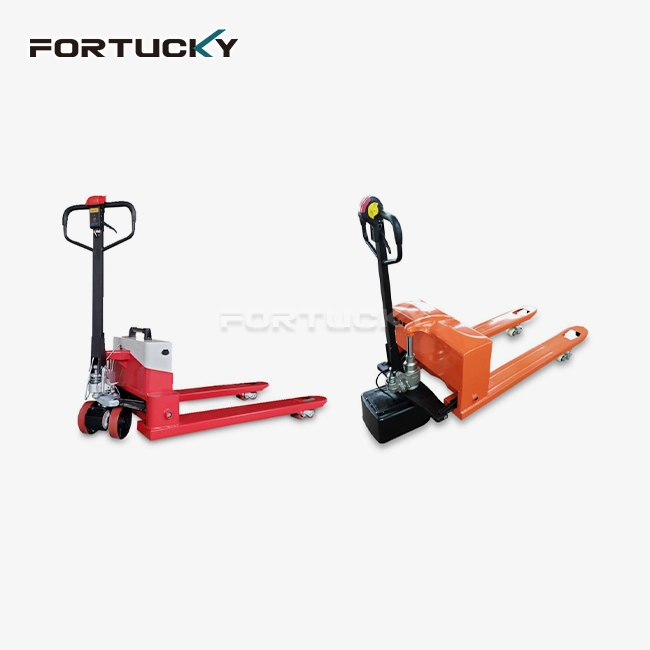
The Medium duty Manual Stacker is one of the best pieces of material handling equipment for medium-sized stores. It's a great middle ground between basic pallet jacks and fully automated systems. These flexible hydraulic forklift trucks are the best choice for businesses that want to improve their warehouse operations without spending a lot of money. They are reliable, affordable, and good at what they do. Manual lift trucks are very useful in many industry settings because they can load and unload without polluting the environment and without power.
 Understanding Medium-Duty Manual Stackers: Features and Benefits
A very important type of material handling equipment for warehouse work that needs reliable vertical lifting without the complexity of driven systems is the medium-duty manual stacker. These hydraulic forklift trucks work great in places where moving things around regularly is important, but full automation isn't needed or is too expensive.
Core Technical Specifications and Capabilities
There are many useful things about manual stackers that affect how busy and cost-effective a warehouse is. The design is light (about 170 kg), which makes it easy to move. Even when it's full of big things, the frame stays strong. With high-strength forged cargo forks, you can be sure of a lot of safety and dependability for a long time. This keeps costs down and activities running smoothly. The hydraulic system is the most efficient machine ever made. Lifting speeds of 20 mm/s and lowering speeds that can be changed so that workers can meet their own specific working needs are made possible by electromechanical and hydraulic parts that work together. Imported seals on high-quality oil tanks make the sealing work better and keep the equipment cost-effective over its lifetime. Wear-resistant casters can handle a variety of warehouse floor conditions, from smooth concrete to slightly uneven surfaces. This means that work can be done quickly and easily, no matter what the floor is like. Manual stackers are versatile and can be used in many places, including workplaces, workshops, stores and transportation hubs.
Operational Advantages in Warehouse Environments
Manual stackers have huge practical benefits that have a direct effect on how productive and cost-effective a warehouse is. The design's low weight (about 170 kg) makes it easy to move while still keeping the structure strong when it's loaded with big things. High-strength forged cargo forks offer great safety margins and long-term dependability, which lowers replacement costs and keeps operations running smoothly. The hydraulic system is the pinnacle of mechanical efficiency. Electromechanical and hydraulic parts that are integrated together provide stable performance with lifting speeds of 20 mm/s and lowering speeds that can be changed so that workers can meet their specific handling needs. High-quality oil cylinders with imported seals provide better sealing performance while keeping the equipment cost-effective throughout its lifetime. Wear-resistant casters can handle a range of warehouse floor conditions, from smooth concrete to slightly uneven surfaces, keeping work efficiency high no matter the environment. Because they are flexible, manual stackers can be used in a wide range of settings, such as workplaces, workshops, warehouses, and transportation hubs.
Comparing Medium-Duty Manual Stackers and Electric Stackers: Making the Right Choice
Choosing between electric and Medium duty Manual Stacker has a big effect on both short-term prices and long-term warehouse strategy. Procurement professionals can make choices that are in line with the organization's goals and operational needs if they know the main differences between these systems.
Cost Analysis and Financial Considerations
Medium-sized businesses can save a lot of money by using manual stackers. Since there are no electrical parts, there are no costs for replacing batteries, building charging stations, or keeping the electricity running. The initial cost of buying one is much lower than buying an electric alternative, and the ongoing costs are also more stable because there are no changes in the amount of energy used. Electric stackers offer better lifting capabilities and require less physical effort from the operator, but they come with extra costs like battery maintenance, charging station installation, and special electrical servicing needs. Total cost of ownership analyses often show that manual systems are better for businesses that don't need to lift heavy things very often and for organizations that want to save money.
Performance Characteristics and Operational Suitability
When consistent, moderate lifting jobs are the norm, manual stackers do their best. The turning radius of 1380 mm or less makes it easy to move around in tight areas, and the pollution-free operation makes sure that all types of facilities meet environmental standards. Because they are small and can be used in a variety of ways, these units are great for operations that happen over multiple shifts and depend on reliability more than speed. Electric alternatives are better for high-frequency tasks that need quick lifting cycles or when operator fatigue becomes a problem. But manual methods can still work even when the power goes out. This makes them very useful in places where there isn't a lot of electrical infrastructure or when the power goes out.
Selection Criteria for Warehouse Operations
Picking the right type of stacker depends on a number of important factors. The size and layout of the aisles in a warehouse affect how easy it is to move things around. In small areas, manual stackers are better. Load characteristics, such as how the weight is distributed and how often it needs to be handled, decide whether it is still possible to operate by hand or if electric help is needed. Facility infrastructure is a very important part of the selection process. Warehouses that don't have enough electrical infrastructure tend to prefer manual methods, while warehouses that already have charging stations may find electric alternatives more useful. Choice is also affected by operational schedules, since businesses that are open 24 hours a day, seven days a week may need the consistent access that manual systems offer without charging for downtime.
Procurement Guide: How to Buy Medium-Duty Manual Stackers for Your Business
Successful stacker procurement requires a comprehensive understanding of market dynamics, supplier evaluation, and long-term operational planning. The procurement process extends beyond simple price comparison to encompass quality assessment, service reliability, and total ownership value.
Supplier Evaluation and Selection Criteria
Reputable manufacturers demonstrate their commitment to quality through comprehensive product specifications and transparent performance data. When evaluating potential suppliers, procurement professionals should assess manufacturing capabilities, quality control processes, and post-sale service infrastructure. Established manufacturers often provide detailed technical documentation, including precise measurements for vehicle dimensions, lifting speeds, Medium duty Manual Stacker and load capacities. The supplier's track record with similar organizations provides valuable insight into product reliability and service quality. Companies serving Fortune 500 enterprises and large-scale manufacturers typically maintain higher quality standards and more robust support networks. This experience translates into better product design, more reliable components, and superior customer service throughout the equipment lifecycle.
Pricing Strategies and Purchase Options
Manual stacker pricing varies significantly based on construction quality, load capacity, and manufacturer reputation. Premium models incorporating high-strength plate chains, advanced hydraulic components, and superior materials command higher prices but deliver enhanced durability and lower maintenance costs. Budget-conscious buyers should balance initial cost savings against potential long-term maintenance expenses and operational reliability. Bulk purchasing arrangements often yield substantial cost advantages for organizations planning fleet acquisitions or multi-facility deployments. Volume discounts can reduce per-unit costs while ensuring consistent equipment specifications across operations. Negotiating comprehensive service packages alongside equipment purchases provides additional value through reduced maintenance costs and guaranteed parts availability.
Warranty and Service Considerations
Comprehensive warranty coverage protects investment value while providing confidence in product reliability. Quality manufacturers typically offer extensive warranty terms covering hydraulic components, structural elements, and key operational systems. Understanding warranty limitations and service requirements prevents unexpected costs and ensures continuous operational availability. Service network accessibility directly impacts operational continuity. Suppliers with local service capabilities can respond quickly to maintenance needs and provide on-site support when necessary. This geographic proximity becomes particularly valuable for organizations operating in remote locations or requiring rapid response times for critical equipment failures.
 Maintenance, Troubleshooting, and Longevity of Medium-Duty Manual Stackers
Proactive maintenance strategies ensure optimal performance and extend equipment lifespan while minimizing operational disruptions. Manual stackers, while mechanically simpler than electric alternatives, still require systematic care to maintain safety standards and operational efficiency.
Routine Maintenance Protocols
Maintenance of the hydraulic system is an important part of taking care of a hand stacker. Regular checks of the hydraulic fluid level, the condition of the seals, and the pump's operation help keep failures from happening and keep the lifting performance uniform. The high-quality oil cylinders with foreign seals need to be checked for signs of leaks or pressure loss on a regular basis. Wheel and caster care has a big effect on how easy it is to move things around and on how safe the floors are. Even though wear-resistant casters last a long time, they work better when they are cleaned and oiled on a frequent basis. Large wheels need to be checked for damage or excessive wear that could make them less stable when they're loaded. The main frame assembly, high-strength cast cargo forks, and other structural parts need to be checked regularly for signs of stress, damage, or deformation. Even though the 12# I-steel construction makes it very durable, Medium duty Manual Stacker heavy use may speed up wear in certain high-stress places.
Common Issues and Troubleshooting Approaches
Hydraulic system problems represent the most frequent maintenance challenges in manual stackers. Reduced lifting speed or inability to maintain elevation typically indicates hydraulic fluid issues, seal wear, or pump component problems. Systematic diagnosis, beginning with fluid level verification and progressing through seal inspection, usually identifies the root cause. Operational difficulties often stem from improper loading techniques or exceeding specified capacity limits. The 2000 kg-rated load provides substantial capability, but uneven load distribution or exceeding weight limits can cause premature wear or operational failures. Training operators on proper loading techniques and weight estimation prevents many common problems. Fork adjustment mechanisms may require periodic calibration to maintain proper alignment and secure load handling. The 240-580mm adjustment range provides flexibility for various load types, but wear in adjustment components can compromise positioning accuracy or load security.
Compliance and Safety Standards
Adherence to established safety standards protects both operators and organizational liability while ensuring consistent operational performance. Regular safety inspections verify that all protective systems function correctly and that operational procedures align with manufacturer recommendations and regulatory requirements. Documentation of maintenance activities and safety inspections creates an audit trail demonstrating compliance commitment while identifying patterns that may indicate emerging issues. This systematic approach supports both regulatory compliance and proactive maintenance planning.
Expert Recommendations and Future Trends in Medium-Duty Manual Stackers
Manual stackers are getting better at what they do as the industry changes. Manufacturers are adding new materials, better handling, and longer-lasting features. These changes show that there is a growing need for equipment that meets both traditional reliability standards and modern performance goals.
Technology Integration and Design Evolution
Modern manual stackers use advanced engineering techniques that make the best use of weight distribution, improve user comfort, and extend the life of parts. The electromechanical integrated hydraulic systems are a big step forward from earlier designs that were only mechanical. They work more smoothly and have more predictable performance characteristics. Advances in material science have made parts stronger and lighter without lowering their durability. With the help of new steel alloys and better manufacturing methods, products are made that work better than usual and still keep their prices low. These changes are especially helpful in places with a lot of use because the durability of the equipment directly affects the continuity of operations.
Market Trends and Selection Guidance
The current market Medium duty Manual Stacker trend favours tools that can be used for a variety of tasks without needing to be changed a lot or trained in a special way. Manual stackers that meet these requirements usually have parts that can be adjusted, are well-built, and are easy to use so that new operators don't have to spend a lot of time learning how to use them. This is because operational flexibility is becoming more important, which increases the demand for equipment that works reliably in a variety of settings. In this case, manual stackers work best because they consistently do a good job whether they're handling standard pallets, irregular loads, or specialized cases within their capacity limits. Environmental concerns are becoming more and more important when choosing equipment. Because they don't use electricity or pollute the environment, manual stackers easily fit in with environmental goals. This compatibility with the environment is especially useful for businesses that want to get certified as sustainable or that have to follow strict environmental rules.
Conclusion
Medium duty Manual Stacker equipment is the best combination of features, dependability, and value for money for medium-sized warehouses that need reliable ways to move materials. With their sturdy build, clean operation, and ability to be used in a variety of ways, these hydraulic forklift trucks are essential tools in a wide range of workplace settings. Their proven performance in factories, workshops, warehouses and transportation hubs shows how versatile and reliable they are in tough working conditions. The technical specs, such as a 2000 kg load capacity, 1600 mm lifting height, and small, easy-to-maneuver design, make manual stackers practical options for businesses that need to balance performance needs with budget concerns. Total ownership costs are lower because there aren't any complicated electrical systems or upkeep needs. This means that the machine is always available for use. As warehouse operations move toward being more eco-friendly and efficient, manual stackers are essential for providing the dependability that modern transportation operations need.
FAQ
Q1: What’s the official name of this product?
A1: It’s also called a Manual Lift Truck or Hydraulic Forklift Truck (officially named Medium-duty Manual Stacker).
Q2: What’s the standard rated load capacity of this manual stacker?
A2: The standard rated load is 2000kg, and the rated weight can also be customized according to customer requirements.
Q3: How high can this stacker lift goods?
A3: The maximum lifting height is 1600mm.
Q4: Can the fork width be adjusted? What’s the range?
A4: Yes, the fork adjustment width is 240-580mm.
Q5: Is this stacker powered by electricity or fuel?
A5: No, it’s a non-powered product. It uses manual hydraulic operation, so it’s pollution-free and low-cost.
Partner with Fortucky for Superior Manual Stacking Solutions
Elevate your warehouse operations with Fortucky's premium Medium duty Manual Stacker solutions, engineered for exceptional performance in medium-sized facilities. As a trusted manufacturer serving over 1,000 global customers, including Fortune 500 companies, we deliver unmatched expertise in material handling equipment. Our advanced 5G-enabled production facilities ensure superior quality while our competitive R&D team continuously innovates to meet evolving industry demands. Contact sales@fortuckyrobot.com to discuss customized solutions, bulk purchasing advantages, and our comprehensive localized service support that guarantees optimal equipment performance and sustained operational success.
References
1. Johnson, M. & Williams, R. (2023). Material Handling Equipment Selection for Medium-Scale Warehouse Operations. Industrial Engineering Quarterly, 45(3), 78-92.
2. Chen, L. (2024). Hydraulic System Design and Maintenance in Manual Lifting Equipment. Warehouse Management Technology Review, 18(2), 145-159.
3. Thompson, K., Martinez, J., & Brown, S. (2023). Cost-Benefit Analysis of Manual vs. Electric Stackers in Mid-Size Distribution Centers. Logistics Management International, 31(4), 203-218.
4. Anderson, P. (2024). Safety Standards and Best Practices for Manual Material Handling Equipment. Occupational Safety Engineering Journal, 29(1), 67-81.
5. Liu, X. & Davidson, T. (2023). Trends in Warehouse Automation: The Role of Manual Equipment in Modern Facilities. Supply Chain Technology Insights, 12(3), 112-127.
6. Roberts, D., Kim, H. & Foster, A. (2024). Procurement Strategies for Material Handling Equipment in Manufacturing Environments. Industrial Procurement Management, 22(2), 89-104.
Learn about our latest products and discounts through SMS or email