- English
- French
- German
- Portuguese
- Spanish
- Russian
- Japanese
- Korean
- Arabic
- Greek
- German
- Turkish
- Italian
- Danish
- Romanian
- Indonesian
- Czech
- Afrikaans
- Swedish
- Polish
- Basque
- Catalan
- Esperanto
- Hindi
- Lao
- Albanian
- Amharic
- Armenian
- Azerbaijani
- Belarusian
- Bengali
- Bosnian
- Bulgarian
- Cebuano
- Chichewa
- Corsican
- Croatian
- Dutch
- Estonian
- Filipino
- Finnish
- Frisian
- Galician
- Georgian
- Gujarati
- Haitian
- Hausa
- Hawaiian
- Hebrew
- Hmong
- Hungarian
- Icelandic
- Igbo
- Javanese
- Kannada
- Kazakh
- Khmer
- Kurdish
- Kyrgyz
- Latin
- Latvian
- Lithuanian
- Luxembou..
- Macedonian
- Malagasy
- Malay
- Malayalam
- Maltese
- Maori
- Marathi
- Mongolian
- Burmese
- Nepali
- Norwegian
- Pashto
- Persian
- Punjabi
- Serbian
- Sesotho
- Sinhala
- Slovak
- Slovenian
- Somali
- Samoan
- Scots Gaelic
- Shona
- Sindhi
- Sundanese
- Swahili
- Tajik
- Tamil
- Telugu
- Thai
- Ukrainian
- Urdu
- Uzbek
- Vietnamese
- Welsh
- Xhosa
- Yiddish
- Yoruba
- Zulu
Mezzanine Storage Rack Buying Guide
If you want to buy a mezzanine storage rack for your warehouse or factory, you'll be making a huge investment that will change everything. It can double or triple your usable floor space without making your building bigger. This detailed buying guide walks you through important things to think about, such as the structure's load capacity and design, as well as the customization options and how it will work with automated systems. This will help logistics managers, supply chain directors, and warehouse planners make smart choices that meet their throughput goals, budget constraints, and long-term operational efficiency.
 Understanding Multi-Tier Storage Solutions
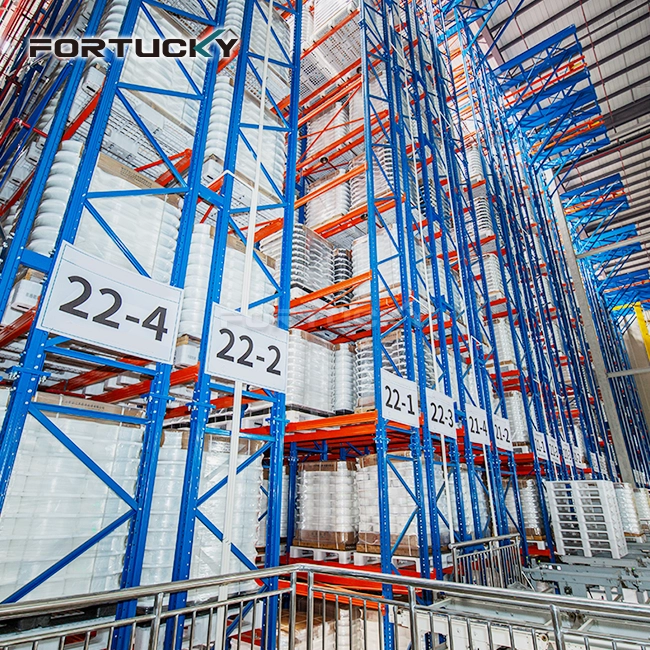
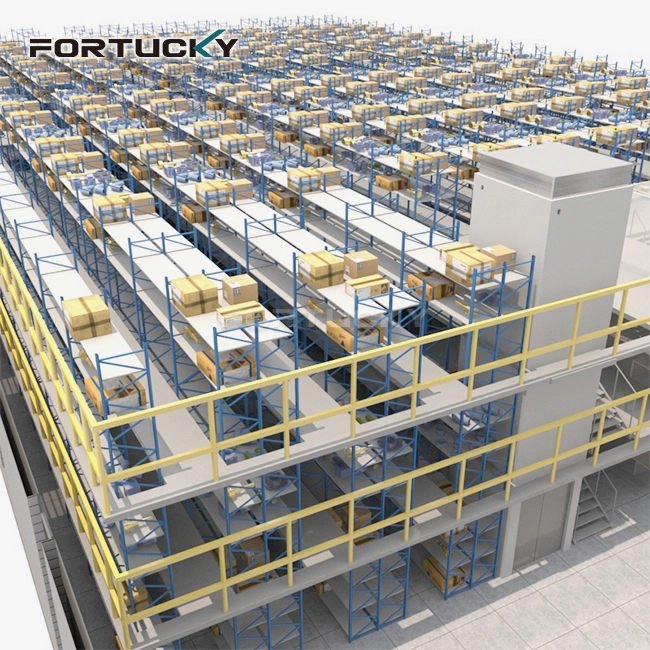
A mezzanine platform is more than just a set of shelves that go up and down. It's a specially designed steel frame that adds whole new working floors to your current building. Traditional pallet racks just stack things higher, but these systems make floors available so teams can walk, pick, pack, and handle products more effectively.
Manufacturers of all kinds, from companies that make parts for cars to companies that put together electronics, have adopted this method because it solves a basic problem: how to get the most storage space into each cubic foot while still making it easy to access a wide range of products. The raised platform design lets you store everything from light-duty boxes on the upper floors to heavy-duty pallets below.
One feature that makes these systems very useful for FMCG wholesalers and drug stores is that they can divide operations vertically. Ground-level areas are used for high-turnover items that need to be moved with forklifts, while higher levels are used for picking smaller parts or even as offices with a view of the activities.
Because it's flexible, you don't have to stick to one setup. The structure changes to fit your needs as your product mix or production needs change. Panels can be moved, stairs can be moved, and load rates can be changed, which is something that can't be done with a standard building.
Critical Factors Before Purchasing Industrial Shelving
Building Infrastructure Assessment
Before you talk about quotes, you should check to see how much your building can hold. The width of the concrete slab, the height gap from the roof, the distance between columns, and any current HVAC or fire systems can all change the design parameters. For most medium-duty systems, the clear height must be at least 6 meters for the upper floors to really work.
Electrical supply issues are also important. Does your raised storage platform need built-in lighting? Are you going to put conveyor systems or self-driving cars on these levels? These questions have a direct effect on the engineering requirements and the total cost of the project.
Load Capacity Requirements
Most systems can hold between 300 and 1000 kg per square meter, but accuracy is important. Underestimating causes risks to safety and limits the ability to do things. Overspecifying loses money on structure support that isn't needed.
The needs of cold chain shipping operations that store temperature-sensitive drugs are different from those of automobile parts centers that handle engine blocks. Not only figure out the steady weight, but also the dynamic loads, which are the forces that act when trucks move boxes or people move things across the platform.
In the heavy industry, where steel is processed or building machinery spare parts are used, layouts that are strengthened with thicker floor panels and stronger column groups are common. Facilities that make batteries for electric vehicles might need special flooring that doesn't conduct electricity or temperature control that works with the batteries.
Access and Material Handling Integration
Where will the goods go to the upper levels? For settings with modest output, hydraulic lift platforms are a cost-effective option. When boxes need to be moved quickly between levels, conveyor systems are the best way to do it. Robotic carts or vertical lift units that work directly with warehouse management systems are part of some of the most advanced multi-level mezzanine rack setups.
The way stairs are built affects both worker safety and how much work gets done. Wider stairs with gentle slopes make picking things up by hand easier and less tiring. Safety features like handrails, non-slip steps, and enough landing places aren't extras; they're necessary for keeping workflows smooth and meeting safety standards.
Configuration Options for Warehouse Storage Systems
Open Design Versus Enclosed Platforms
Most sites use open fence systems that let people see and let air flow while protecting people from falling. This way of doing things works well for general storage needs and keeps costs low.
Enclosed layouts make different rooms or offices on higher levels, which is helpful for shipping service providers who need areas for quality control or administration without giving up storage space on the ground level. When setting up these kinds of setups, you need to think about things like fire safety, emergency routes, and temperature control.
Flooring Materials and Surface Treatments
In current setups, uneven steel plates have mostly been replaced by specialized shelf panels. These designed panels spread out loads more evenly, make work areas smooth, and fit tightly into support beams. Compared to older floors with gratings, this type of flooring is safer and better at supporting weight.
Certain industries need certain surface processes. Coatings that don't rust and can handle being washed often are needed in places where food is processed. For the safety of sensitive parts, electronics manufacturing may need floors that dissipate static electricity. Chemical factories often ask for materials that are resistant to certain chemicals.
Rack Accessories and Safety Features
There is more to comprehensive systems than just the main core. Pallet stops stop push-through accidents before they happen. With column protection, truck damage can't happen. Gaps in fence systems can be filled with safety nets or wire mesh panels. Fire extinguisher clips, first aid stations, and where to put emergency signs are all parts of setups that are in line with the rules.
Pay close attention to the lighting. Naturally, there is less light on higher floors, so built-in LED systems are necessary to keep picking accurate and workers safe. Motion-activated lighting saves energy in places that are only occasionally used.
Space Optimization Strategies for High-Density Storage
Vertical storage isn't just about putting things higher; it's also about using room smartly in a way that fits with how you work. Transportation and logistics service providers often set up picking mezzanines just for fulfilling online orders, keeping this work separate from the storage of large pallets below.
Construction machinery wholesalers benefit from layouts that put quickly moving spare parts on easily reachable upper levels and reserve ground-level spaces for big, heavy parts that need to be reached by an overhead crane. This separation cuts down on journey time and keeps tools from getting backed up.
Mezzanine platforms and climate-controlled areas are often found together in agricultural processing centers. Lower levels store grains at cool temperatures, and top levels store bagged goods at room temperature, all within the same area.
The important thing is to match your product description to the vertical room that's available. A-class things that get a lot of use should be put in the front. C-class goods can be kept in less handy places without slowing down operations. When this tiering approach is put into action through multi-level buildings, it leads to measured increases in output.
 Evaluating Suppliers and Technical Capabilities
Engineering Expertise and Customization Depth
It's rare for generic catalog solutions to work properly in manufacturing or transportation settings that are very complicated. You need people who can do site-specific engineering, which means teams that can do studies on-site, do structural math, and make thorough CAD models before the building starts. Industrial mezzanine platforms require this type of engineering precision to optimize performance.
Find out how much knowledge possible providers have in the industry you're in. A company that has made systems for buildings that store car parts knows how hard it can be to keep track of thousands of SKUs with different sizes. Someone who has worked with pharmaceutical clients knows the standards for paperwork and legal compliance.
The power to deeply customize goes beyond physical dimensions. It includes putting together your material handling equipment, making room for current lines or automatic storage systems, and making plans for when you might need to grow in the future. When it comes to storage, the best providers think about whole systems rather than just individual items.
Manufacturing Quality and Delivery Timelines
Project timelines are directly affected by how much can be produced. Suppliers with modern manufacturing facilities that can do a lot of fabrication can cut down on lead times without lowering quality. Precision laser cutting, automatic welding stations, and powder finishing lines make sure that a lot of parts are all the same.
When stores are quickly running out of space, fast delivery becomes essential. E-commerce businesses that are growing during busy times can't wait months for building parts to arrive. In the same way, companies that are starting up new production lines need to make sure that their warehouses are ready at the same time to avoid delays.
Quality approvals give you peace of mind, but they also check that the output standards are met. Visits to factories that make things show more than any written record could. Also, make sure the weld quality, surface finish, and part specifications are all checked. These factors determine how long something will last and how safe it is.
Installation Support and Lifecycle Services
If the system isn't installed correctly, even the best-designed system won't work as well. Installation teams with a lot of experience work quickly, cause as little trouble as possible to current operations, and make sure the structure is strong by using the right building methods. They know things about bolt torque specs, load transfer lines, and leveling tolerances that aren't fully explained in catalog directions.
Support after installation is what sets good providers apart from great partners. As your business changes, you'll need to reconfigure, add more space, or fix things. Problems are fixed quickly by responsive service networks, especially ones with a presence in your area. You won't have to wait weeks for foreign technical help.
You can get the most out of your investment by teaching your warehouse staff how to use equipment correctly and how to keep it in good shape. Suppliers who offer full handover paperwork and operating training show that they are committed to their customers after the sale.
Cost Considerations and ROI Calculation
Capital Investment Versus Facility Expansion
Depending on where you are, it can cost anywhere from $100 to $300 per square meter to build a new warehouse. This doesn't include the cost of buying land and the longer time it takes to build. Most mezzanine setups cost 40 to 60 percent of that amount and give you room almost right away.
When potential costs are taken into account, the comparison looks even better. For every month that is spent on building, there is less space, possibly fewer sales, or higher shipping costs. Installing modular metal shelf systems takes only a few weeks instead of months, so the business can keep running as usual.
Also, don't forget about organizational saves. Picking mistakes can be avoided by being more organized. Less trip distance is needed when the room is better used. Carrying costs go down when it's easier to see what's in stock because of better sorting. Over time, these factors add up, shortening payback times far beyond what simple capacity estimates can show.
Hidden Costs and Budget Factors
Full budgets take into account more than just the rack structure. If the blocks that are already there can't hold the expected loads, the foundation may need to be strengthened. Adding electrical work for plugs and lights costs money. Adding new floors to a fire control system needs technical work and a permit.
The cost of permits varies a lot from place to place. In some places, these systems are considered major structural changes that need full building permits and checks. Others treat them like movable pieces of tools that don't need much government control. To escape spending shocks, find out early on what the neighborhood's needs are.
Take into account ongoing repair budgets. Compared to traditional buildings, steel structures don't need as much maintenance. However, they do need to be inspected on a regular basis to make sure they stay safe and work well. In places that get a lot of use, protective coats may need to be touched up. When parts have been used a lot for a long time, they need to be replaced.
Industry-Specific Applications and Case Considerations
FMCG and High-Velocity Distribution
For fast-moving consumer goods, a mezzanine storage rack allows vertical separation of picking and pallet storage areas. Boxes flow down to packing stations from higher levels using gravity-fed racks, reducing walking and increasing throughput.
Temperature-zoned systems are helpful for both dairy makers and big beverage producers. Refrigerated storage on the ground levels uses the natural settling of cold air, while warmer packing materials are kept on the top levels, which saves money on climate control.
Automotive Parts and Component Storage
Because there are so many different SKUs in car storage—from small screws to whole door assemblies—tiered storage works perfectly. Small parts are grouped together on shelves that run across the top levels, and workers pick them out by hand. Larger parts are stored on lower pallet racks that trucks can reach.
For just-in-time production to work, you need to be very organized. Search times are cut down by being able to see across well-organized storage platforms. Logical grouping by assembly process puts parts where they need to be in order to meet production plans, not where they happen to fall on the racks.
Electronics Manufacturing and High-Tech Assembly
Handling static-sensitive parts needs special floors and grounding features. A lot of electronics stores put ESD-protective surfaces on the picking tables where people work with circuit boards and semiconductors.
Tracking down parts is easier when there are clean areas on higher floors that are away from truck traffic and dust. Environmental tracking is easier to set up when sensitive material is kept on specific platforms instead of being spread out in large stores.
Cold Chain and Pharmaceutical Compliance
When they aren't organized well, stores that keep things cool waste expensive space. Vertical storage options make the most of every cubic meter of temperature-controlled space. Careful planning makes sure that wind patterns don't get messed up, which is important for keeping the storage area at a constant temperature.
Pharmaceutical companies have to follow strict rules when it comes to keeping products separate and keeping an eye on the surroundings. Mezzanine platforms put up real walls between types of products, which makes compliance paperwork easier. Cross-contamination risks can be avoided by having separate platforms for things that are in quarantine or have been returned.
Integration with Warehouse Management Systems
These days, moving things around doesn't happen in a vacuum. Your storage infrastructure needs to be able to talk to the digital systems that keep track of supplies, handle orders, and plan production. The steel structure itself is still analog, but the operations that go along with it are becoming more and more computerized.
Barcode scanners, RFID readers, and pick-to-light systems all work well with bases that are built correctly. When wiring pathways and data cabling are built into the initial installation, it costs a lot less to make changes later. Plan for these tech points of contact during the planning phase instead of having to change things to fit them after the fact.
Control systems in warehouses that coordinate automatic tools need to be able to clearly define space. Advanced optimization techniques can work with digital twin models that show how your actual storage is set up, including any upper levels. These systems manage traffic, pick orders in the best way, and spread work evenly among zones to get the most done.
As ideas about Industry 4.0 develop, connection becomes more and more important. Platforms that support future sensor networks, self-driving mobile robots, or virtual reality picking systems will help your business keep growing instead of becoming outdated too soon.
Conclusion
Selecting the right mezzanine platform system requires balancing immediate capacity needs against long-term operational flexibility. The most successful installations result from careful planning that considers structural requirements, workflow integration, safety compliance, and digital ecosystem connectivity. By partnering with experienced suppliers who understand your industry's unique challenges, you transform constrained warehouse space into a strategic competitive advantage. The investment in properly engineered vertical storage delivers measurable returns through increased throughput, reduced labor costs, and improved inventory accuracy—outcomes that directly support manufacturing excellence and supply chain resilience.
Partner with a Proven Mezzanine Storage Rack Manufacturer for Your Project
Fortucky brings over a decade of specialized experience helping leading manufacturers and logistics providers optimize warehouse capacity through engineered mezzanine storage rack platforms. With a dedicated R&D team and an advanced production facility, we deliver customized multi-tier solutions designed specifically for your operational requirements. Our extensive project portfolio includes installations for Fortune 500 corporates across automotive, electronics, and FMCG sectors. Connect with our engineering team at sales@fortuckyrobot.com to discuss your space optimization goals and receive a detailed technical proposal tailored to your facility.
References
1. Richards, G. (2018). Warehouse Management: A Complete Guide to Improving Efficiency and Minimizing Costs in the Modern Warehouse. Kogan Page Publishers.
2. Frazelle, E. (2016). World-Class Warehousing and Material Handling (2nd ed.). McGraw-Hill Education.
3. Bartholdi, J.J., & Hackman, S.T. (2019). Warehouse & Distribution Science: Release 0.98. Supply Chain and Logistics Institute.
4. Tompkins, J.A., White, J.A., Bozer, Y.A., & Tanchoco, J.M.A. (2010). Facilities Planning (4th ed.). John Wiley & Sons.
5. Berg, J.P. van den, & Zijm, W.H.M. (1999). "Models for warehouse management: Classification and examples. " International Journal of Production Economics, 59(1-3), 519-528.
6. Gu, J., Goetschalckx, M., & McGinnis, L.F. (2007). "Research on warehouse operation: A comprehensive review." European Journal of Operational Research, 177(1), 1-21.
Learn about our latest products and discounts through SMS or email