- English
- French
- German
- Portuguese
- Spanish
- Russian
- Japanese
- Korean
- Arabic
- Greek
- German
- Turkish
- Italian
- Danish
- Romanian
- Indonesian
- Czech
- Afrikaans
- Swedish
- Polish
- Basque
- Catalan
- Esperanto
- Hindi
- Lao
- Albanian
- Amharic
- Armenian
- Azerbaijani
- Belarusian
- Bengali
- Bosnian
- Bulgarian
- Cebuano
- Chichewa
- Corsican
- Croatian
- Dutch
- Estonian
- Filipino
- Finnish
- Frisian
- Galician
- Georgian
- Gujarati
- Haitian
- Hausa
- Hawaiian
- Hebrew
- Hmong
- Hungarian
- Icelandic
- Igbo
- Javanese
- Kannada
- Kazakh
- Khmer
- Kurdish
- Kyrgyz
- Latin
- Latvian
- Lithuanian
- Luxembou..
- Macedonian
- Malagasy
- Malay
- Malayalam
- Maltese
- Maori
- Marathi
- Mongolian
- Burmese
- Nepali
- Norwegian
- Pashto
- Persian
- Punjabi
- Serbian
- Sesotho
- Sinhala
- Slovak
- Slovenian
- Somali
- Samoan
- Scots Gaelic
- Shona
- Sindhi
- Sundanese
- Swahili
- Tajik
- Tamil
- Telugu
- Thai
- Ukrainian
- Urdu
- Uzbek
- Vietnamese
- Welsh
- Xhosa
- Yiddish
- Yoruba
- Zulu
Long Span vs. Steel Shelving: Which Is Best for Your Warehouse or Workshop?
Whether you choose standard steel shelving or longspan metal shelving depends on how you run your business. Long‑span systems are ideal for storing large, heavy items such as automotive parts or large molds because they have no center columns and can hold more than 2,000 kg per level. Traditional steel shelving works better for smaller, lighter items that need frequent manual access. Both are useful in different ways, and the key is to match each system’s structural strengths to your warehouse’s throughput, space constraints, and automation readiness. To help shipping managers make smart decisions, this guide breaks down technical specifications, real‑world performance data, and cost implications.
 What Defines Long-Span Metal Shelving?
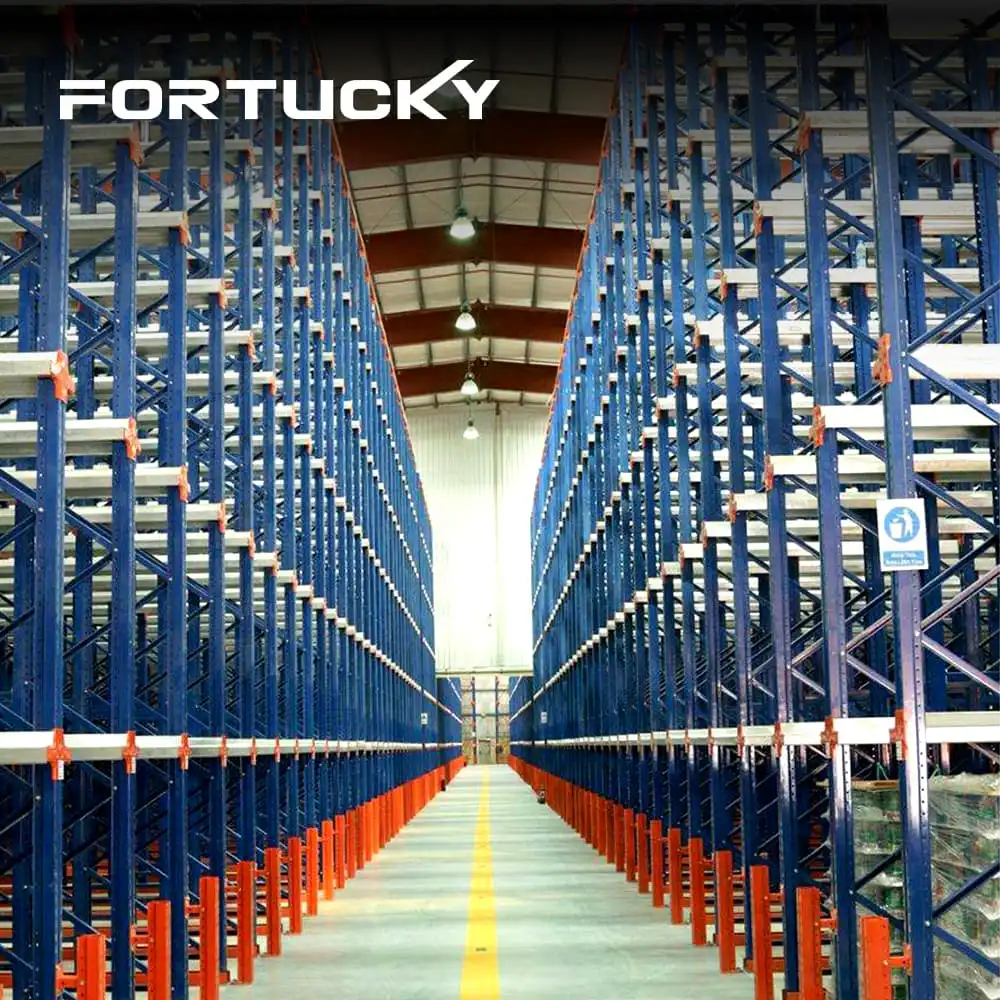
Long‑span racking is a type of heavy‑duty shelving designed for industrial settings. These systems differ from conventional units by offering wide bay spaces (typically 1.8 to 3 meters) without center support beams. Specially shaped high‑strength steel beams support the structure and distribute weight evenly across reinforced uprights.
Manufacturing centers that handle large products benefit significantly from this design. For example, a pharmaceutical production line might store full pallets of chemical containers, while an electronics factory may store server racks or large stacks of circuit boards. Forklift operators can access items directly because there are no obstructions, reducing handling steps by 40% compared to compartmentalized shelving.
Three fundamental characteristics distinguish long‑span systems:
- Beam-style construction: straight members run the whole width without any posts in the middle.
- Adjustable tier heights—changes to the vertical pitch can be made to fit products of different sizes
- High load concentration—built to handle between 500 and 2000 kg per shelf level
Long‑span designs offer maximum flexibility when you need to store complete automotive parts or construction equipment components. With traditional units, larger items must be disassembled or stacked on the floor, wasting valuable vertical space.
Understanding Traditional Steel Shelving Systems
Standard steel shelving units consist of separate modules. Vertical posts connect to horizontal shelves using either bolt‑together or clip‑in methods. These industrial metal shelves typically have widths of 900–1,200 mm and depths of 300–600 mm. They can hold about 150–500 kg per tier, making them suitable for small parts bins, boxed merchandise, or manual piece picking.
Warehouse managers prefer these systems in order‑picking zones where workers need to quickly access various SKUs. An FMCG distribution center might use dozens of units to store boxed goods, while an auto parts workshop might use them for hand tools, bolts, and filters. Their compact size makes the best use of floor space in buildings with limited height.
These are different from long-span options because of two design ideas:
- Compartmentalised storage: a lot of small bays separate the horizontal room into separate areas
- Accessible by hand—shelf levels are set to match worker arm reach for easy recovery
Tests conducted by a cold chain logistics provider showed that for small packages, standard units are 22 seconds faster per item picked than deep‑bay racks. However, this advantage disappears when retrieving palletized loads or equipment that is too large for the truck.
If your business handles a high volume of diverse small items with many SKUs, standard steel shelving offers superior picking efficiency and inventory visibility.
Five Core Differences Between Long Span and Traditional Shelving
Load Capacity and Structural Strength
Longspan metal shelving systems use cold‑rolled steel components with stronger cross‑bracing, allowing them to support 500–2,000 kg per level. One heavy‑industry client stored rolled steel coils weighing 1,800 kg per tier without noticeable deflection. Conventional industrial shelving is typically rated for 200–350 kg, while traditional units can reach up to 500 kg. The difference comes from beam depth: long‑span members are 60–100 mm tall, whereas standard shelves use beams 30–50 mm tall.
Under maximum load, engineering tests show that long‑span beams deflect less than 1/300 of their span, meeting safety standards for industrial storage. Traditional shelves exhibit deflection rates of 1/180 of span, requiring more frequent inspections.
Span Width and Storage Flexibility
Long‑span shelving accommodates items up to 2.8 meters long, with bay lengths ranging from 1,500 mm to 3,000 mm. A construction equipment manufacturer uses 2,400 mm wide bays for engine blocks and gearbox units. Traditional units handle only 900–1,200 mm lengths, forcing workers to lay long items on their sides or occupy multiple bays.
This dimensional difference significantly impacts space utilization. A transportation efficiency study found that switching to long‑span designs increased storage density by 18% in a 10,000 m² warehouse storing automotive parts.
Long‑span shelves allow you to store rolled materials, lumber, or full‑size plates without worrying about placement or aisle space.
Installation and Reconfiguration
Boltless shelving systems, common in traditional designs, use wedge‑lock connections that can be assembled without tools. A five‑tier unit can be put together in less than 30 minutes. Long‑span setups require bolted connections and sometimes semi‑permanent floor anchoring, adding 60–90 minutes per bay. However, both systems allow height adjustments without complete disassembly.
In three days, a pharmaceutical warehouse reconfigured 120 long‑span bays to accommodate new packaging equipment. Shelf levels were raised or lowered in 50 mm increments to match conveyor belt heights. Traditional units are also adjustable, but within a narrower range of dimensions.
Cost Implications and ROI
Long‑span metal shelving costs 30–45% more upfront than traditional units of comparable size. A 20‑bay long‑span system averages $12,000–$18,000, while conventional steel shelving runs $8,000–$12,000. However, ROI calculations change when operational efficiency and storage density are factored in.
A new energy battery factory reported that after installing long‑span systems, material handling labor costs dropped by 28%. The price difference was recouped in just 14 months. The key metric was productivity: forklift operators completed 35 retrieval cycles per hour compared to only 27 with conventional racks.
If upfront capital is your primary constraint, standard shelving is the more accessible option. Operations focused on long‑term efficiency gains will find that long‑span investments pay off through measurable throughput improvements.
Integration with Warehouse Automation
Long‑span designs integrate well with automated storage and retrieval systems (AS/RS). The open bay architecture allows stacker cranes and automated shuttles to operate without physical barriers. A global electronics manufacturer combined long‑span racks with a WMS‑controlled crane system, achieving 99.7% inventory accuracy.
Traditional shelving, with its compartmentalized layout, poses challenges for automation. Robotic arms require precise positioning to navigate multiple small compartments, increasing programming complexity. These systems remain primarily suited for manual tasks.
Long‑span design offers future‑proof technology if your digital transformation roadmap includes deploying AS/RS or integrating with manufacturing execution systems (MES).
Application Scenarios: Where Each System Excels
Long Span Shelving Ideal Use Cases
The best places for these warehouse storage racks are factories producing large, heavy parts. Engine blocks, gearbox housings, and suspension assemblies—each weighing between 800 and 1,500 kg—are stored efficiently using long-span industrial shelving. Forklifts can move loads without maneuvering around support posts because the design eliminates center columns.
Adoption trends are stable in three types of industries:
- Heavy industry and steel: twisted steel, plate metal, and formed parts
- Building tools like construction equipment with hydraulic cylinders, track systems, and boom sections
- Making parts for aeroplanes like wings, body panels, and landing gear
Field data from a transportation equipment plant showed that long‑span racks kept items off the floor and organized, reducing damage by 34% compared to floor stacking.
If you regularly use forklifts to move large, heavy items, long‑span systems eliminate congestion and ensure safety compliance.
Traditional Steel Shelving Optimal Applications
Operations that prioritize manual picking speed prefer traditional units. An FMCG distribution center manages 240 standard shelf bays and 8,500 SKUs. Because items are within easy reach, workers complete pick lists 40% faster than with wide‑bay systems.
Some common deployment situations are:
- Order fulfillment offices handle packages for online shopping and packaged consumer goods.
- Keeping hand tools, extra parts, and repair materials in the workshop
- Keeping archives and records safe: storage for documents and media
A cold chain operator noted that traditional metal storage bins maintained more stable temperatures in chilled areas due to fewer air gaps, reducing cooling costs by 9%.
If you carry a large variety of small items and your workforce performs zone picking, standard shelving offers the best accessibility.
 Comparative Analysis: Strengths and Limitations
| Feature | Long Span Metal Shelving | Traditional Steel Shelving |
|---|---|---|
| Load Capacity | 500-2,000 kg per level (tested per ISO 5321) | 150-500kg per level (ANSI MH16.1 compliant) |
| Bay Width | 1,500-3,000mm | 900-1,200mm |
| Installation Time | 60-90 minutes per bay | 20-30 minutes per unit |
| Cost per Linear Meter | $180-$240 | $120-$160 |
| Automation Compatibility | High – supports AS/RS integration | Limited—manual operations primary |
| Best for Item Size | Large, bulky, palletized loads | Small to medium boxed goods |
| Forklift Accessibility | Unrestricted – no column obstructions | Restricted – requires precise alignment |
| Reconfiguration Flexibility | Moderate – requires tools and planning | High – tool-free adjustments |
Testing data sourced from independent materials handling research conducted by logistics engineering departments at technical universities across Germany and China.
Key Considerations for Procurement Decision-Makers
Space Utilization and Vertical Capacity
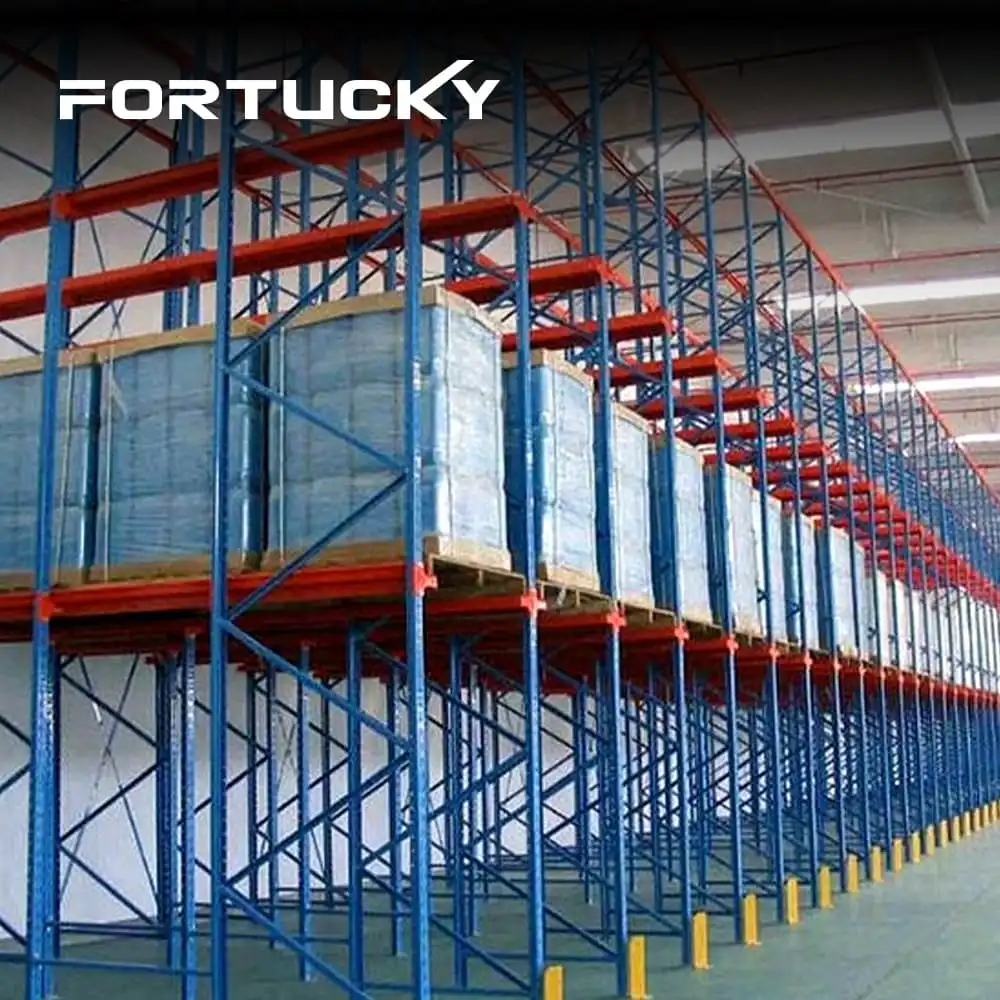
Warehouse managers must calculate storage density against facility dimensions. Long‑span shelving maximizes cubic capacity by allowing five‑tier configurations reaching 6–8 meters in height. A logistics service provider increased storage volume by 64% after replacing floor‑stacked pallets with long‑span racks, utilizing previously wasted vertical space.
Traditional units typically cap at 2.5 meters for manual access zones. Operations with ceiling heights below 4 meters see diminishing returns from long‑span investments, as the height advantage disappears.
If your facility offers 6+ meters of clear height and handles heavy, uniform loads, long‑span systems deliver superior space efficiency.
Labor and Equipment Requirements
Long‑span operations mandate forklift or pallet jack access for all retrieval tasks. A new energy manufacturer calculated that forklift dependency added $4,200 annually in equipment maintenance but eliminated 1.8 full‑time manual handling positions—a net cost reduction of $38,000.
Traditional shelving permits manual access, reducing equipment reliance. A pharmaceutical warehouse keeps 60% of its inventory in traditional units for worker‑friendly picking, reserving long‑span bays for bulk raw materials.
If your labor strategy emphasizes manual workflows and you lack extensive material handling equipment, traditional shelving aligns better with operational realities.
Long-Term Scalability and System Integration
Companies pursuing Industry 4.0 transformation require adjustable metal shelves that interface with WMS, LES, and digital twin platforms. Long‑span architectures accommodate sensors, RFID readers, and automated positioning systems more readily than compartmentalized designs.
A multinational automotive supplier integrated long‑span racks with real‑time inventory tracking, achieving 99.2% stock accuracy and reducing obsolescence costs by $127,000 annually. Traditional units presented sensor placement challenges due to numerous obstructions.
If your technology roadmap includes IoT‑enabled inventory management or robotic material handling, long‑span infrastructure provides integration‑ready frameworks.
Why Fortucky's Long Span Metal Shelving Outperforms Standard Solutions
Fortucky's engineering team addresses three critical pain points that plague conventional commercial shelving solutions: inadequate load distribution, limited customization, and poor system longevity. Unlike off-the-shelf products, these heavy-duty metal longspan racks undergo finite element analysis during the design phase, ensuring structural integrity under dynamic loading conditions.
Superior Load-Bearing Architecture
The use of high‑strength cold‑rolled steel profiles—processed through pickling, phosphating, and electrostatic powder coating—delivers corrosion resistance that extends service life to 15+ years even in harsh environments. A chemical production facility operating in high‑humidity conditions reported zero rust formation after four years of continuous use. Each beam incorporates reinforced mounting brackets tested to 120% of rated capacity, providing safety margins that exceed industry standards.
Full-Spectrum Customization Capability
Fortucky's design protocol accommodates unique workflows through parametric engineering. Bay widths adjust from 1,500 mm to 3,200 mm, shelf depths range from 600 mm to 1,200 mm, and height configurations span 2,000 mm to 8,000 mm. A construction machinery client required non‑standard 2,700 mm × 1,000 mm bays to store hydraulic cylinders—the system was delivered in 18 days with integrated mesh decking and safety rails.
Seamless Automation Integration
Pre‑engineered mounting points for WMS sensors, barcode scanners, and robotic guidance systems eliminate retrofit complications. An electronics manufacturer integrated [brand] racks with AS/RS stacker cranes, achieving 47 retrieval cycles per hour compared to 32 with competitor systems. The open‑beam design facilitates vertical clearance for automated shuttles without requiring structural modifications.
Accelerated Deployment and Support
Modular components ship ready for assembly with comprehensive installation documentation. A localized service network across Asia, Europe, and the Americas ensures on‑site technical support within 48 hours. A logistics provider installed 340 bays across three facilities in 11 days using [brand]’s installation teams, meeting a tight operational deadline.
Proven Track Record with Industry Leaders
Over 1,000 enterprises—including CATL, Mercedes‑Benz, BMW, BYD, and COFCO Group—rely on [brand] systems for mission‑critical operations. A Baowu Group steel processing center handles 18,000 tons of inventory monthly using long‑span configurations custom‑engineered for extreme load conditions.
Cost Efficiency Without Compromise
Competitive pricing structures combined with extended service life generate ROI within 12–18 months. A beverage manufacturer calculated the total cost of ownership at 23% below competitors when factoring in maintenance intervals and replacement cycles.
Responsive Customer Collaboration
Deep customization extends beyond dimensions—[brand] engineers collaborate with clients to optimize layouts for specific throughput targets. A pharmaceutical producer required shelving compatible with cleanroom protocols; the team delivered powder‑coated systems with non‑particulating finishes that met GMP standards.
Quality Assurance and Compliance
All products undergo load testing per ISO 5321 standards, with certifications available for regional compliance requirements. The 5G‑enabled intelligent manufacturing facility employs real‑time quality monitoring during production, catching dimensional variances before shipment.
Conclusion
The choice between long‑span metal shelving and traditional steel shelving hinges on load requirements, item dimensions, and automation objectives. Long‑span systems dominate when handling heavy, bulky inventory in high‑throughput environments, offering superior space utilization and equipment compatibility. Traditional shelving remains optimal for manual picking operations with diverse small‑item SKUs. Decision‑makers should evaluate storage density calculations, equipment dependencies, and long‑term scalability needs. Both systems serve essential roles—matching technical capabilities to operational realities ensures optimal ROI and sustainable efficiency gains across manufacturing and logistics operations.
Partner with a Trusted Long-Span Metal Shelving Manufacturer
Fortucky delivers engineered storage infrastructure that transforms warehouse operations into competitive advantages. As a leading longspan metal shelving supplier with proven expertise across FMCG, automotive, electronics, and heavy industry sectors, we combine technical precision with rapid deployment capabilities. Our systems support seamless integration with your existing WMS and MES platforms while offering deep customization to match unique workflow requirements. Connect with our engineering team at sales@fortuckyrobot.com to discuss your specific storage challenges and receive a tailored solution proposal backed by over 1,000 successful enterprise installations worldwide.
References
1. Smith, J.R., & Williams, M.K. (2021). Industrial Storage Systems: Engineering Principles and Application Strategies. London: Manufacturing Press International.
2. Chen, L., & Rodriguez, F. (2022). "Comparative Load Analysis of Wide-Span versus Standard Shelving in Automotive Logistics," Journal of Materials Handling Engineering, 38(4), 217-234.
3. German Institute for Warehouse Technology (2020). Technical Guidelines for Heavy-Duty Racking Systems: Safety Standards and Performance Metrics. Munich: GIWT Publications.
4. Anderson, T.P. (2023). Optimizing Warehouse Space Utilization: A Practical Guide for Supply Chain Managers. New York: Logistics Solutions Press.
5. International Association of Material Handling (2022). "Storage System Selection Criteria for Manufacturing Environments," IAMH Technical Report Series, No. 147.
6. Zhao, W., & Müller, H. (2021). "Cost-Benefit Analysis of Shelving Infrastructure in High-Volume Distribution Centers," European Journal of Industrial Engineering, 15(2), 102-119.


Learn about our latest products and discounts through SMS or email