- English
- French
- German
- Portuguese
- Spanish
- Russian
- Japanese
- Korean
- Arabic
- Greek
- German
- Turkish
- Italian
- Danish
- Romanian
- Indonesian
- Czech
- Afrikaans
- Swedish
- Polish
- Basque
- Catalan
- Esperanto
- Hindi
- Lao
- Albanian
- Amharic
- Armenian
- Azerbaijani
- Belarusian
- Bengali
- Bosnian
- Bulgarian
- Cebuano
- Chichewa
- Corsican
- Croatian
- Dutch
- Estonian
- Filipino
- Finnish
- Frisian
- Galician
- Georgian
- Gujarati
- Haitian
- Hausa
- Hawaiian
- Hebrew
- Hmong
- Hungarian
- Icelandic
- Igbo
- Javanese
- Kannada
- Kazakh
- Khmer
- Kurdish
- Kyrgyz
- Latin
- Latvian
- Lithuanian
- Luxembou..
- Macedonian
- Malagasy
- Malay
- Malayalam
- Maltese
- Maori
- Marathi
- Mongolian
- Burmese
- Nepali
- Norwegian
- Pashto
- Persian
- Punjabi
- Serbian
- Sesotho
- Sinhala
- Slovak
- Slovenian
- Somali
- Samoan
- Scots Gaelic
- Shona
- Sindhi
- Sundanese
- Swahili
- Tajik
- Tamil
- Telugu
- Thai
- Ukrainian
- Urdu
- Uzbek
- Vietnamese
- Welsh
- Xhosa
- Yiddish
- Yoruba
- Zulu
Space-Saving Mastery: Why Heavy Duty Racks Form the baseline in 2026
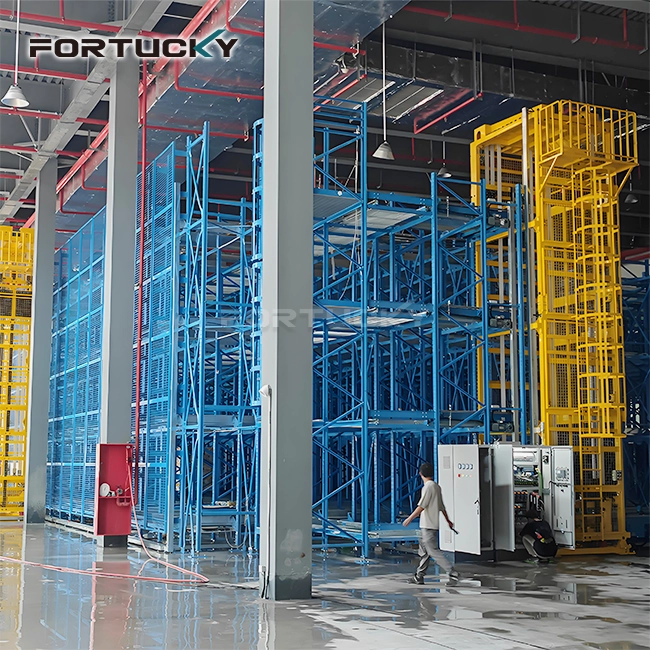
As we move through 2026, warehouse and shipping processes are under more pressure than ever to make the most of every square inch. Heavy Pallet Racking has become an essential component of modern storage, enabling efficient use of vertical space while supporting substantial weight loads. These steel-framed systems transform warehouses by allowing more goods to be stored within existing footprints, reducing the need for expensive expansions. Advanced racking systems—capable of holding up to 2,000 kg per pallet and reaching heights of 30 meters—solve the daily challenges that manufacturers and logistics providers encounter.
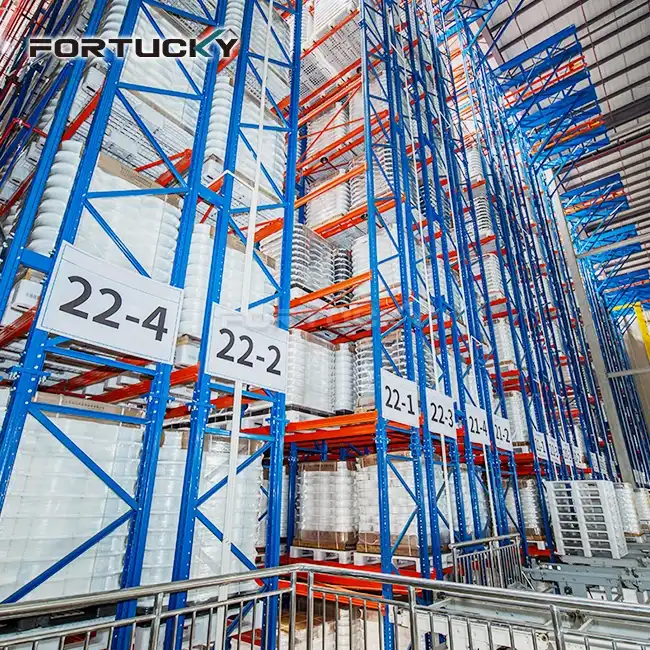
 Understanding Heavy Duty Pallet Racking: The Space-Saving Backbone of Modern Warehousing
Durable heavy pallet racking is a critical element of efficient warehouse operations. These systems enable high-density storage within structures stable enough to handle significant loads. At their core, they consist of adjustable steel frames designed to hold palletized goods on multiple levels, creating organized and accessible lanes.
What Defines Industrial Storage Frameworks
Heavy pallet racking systems are built from upright frames connected by horizontal beams, forming a grid structure capable of supporting heavy weights. Forklifts and other material handling equipment move freely between rows thanks to the open design, allowing quick access to any storage position. This design differs from lighter shelving because it uses reinforced steel and planned load distribution.
These systems offer versatile applications. They can be configured as selective racking (providing direct access to every pallet), drive‑in setups (improving density for uniform products), or cantilever configurations (ideal for long or oddly shaped items). Each configuration meets different operational needs, from high‑turnover distribution centers to manufacturing sites managing raw materials.
Dimensions and Weight Capacity Considerations
Customization is key to effective rack deployment. Standard designs are available, but warehouses typically require custom sizes that fit their pallet dimensions, ceiling heights, and aisle lengths. Depth and width specifications can be adjusted to accommodate Euro boxes, standard 48x40‑inch pallets, or industry‑specific containers.
Weight capacity calculations consider not only the load on each pallet but also the total stress on uprights, beams, and floor anchoring systems. Systems rated for 2,000 kg per pallet position include safety margins that account for load movement during forklift operation. Structural engineers evaluate total system capacity by factoring in seismic zones, building temperatures, and typical weight distribution patterns of stored goods.
Safety Standards and Maintenance Protocols
Compliance with OSHA regulations in the U.S. and EN standards internationally ensures legal protection and workplace safety. Regular inspections identify issues such as structural fatigue, beam displacement, or anchor corrosion early—before they threaten system stability. Routine maintenance includes checking beam connections, verifying upright levelness, and assessing floor‑level impacts from equipment accidents.
Long‑term efficiency begins with proper installation by certified professionals. Load signs in each bay inform workers of weight limits, and protective barriers prevent accidental impacts. Companies that follow preventive maintenance schedules achieve longer service life from their heavy-load warehouse racking while also meeting insurance requirements and keeping workers safe.
Heavy Duty vs. Alternative Storage Solutions: Making the Right Choice for Your Warehouse
Selecting the right storage system requires more than comparing initial costs. The choice between heavy pallet racking and alternatives affects operational efficiency, total cost of ownership, and scalability over many years.
Comparing Load Capacity and Durability
For automotive parts, industrial tools, or large volumes of raw materials, heavy pallet racking outperforms lighter systems. Unlike lighter alternatives, the robust steel construction withstands repeated loading cycles and occasional impacts, resulting in longer service life, fewer replacements, and less downtime from failures.
Light‑duty shelving works well for small parts and manual pick operations, but it cannot support forklift handling or palletized loads. Price differences between systems reflect technical requirements, material thickness, and certification standards. When evaluating total cost of ownership, heavy pallet racking delivers greater value in manufacturing and distribution settings because of its longevity and lower maintenance needs.
Drive-In and Cantilever Configurations
Drive‑in racking eliminates aisles between storage positions, allowing forklifts to enter the structure and place pallets on rails. This configuration achieves 80–90% higher storage density than selective systems, but it enforces a last‑in, first‑out (LIFO) inventory pattern. Drive‑in racking is ideal for cold storage centers and facilities handling bulk goods that do not require rapid turnover.
Cantilever systems feature horizontal arms extending from vertical columns, creating unobstructed space for storing lumber, pipes, or sheets. The absence of front columns makes it easier to load long items that standard pallet bays cannot accommodate. Cantilever configurations are well suited for building material suppliers and metal fabricators who need to organize products of varying lengths.
Adjustability and Return on Investment
Modern heavy pallet racking systems include beam adjustment features that allow layout changes without complete replacement. Operations can modify bay heights and beam spacing as product lines evolve or warehouse layouts change. This adaptability prevents capital investments from becoming obsolete over time.
Return on investment (ROI) calculations consider more than just storage space. Improved usability reduces labor hours, better support minimizes product damage, and increased material storage eliminates expensive building expansions—all contributing to financial performance. Facilities using advanced racking report 30–40% productivity gains and significant reductions in cost per stored unit.
Procurement Insights: How to Select, Purchase, and Install Heavy Pallet Racking in 2026
Strategic procurement of warehouse infrastructure requires careful assessment of business needs, supplier capabilities, and implementation planning. Decision‑makers must balance current requirements against long‑term flexibility when specifying high-capacity pallet storage system.
Key Selection Criteria for Buyers
The selection process begins with a warehouse footprint analysis. Measuring clear heights, column spacing, and floor load capacities establishes system design constraints. Inventory profiling—examining pallet sizes, weight distribution, turnover rates, and seasonal fluctuations—helps determine optimal bay layouts.
Scalability factors include future growth projections. Modular systems that can be expanded incrementally prevent over‑investment while enabling business expansion. Supplier reputation and certification provide assurance of engineering standards and industrial quality. References from similar industries offer insights into long‑term performance and adaptability.
Pricing Structures and Financial Planning
Racking costs are typically quoted per pallet position, varying with load capacity, height, and customization level. Bulk purchasing reduces costs, especially when standardizing across multiple sites. Suppliers often offer tiered pricing based on order volume and delivery schedules.
Installation costs must be included in the budget. Depending on site complexity and conditions, these costs can represent 20–35% of the total project cost. Leasing offers an alternative to outright purchase, spreading costs across operating budgets and preserving cash for other investments. The choice between ownership and leasing depends on tax implications, balance sheet impact, and the expected duration of facility occupancy.
Professional Installation and Logistics
Certified installation teams ensure structural integrity by using proper anchors, verifying plumbness, and conducting load tests. Professional services minimize operational disruption by working outside normal business hours or implementing phased approaches that maintain continuous operations. Delivery logistics coordinate material staging, equipment access, and debris removal to accelerate the construction process.
Safety protocols protect both workers and ongoing activities during installation. Establishing exclusion zones around active construction, assembling in ways that keep aisles usable, and performing final inspections before commissioning all help prevent accidents and ensure code compliance. Companies benefit from turnkey solutions that combine engineering, delivery, and installation under a single contract.
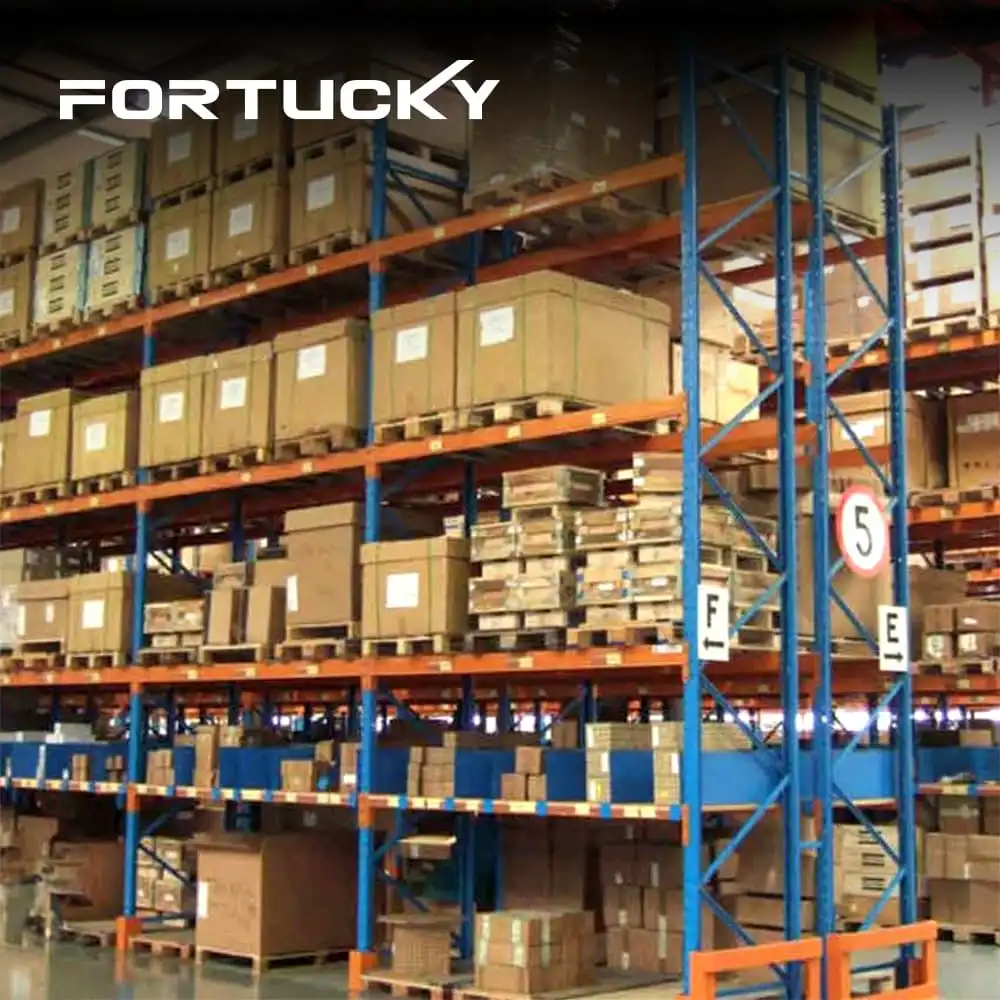 The Future of Heavy-Duty Racking: Trends and Innovations Shaping 2026 and Beyond
The warehouse infrastructure sector continues to evolve with new technologies and sustainability initiatives. These changes are transforming how businesses purchase and operate heavy pallet racking systems.
Automation Integration and Smart Technology
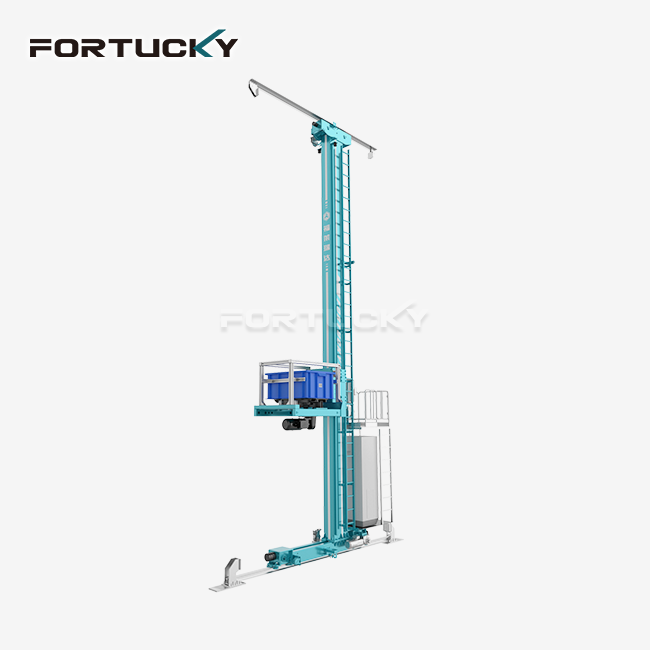
Heavy pallet racking is increasingly used as the foundation for automated storage and retrieval systems (AS/RS). Stacker cranes move between rows at speeds humans cannot match, and real‑time signals from sensors guide warehouse management systems (WMS) in directing product movement. This integration requires racking systems built with tighter tolerances and embedded positioning sensors.
IoT‑enabled monitoring shifts maintenance from reactive to proactive. Sensors embedded in structural components detect unusual stress, temperature changes, or unintended collisions, sending alerts before failures occur. RFID integration provides centimeter‑level real‑time inventory accuracy, reducing search time and picking errors.
Sustainability and Material Innovation
Environmental considerations are influencing both manufacturing processes and material selection. As mills improve processing, the proportion of recycled steel in racking components has increased significantly. Energy‑efficient manufacturing methods reduce carbon footprints while maintaining structural performance standards.
Design approaches now emphasize longevity and adaptability to reduce replacement frequency. Modular components allow repairs by replacing only damaged parts rather than entire systems. Advanced coating technologies improve corrosion resistance, which is especially valuable in cold storage or high‑humidity environments where standard finishes degrade quickly.
Modularity and Customization Trends
The traditional one‑size‑fits‑all approach to warehouse infrastructure has given way to highly customized solutions tailored to specific business processes. Suppliers now offer design consultations that include throughput modeling, space utilization metrics, and equipment compatibility assessments before finalizing specifications.
Collaboration between racking manufacturers and automation providers produces solutions that optimize both structural and technological performance. Facilities can implement Industry 4.0 principles by connecting physical storage systems to digital management platforms that optimize product placement based on velocity and order pattern analytics.
Trust and Partner with Industry-Leading Heavy Pallet Racking Suppliers
Choosing the right Heavy Pallet Racking supplier significantly affects project success, long‑term system performance, and operational ease. The difference between good and excellent providers becomes clear when examining engineering support, manufacturing precision, and post‑installation service.
Evaluating Global and Regional Manufacturers
Leading manufacturers differentiate themselves through comprehensive quality systems, engineering expertise, and proven track records across demanding applications. Certifications from independent testing laboratories validate structural calculations and material specifications. Global suppliers support standardization across multiple sites, while regional suppliers may offer faster response times and more personalized support.
Customization flexibility and delivery reliability depend on manufacturing capabilities. Modern production facilities with automated welding, precision drilling, and powder coating lines ensure consistent quality across large orders. Supply chain stability ensures material availability even during market disruptions in steel or finishing materials.
Client Success and Performance Validation
Case studies from automotive manufacturers, electronics producers, and FMCG distributors demonstrate real‑world performance under challenging conditions. Projects involving fast‑moving goods, seasonal fluctuations, or 24/7 operations validate system reliability and supplier support capabilities.
ROI documentation shows measurable improvements in storage density, labor efficiency, and inventory accuracy after system implementation. Third‑party testimonials from operations managers, logistics directors, and procurement professionals provide honest feedback on partnership experiences and long‑term satisfaction.
Conclusion
Heavy pallet racking systems have become essential infrastructure for modern manufacturing and logistics operations. By efficiently utilizing high ceilings, delivering robust load capacity, and offering operational flexibility, these systems address the core challenges warehouse managers face in 2026. As technology integration advances and sustainability demands grow, these foundational systems evolve to support increasingly complex operations. Today’s strategic procurement decisions establish the operational framework for decades of effective inventory management and competitive performance in demanding markets.
FAQ
1. What load capacity should I specify for industrial racking?
The maximum load capacity should be based on your heaviest palletized items plus an appropriate safety margin. Systems rated for up to 2,000 kg per position can handle most manufacturing and distribution needs, including bulk materials, automotive parts, and machinery components. Structural engineers should verify the total distributed weight across all levels, accounting for dynamic forces from forklift operation and potential impact scenarios.
2. How does racking height affect warehouse efficiency?
Vertical storage extending to 12–30 meters increases usable space without expensive building expansions. Operating in taller systems requires specialized equipment such as reach trucks or automated stacker cranes. Increasing cubic capacity typically pays for itself within 18–24 months by enabling higher inventory levels and faster throughput.
3. Can existing racking be reconfigured for different products?
Adjustable beam systems can be reconfigured to accommodate changing product requirements without complete replacement. Beam positions can be changed vertically to adjust bay heights, and capacity can be modified by adding or removing levels. This adaptability prevents capital investments from becoming obsolete as business needs evolve, delivering better ROI than fixed systems.
Partner with Fortucky for Custom Heavy Pallet Racking Solutions
To optimize a warehouse, you need more than just tools; you need a partner who knows how to handle complex manufacturing and precise processes. Fortucky has worked with more than 1,000 partners around the world for more than ten years in the automobile, electronics, pharmaceutical, and fast-moving consumer goods (FMCG) industries. Our engineering teams create Heavy Pallet Racking systems that are specifically designed to fit your business processes, whether they are for standard forklift operations or automated retrieval systems.
Our competitive benefits come from the fact that we have implemented storage systems in buildings all over the world. We keep up an intelligent production plant that is connected to 5G and uses the same automation ideas that we tell our users to use. Our planning suggestions and ability to make changes are based on this hands-on experience. Our regional service networks in the Americas, Europe, and Asia provide fast support throughout the lifecycle of systems. Full certifications guarantee compliance with international standards.
Speed is important when looking for a trusted provider. Our quick shipping times keep project delays to a minimum, and our deep customization options let you meet specific needs that standard goods can't. Whether you need systems that work with WMS platforms, custom sizes for non-standard boxes, or setups that support cold chain operations, our teams can deliver solutions that are exactly what you need. Contact our experts at sales@fortuckyrobot.com to talk about your warehouse infrastructure needs.
References
1. Industrial Storage Systems Engineering Standards Committee. "Structural Design Requirements for Warehouse Racking Systems. "American Society of Civil Engineers, 2025.
2. Martinez, J. and Thompson, R. "Optimizing Warehouse Space Utilization Through Advanced Racking Configurations." Journal of Supply Chain Management, Vol. 58, No. 3, 2024, pp. 112-129.
3. Chen, L. "The Evolution of Material Handling Infrastructure in Automated Warehouses." International Journal of Logistics Research, 2025.
4. North American Steel Association. "Sustainability Standards for Industrial Racking Manufacturing." Technical Report SR-2024-07, 2024.
5. Weber, K. and Jackson, M. "Cost-Benefit Analysis of Warehouse Storage System Investments." Operations Research Quarterly, Vol. 45, No. 2, 2025, pp. 78-94.
6. Global Warehousing Technology Council. 2026 Industry Report: Trends in Automated Storage and Retrieval Systems." Annual Market Analysis, January 2026.

Learn about our latest products and discounts through SMS or email