- English
- French
- German
- Portuguese
- Spanish
- Russian
- Japanese
- Korean
- Arabic
- Greek
- German
- Turkish
- Italian
- Danish
- Romanian
- Indonesian
- Czech
- Afrikaans
- Swedish
- Polish
- Basque
- Catalan
- Esperanto
- Hindi
- Lao
- Albanian
- Amharic
- Armenian
- Azerbaijani
- Belarusian
- Bengali
- Bosnian
- Bulgarian
- Cebuano
- Chichewa
- Corsican
- Croatian
- Dutch
- Estonian
- Filipino
- Finnish
- Frisian
- Galician
- Georgian
- Gujarati
- Haitian
- Hausa
- Hawaiian
- Hebrew
- Hmong
- Hungarian
- Icelandic
- Igbo
- Javanese
- Kannada
- Kazakh
- Khmer
- Kurdish
- Kyrgyz
- Latin
- Latvian
- Lithuanian
- Luxembou..
- Macedonian
- Malagasy
- Malay
- Malayalam
- Maltese
- Maori
- Marathi
- Mongolian
- Burmese
- Nepali
- Norwegian
- Pashto
- Persian
- Punjabi
- Serbian
- Sesotho
- Sinhala
- Slovak
- Slovenian
- Somali
- Samoan
- Scots Gaelic
- Shona
- Sindhi
- Sundanese
- Swahili
- Tajik
- Tamil
- Telugu
- Thai
- Ukrainian
- Urdu
- Uzbek
- Vietnamese
- Welsh
- Xhosa
- Yiddish
- Yoruba
- Zulu
The Ultimate Guide to Selecting the Right Foldable platform hand truck trolley
Choosing the right foldable platform hand truck trolley requires careful evaluation of load capacity, durability, maneuverability, and operational environment. This guide walks logistics managers, warehouse planners, and procurement teams through the critical considerations—from understanding material specifications and wheel configurations to assessing folding mechanisms and compliance with industrial safety standards. Whether you're optimizing last-mile delivery workflows, retrofitting warehouse operations, or integrating material handling equipment into production lines, the right selection directly impacts throughput efficiency, labor costs, and ROI.
 Understanding What Makes a Foldable Platform Hand Truck Trolley Essential?
A folding platform hand truck is a specialized material handling tool designed for horizontal transport. Its collapsing mechanism—typically located where the handle meets the frame—significantly reduces its size for storage. Unlike stationary warehouse equipment, this tool solves important intralogistics challenges.
Space economy is critical in warehousing and transportation. The folding feature greatly reduces dead freight bulk. It also bridges the gap between manual carrying and using a large truck, helping prevent musculoskeletal disorders among workers.
Last-mile delivery benefits from the ability to maneuver in tight spaces. Elevators, narrow store aisles, and urban supply routes require compact equipment. These trolleys typically handle loads between 150 kg and 600 kg.
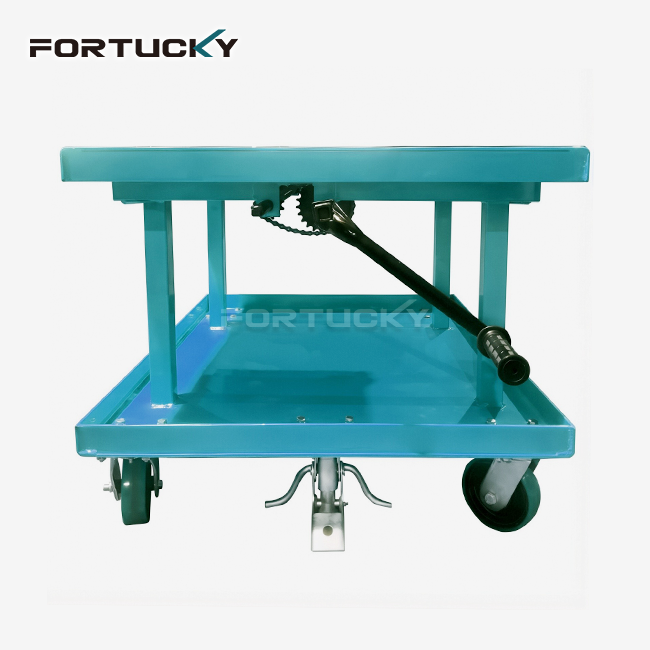
The main components are a flat cargo platform, wheels for movement, and a folding handle. The hinge system allows the handle to fold flat against the platform, making the entire unit compact. Frames are usually made of heavy-duty tubular steel, while platforms use thick plywood or resin. Space saving is especially valuable in workshops, retail stores, and busy logistics centers.
Identifying Your Industry-Specific Requirements
Different sectors demand varying specifications from their portable folding flatbed cart solutions. Fast-moving consumer goods operations require high-frequency usage with rapid deployment capabilities. Automotive parts handling needs robust load capacities exceeding 400kg to transport engine components and transmission assemblies.
Electronics manufacturing facilities prioritize static-free materials and smooth-rolling precision casters. Cold chain logistics operations require corrosion-resistant frames that withstand temperature fluctuations. Pharmaceutical production environments mandate easy-to-clean surfaces that comply with GMP standards.
Urban logistics and courier services rely on folding capability for maximum parcel density in vans. Large-diameter pneumatic or PU wheels negotiate curbs and uneven pavement. Delivery drivers reduce dwell time by transporting heavy cartons directly to doorsteps.
HORECA and retail restocking demand silent series trolleys with precision TPR casters and foldable platform hand truck trolleys. These navigate customer-facing areas without noise pollution during business hours. Handling crates of produce or housekeeping supplies requires smooth operation in occupied spaces.
Construction machinery sectors need heavy-duty variants with reinforced welding points. Steel and heavy industry applications require powder-coated finishes to resist abrasion. Transportation and logistics services benefit from modular designs that integrate with existing fleet equipment.
Evaluating Load Capacity and Structural Integrity
Procurement decisions hinge on accurate capacity assessment. Static load capacity testing involves evenly loading twice the rated capacity. A 300kg model undergoes 600kg loads for 24 hours. Deck deformation must remain within 0.5% deflection tolerance.
Dynamic fatigue testing simulates real-world conditions. The drum obstacle test runs loaded trolleys over metal slats for 5,000+ passes. This evaluates caster durability and welding point integrity under repetitive stress. Structural failures typically manifest at folding mechanism joints or axle mounting points.
Drop testing validates impact resistance. Fully loaded units drop from specified heights to ensure resin decks don't crack. Axles must not bend upon impact. Material selection directly affects longevity—stainless steel suits food and medical sectors, while steel frames dominate industrial warehousing.
Lightweight foldable storage trolley options using aluminum or plastic reduce operator fatigue. However, they sacrifice load capacity. Logistics planners must balance portability against payload requirements. Multi-level configurations increase volumetric efficiency but add complexity to stability calculations.
Rubber castor wheels—typically two swivel and two fixed—provide directional control. Powder-coated steel frames resist rust in humid environments. Non-slip PVC platform sheets prevent load shifting during transport. Rubberized PVC rims protect surfaces from scratching.
Analyzing Wheel Configuration and Maneuverability
Wheel selection determines operational effectiveness across different floor surfaces. Pneumatic wheels absorb shock on outdoor or rough terrain. Polyurethane wheels offer durability on smooth warehouse floors. TPR casters provide silent operation in noise-sensitive environments.
Diameter affects obstacle clearance and rolling resistance. Larger wheels (125mm+) navigate loading dock gaps and cable protectors easily. Smaller wheels enhance stability for tall loads but struggle with uneven surfaces.
Swivel versus fixed wheel arrangements influence the turning radius. Four-swivel configurations maximize maneuverability in tight aisles. Two-swivel, two-fixed layouts provide straight-line stability for long corridors. Brake mechanisms on swivel wheels prevent unwanted movement during loading.
Bearing quality determines rolling efficiency and maintenance frequency. Sealed ball bearings resist contamination in dusty environments. Precision bearings reduce rolling resistance by up to 40%, decreasing operator effort. Industrial-grade casters withstand continuous use across multiple shifts.
Portable folding flatbed cart. Floor surface compatibility requires careful matching. Concrete floors tolerate harder wheel materials. Epoxy-coated surfaces demand softer compounds to prevent surface damage. Anti-static wheels become mandatory in electronics manufacturing to prevent discharge.
 Assessing Folding Mechanisms and Storage Efficiency
Folding mechanism reliability directly impacts the total cost of ownership. Cycle testing involves automated folding and unfolding to validate spring and locking pin durability. Failures typically occur between 3,000 and 5,000 cycles in substandard designs.
Quick-release mechanisms reduce deployment time. Tool-free folding enables operators to collapse trolleys within seconds. Locking indicators provide visual confirmation of secure handle engagement. Safety features prevent accidental collapse during loaded operation.
Folded dimensions determine storage density. A collapsible handcart reduced to 25% of its original volume optimizes vehicle loading. Stackable designs multiply space savings in storage areas. Vertical storage solutions leverage wall-mounted brackets for quick access.
Handle ergonomics affect operator comfort during extended use. Foam grips reduce vibration transmission. Adjustable handle heights accommodate different operator statures. Horizontal grips provide pushing leverage, while vertical configurations suit pulling motions.
Material handling engineers calculate storage efficiency using volumetric density ratios. A fleet of folding dolly units consuming 60% less space translates to measurable warehouse cost savings. Transportation fleet managers reduce vehicle requirements by increasing per-trip equipment density.
Ensuring Compliance with Quality Control Standards
Professional procurement mandates rigorous QC protocols aligned with ISO and local safety standards. Static load capacity testing validates manufacturer specifications through controlled stress testing. Documentation must include material certifications, weld inspection reports, and dimensional accuracy measurements.
Third-party certification bodies verify compliance with regional safety regulations. European markets require CE marking. North American operations follow ANSI standards. Quality assurance teams conduct incoming inspections, measuring frame straightness, wheel alignment, and folding mechanism tolerances.
Traceability systems track component sourcing. Steel grade certifications ensure structural integrity. Coating thickness measurements verify corrosion resistance. Fastener torque specifications prevent loosening during operation.
Production facility audits assess manufacturing consistency. ISO 9001 certification indicates systematic quality management. Regular batch testing identifies production drift before widespread deployment. Warranty terms reflect manufacturer confidence—premium units typically offer 2-3 years of coverage.
Supplier qualification processes evaluate production capabilities. Site visits verify automation levels and process controls, and lightweight foldable storage trolleys. Sample testing under actual operating conditions reveals performance characteristics. Logistics service providers require documented testing protocols before fleet-wide rollouts.
Calculating Total Cost of Ownership and ROI
The purchase price represents only the initial investment. Maintenance costs accumulate through wheel replacements, bearing lubrication, and structural repairs. Premium foldable utility cart models reduce maintenance frequency by 50% compared to economy variants.
Operator efficiency impacts labor costs significantly. Ergonomic designs reduce handling time per load by 15-20%. Faster deployment and collapse save cumulative hours across shifts. Reduced injury rates decrease workers' compensation expenses and productivity losses.
Durability extends replacement cycles. Heavy-duty hand truck models lasting 7+ years justify higher upfront costs. Residual value remains higher for quality equipment. Fleet standardization simplifies training and parts inventory management.
Space savings generate indirect returns. Reduced storage requirements free warehouse capacity for inventory. Increased vehicle loading efficiency decreases transportation runs. Compact foldable carts enable smaller fleet vehicles, reducing capital expenditure.
Procurement teams calculate payback periods incorporating all cost factors. Automated systems track utilization rates and maintenance incidents. Data-driven decisions optimize fleet composition based on actual performance metrics rather than purchase price alone.
Exploring Advanced Applications Across Sectors
Modern foldable warehouse trolley applications extend beyond basic material transport. Digital transformation initiatives integrate RFID tags for asset tracking. Automated inventory systems monitor equipment location and utilization patterns. Predictive maintenance algorithms schedule service based on usage data.
FMCG distribution centers deploy color-coded fleets for zone-specific operations. Automotive assembly lines use custom platforms matching component dimensions. Electronics manufacturers integrate ESD-safe materials throughout the trolley construction.
Cold chain operations specify temperature-resistant materials, maintaining integrity from -30°C to +40°C. Pharmaceutical cleanrooms require stainless steel construction with antimicrobial coatings. Food processing facilities demand NSF-certified materials suitable for wet environments.
Residential and home office applications democratize professional-grade material handling. The foldable moving cart enables consumers to transport white goods and furniture safely. Compact storage in car trunks or closets provides on-demand utility. DIY renovations benefit from industrial capacity without permanent storage requirements.
Multinational corporations standardize equipment, including foldable platform hand truck trolleys, across global facilities. Centralized procurement leverages volume pricing while ensuring consistent quality. Localized service networks provide parts availability and technical support across regions. Training programs transfer best practices between locations.
Conclusion
Selecting the right foldable platform dolly requires balancing multiple technical, operational, and financial considerations. Load capacity, wheel configuration, folding mechanisms, and quality standards must align with your specific industry requirements. Total cost of ownership calculations reveal the true value proposition beyond the purchase price. Advanced applications integrated with digital systems maximize operational efficiency. Strategic partnerships with experienced manufacturers ensure long-term success through reliable equipment, responsive support, and continuous innovation addressing evolving intralogistics challenges.
Partner with Fortucky for Your Foldable Platform Hand Truck Trolley Solutions
As a leading Foldable platform hand truck trolley manufacturer, Fortucky delivers engineered material handling solutions to Fortune 500 companies worldwide. Our R&D team designs custom configurations matching your exact operational requirements. With deep customization capability and fast delivery timelines, we transform procurement specifications into deployed equipment seamlessly. Contact sales@fortuckyrobot.com to discuss your material handling challenges with our logistics automation experts.
References
1. Materials Handling Institute. (2022). Industrial Hand Truck Selection and Safety Standards: A Comprehensive Guide for Logistics Professionals. Charlotte: MHI Publications.
2. Kulwiec, R. A. (2021). Materials Handling Handbook: Design, Selection, and Application of Manual and Automated Systems. New York: McGraw-Hill Education.
3. International Organization for Standardization. (2020). ISO 3691-4:2020 Industrial Trucks — Safety Requirements and Verification — Part 4: Driverless Industrial Trucks and Their Systems. Geneva: ISO.
4. Richards, G. (2023). Warehouse Management: A Complete Guide to Improving Efficiency and Minimizing Costs in the Modern Warehouse (3rd ed.). London: Kogan Page Publishers.
5. Frazelle, E. (2021). Supply Chain Strategy: The Logistics of Supply Chain Management (2nd ed.). New York: McGraw-Hill Education.
6. European Materials Handling Federation. (2022). Safety Guidelines for Manual Handling Equipment: Load Capacity Testing and Operator Training Standards. Brussels: EMHF Technical Committee.
Learn about our latest products and discounts through SMS or email