- English
- French
- German
- Portuguese
- Spanish
- Russian
- Japanese
- Korean
- Arabic
- Greek
- German
- Turkish
- Italian
- Danish
- Romanian
- Indonesian
- Czech
- Afrikaans
- Swedish
- Polish
- Basque
- Catalan
- Esperanto
- Hindi
- Lao
- Albanian
- Amharic
- Armenian
- Azerbaijani
- Belarusian
- Bengali
- Bosnian
- Bulgarian
- Cebuano
- Chichewa
- Corsican
- Croatian
- Dutch
- Estonian
- Filipino
- Finnish
- Frisian
- Galician
- Georgian
- Gujarati
- Haitian
- Hausa
- Hawaiian
- Hebrew
- Hmong
- Hungarian
- Icelandic
- Igbo
- Javanese
- Kannada
- Kazakh
- Khmer
- Kurdish
- Kyrgyz
- Latin
- Latvian
- Lithuanian
- Luxembou..
- Macedonian
- Malagasy
- Malay
- Malayalam
- Maltese
- Maori
- Marathi
- Mongolian
- Burmese
- Nepali
- Norwegian
- Pashto
- Persian
- Punjabi
- Serbian
- Sesotho
- Sinhala
- Slovak
- Slovenian
- Somali
- Samoan
- Scots Gaelic
- Shona
- Sindhi
- Sundanese
- Swahili
- Tajik
- Tamil
- Telugu
- Thai
- Ukrainian
- Urdu
- Uzbek
- Vietnamese
- Welsh
- Xhosa
- Yiddish
- Yoruba
- Zulu
Understanding Plastic Pallet Weight Capacities
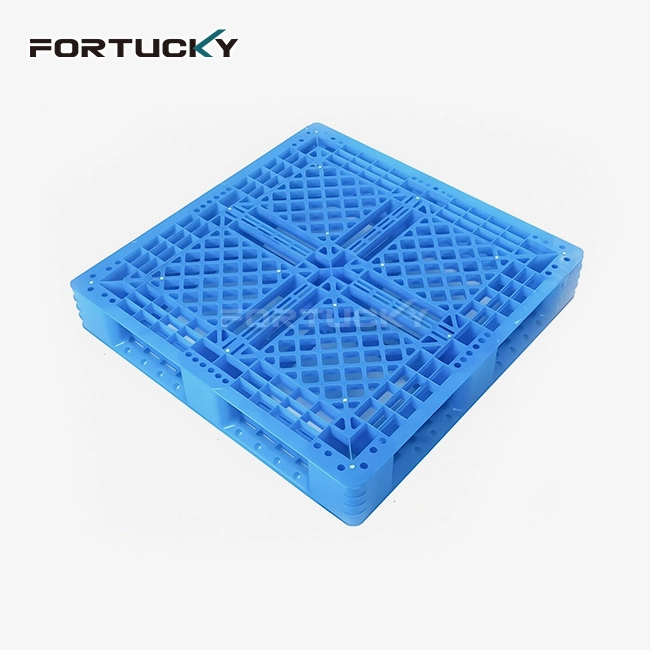
To operate a facility more efficiently and move materials safely in industrial environments, it is essential to understand the load-bearing capacity of plastic pallets. Heavy plastic pallets represent a significant advancement in logistics equipment, capable of supporting static loads of up to 6 tons, dynamic loads of up to 2 tons, and rack loads of up to 1.5 tons. These engineered platforms utilize high-density polyethylene (HDPE) and polypropylene (PP), combined with advanced structural designs, to maintain reliable performance even under demanding conditions. Modern manufacturing processes and flexible specifications enable these pallets to meet the needs of a wide range of industries while offering excellent durability and resistance to environmental damage.
 Overview of Heavy Plastic Pallets and Their Weight Capacities
Industrial material handling requires robust solutions that can withstand harsh conditions and maintain structural integrity. As engineered platforms, heavy-duty plastic pallets are ideal for industrial and warehouse settings where wooden or metal alternatives fall short. Innovative design principles and high-quality materials make these advanced platforms safe for moving and handling heavy loads.
Superior Load-Bearing Engineering
Modern plastic pallets achieve high weight capacities through thoughtful design and careful consideration of load distribution. Static load capacity—when goods remain stationary on the pallet—can reach up to 6 tons. Dynamic load capacity, which applies during transport, can reach up to 2 tons. Rack load standards allow up to 1.5 tons when pallets are placed into storage systems. This flexibility makes the pallets suitable for a wide variety of applications.
Dimensional Flexibility and Standardization
Sizes can be customized to meet the needs of different industries. Common dimensions include 1500×1200 mm, 1400×1400 mm, 1300×1200 mm, and 1200×1000 mm. This adaptability allows heavy-duty plastic pallets to work seamlessly with existing facility layouts and meet specific transportation and storage requirements. Custom sizing ensures efficient space utilization and smooth operations.
Environmental Resistance Advantages
Unlike traditional wooden pallets, which degrade when exposed to chemicals and moisture, plastic pallets maintain their strength even in harsh conditions. Resistance to chemicals, UV radiation, and water significantly extends service life while reducing replacement and maintenance costs.
Materials and Construction of Heavy-Duty Plastic Pallets
Advanced material selection, reinforced plastic pallet for heavy goods, and precise manufacturing methods are the keys to achieving high weight capacity. High-density polyethylene (HDPE) and polypropylene (PP) are the primary materials used, as they offer excellent strength-to-weight ratios and high chemical resistance.
Advanced Material Properties
HDPE provides superior impact resistance and durability across a wide range of temperatures, making it ideal for cold storage and outdoor environments. Polypropylene offers excellent chemical resistance and maintains flexibility under stress, helping to prevent brittle failure modes common with other materials. To ensure consistent performance, these materials undergo rigorous testing, including corner drop tests, flexural strength tests, and slip resistance tests.
Structural Design Innovation
Manufacturing techniques such as injection molding and structural foam molding optimize load distribution across the pallet surface. Bottom structures are available in various configurations, including 3-runner, 6-runner, 9-foot, and 7-foot designs, each tailored to specific handling equipment and load distribution requirements. Reversible designs add versatility by allowing use on both sides.
Surface Configuration Options
Different top deck options include grid surfaces for better drainage, solid surfaces for containing small particles, and flat surfaces for maximum stability. Grid designs maintain structural strength while preventing moisture buildup—a particularly valuable feature in food processing and pharmaceutical environments, where strict hygiene standards demand easy cleanability.
Comparing Heavy Plastic Pallets With Other Pallet Types
When evaluating material handling solutions, procurement professionals need to consider not only initial cost but also overall performance. Compared to wooden, metal, and hybrid alternatives, heavy-duty plastic pallets offer clear advantages in several operational areas.
Wooden Pallet Limitations
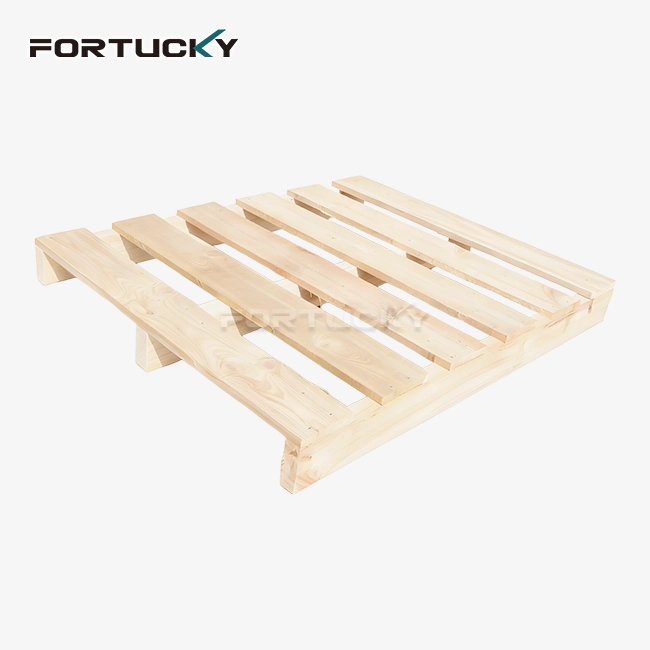
Traditional wooden pallets present several problems, including moisture absorption, susceptibility to breakage, and inconsistent load capacity due to natural variations in wood. In humid climates, weight capacity drops quickly. Pest infestations and chemical absorption make wooden pallets unsafe for food and pharmaceutical applications.
Metal Pallet Considerations
Although metal pallets are very strong, they are heavier and more difficult to maneuver, and they may rust. Higher material costs and special maintenance requirements often cancel out the initial benefits of durability, especially in high-volume environments where handling efficiency directly affects overall productivity.
Hybrid Solution Compromises
Hybrid designs attempt to combine material advantages but frequently suffer from performance inconsistencies and complex maintenance requirements. The integration of different materials can create a failure-reinforced plastic pallet for heavy goods points and complicate repair procedures, reducing operational reliability.
Compliance and Safety Standards
Heavy-duty plastic pallets consistently meet stringent compliance requirements across regulated industries, including FDA approval for food contact applications and certification for pharmaceutical environments. Fire resistance properties and chemical compatibility ensure safe operation across diverse industrial applications.
 Selecting the Right Heavy Plastic Pallets for Your Warehouse or Supply Chain
Strategic pallet selection requires a comprehensive evaluation of operational requirements, equipment compatibility, and long-term cost implications. Understanding these factors enables informed procurement decisions that optimize both immediate operational needs and future scalability.
Load Analysis and Application Requirements
Determining appropriate pallet specifications begins with a thorough analysis of typical load weights, distribution patterns, and handling frequencies. Products requiring static storage benefit from high static load capacity ratings, while frequently transported goods demand optimized dynamic load specifications. Rack storage applications require careful consideration of deflection characteristics and long-term creep resistance.
Equipment Compatibility Assessment
Modern warehouse operations rely on automated handling systems that demand precise dimensional tolerances and consistent performance. Four-way fork entry designs accommodate various forklift configurations and automated guided vehicle (AGV) systems. Standardized dimensions ensure compatibility with existing rack systems and conveyor infrastructure.
Customization Capabilities
Leading manufacturers offer extensive customization options, including dimensional modifications, color coding for workflow organization, and specialized surface treatments. Anti-slip surfaces enhance safety in environments where moisture or contamination risks exist. RFID integration capabilities support advanced inventory management systems and supply chain visibility.
Supplier Evaluation Criteria
Evaluating potential suppliers requires attention to manufacturing capabilities, quality assurance processes, and after-sales support. Minimum order quantities, lead times, and geographic service coverage significantly impact operational planning and cost management. Warranty coverage and replacement policies protect against unexpected failures and ensure operational continuity.
Practical Insights: Using Heavy Plastic Pallets for Heavy Loads
Real-world implementation of Heavy plastic pallets across diverse industrial applications provides valuable insights into performance characteristics and operational optimization strategies. Case studies from Heavy plastic pallets leading manufacturers and logistics providers demonstrate measurable improvements in efficiency and cost management.
Industry-Specific Performance Data
Automotive manufacturers report that switching from wooden pallets to high-grade plastic pallets reduces product damage by 35%. Pharmaceutical companies note improved contamination control and regulatory compliance after switching to plastic pallets. Food processing applications benefit from higher hygiene standards and easier cleaning procedures, which reduce downtime.
Maintenance and Longevity Practices
Following proper maintenance procedures significantly extends pallet service life and preserves weight capacity. Regular inspections identify potential stress points and surface damage before they become critical. Cleaning protocols using compatible chemicals protect the surface and maintain cleanliness.
Future Technology Integration
Advanced polymer formulations continue to improve strength while reducing environmental impact through enhanced recyclability. Smart technology integration, such as embedded sensors and tracking systems, enables real-time monitoring of load conditions and supply chain visibility.
Cost-Benefit Analysis Framework
A comprehensive cost analysis must include acquisition costs, operating costs, maintenance costs, and end-of-life recovery value. Longer service lives and fewer replacements often justify higher initial investment costs, especially in high-volume operations where downtime is expensive.
Conclusion
Understanding plastic pallet load capacity helps you make informed purchasing decisions that improve warehouse efficiency and supply chain performance. Modern heavy-duty plastic pallets outperform traditional alternatives in weight capacity, environmental resistance, and versatility. Advanced materials, precision engineering, and customizable specifications ensure reliable performance across a wide range of workplace settings while delivering long-term cost savings. In today's competitive logistics environment, strategic selection based on thorough operational analysis and supplier evaluation creates lasting competitive advantages.
FAQ
1. What is the maximum weight capacity for industrial plastic pallets?
Industrial plastic pallets can support static loads up to 6 tons, dynamic loads up to 2 tons, and rack loads up to 1.5 tons, depending on construction materials and structural design. HDPE and PP materials provide optimal strength-to-weight ratios for demanding applications.
2. How do plastic pallets compare to wooden pallets in terms of durability?
Plastic pallets significantly outperform wooden alternatives due to their resistance to moisture, chemicals, and pest infestation. They maintain consistent load capacity throughout their service life without degradation from environmental exposure, whereas wooden pallets suffer from reduced capacity and structural compromise over time.
3. Are customized dimensions available for specific warehouse requirements?
Yes, manufacturers offer extensive customization options, including dimensional modifications, surface configurations, and bottom structure designs. Common specifications range from 1100×900 mm to 1500×1400 mm, with custom sizing available to meet specific operational requirements and equipment compatibility needs.
Choose Fortucky for Superior Heavy Plastic Pallet Solutions
Fortucky stands as a trusted heavy plastic pallets supplier, delivering innovative material handling solutions to over 1,000 customers across automotive, pharmaceutical, electronics, and manufacturing sectors. Our advanced 5G-enabled production facilities and experienced R&D team create customizable pallet solutions that meet demanding weight capacity requirements while ensuring environmental sustainability.
With comprehensive testing protocols including compression strength, flexure strength, Heavy plastic pallets, and corner drop testing, Fortucky pallets deliver reliable performance across diverse industrial applications. Our localized service network spanning Asia, Europe, and the Americas provides timely support and fast delivery capabilities that keep your operations running smoothly. Contact our expert team at sales@fortuckyrobot.com to discuss customized specifications, bulk pricing, and deployment strategies that optimize your supply chain efficiency with industry-leading plastic pallet technology.
References
1. Smith, J.A. "Comparative Analysis of Industrial Pallet Materials and Load Capacity Standards." Journal of Materials Handling Engineering, Vol. 45, No. 3, 2023.
2. Thompson, M.R. "HDPE and PP Structural Performance in Heavy-Duty Applications." Polymer Engineering Quarterly, Vol. 28, No. 2, 2023.
3. Chen, L.K. "Supply Chain Optimization Through Advanced Material Handling Equipment." International Logistics Review, Vol. 52, No. 4, 2023.
4. Anderson, P.J. "Environmental Impact Assessment of Plastic Versus Wooden Pallets in Industrial Applications." Sustainability in Manufacturing, Vol. 15, No. 1, 2023.
5. Rodriguez, C.M. "Load Distribution Analysis in Modern Warehouse Storage Systems." Warehouse Management Technology, Vol. 31, No. 6, 2023.
6. Williams, K.T. "Injection Molding Techniques for High-Strength Industrial Plastic Components." Manufacturing Process Engineering, Vol. 22, No. 4, 2023.
Learn about our latest products and discounts through SMS or email