- English
- French
- German
- Portuguese
- Spanish
- Russian
- Japanese
- Korean
- Arabic
- Greek
- German
- Turkish
- Italian
- Danish
- Romanian
- Indonesian
- Czech
- Afrikaans
- Swedish
- Polish
- Basque
- Catalan
- Esperanto
- Hindi
- Lao
- Albanian
- Amharic
- Armenian
- Azerbaijani
- Belarusian
- Bengali
- Bosnian
- Bulgarian
- Cebuano
- Chichewa
- Corsican
- Croatian
- Dutch
- Estonian
- Filipino
- Finnish
- Frisian
- Galician
- Georgian
- Gujarati
- Haitian
- Hausa
- Hawaiian
- Hebrew
- Hmong
- Hungarian
- Icelandic
- Igbo
- Javanese
- Kannada
- Kazakh
- Khmer
- Kurdish
- Kyrgyz
- Latin
- Latvian
- Lithuanian
- Luxembou..
- Macedonian
- Malagasy
- Malay
- Malayalam
- Maltese
- Maori
- Marathi
- Mongolian
- Burmese
- Nepali
- Norwegian
- Pashto
- Persian
- Punjabi
- Serbian
- Sesotho
- Sinhala
- Slovak
- Slovenian
- Somali
- Samoan
- Scots Gaelic
- Shona
- Sindhi
- Sundanese
- Swahili
- Tajik
- Tamil
- Telugu
- Thai
- Ukrainian
- Urdu
- Uzbek
- Vietnamese
- Welsh
- Xhosa
- Yiddish
- Yoruba
- Zulu
The Ultimate Guide to Comparing Manual Scissor Lifts
When it comes to moving materials, selecting the appropriate lifting equipment can significantly impact operational efficiency and workplace safety. Among the various options available, the manual hydraulic scissor lift stands out as one of the most flexible and cost-effective solutions. These innovative lifting platforms utilize hand-operated hydraulic systems, eliminating the need for electricity while providing reliable vertical movement. For procurement managers seeking optimal solutions for manufacturing, logistics, and warehousing needs, understanding the differences between various types of manual lifts—along with their specifications and applications—is essential.
 Understanding Manual Hydraulic Scissor Lifts
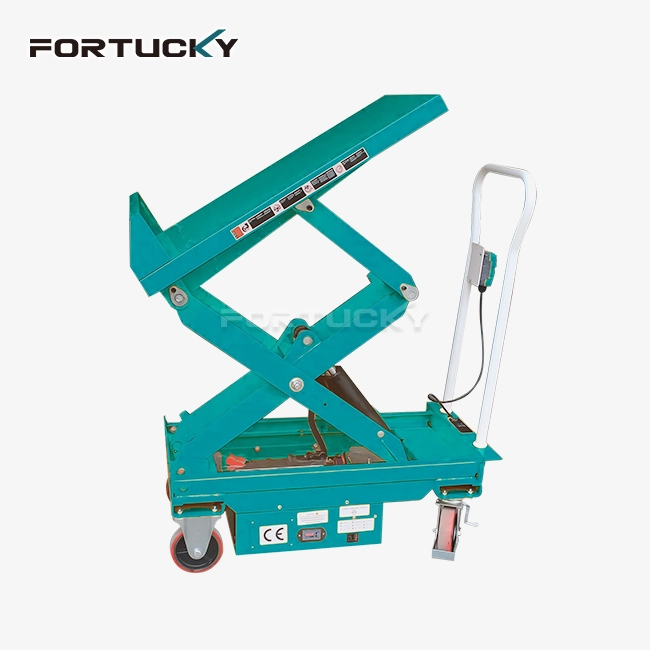
Manual hydraulic scissor lifts operate through a sophisticated yet straightforward mechanical system that combines hydraulic pressure with manual control mechanisms. The fundamental design incorporates a scissor-like framework that expands vertically as hydraulic pressure builds within the system, creating a stable lifting platform capable of handling substantial loads.
Core Hydraulic Mechanisms and Design Elements
The hydraulic system relies on a manual pump mechanism, typically operated through foot pedals or hand controls, which generates pressure within sealed oil cylinders. This pressure forces the scissor arms to extend, raising the platform to the desired height. The sealed hydraulic unit ensures consistent performance while minimizing maintenance requirements, making these lifts particularly attractive for industrial environments where reliability remains paramount. Key design elements that affect performance include the quality of hydraulic seals, the precision of machined components, and the structural integrity of the scissor framework. High-grade steel construction with reinforced joints ensures stability under load, while sealed oil cylinders prevent contamination that could compromise lifting performance.
Industrial Applications and Operational Benefits
Manual hydraulic lifting solutions are highly beneficial in factories, especially on assembly lines where workers need to reach components at varying heights. The ergonomic benefits help reduce worker fatigue and lower the risk of musculoskeletal injuries associated with repetitive lifting tasks. Warehouses use these lifts for order picking, inventory management, and loading dock operations. Positioning items at optimal working heights increases speed and accuracy while reducing physical strain on employees. The electric-free function is particularly useful in cold chain and refrigerated logistics settings, where batteries can lose power in low temperatures.
Comparing Manual Hydraulic Scissor Lifts with Other Types
Understanding the differences between manual hydraulic systems and alternative lifting solutions—including telescopic manual handling lifts and environmental constraints—helps procurement professionals make informed decisions based on specific operational requirements.
Manual vs. Electric Hydraulic Systems
Electric hydraulic scissor lifts offer automatic lifting but require a steady power source and incur higher operating costs. Manual hydraulic scissor lifts, by contrast, do not need electricity, making them ideal for hard-to-reach locations or areas where power is not always available. Manual operation provides precise control over lifting speed and position, which is helpful when handling delicate items. Electric systems generally offer faster lifting speeds and reduce operator fatigue during prolonged use. However, in harsh environments, manual systems are more reliable and require less maintenance than their electric counterparts. Given the need for battery replacement and charging stations, manual systems are often more cost-effective for intermittent use.
Load Capacity and Height Range Variations
Manual hydraulic lifting platforms are available in various weight capacities, ranging from lightweight 150 kg models to heavy-duty 1500 kg models. The PT150 model offers a lifting range of 210–720 mm and a compact worktable measuring 700×450×35 mm, making it suitable for light assembly work and small parts handling. Medium-capacity options, such as the PTD350A, can handle up to 350 kg with a lifting range of 350–1580 mm, making them appropriate for pallet moving and medium-scale manufacturing. For heavy-duty industrial needs, models like the PTD1500 can lift up to 1500 kg to a height of 4000 mm—an impressive capacity.
How to Choose the Right Manual Hydraulic Scissor Lift for Your Business
Selecting appropriate lifting equipment requires careful evaluation of operational parameters, safety requirements, and long-term cost considerations. The decision-making process involves analyzing current workflows and projecting future capacity needs.
Durability and Safety Standards Assessment
In industrial settings, equipment must be robust enough to withstand continuous operation cycles. Look for scissor lifts constructed with reinforced steel frames and sealed hydraulic components to prevent contamination. Essential safety features include overload protection valves, emergency lowering devices, and non-slip platform surfaces. Compliance with relevant safety regulations helps maintain a safe and legally compliant workplace. The ANSI/ASME standards for mobile scaffolding and lifting equipment serve as benchmarks for product quality and safety. Load testing and certification records demonstrate the manufacturer's commitment to safety standards.
Lightweight vs. Heavy-Duty Model Considerations
Lightweight models are best suited for applications requiring frequent movement and repositioning. The compact size of the PT150 model allows up to 192 units to fit into a 20-foot container, significantly reducing bulk shipping costs. These models perform well in electronics assembly, pharmaceutical packaging, and precision manufacturing environments. Heavy-duty models, such as the PTS1500, are designed for tough industrial applications where large loads need to be lifted to significant heights. Their stronger construction and larger platform sizes can accommodate palletized goods, machine parts, and bulk materials. When determining space requirements, consider operational frequency, load distribution, and any workspace limitations.
Manufacturer Evaluation and After-Sales Support
Established producers with a wide range of customers show that they can be trusted and have the right technical knowledge. Fortucky has worked with over 1,000 customers in a wide range of businesses, Telescopic manual handling lift such as pharmaceuticals, electronics, and the automotive industry. This gives them a good understanding of what performance needs to be in the real world. The company's intelligent production sites that are connected to 5G make sure that quality control is always the same and that customization can happen quickly. Full help after the sale includes technical documentation, access to spare parts, and quick customer service. Localized service networks cut down on downtime and make sure that operating problems are fixed quickly. When comparing possible suppliers, look at things like warranty terms, training programs, and help for repairs.
 Maintenance and Safety: Ensuring Longevity and Compliance
Proper maintenance protocols extend equipment lifespan while ensuring consistent safety performance. Regular inspection schedules and preventive maintenance practices minimize unexpected downtime and maintain operational efficiency.
Routine Inspection and Preventive Care Practices
Monthly visual checks should inspect hydraulic lines for leaks, platform surfaces for wear, and wheel units for proper operation. Every six months, hydraulic fluid levels need to be checked using lubricants recommended by the manufacturer. The sealed oil cylinder design reduces maintenance needs and ensures consistent operation across various environmental conditions. Comprehensive annual inspections by trained technicians verify structural integrity and safety system functionality. Load testing ensures that capacity ratings remain within limits, and hydraulic pressure testing confirms proper system operation. Maintaining maintenance records supports regulatory compliance and warranty protection.
Safety Protocols and Training Requirements
Operator training programs ensure proper equipment use and hazard identification. Training should cover maximum load capacity, proper positioning techniques, and emergency procedures. Understanding weight distribution helps prevent tip-overs and structural damage. Workplace safety rules include pre-use checks, clearly marked work areas, and clear communication methods during lifting operations. Regular safety audits identify potential hazards and ensure adherence to established procedures. These practices create safer workplaces and protect equipment investments.
Procurement Insights: Buying and Using Manual Hydraulic Scissor Lifts
Strategic procurement approaches balance immediate needs with long-term operational goals. Understanding market options, pricing structures, and supplier capabilities enables informed purchasing decisions that maximize value while meeting operational requirements.
Sourcing Options and Equipment Condition Considerations
When you buy new equipment, you get the latest design improvements, warranty security, manual hydraulic scissor lift and the peace of mind that comes from knowing you're following all safety standards. Customization options from manufacturers like Fortucky make it possible to match the specs of tools with specific operational needs. The ability to make deep customizations solves specific process problems and space issues. Used equipment markets can offer cost savings, but require careful evaluation of maintenance history and remaining useful life. When considering used options, factor in refurbishment costs and warranty coverage. The total cost of ownership is often lower for new equipment due to higher efficiency and reduced maintenance needs.
International Shipping and Logistics Considerations
Global procurement requires understanding shipping processes, customs regulations, and import duties. The type of manual hydraulic scissor lift affects freight rates and required documentation. Container optimization lowers per-unit shipping costs, especially for lightweight models that can be densely packed. Lead times depend on order customization and shipping distance. Standard models typically ship within a few weeks, while custom designs may require additional production time. Fortucky's localized service network across Asia, Europe, and the Americas ensures prompt customer support regardless of destination.
Conclusion
Determining the best manual hydraulic scissor lift involves weighing operational needs, safety considerations, and cost factors. When making a purchasing decision, it is important to understand the key differences between manual and electric systems, review capacity and height specifications, and consider long-term maintenance requirements. Manual hydraulic systems offer reliability and affordability across a wide range of applications, making them valuable additions to warehouses, factories, and logistics operations seeking to improve efficiency and protect worker safety.
FAQ
1. What load capacity should I choose for my operations?
Load capacity selection depends on your heaviest anticipated loads plus a safety margin. Lightweight operations handling parts and components work well with 150–500 kg models, while pallet handling and machinery positioning require 1000–1500 kg capacity units. Consider both static loads and dynamic forces during movement when determining requirements.
2. How do manual hydraulic scissor lifts compare to electric models in terms of maintenance?
Manual systems require significantly less maintenance due to simpler mechanical components and the absence of electrical systems. Routine maintenance involves hydraulic fluid checks and basic lubrication, while electric models require battery maintenance, electrical system inspections, and more complex troubleshooting procedures.
3. Can these lifts operate in extreme temperature environments?
Manual hydraulic systems perform reliably in extreme temperatures where electric equipment may struggle. Cold storage environments benefit from electric-free operation, while high-temperature applications avoid battery degradation issues. Sealed hydraulic systems maintain performance consistency across wide temperature ranges.
4. What safety certifications should I look for?
Look for compliance with ANSI/ASME standards for mobile scaffolding and lifting equipment. CE marking for European markets and relevant local safety certifications ensure regulatory compliance. Documentation of load testing and safety system verification provides additional assurance of product quality.
5. How important is after-sales support for hydraulic lift equipment?
Comprehensive after-sales support is crucial for minimizing downtime and maintaining safety compliance. Access to spare parts, technical documentation, and responsive customer service directly impacts operational efficiency. Consider manufacturer service network coverage when evaluating suppliers.
Partner with Fortucky for Superior Manual Hydraulic Scissor Lift Solutions
Elevate your material handling capabilities with Fortucky's comprehensive range of hydraulic lifting platforms designed for demanding industrial environments. Our manual hydraulic scissor lift series combines proven reliability with innovative engineering to deliver exceptional performance across diverse applications. With over 1,000 satisfied customers worldwide and a proven track record serving Fortune 500 companies, Fortucky stands as your trusted manual hydraulic scissor lift manufacturer. Our 5G-enabled intelligent production facilities ensure consistent quality, while our deep customization capabilities address unique operational requirements. Contact our expert team at sales@fortuckyrobot.com to discuss your lifting solution needs and discover how our competitive pricing and localized service network can optimize your material handling operations.
References
1. American Society of Mechanical Engineers. "Safety Standard for Scissor Lifts - ANSI/ASME A92.6-2019." New York: ASME Press, 2019.
2. Industrial Truck Association. "Manual Material Handling Equipment: Design and Safety Guidelines." Washington: ITA Publications, 2022.
3. National Institute for Occupational Safety and Health. "Criteria for Workplace Lifting Equipment Safety." Cincinnati: NIOSH Technical Reports, 2021.
4. European Committee for Standardization. "Mobile Elevating Work Platforms - Design and Safety Requirements." Brussels: CEN Standards, 2020.
5. Materials Handling Industry Association. "Hydraulic Lifting Systems: Performance Standards and Best Practices." Charlotte: MHI Research Foundation, 2023.
6. International Organization for Standardization. "Industrial Trucks - Safety Requirements and Verification Methods." Geneva: ISO Publications, 2022.
Learn about our latest products and discounts through SMS or email