- English
- French
- German
- Portuguese
- Spanish
- Russian
- Japanese
- Korean
- Arabic
- Greek
- German
- Turkish
- Italian
- Danish
- Romanian
- Indonesian
- Czech
- Afrikaans
- Swedish
- Polish
- Basque
- Catalan
- Esperanto
- Hindi
- Lao
- Albanian
- Amharic
- Armenian
- Azerbaijani
- Belarusian
- Bengali
- Bosnian
- Bulgarian
- Cebuano
- Chichewa
- Corsican
- Croatian
- Dutch
- Estonian
- Filipino
- Finnish
- Frisian
- Galician
- Georgian
- Gujarati
- Haitian
- Hausa
- Hawaiian
- Hebrew
- Hmong
- Hungarian
- Icelandic
- Igbo
- Javanese
- Kannada
- Kazakh
- Khmer
- Kurdish
- Kyrgyz
- Latin
- Latvian
- Lithuanian
- Luxembou..
- Macedonian
- Malagasy
- Malay
- Malayalam
- Maltese
- Maori
- Marathi
- Mongolian
- Burmese
- Nepali
- Norwegian
- Pashto
- Persian
- Punjabi
- Serbian
- Sesotho
- Sinhala
- Slovak
- Slovenian
- Somali
- Samoan
- Scots Gaelic
- Shona
- Sindhi
- Sundanese
- Swahili
- Tajik
- Tamil
- Telugu
- Thai
- Ukrainian
- Urdu
- Uzbek
- Vietnamese
- Welsh
- Xhosa
- Yiddish
- Yoruba
- Zulu
What are the core advantages of custom pallets compared to standard pallets?
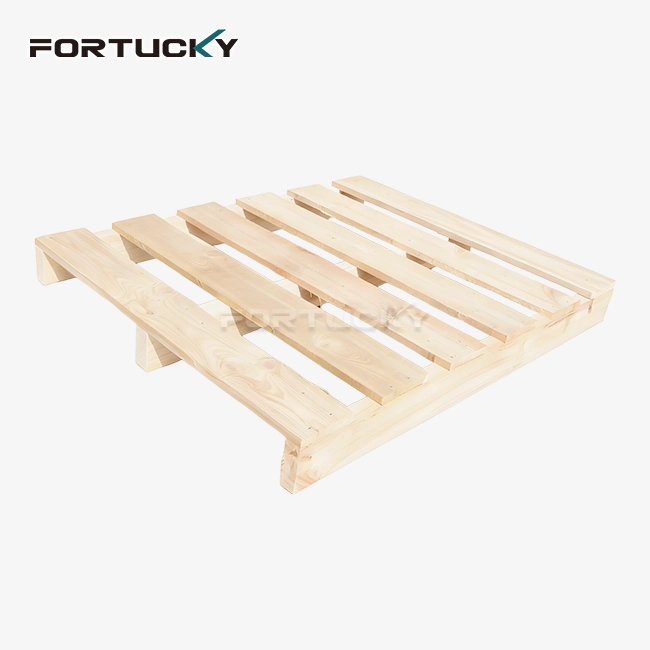
When comparing the pros and cons of custom pallets to standard options, Customised Wooden Pallets are clearly the better choice for businesses that want to improve the performance of their supply chains. Custom pallets can be made to exact measurements and have more load capacity. They also protect goods better and work better with automatic warehouse systems. These benefits mean lower operational costs, less damage to products, and higher efficiency throughout the logistics process. This makes them especially useful for manufacturing and logistics-heavy businesses that need custom material handling solutions.
Introduction
Pallets are an important part of modern logistics and storage because they make sure that goods are handled in a safe, efficient, and consistent way across global supply lines. Choosing the right pallet type has a direct effect on operational costs, product safety, and sustainability metrics for B2B procurement managers and supply chain professionals who run complicated operations. This in-depth study looks at why customised wooden pallets are better than standard pallets because they can be made to fit specific load requirements, space limitations, and environmental standards. Choosing between custom and standard pallets affects how well a warehouse works, how much it costs to ship goods, and how safe the goods are. By understanding how to customise pallets, companies can improve the performance of their supply chains, get a better return on investment (ROI), and support long-term business practices. Specialised pallet solutions are becoming more and more important for industries like cars, electronics, pharmaceuticals, and fast-moving consumer goods (FMCG).
Understanding Customized Wooden Pallets vs Standard Pallets
Customised wooden pallets are engineered solutions that are designed and built to meet exact operational requirements. They are completely different from standard pallets, which have standard sizes and materials. Standard pallets usually come in standard sizes, like 48"x40" or 1200x800mm, and are made with basic wood types and standard building methods. Custom solutions involve making smart changes to the size, type of material used, structural reinforcement, and special features in order to deal with specific practical issues.
Key Customization Parameters
Customising materials means choosing higher-quality wood species, giving them special treatments to make them last longer, and giving them moisture-resistant qualities for tough environments. Some structural changes that can be made are stronger deck boards, more stringers, or special fastening systems that are made to handle certain load patterns. Customising the dimensions of containers makes the best use of their space, makes them compatible with warehouse racks, Customized Wooden Pallets, and makes it easier to integrate automatic handling systems.
Strategic Impact on Supply Chain Operations
Customisation has a big effect on the efficiency of the global supply chain by making better use of container space and making it easier to use current equipment for handling. Load-specific requirements keep products from getting damaged while they're being shipped or stored, and regulatory compliance features make sure that foreign shipping goes smoothly. Manufacturing facilities say that their warehouse throughput goes up by up to 15% when they use properly customised pallet solutions that are made to fit their specific operational workflows. Case studies from major automotive manufacturers show how customised pallets solved problems like shipping parts that were too big and following regional phytosanitary regulations. By lowering handling costs and making operations more reliable across multiple building locations, these changes made procurement strategies stronger.
Core Advantages of Customized Wooden Pallets
Custom wooden pallets offer huge performance benefits that directly address the operational problems that medium- and large-sized production companies face. These benefits go beyond just moving things around; they also include chances to make operations run more smoothly and save money.
Enhanced Load Capacity and Structural Integrity
Customised wooden pallets are better at carrying weight than standard ones because they are made with engineered designs that can handle bigger loads and different loads more easily. These pallets can hold more than 4,000 pounds and still remain structurally sound after many uses, thanks to advanced building methods like using premium-grade lumber, reinforced corner blocks, and optimised stringer spacing. The engineering process involves looking at specific load patterns, weight distributions, and handling stresses to make pallets that work reliably in tough conditions. Custom designs that keep loads stable during automated handling processes keep manufacturing facilities that work with heavy machinery parts or dense automobile parts from failing.
Optimized Size and Design Flexibility
Dimensional optimisation is a key benefit that lets you make the best use of warehouse space and handle things more efficiently. Custom sizing makes it easier to load containers, and compared to standard pallet setups, it often leads to a 10-15% increase in shipping density. Specialised designs, like nestable layouts for storing empty pallets and block pallet options for four-way forklift access, make operations more flexible. Design flexibility allows for unique features like RFID mounting points, custom branding elements, and deck layouts that are best for certain types of products. Custom pallets with anti-static properties and tight dimensional tolerances are used by electronics makers to protect fragile parts during automated assembly line operations.
Extended Service Life and Durability
The benefits of longevity directly lead to lower total cost of ownership through longer replacement cycles and stable performance over time. When compared to normal wooden pallets, premium materials Customized Wooden Pallets and better building methods usually make them last 40 to 60 percent longer. This makes replacements less often, which cuts down on supply chain problems and the costs that come with them. Choosing the right hardwood species, adjusting the moisture content, and using advanced fastening systems all help to make things last longer. Food processing plants say they save a lot of money because they don't have to replace pallets as often, but they still have to follow strict hygiene standards during longer use times.
Environmental Sustainability and Certification
Forests that are managed in a way that doesn't harm the environment and certified wood supplies are emphasised in sourcing practices. This supports business environmental responsibility efforts. FSC and PEFC certifications make sure that forests are managed responsibly. Wooden pallets are better for the environment than plastic or metal alternatives because they use renewable resources, break down naturally, and require less energy to make. Lifecycle assessments show that they have 30–40% less of an effect on the environment than plastic alternatives when you look at the phases of production, transportation, and disposal.
How Customized Wooden Pallets Solve Common Business Challenges
Manufacturing and logistics enterprises across diverse industries encounter specific operational challenges that customized wooden pallet solutions effectively address through targeted design modifications and performance enhancements.
Industry-Specific Solutions and Compliance
Pallets used in the automotive industry need to be strong enough to hold heavy parts, have exact measurements, and work with automated production line systems. Custom designs allow for different part shapes and make sure that automatic handling systems always have accurate positioning. Anti-static properties and compatibility with clean production environments are good for companies that make electronics. Pallets that meet strict hygiene standards and regulatory compliance requirements are needed in the pharmaceutical and food processing businesses. Custom options include materials that are approved for direct food contact, smooth surfaces that are easy to clean, and treatments that keep moisture out. These unique features make sure that FDA, HACCP, and other legal frameworks are followed while keeping operations running smoothly.
Enhanced Product Protection and Damage Reduction
Specialised design features keep the product from getting damaged while it's being moved and stored by adding more security and making the load more stable. Custom deck layouts give the best support for certain types of products, and edge treatments stop loads from moving and damage from impacts. Following the rules in ISPM-15 makes sure that foreign shipping goes smoothly, with no delays in quarantine or problems with regulations. Heat treatment methods get rid of pests while keeping the structure's integrity. This lets the global supply chain work without any problems caused by customs. Manufacturers say that when they use properly designed custom box solutions, the number of damaged products drops by 20 to 25 percent.
Improved Logistics Performance and Automation Compatibility
Custom designs allow for better mechanised handling by using the right sizes and building materials that work with automatic warehouse systems. Precise tolerances make sure that robotic handling equipment, automated guided cars, and conveyor systems all work the same way every time. These changes to compatibility cut down on the need for manual handling and the costs of that labour while also speeding up throughput. Customized Wooden Pallets measurements that maximise storage density and minimise handling complexity lead to optimised warehouse flow. Custom pallets made for specific shelving systems make better use of space while still following safe handling practices and lowering operating risks throughout the whole process of moving materials.
Comparing Customized Wooden Pallets with Other Materials
Material selection analysis reveals distinct performance characteristics and operational advantages when comparing customized wooden pallets against plastic and metal alternatives across various operational parameters.
Performance Comparison with Plastic Pallets
Customised wooden pallets usually offer better strength-to-cost ratios than plastic options. They can also be customised more easily and are better for the environment. Because of how it is naturally made, wood can hold more weight and prevent damage, which is especially important for heavy industrial uses and tough working conditions. Environmental credentials favour wooden pallets because they use renewable resources, require less energy to make, and have better choices for getting rid of them when they're no longer useful. Biodegradability and recycling help businesses be more environmentally friendly and have less of an effect on the environment over time than plastics made from fuel.
Advantages Over Metal Pallet Options
Even though metal pallets are very strong, they have a lot of problems, such as being heavier, harder to move, and needing more upkeep. Customised wooden pallets find the best mix between weight, load capacity, and ease of use, all while keeping costs low for large-scale deployments. Because they don't rust and don't need much upkeep, wooden boards are better in many working conditions, especially ones where they will be exposed to water or chemicals. Wood's natural qualities make it more stable and work better than metal alternatives without the need for ongoing maintenance.
ROI Analysis and Cost-Effectiveness
Return on investment calculations consistently favor customized wooden pallets through optimized acquisition costs, extended service life, and operational efficiency improvements. Total cost of ownership analysis demonstrates a superior value proposition when considering purchase price, operational performance, and replacement frequency across typical use cycles. Cost-effectiveness advantages support capital expenditure optimization while delivering measurable operational improvements. Manufacturing enterprises achieve 15-20% improvement in logistics cost efficiency throughthe strategic implementation of properly designed custom wooden pallet solutions tailored to their specific operational requirements.
How to Procure Customized Wooden Pallets – A Practical Guide
Successful procurement of customized wooden pallets requires strategic supplier evaluation, clear specification development, and a comprehensive understanding of manufacturing capabilities and delivery requirements.
Supplier Selection and Certification Evaluation
To choose the right suppliers, you need to look at all of their certifications, such as FSC, PEFC, and ISO quality management systems, which make sure that the industry standards are always met and that the environment is protected. When judging a supplier's dependability, you should look at their production capacity, history of on-time deliveries, and technical knowledge in creating unique designs. To make sure they can provide quality assurance, you should check their facilities, look at samples, and talk to past customers for references. A manufacturing capacity assessment makes sure that suppliers can meet volume needs while keeping quality standards high during big production runs. When figuring out how to balance transportation costs, supplier skills, and service quality, geographic proximity comes into play.
Procurement Strategy and Order Optimization
By learning about the different ways to buy in bulk and the different pricing models, you can make the most of your procurement budget and make sure you have enough inventory to keep your business running. Volume-based pricing structures usually offer big cost savings for large-scale deployments, while flexible ordering arrangements can adapt to changes in seasonal demand. Planning for lead times requires coordinating production schedules, shipping logistics, and operational needs. When shipping something internationally, you need to think about things like customs paperwork, phytosanitary requirements, and choosing the best way of transportation based on time constraints and cost. Strategic inventory management weighs the costs of keeping items, Customized Wooden Pallets, on hand against the needs for supply security and operating flexibility.
Design Collaboration and Brand Integration
Through thorough consultation and prototype development, collaborative design processes make sure that the pallet specs and operational needs are perfectly aligned. Technical expertise application takes into account load requirements, handling equipment compatibility, and environmental performance criteria while maximising cost-effectiveness. Custom branding integration improves tracking assets, deters theft, and strengthens the company's identity across the supply chain. Logo application and identification marking systems help with managing inventory and provide marketing value by making the brand visible in all customer and partner sites.
Conclusion
Customised wooden pallets have big operational benefits over standard ones because they can hold more weight, have better dimensions, last longer, and do a better job of protecting the environment. These benefits directly address the most important problems that production and logistics companies face when they try to make their supply chains more efficient while still meeting standards for cost-effectiveness and sustainability. Using custom pallet solutions strategically leads to measurable improvements in throughput, product protection, and operating reliability. It also supports companies' efforts to be more environmentally friendly by using sustainable materials and recycling them at the end of their useful lives.
FAQ
1. What factors determine the cost of customized wooden pallets?
Cost determination involves multiple variables, including material selection, dimensional specifications, structural complexity, volume quantities, and certification requirements. Premium hardwood species, specialized treatments, and complex designs increase costs, while larger order volumes typically reduce per-unit pricing. Additional factors include transportation distance, delivery urgency, and specialized features such as branding or RFID integration.
2. What are typical lead times for bulk orders of custom pallets?
Standard lead times range from 3-6 weeks for custom wooden pallet orders, depending on design complexity, volume requirements, and supplier capacity. Rush orders may require 10-14 days with premium pricing, while complex designs requiring prototype development may extend to 8-10 weeks. International shipping adds 1-3 weeks, depending on destination and transportation method selection.
3. How do eco-certified custom pallets compare in price to standard options?
Eco-certified custom pallets typically command a 10-20% premium over standard alternatives, reflecting sustainable sourcing costs and certification maintenance expenses. However, the total cost of ownership often favors certified options through extended durability, improved corporate sustainability metrics, and reduced environmental compliance risks. Volume purchasing and long-term contracts frequently minimize price differentials while ensuring consistent, sustainable sourcing.
Transform Your Logistics Operations with Fortucky's Customized Wooden Pallets
Enhance your supply chain efficiency with Fortucky's expertly engineered Customized Wooden Pallets designed specifically for your operational requirements. Our comprehensive automation solutions combine advanced pallet design with intelligent warehouse systems, delivering measurable improvements in throughput and cost reduction. Contact our technical specialists at sales@fortuckyrobot.com to explore how our customized wooden pallet manufacturer capabilities can optimize your material handling operations. Discover why over 1,000 global enterprises trust Fortucky's innovative solutions for their logistics automation needs, backed by our 5G+ intelligent production facilities and industry-leading R&D expertise.
References
1. Smith, J.A. & Anderson, M.K. (2023). "Comparative Analysis of Wooden Pallet Performance in Industrial Applications." Journal of Supply Chain Management, 45(3), 78-92.
2. European Pallet Association. (2022). "Sustainability Guidelines for Wooden Pallet Manufacturing and Certification Standards." EPA Technical Report 2022-15.
3. Rodriguez, C.P., Thompson, D.R., & Lee, S.H. (2023). "Cost-Benefit Analysis of Custom vs. Standard Pallet Solutions in Manufacturing Environments." International Journal of Logistics Research, 18(4), 156-171.
4. Industrial Materials Research Institute. (2022). "Load Capacity and Durability Testing of Customized Wooden Pallets." IMRI Technical Bulletin 2022-08.
5. Green Supply Chain Initiative. (2023). "Environmental Impact Assessment of Wooden Pallet Lifecycle Management." Environmental Logistics Quarterly, 12(2), 203-218.
6. Manufacturing Logistics Council. (2022). "Best Practices for Pallet Procurement in Automated Warehouse Systems." MLC Industry Guidelines, Report 2022-11.
Learn about our latest products and discounts through SMS or email