- English
- French
- German
- Portuguese
- Spanish
- Russian
- Japanese
- Korean
- Arabic
- Greek
- German
- Turkish
- Italian
- Danish
- Romanian
- Indonesian
- Czech
- Afrikaans
- Swedish
- Polish
- Basque
- Catalan
- Esperanto
- Hindi
- Lao
- Albanian
- Amharic
- Armenian
- Azerbaijani
- Belarusian
- Bengali
- Bosnian
- Bulgarian
- Cebuano
- Chichewa
- Corsican
- Croatian
- Dutch
- Estonian
- Filipino
- Finnish
- Frisian
- Galician
- Georgian
- Gujarati
- Haitian
- Hausa
- Hawaiian
- Hebrew
- Hmong
- Hungarian
- Icelandic
- Igbo
- Javanese
- Kannada
- Kazakh
- Khmer
- Kurdish
- Kyrgyz
- Latin
- Latvian
- Lithuanian
- Luxembou..
- Macedonian
- Malagasy
- Malay
- Malayalam
- Maltese
- Maori
- Marathi
- Mongolian
- Burmese
- Nepali
- Norwegian
- Pashto
- Persian
- Punjabi
- Serbian
- Sesotho
- Sinhala
- Slovak
- Slovenian
- Somali
- Samoan
- Scots Gaelic
- Shona
- Sindhi
- Sundanese
- Swahili
- Tajik
- Tamil
- Telugu
- Thai
- Ukrainian
- Urdu
- Uzbek
- Vietnamese
- Welsh
- Xhosa
- Yiddish
- Yoruba
- Zulu
What are the latest trends in shelving design?
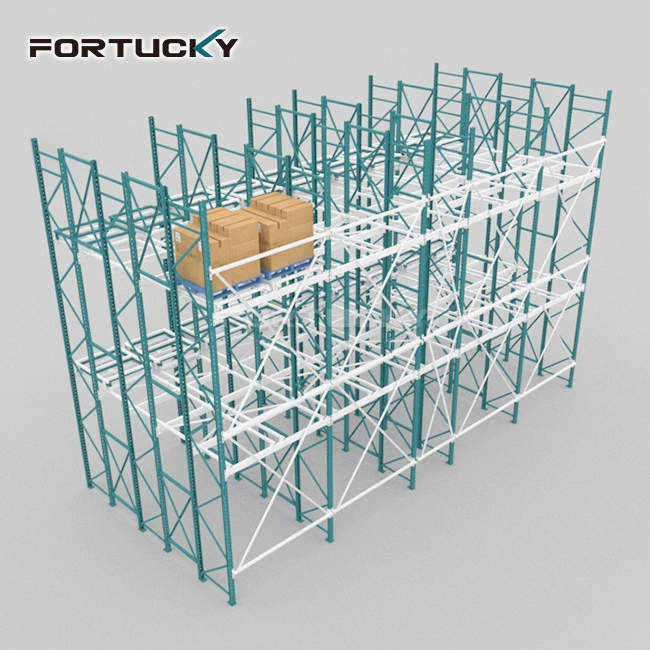
The way warehouses store goods is changing at an unprecedented pace. The latest trends in shelving design are moving toward smart integration, structural optimization, and flexibility to meet the complex needs of modern logistics and industrial operations. As one of the most important changes, longspan metal shelving has emerged as a key solution that bridges the gap between static storage and fully automated systems. With load ratings ranging from 500 kg to over 2,000 kg per level, these robust structures feature column-free center designs capable of accommodating large industrial items such as automotive components and large-scale manufacturing molds. The trend extends beyond simply increasing capacity. Modern systems integrate seamlessly with warehouse management software, can be reconfigured modularly to adapt to changing inventory needs, and are manufactured from advanced materials—such as stainless steel with electrostatic spray finishes—to ensure decades of service in demanding environments.
 The Evolution of Shelving Design Paradigms
From Static Storage to Dynamic Systems
For years, pallet racks and wire shelving were the dominant storage types in industrial facilities, but both had inherent limitations. Fixed configurations restricted operational flexibility, and load constraints forced companies to choose between safety margins and storage density. Wire shelving, in particular, lacked the strength required for heavy industrial applications and struggled with even weight distribution, despite being cost-effective and lightweight.
When production plants realized their shelving systems were becoming operational bottlenecks, they began transitioning to engineered storage solutions. Automotive parts suppliers struggled to store complete vehicle assemblies efficiently. Electronics manufacturers faced challenges organizing large circuit board panels. Cold chain operators required systems capable of withstanding wide temperature fluctuations without degradation.
Material Science Breakthroughs
Modern shelving leverages cutting-edge metalworking and surface treatment technologies. High-strength cold-rolled steel undergoes rigorous pickling and phosphating processes before receiving protective coatings. This multi-stage treatment provides exceptional corrosion resistance—critical for facilities handling chemicals, operating in cold storage, or located near coastal areas where salt air is prevalent.
The shift toward environmentally friendly steel processing has reduced ecological impact without compromising structural integrity. Manufacturers now use computer-aided analysis to determine optimal material thickness and profile shapes, enabling them to produce shelving components that maximize strength-to-weight ratios while minimizing raw material consumption.
Integration with Digital Infrastructure
Connecting physical storage assets with digital management tools represents one of the most transformative trends. Modern shelving systems can be equipped with RFID readers, barcode scanners, and IoT sensors. This infrastructure enables real-time inventory tracking, automated stock rotation alerts, and predictive maintenance scheduling based on actual usage patterns and system stress.
When connected to warehouse management systems, these smart long-span metal shelving setups give logistics directors and procurement managers a level of working insight that has never been seen before. They can keep an eye on how much room is being used in each zone, find storage areas that aren't working well, and make pick paths more efficient by using real moving data instead of theoretical models.
Key Design Features and Benefits of Modern Heavy-Duty Storage Solutions
Structural Engineering Excellence
Today's industrial shelving systems reflect decades of advancements in structural engineering and materials science. High-capacity storage systems utilize specialized steel profiles—such as C-shaped or butterfly-hole columns—to evenly distribute vertical loads while maintaining lateral stability.
These systems employ modular frames with precisely engineered connections between uprights, beams, and decking components. This creates a highly rigid structure without requiring welded parts or fixed fittings, allowing reconfiguration as business needs evolve. Shelf heights can be adjusted in precise increments to accommodate new product lines.
Load distribution is another critical design consideration. Today's options include decks made of reinforced steel panels with structural ribs, composite steel-wood platforms that combine strength with surface protection, and perforated mesh designs that allow airflow in climate-controlled spaces. Each configuration meets different operational needs while maintaining the system's overall load rating.
Customization Capabilities for Diverse Applications
Manufacturing and logistics operations require storage solutions tailored to their specific inventory profiles and workflows. Leading shelving systems now offer extensive customization options, including adjustable depth, width, height, and number of bays. This adaptability is essential for facilities storing everything from small automotive fasteners requiring drawer cabinets to large industrial machine components needing open-span storage.
Operators can adjust shelf positions to change storage density on the fly. During peak seasons, facilities can add shelf levels to maximize cubic space utilization. When handling oversized items, they can remove intermediate sections to create full-height storage areas. This flexibility extends the life of the storage investment, eliminating the need for expensive new equipment when product lines evolve.
Enhanced Safety and Compliance Standards
Industrial safety regulations continue to evolve, placing increasing emphasis on load capacity documentation, structural certification, and worker protection features. Modern storage systems incorporate numerous safety enhancements that address these requirements while improving daily operations.
Column base guards keep structure uprights from getting damaged by forklift impacts, which is one of the main reasons why long-span boltless shelving fails before it should. Safety measures along the edges of shelves keep items from falling out by accident while they are being loaded or retrieved. Anti-collapse bracing links bay structures that are next to each other, making two sets of load lines that keep the building stable even if some of its parts fail.
Improved surface treatments on modern shelving components do more than prevent corrosion—they also enhance safety. Powder-coated finishes eliminate sharp edges, provide friction-resistant surfaces for manual handling, and maintain their integrity across wide temperature ranges. These coatings also resist chemical degradation, making them suitable for pharmaceutical manufacturing environments or areas where industrial solvents are used.
 Comparative Analysis: Choosing the Right Storage Architecture
Performance Characteristics Across System Types
Understanding the practical differences between storage system types helps procurement teams make decisions that align with both operational needs and budget constraints. Wire shelving excels in light-duty environments requiring visibility and airflow, such as pharmaceutical storage rooms, food service dry storage areas, or electronics component warehouses. However, with typical shelf capacities of only 200–400 kg, it is unsuitable for heavy industrial applications.
Boltless shelving systems offer easier assembly through rivet-lock or clip-together designs. These configurations work well for moderate load requirements in archive storage rooms, maintenance parts areas, and retail stockrooms. The trade-off is that boltless designs lack the rigidity of bolted systems, making them less suitable for locations with heavy forklift traffic or seismic activity.
Pallet racks have long been the standard in high-bay facilities storing palletized goods. These systems provide excellent vertical storage density and work well with conventional material handling equipment. However, they require dedicated aisle space for forklift access and struggle with non-palletized or irregularly shaped inventory.
Heavy-duty industrial shelving occupies the middle ground between easily accessible hand-loaded storage and difficult-to-access fully palletized systems. With load capacities up to 2,000 kg per level and span lengths capable of accommodating items too large for standard shelving, these systems offer operational flexibility that adapts to changing inventory profiles without major infrastructure overhauls.
Installation Complexity and Lifecycle Considerations
Purchase decisions must consider total cost of ownership, which extends far beyond initial equipment costs. Installation complexity directly affects project timelines and labor expenses. Modular shelving systems with standardized components and documented assembly instructions require significantly less setup time compared to custom-built alternatives.
The ability to relocate or reconfigure storage equipment holds substantial hidden value. Over the lifespan of storage assets, businesses change their operating models, optimize layouts, and expand facilities. Systems that can be disassembled and reassembled protect that investment by allowing facilities to deploy existing equipment in new configurations rather than purchasing replacements.
Maintenance requirements vary significantly across shelving types. Wire shelving systems may require periodic tightening of shelf clips and replacement of damaged panels. Welded structures generally require minimal maintenance, but repair options are limited when damage occurs. Bolted modular systems offer a balanced approach, allowing individual components to be inspected, replaced, or swapped without dismantling entire bay structures—reducing downtime and maintenance costs.
Space Efficiency and Throughput Optimization
Warehouse space represents one of the most significant ongoing operational expenses, particularly in urban logistics hubs where real estate costs continue rising. Effective rack design maximizes storage density while maintaining reasonable access speeds and comfortable working conditions.
Column-free span designs get rid of internal obstacles that make packing harder and cut down on the width of space that can be used for storage, such as for high-capacity long-span storage shelves. This clear access is very important when keeping things like steel coils, textile rolls, or building materials that are bigger than normal box sizes. It's easier for operators to place loads, especially because they don't have to move around support columns. This cuts down on handling time and product damage.
Utilizing vertical space through multi-level configurations transforms warehouse economics. With 20-foot clear heights, facilities can add four to five storage levels, effectively multiplying available floor area without costly building expansions. This approach works particularly well on existing industrial campuses that cannot expand physically due to property constraints or lengthy permitting processes.
Conclusion
Today's shelving designs reflect broader trends reshaping manufacturing and logistics operations. Storage infrastructure has evolved from passive goods-holding areas into active components of integrated supply chain systems. Modern solutions balance immediate practical needs—load capacity, reconfigurability, and durability—with long-term considerations such as automation readiness, digital integration, and sustainability alignment. When planning storage investments, organizations should prioritize systems with proven structural performance, extensive customization options, and clear pathways for future operational improvements. The decisions made today about warehouse infrastructure will have lasting effects on operational efficiency, cost structures, and competitive positioning for decades to come—which is why thorough analysis and strategic supplier partnerships are essential for successful implementation.
FAQ
1. What load capacity should I specify for industrial storage systems?
Load capacity specifications should account for both current inventory requirements and anticipated future needs. Systems capable of handling 500–800 kg per level are suitable for general industrial components, stored materials, and medium-density bulk goods. Applications involving automotive parts, industrial tooling, or heavy items typically require capacities between 1,200 and 2,000 kg. Consulting with experienced suppliers about specific product dimensions, weights, and handling methods ensures properly sized systems that balance performance and cost.
2. How do installation timelines impact project planning?
Professional installation of industrial shelving systems typically requires three to seven days per 100 square meters, depending on layout complexity, site accessibility, and integration with other operations. Modular designs with standardized components accelerate assembly compared to custom-fabricated alternatives. Scheduling installations during planned production shutdowns or off-hours minimizes operational disruption. Reputable suppliers provide detailed project timelines during the proposal phase, facilitating coordination with larger facility improvement initiatives.
3. What maintenance protocols extend the lifespan of the shelving system?
Quarterly visual inspections to identify damaged components, verify load capacity compliance, and examine connection points are recommended for high-traffic areas. Comprehensive annual inspections by qualified professionals ensure continued structural integrity and identify developing issues before they affect safety or functionality. Keeping aisles clear, following proper loading procedures, and using column guards to protect structural elements from impact damage significantly extend system service life while maintaining safe operating conditions.
Transform Your Warehouse with Proven Industrial Storage Solutions
Fortucky makes engineered storage systems that can handle the complicated needs of today's transportation and industrial businesses. Our heavy-duty industrial shelving is made with high-strength structural steel frames that can hold loads ranging from 500 kg to over 2000 kg per level. The sizes can be changed to fit your specific needs for space and functionality. As a company that makes longspan metal shelving for more than 1,000 customers around the world, including Fortune 500 companies in the electronics, food processing, pharmaceutical, and car industries, we bring a lot of experience to every job. Our solutions have modular designs that allow for quick setup and future reconfiguration. They also come with full lifecycle support, which includes professional installation, regional service networks in Asia, Europe, and the Americas, and quick expert support. Email our sales team at sales@fortuckyrobot.com to talk about how our storage infrastructure can help you digitally change your business and make your warehouse operations run more smoothly.
References
1. Material Handling Institute. (2023). "Warehouse Storage Systems Design and Implementation Standards." Industrial Equipment Guidelines, Volume 12.
2. Supply Chain Management Review. (2023). "Digital Integration in Modern Warehousing: Infrastructure Requirements and Implementation Strategies." Annual Industry Report.
3. International Organization for Standardization. (2022). "ISO 14122: Safety of Machinery - Permanent Means of Access to Storage Systems." Technical Standards Documentation.
4. Logistics Quarterly. (2023). "Total Cost of Ownership Analysis for Industrial Storage Infrastructure." Research Publication Series.
5. American Society of Mechanical Engineers. (2023). "Load Testing Protocols for Heavy-Duty Industrial Racking Systems." Engineering Standards Publication.
6. Journal of Supply Chain Innovation. (2023). "IoT Integration in Warehouse Storage: Current Applications and Future Trends." Academic Research Review, Issue 8.
Learn about our latest products and discounts through SMS or email