- English
- French
- German
- Portuguese
- Spanish
- Russian
- Japanese
- Korean
- Arabic
- Greek
- German
- Turkish
- Italian
- Danish
- Romanian
- Indonesian
- Czech
- Afrikaans
- Swedish
- Polish
- Basque
- Catalan
- Esperanto
- Hindi
- Lao
- Albanian
- Amharic
- Armenian
- Azerbaijani
- Belarusian
- Bengali
- Bosnian
- Bulgarian
- Cebuano
- Chichewa
- Corsican
- Croatian
- Dutch
- Estonian
- Filipino
- Finnish
- Frisian
- Galician
- Georgian
- Gujarati
- Haitian
- Hausa
- Hawaiian
- Hebrew
- Hmong
- Hungarian
- Icelandic
- Igbo
- Javanese
- Kannada
- Kazakh
- Khmer
- Kurdish
- Kyrgyz
- Latin
- Latvian
- Lithuanian
- Luxembou..
- Macedonian
- Malagasy
- Malay
- Malayalam
- Maltese
- Maori
- Marathi
- Mongolian
- Burmese
- Nepali
- Norwegian
- Pashto
- Persian
- Punjabi
- Serbian
- Sesotho
- Sinhala
- Slovak
- Slovenian
- Somali
- Samoan
- Scots Gaelic
- Shona
- Sindhi
- Sundanese
- Swahili
- Tajik
- Tamil
- Telugu
- Thai
- Ukrainian
- Urdu
- Uzbek
- Vietnamese
- Welsh
- Xhosa
- Yiddish
- Yoruba
- Zulu
What is a Manual Pallet Truck and How to Use It?
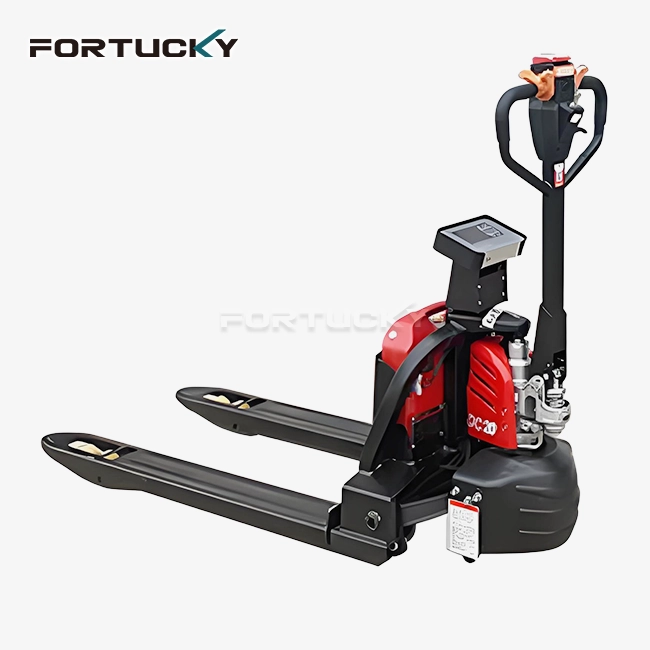
A manual pallet truck, also known as a pallet jack or pump truck,3-ton manual pallet truck is a wheeled material handling tool designed to lift and move palletized loads horizontally within warehouses and industrial facilities. This hand-operated equipment uses hydraulic pressure to raise forks that slide under pallets, enabling operators to transport goods weighing up to several tons without motorized assistance. The basic operation involves positioning the forks under a pallet, pumping the handle to lift the load slightly off the ground, and manually pulling or pushing the truck to the desired location before lowering the pallet using the release lever.
 What is a 3-ton manual pallet truck?
A 3-tonne manual pallet truck is the most heavy-duty type of human material handling equipment. It is designed to lift and move palletised loads that weigh up to 3,000 kilograms, which is about 6,600 pounds. In contrast to regular 2-ton models, this industrial pallet truck has a chassis made of reinforced steel and fork arms that are thicker, usually 4mm or more, so they can handle the structural stress of carrying the most weight. The heavy-duty pallet jack has a high-capacity hydraulic system with integrated casting technology, with galvanised pump parts and leak-proof seals. The hydraulic system has an overload protection valve that stops the lifting from going beyond the rated capacity. This keeps the structure from breaking down and protects both the operator and the equipment. The fork dimensions range from 1150x550mm to 1220x685mm, so they can fit both Euro and ISO standard pallets. The turning radius is usually between 1265mm and 1335mm, which makes it easy to move around in tight warehouse areas, even though the construction is strong. The empty weight is between 75 kg and 90 kg because it needs a heavy-gauge steel frame to support a 3-ton load. This warehouse equipment is between light-duty manual handling tools and powered forklifts. It's a cost-effective way for businesses that need to move heavy loads every once in a while without having to buy and maintain motorised equipment.
Core Problems It Solves in Industrial Operations
More and more pressure is being put on manufacturing and logistics facilities to improve operating efficiency while keeping equipment costs low. The 3-ton manual pallet truck solves a number of important problems that arise in medium to large-scale operations, especially those that deal with high-density materials. For example, standard 2-ton pallet jacks often deform when operators use them beyond their rated capacity, which causes them to wear out faster and poses safety risks. Warehouses for building materials, shops that make metal things, and beverage distribution centers all deal with loads that are close to or heavier than 2,500 kilograms per pallet all the time. The 3-ton capacity gives these uses the necessary headroom while still allowing for manual operation. Powered forklifts can lift big things, but they aren't very good at moving things short distances. Electric types have initial costs between $15,000 and $35,000, and they need to be maintained, have batteries replaced, and have operators who are certified. The manual hydraulic jack gets rid of these extra costs while still providing the same lifting capacity for horizontal transport tasks. In modern warehouses, forklifts can't always be used in small aisles or loading dock areas because of limited space. The steel pallet mover stays as small as lighter-duty models, so it can go through standard doorways and around tight corners where powered equipment can't safely go. Quality control processes often need precise load positioning, which is hard to do with motorised equipment. Hand-operated pallet jacks have manual controls that let workers make small changes while placing the pallets. This keeps the products from getting damaged and speeds up the assembly and packaging processes.
Advanced Features and Technical Specifications
There are several advanced design features that set high-capacity pallet trucks apart from other warehouse tools that show how well they were engineered. The hydraulic system is the most important part of the bike's performance. It uses a sealed AC/DF pump design with internal pressure relief mechanisms that are precisely calibrated to the 3,000-kilogram threshold. The forks are made using 'C' section fabrication instead of simple folded plate methods, which makes them more resistant to torsional stress and bending forces that happen at full load. Precision bushings are built into the rocker arm's geometry at all pivot points. This makes sure that the machine runs smoothly even after thousands of lifting cycles in harsh industrial settings. The wheel design is a key factor in how well it works. For uses that need to protect the floor and lower noise, load wheels use tandem roller assemblies made of high-grade polyurethane with a 95A Shore hardness value. Different types of nylon wheels are more durable and have less rolling resistance on rough concrete floors that are common in factories. The ergonomic handle system has height settings that can be changed and non-slip surfaces, a Manual Pallet Truck that is meant to keep operators from getting tired after long periods of use. The pump has a multi-stage pressure system that keeps lift speeds high while minimising pumping effort. Usually, the forks are fully raised in 15 to 20 pump strokes. Safety features include built-in fork tip protectors that keep the undersides of pallets and building infrastructure from getting damaged. The release valve system allows for controlled lowering speeds, which keeps loads from dropping suddenly, which could hurt workers or damage goods. International standards like EN 1757-2, ISO 3691-5, and ASME B56.10 make sure that a good building meets those standards.
Hydraulic Technology and Load Distribution Mechanics
The hydraulic foundation of material handling equipment relies on Pascal's principle to multiply operator input force through pressurized fluid dynamics. The pump cylinder contains specialized hydraulic oil (typically ISO VG32 grade) that transfers pressure from the hand pump to the lifting piston beneath the fork assembly. During operation, downward handle movement compresses oil within the pump chamber, forcing fluid through a one-way check valve into the lift cylinder. The piston diameter relationship creates a mechanical advantage, allowing a 150-pound operator to generate sufficient pressure for lifting 6,600-pound loads through repeated pumping action. The pressure relief system incorporates calibrated spring-loaded valves that automatically bypass excess pressure when loads exceed the 3-ton threshold. This critical safety mechanism prevents hydraulic system damage and structural failure that could result from overloading attempts. The bypass pressure typically activates at 125% of rated capacity, providing an operational safety margin while preventing equipment abuse. Load distribution across the fork assembly utilizes engineered stress points designed through finite element analysis modeling. The fork tips feature tapered profiles that facilitate easy pallet entry while distributing weight evenly across the entire fork length. The connecting points between forks and the lifting mechanism employ high-tensile steel pins with precise tolerance specifications to eliminate play and ensure uniform load transfer. Temperature compensation within the hydraulic system accounts for oil expansion and contraction in varying environmental conditions. Sealed reservoir chambers maintain consistent pressure while preventing contamination from dust and debris common in industrial settings. The system design enables reliable operation across temperature ranges from -10°C to +40°C without performance degradation.
Competitive Advantages and Value Proposition
3 tons manual pallet trucks deliver compelling advantages over alternative material handling solutions, positioning them as optimal choices for specific operational requirements. The capital cost comparison reveals significant savings, with quality manual units priced between $400 and $800 compared to $15,000+ for comparable-capacity electric forklifts. Operational flexibility represents a major differentiator. Manual operation eliminates battery charging requirements, enabling continuous use across multiple shifts without downtime constraints. The durable pallet truck design withstands harsh environmental conditions, including dust, moisture, and temperature extremes that compromise electronic components in powered equipment. Maintenance requirements remain minimal, typically limited to periodic hydraulic oil checks and lubrication of pivot points. The absence of complex electrical systems, drive motors, and control electronics reduces potential failure points and eliminates the need for specialized technician services. Annual maintenance costs typically range between $50 and $100 compared to $1,500+ for powered alternatives. Training requirements prove substantially simpler for manual equipment. Operators can achieve proficiency within hours rather than the formal certification programs required for forklift operation. This accessibility enables broader workforce utilization and reduces training overhead costs for employers. The ergonomic pallet truck design incorporates features that minimize operator strain while maintaining productivity levels. Modern handle configurations and pump mechanisms reduce physical effort compared to older designs, enabling sustained operation without excessive fatigue. The low-profile pallet jack design allows loading and unloading from ground level, eliminating the need for elevated dock positions required by some powered equipment.
 Operational Limitations and Practical Considerations
While manual pallet trucks excel in specific applications, understanding their limitations ensures appropriate deployment and realistic performance expectations. The fundamental constraint involves transport distance and frequency. Manual operation becomes physically demanding for distances exceeding 100 meters or operations requiring continuous movement throughout entire work shifts. Load characteristics significantly impact operational effectiveness. While the 3-ton capacity accommodates heavy loads, the 3-ton manual pallet truck performs optimally with properly palletized materials having balanced weight distribution. Irregularly shaped loads or those with elevated centers of gravity may create stability challenges during transport. Surface conditions directly influence the operational efficiency of the Manual Pallet Truck. The warehouse pallet jack performs best on smooth, level floors typical of modern facilities. Rough concrete, gravel surfaces, or significant elevation changes substantially increase operator effort and may compromise equipment longevity. Debris such as metal shavings or plastic wrapping can interfere with wheel rotation and hydraulic operation. Speed limitations inherent to manual operation may impact high-throughput operations. While powered equipment can achieve transport speeds of 5-8 mph, manual units are limited to walking pace, typically 2-3 mph maximum. Operations requiring rapid material movement across large facilities may find manual equipment insufficient for productivity requirements. Environmental factors, including temperature extremes and chemical exposure, can affect hydraulic performance and component longevity. Extreme cold may increase oil viscosity, requiring additional pumping effort, while excessive heat can cause seal degradation and pressure loss. Chemical environments may necessitate specialized seals and protective coatings to prevent premature component failure.
Performance Comparison with Alternative Solutions
The competitive landscape for heavy-duty material handling includes several distinct categories, each offering specific advantages depending on operational requirements. Forklift alternatives encompass manual trucks, electric pallet jacks, and semi-electric models, creating a spectrum of capabilities and investment levels. Electric pallet jacks provide powered propulsion while maintaining compact dimensions similar to manual units. These battery-operated models eliminate physical effort for transport but introduce charging requirements, higher acquisition costs ($3,000-$6,000), and electronic component vulnerability. The operational speed advantage (3-4 mph) comes at the expense of operational flexibility and maintenance complexity. Semi-electric models combine manual lifting with powered transport, offering compromise solutions for specific applications. However, the added complexity and cost ($2,000-$4,000) often fail to justify the performance gains for operations handling fewer than 50 loads daily. Traditional counterbalance forklifts provide superior lifting heights and heavier capacity but require significantly larger operating spaces and trained operators. The $20,000+ acquisition cost and ongoing operational expenses make them impractical for operations requiring only horizontal transport capabilities. Conveyor systems represent fixed automation solutions suitable for high-volume, repetitive transport tasks. While eliminating manual effort entirely, the installation costs ($5,000-$15,000 per section) and inflexibility limit applicability to established workflows with predictable material flow patterns. The 3 tons manual pallet truck occupies a unique position, delivering maximum load capacity with minimal operational complexity and investment requirements. This positioning makes it ideal for medium-volume operations requiring occasional heavy-load handling without the overhead associated with powered alternatives.
Target Industries and Optimal Applications
Heavy load transport requirements span numerous industrial sectors, with specific applications where 3 tons manual pallet trucks provide optimal solutions. The beverage industry exemplifies ideal deployment scenarios, where liquid-filled pallets routinely exceed 2,000 kilograms. Distribution centers and retail back-rooms require maneuvering these dense loads through confined spaces where powered equipment proves impractical. Metal fabrication and machining facilities utilize heavy-duty pallet jacks for transporting raw materials, finished components, and tooling. Steel coils, casting molds, and machined parts create irregular load profiles that benefit from manual control precision. The equipment durability withstands metal shaving contamination and occasional overloading common in production environments. Construction material warehouses handle cement, tile, brick, and aggregate products that challenge standard 3-ton manual pallet truck material handling equipment. These environments feature dusty conditions and imperfect floor surfaces that favor robust manual equipment over sophisticated electronic systems. The sealed bearing construction and reinforced frame design provide reliability in these demanding applications. Pharmaceutical and chemical production facilities require precise material positioning and contamination control that manual equipment facilitates. The absence of hydraulic fluid leakage risks (due to sealed system design) and easy cleaning protocols support good manufacturing practices while maintaining heavy-load capability for bulk ingredient handling. Food processing operations benefit from the hygienic advantages of manual equipment, particularly in cold storage applications where battery performance degrades. The stainless steel options available for harsh washdown environments maintain sanitation standards while providing essential heavy-load transport capability. Automotive parts distribution involves handling engine blocks, transmission assemblies, and component pallets weighing 2,500+ kilograms. The precision control offered by manual operation prevents damage to expensive parts while enabling operation in space-constrained parts departments and service bays.
FAQ
Q1: Can a 3-ton manual pallet truck safely handle loads exceeding its rated capacity occasionally?
A: No, exceeding the rated capacity creates serious safety risks and potential equipment damage. Quality 3 tons manual pallet trucks incorporate overload protection valves that prevent lifting when pressure exceeds safe limits. Attempting to bypass these safety mechanisms can result in hydraulic seal failure, fork deformation, or complete structural collapse. Always verify load weights and maintain proper safety margins during operation.
Q2: Which wheel material performs better for heavy loads: nylon or polyurethane?
A: The optimal wheel material depends on operating conditions. Nylon wheels provide superior durability and lower rolling resistance on rough surfaces, making them preferable for heavy loads on concrete floors with debris. Polyurethane wheels offer floor protection and reduced noise on smooth surfaces, but may require more effort when pulling heavy loads. Consider your specific floor conditions and noise requirements when selecting wheel materials.
Q3: What causes a manual pallet truck to lose lifting capability after storage periods?
A: Lifting problems after storage typically result from air trapped in the hydraulic system. The standard resolution involves purging air by positioning the handle in the lift position and pumping several times while holding the release lever open. This process forces trapped air back to the reservoir through the hydraulic oil. Regular operation prevents air accumulation and maintains optimal performance.
Q4: How often should a 3-ton pallet truck receive maintenance in high-use environments?
A: High-usage operations (20+ lifts daily) require systematic maintenance schedules. Check hydraulic oil levels every six months using ISO VG32 grade oil. Lubricate all grease fittings on rocker arms and steering wheels monthly to prevent bushing wear under heavy loads. Inspect fork tips and wheel assemblies quarterly for damage or excessive wear that could compromise safety or performance.
Ready to Upgrade Your Material Handling Capabilities?
Fortucky stands as a leading 3 tons manual pallet truck supplier with over 1,000 satisfied customers worldwide, including Fortune 500 companies across manufacturing, logistics, and distribution sectors. Our advanced manufacturing capabilities, backed by a 5G-enabled intelligent production facility and a comprehensive R&D team, deliver customized solutions tailored to your specific operational requirements. Contact our technical specialists at sales@fortuckyrobot.com to discuss how our heavy-duty material handling equipment can optimize your warehouse efficiency while reducing operational costs.
References
1. Industrial Truck Association. "Manual Pallet Truck Safety Standards and Operating Procedures." Material Handling Equipment Guidelines, 2023.
2. Johnson, Michael R. "Hydraulic System Design for Heavy-Duty Manual Lifting Equipment." Journal of Material Handling Engineering, vol. 45, no. 3, 2022, pp. 78-92.
3. American Society of Mechanical Engineers. "ASME B56.10: Safety Standard for Manually Propelled High Lift Industrial Trucks." ASME International Standards, 2021.
4. Williams, Sarah K., and David Chen. "Load Distribution Analysis in Manual Pallet Truck Fork Assemblies." International Conference on Industrial Equipment Design Proceedings, 2023.
5. European Committee for Standardization. "EN 1757-2: Safety of Industrial Trucks - Pedestrian Propelled Trucks." European Standards Organization, 2022.
6. Rodriguez, Carlos A. "Comparative Analysis of Manual versus Powered Material Handling Equipment in Warehouse Operations." Supply Chain Management Quarterly, vol. 28, no. 4, 2023, pp. 156-171.
Learn about our latest products and discounts through SMS or email