- English
- French
- German
- Portuguese
- Spanish
- Russian
- Japanese
- Korean
- Arabic
- Greek
- German
- Turkish
- Italian
- Danish
- Romanian
- Indonesian
- Czech
- Afrikaans
- Swedish
- Polish
- Basque
- Catalan
- Esperanto
- Hindi
- Lao
- Albanian
- Amharic
- Armenian
- Azerbaijani
- Belarusian
- Bengali
- Bosnian
- Bulgarian
- Cebuano
- Chichewa
- Corsican
- Croatian
- Dutch
- Estonian
- Filipino
- Finnish
- Frisian
- Galician
- Georgian
- Gujarati
- Haitian
- Hausa
- Hawaiian
- Hebrew
- Hmong
- Hungarian
- Icelandic
- Igbo
- Javanese
- Kannada
- Kazakh
- Khmer
- Kurdish
- Kyrgyz
- Latin
- Latvian
- Lithuanian
- Luxembou..
- Macedonian
- Malagasy
- Malay
- Malayalam
- Maltese
- Maori
- Marathi
- Mongolian
- Burmese
- Nepali
- Norwegian
- Pashto
- Persian
- Punjabi
- Serbian
- Sesotho
- Sinhala
- Slovak
- Slovenian
- Somali
- Samoan
- Scots Gaelic
- Shona
- Sindhi
- Sundanese
- Swahili
- Tajik
- Tamil
- Telugu
- Thai
- Ukrainian
- Urdu
- Uzbek
- Vietnamese
- Welsh
- Xhosa
- Yiddish
- Yoruba
- Zulu
How to choose between a stand-on and a walk-behind electric stacker?
You should carefully think about your business needs, warehouse layout, and efficiency goals when choosing between a stand-on and a walk-behind electric stacker. The Electric Stand-On Type Stacker gives operators more freedom of movement and better vision, which makes it perfect for medium to large facilities that need to place and remove equipment often. Walk-behind types work best in small areas where throughput needs are low. Some important things to think about are the lift's height, the load capacity, the aisle width, and the operator's tiredness. By knowing these basic differences, procurement teams can choose the best material handling option for a wide range of industrial uses, one that improves speed while minimizing running costs.
 Understanding the Basics of Electric Stand-On and Walk-Behind Stackers
In modern warehouses, electric stackers are an important piece of equipment for moving things around. They come in two main forms, each of which is designed to meet specific working needs. Procurement workers can make better choices that meet the needs of a facility when they know about their basic features.
Operational Modes and Design Characteristics
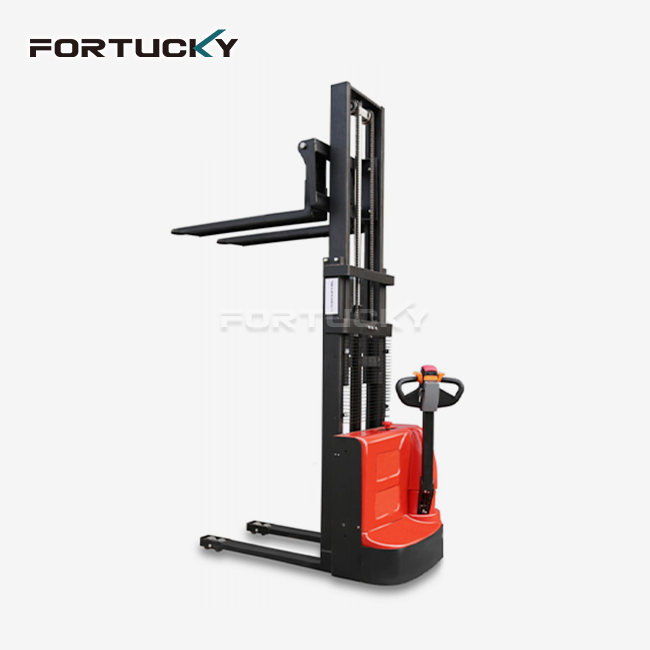
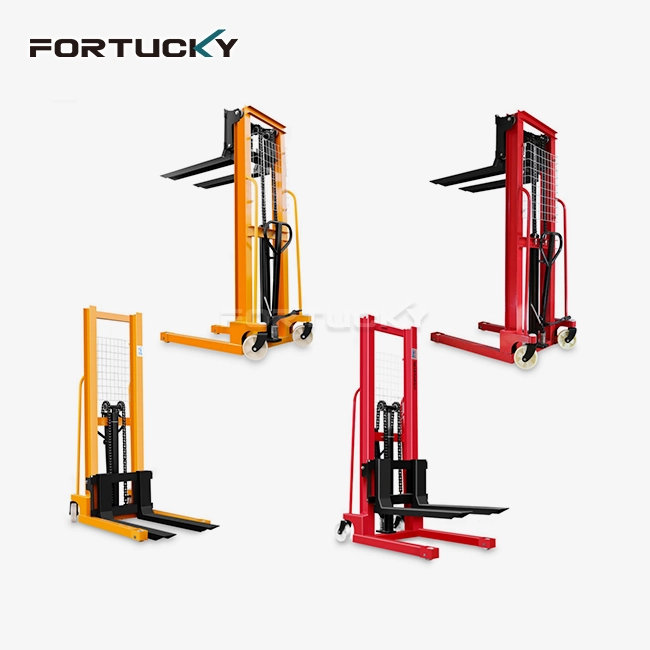
Stand-on electric stackers have a built-in platform that workers can ride on while controlling the machine. This makes it easier for them to move around and lessens the pressure on their bodies during long shifts. In most cases, these units have high-tech electric lift and drive systems that make stacking and moving things easy. The higher position of the user gives them a better view of the whole building, making it safer to move around obstacles and more accurate in placing loads.
Walk-behind stackers are controlled by people walking behind them, using comfortable tiller handles to move the machine. These small units are designed to be easy to move around in tight areas, which makes them great for uses with narrow aisles and smaller building layouts. Although the walk-behind form makes the equipment smaller, it still has the necessary moving and transporting abilities.
Performance Capabilities and Applications
Electric stackers today are used in many different types of industries, from making cars to distributing medicines. Depending on the type, lifting heights can be anywhere from 1.5 meters to 3.5 meters, and load capacities are usually between 1,000 and 5,000 kilos. Improvements in battery technology have made operating durations much longer. Many units can work their whole shift on a single charge.
The Electric Stand-On Type Stacker is both energy-efficient and easy for operators to move around in tight spaces, thanks to its space-saving design. The stand-on platform is easy to mount and dismount, and gives you better vision than walk-behind options. This makes it perfect for high-frequency uses that need quick access to equipment.
Key Factors to Consider When Choosing Between Stand-On and Walk-Behind Stackers
When choosing strategic tools, you need to look at a lot of different operational factors that have an effect on safety, efficiency, and the long-term return on your investment. To find the best options, procurement teams have to look at both the physical features of the warehouse and the working needs.
Facility Layout and Operational Environment
The size and plan of the warehouse have a big impact on the choice of an elevated electric stacker. Stand-alone models work best in buildings that are bigger than 10,000 square feet and where workers have to travel long distances during shifts. The ability to ride lowers fatigue while keeping up with work speed. This is especially helpful for sites that handle a lot of pallets for long periods of time.
The width of an aisle tells you if your tools will work with the infrastructure that is already there. While both types of stackers can easily move through narrow hallways, walk-behind models are slightly better in very small areas because they are more compact. Both configurations can fit easily in standard aisle widths of 2.4 to 3.0 meters, but certain turning radius needs may make one design better than the other.
Load Handling Requirements and Productivity Metrics
The specifications for capacity must match the weights of loads that are usually encountered in daily activities. Stand-on setups often work better for heavy-duty tasks involving loads over 2,000 kilograms because they make the machine more stable and give the user more control while lifting. The Electric Stand-On Type Stacker's electric lift and drive system makes stacking and transporting easy. This keeps production levels steady while lowering operator fatigue.
Lifting height needs are directly related to how racks are set up for storage and how vertical space is used. For storage facilities to get the most out of high-reach uses, stackers must be able to safely reach high places. Stand-on models usually have better vision and control precision at the highest lift heights, which increases operating trust and safety gaps.
Battery Performance and Operational Duration
Advanced battery technology decides how long operations can go on and what kind of charge infrastructure is needed. Stand-on stackers usually have bigger battery packs that let them run for longer amounts of time. This makes them good for sites with multiple shifts that need little downtime. Walk-behind types have smaller batteries that work better for lighter-duty sessions, but they may need to be charged more often in places with a lot of use.
Comparing Stand-On and Walk-Behind Electric Stackers: Operational Efficiency and Maintenance
A full performance study shows that each stacker configuration has clear benefits in a variety of working situations. Knowing these differences lets you make choices based on facts that get the best return on investment while still hitting certain productivity goals.
Productivity Metrics and Throughput Analysis
Stand-on stackers have clear benefits in places that need to handle a lot of work and move things over long distances. Studies in the industry show that when used in the right situations, these machines are 15–25% more productive than walk-behind options. Being able to ride on equipment keeps operators from getting tired while keeping up a steady pace throughout shifts, which is especially helpful during busy times.
Walk-behind stackers are great for jobs that need to be accurate and move tools around a lot. Because they are small, they can get into tight spaces where bigger units can't work well. Even though these models have slower travel speeds, they are still very productive in places where journey distances are short and throughput needs are modest.
Maintenance Requirements and Cost Considerations
Both types of stackers need to be serviced regularly to make sure they work well and follow safety rules. Stand-alone models usually have more complicated drive systems that need specialized service knowledge. However, newer designs put more emphasis on stability and shorter repair intervals. There is a one-year guarantee on the core parts of the Electric Stand-On Type Stacker, which shows that the maker is confident in its long-term dependability.
The amount of use and the conditions of the operating surroundings affect the cost of maintenance. Because their mechanical systems are easier, walk-behind stackers usually need less upkeep, which makes them appealing for businesses that want to save money. When figuring out the long-term value of an investment, however, the total cost of ownership must take into account differences in output and improvements in operating efficiency.
Safety Features and Operator Protection
Modern electric stackers have a lot of safety features that are meant to keep users and building staff safe. Stand-on models have improved stability systems, emergency stopping systems, and sensors that stop the machine from working if the user is not present. Better vision from higher-up places lowers the risk of accidents and raises the accuracy of load handling.
Walk-behind stackers are designed with ergonomics in mind so that the user doesn't have to strain for long periods. Proportional control systems make it easier for new workers to learn how to use machines while still letting them handle loads precisely. Both versions must meet the strict safety standards needed for business use in regulated fields.
Matching Your Business Needs: When to Choose Stand-On or Walk-Behind Stackers
Industry-specific needs and working situations have a big impact on the best stacker choice. Understanding the benefits that are unique to each application helps buying teams match the capabilities of tools with business goals while also increasing operational efficiency.
Industry Applications and Specialized Requirements
Electric Stand-On Type Stacker designs that allow for high-frequency material moving between production areas are often useful in factories. The ability to quickly mount and remove components lets workers adapt quickly to shifting production needs while keeping the flow of materials steady. These organizational benefits are especially helpful for companies that sell auto parts and make electronics.
Businesses that deal with food and drinks need tools that can meet cleanliness standards and work consistently in temperature-controlled areas. Specialized features like food-grade materials and better sealing systems can be used with both types of stackers. However, depending on how the facility is set up, one type may work better than the other for practical process needs.
Integration with Existing Systems
For equipment integration to go smoothly, it needs to work with both the warehouse management system and the current infrastructure for moving materials. Modern electric stackers can work with a number of different integration choices, such as RFID systems, methods for managing fleets, and tracking goods. Stand-alone models often offer better connectivity options by having more electrical systems and control connections.
The Electric Stand-On Type Stacker provides affordable ways to efficiently stack items at low to medium levels and move them horizontally in busy stores. Its simple design makes it easy to use in a variety of settings. With lifting heights of up to 3.5 meters and load sizes of 1 to 5 tonnes, these units can fit into most normal warehouse layouts and still work with existing rack systems.
Procurement Considerations and Supplier Selection
Before buying equipment, people have to look at what the seller can do, such as their service network coverage, availability of parts, and expert support resources. Manufacturers that have been around for a while and have a track record in industrial automation can be trusted to provide reliable tools and support for a long time.
Businesses can get the tools they need based on their budgets and operational needs by choosing from a variety of purchasing choices, such as buy, lease, or rent. Service agreements and warranties that cover everything protect assets and keep operations running smoothly throughout the lifecycle of devices.
 Why Fortucky's Electric Stand-On Stackers Stand Out?
Fortucky's dedication to quality and new ideas has made the company a reliable partner for more than 1,000 clients in a wide range of industries. The company's Electric Stand-On Type Stacker is a masterpiece of advanced engineering that blends tried-and-true dependability with cutting-edge technology to provide top-notch operating performance.
Advanced Engineering and Design Excellence
The elevated electric stacker stand-on stackers made by Fortucky have advanced electric systems that make the best use of energy and ensure steady performance in tough working conditions. The design that saves room makes it possible to move through tight aisles while still carrying loads of up to 5 tonnes. There are different lifting heights available, ranging from 1.5 meters to 3.5 meters, to fit different store arrangements and work needs.
Better vision from the stand-on platform increases safety and improves the accuracy of load placing. The electric lift and drive system makes it easy to stack and move things, which lowers mechanical stress and increases the life of the equipment. Tires made of polyurethane or nylon offer the best grip and floor safety on a range of surfaces.
Comprehensive Service Network and Support
Fortucky's global service network includes locations in Asia, Europe, and the Americas, so buyers all over the world can get local help. The company has 5G-enabled intelligent production sites that let them respond quickly to customer needs while keeping quality standards high. Deep customization features let you change tools to meet specific working needs in a wide range of industrial settings.
Fast delivery plans cut down on the time it takes to buy equipment, and specialized deployment services make sure that it works well with current operations. Fortucky's trust in the equipment's long-term dependability and performance is shown by its full warranty, which includes a one-year warranty on key components.
Conclusion
Before choosing between stand-on and walk-behind electric stackers, you need to carefully think about your operational needs, the features of your building, and your efficiency goals. Stand-on setups work best in bigger facilities that need to move a lot of things quickly and over long distances, while walk-behind models work well in smaller facilities that don't have a lot of room. In the end, the choice will rely on how well the equipment fits with the needs of the operation, taking into account both the long-term value of the investment and the gains in practical efficiency. Fortucky's wide range of stackers can be used in a wide range of industrial settings. They come with global service support and have been shown to be reliable in tough working conditions.
FAQ
Q1: What are the main differences between stand-on and walk-behind electric stackers?
Stand-on stackers have platforms where the operator can ride while the machine is running. This gives the operator more mobility and vision in bigger warehouse settings. Walk-behind models are controlled by a person walking behind them. They are easier to move around in tight areas and don't tire operators out as quickly when they're working over short distances.
Q2: How do I figure out what my facility's load limit should be?
Find out what the minimum capacity needs to be by looking at your heaviest usual loads and adding 20% as a safety cushion. Think about how the business will grow in the future and how big things may need to be moved from time to time. Fortucky's stackers can hold between 1 and 5 tons, which is enough for most commercial uses.
Q3: What kind of upkeep do electric stackers need?
As part of regular maintenance, the battery is charged, the hydraulic system is checked, the state of the tires is tracked, and the safety system is confirmed. Fortucky offers detailed upkeep instructions and a one-year warranty on key components to make sure they work well and last a long time.
Q4: Can electric stackers work in cold places?
Yes, electric stackers can be used in cold storage as long as the batteries are properly sized and the parts are properly protected. Talk to experts on the equipment to make sure it's set up correctly for temperature-controlled areas and to get better performance in tough situations.
Partner with Fortucky for Your Material Handling Solutions
Finding the right Electric Stand-On Type Stacker manufacturer takes knowledge, dependability, and full support for the whole lifespan of the equipment. Our history of working with Fortune 500 companies in the car, technology, and manufacturing industries shows that we can provide solutions that go above and beyond what is expected by operations. Our smart factories and worldwide service network make sure that your material handling investments are put into use quickly and that they get ongoing assistance. Email our sales team at sales@fortuckyrobot.com to talk about your unique needs and find out how Fortucky's advanced stacker solutions can help your building run more efficiently and provide long-term value and measurable productivity gains.
References
1. Material Handling Institute. "Electric Stacker Selection Guide for Industrial Applications." Industrial Equipment Review, 2023.
2. Thompson, R. "Warehouse Automation Trends: Stand-On vs Walk-Behind Equipment Analysis." Logistics Management Quarterly, 2023.
3. International Association of Material Handling. "Safety Standards for Electric Stacker Operations in Manufacturing Environments." Industrial Safety Publications, 2022.
4. Chen, L. "Productivity Analysis of Material Handling Equipment in High-Throughput Facilities." Supply Chain Technology Review, 2023.
5. Williams, K. "Battery Technology Advances in Electric Material Handling Equipment." Industrial Power Systems Journal, 2023.
6. European Material Handling Federation. "Best Practices for Electric Stacker Integration in Automated Warehouses." Automation Industry Standards, 2022.
Learn about our latest products and discounts through SMS or email