- English
- French
- German
- Portuguese
- Spanish
- Russian
- Japanese
- Korean
- Arabic
- Greek
- German
- Turkish
- Italian
- Danish
- Romanian
- Indonesian
- Czech
- Afrikaans
- Swedish
- Polish
- Basque
- Catalan
- Esperanto
- Hindi
- Lao
- Albanian
- Amharic
- Armenian
- Azerbaijani
- Belarusian
- Bengali
- Bosnian
- Bulgarian
- Cebuano
- Chichewa
- Corsican
- Croatian
- Dutch
- Estonian
- Filipino
- Finnish
- Frisian
- Galician
- Georgian
- Gujarati
- Haitian
- Hausa
- Hawaiian
- Hebrew
- Hmong
- Hungarian
- Icelandic
- Igbo
- Javanese
- Kannada
- Kazakh
- Khmer
- Kurdish
- Kyrgyz
- Latin
- Latvian
- Lithuanian
- Luxembou..
- Macedonian
- Malagasy
- Malay
- Malayalam
- Maltese
- Maori
- Marathi
- Mongolian
- Burmese
- Nepali
- Norwegian
- Pashto
- Persian
- Punjabi
- Serbian
- Sesotho
- Sinhala
- Slovak
- Slovenian
- Somali
- Samoan
- Scots Gaelic
- Shona
- Sindhi
- Sundanese
- Swahili
- Tajik
- Tamil
- Telugu
- Thai
- Ukrainian
- Urdu
- Uzbek
- Vietnamese
- Welsh
- Xhosa
- Yiddish
- Yoruba
- Zulu
What is a Metal sack truck?
When I walk through a busy building or work site, I see one piece of gear that doesn't get the attention it deserves: the simple but necessary metal sack truck. This unsung hero quietly handles thousands of daily tasks, from carrying building materials over rough terrain to moving heavy items in shops. You are about to learn about the technical genius behind this useful tool that makes it possible for one person to easily move loads that would normally require a team or expensive equipment.
 What is a Metal Sack Truck?
The metal sack truck is a special kind of hand-operated material handling tool made from high-tensile steel or aluminium alloys. It is designed to move heavy loads quickly and easily using basic mechanical principles. This two-wheeled vertical cart has a strong metal frame, a flat toe plate at the bottom for sliding under items, and comfortable handles on top. It works like a simple lever, with the wheel axle acting as the pivot point. This lets one person move weights over 200 kilograms with little physical effort. Industries from transportation to construction depend on this durable equipment because it greatly reduces workplace injuries caused by manual heavy lifting, and it performs very well in tough conditions where plastic alternatives would fail.
The Critical Problem Metal Sack Trucks Solve in Modern Operations
Every transportation manager I've talked to has the same question: how can you keep people productive while also preventing injuries? Musculoskeletal problems caused by repetitive heavy lifting cost American businesses more than $20 billion a year in workers' compensation claims. This staggering number doesn't even include lost work time and employee turnover.
This problem is directly addressed by the heavy-duty industrial handcart. The steel sack trolley is the perfect compromise between forklifts, which need trained drivers, fuel, and wide aisles, and plastic dollies, which break when put under too much stress. What would have been a dangerous two-person lift can now be handled by one person safely. Pharmaceutical warehouses need narrow aisles and temperature control, and these trucks can get through tight areas without emitting pollution like powered equipment. They are useful on construction sites because they can roll over dirt, mud, and other obstacles that would stop wheeled carts with smaller tyres.
The economic impact is just as strong. With a good metal sack dolly, one worker can do the same amount of work as several workers carrying bags by hand. This reduces labour costs and injury-related expenses. Cold chain centres that handle chilled goods really appreciate this equipment because it reduces the time that doors have to stay open during moves, helping maintain temperature stability.
Core Features That Define Professional-Grade Metal Sack Trucks
There are decisions made in the engineering world that separate a consumer-grade hand truck and metal sack truck from an industrial metal box-carrier. Let me show you the features that are important when the activity you're running depends on them.
- Selecting the Right Materials: Professional models have tube steel frames that are usually 25 mm in diameter. These frames are strong enough that they don't bend when they're under a lot of stress. Powder-coating methods used by high-end makers go beyond ASTM B117 salt spray rust standards. This makes sure that the frame can handle being in a wet building and being outside. Aluminium versions give up some sturdiness for lighter weight, which is great for drivers who have to lift the truck into delivery cars several times a day.
- Load Capacity Engineering: The Safe Working Load number isn't made up on the spot. It shows that the stress was carefully spread out over the frame, axle, and toe plate welds. Heavy-duty models with strengthened wheels and gusseted toe plates can hold up to 500 kilograms. Standard industrial models can hold between 150 and 350 kilograms. Because of this, they can safely move car parts, chemical drums in factories, or stacked beverage cases without the risk of catastrophic failure.
- Wheel Configuration Optimisation: The choice between solid polyurethane tyres and air tyres has a huge effect on speed. When the ground is rough, pneumatic tyres absorb shock, keeping both the load and the operator's hands safe from hits. When there are metal shavings or broken boxes around, solid polyurethane wheels don't get punctured. When compared to basic bushings, precision ball bearings cut rolling resistance by up to 40%. This means that operators will be less tired after eight hours of work.
- Ergonomic Handle Design: P-handles let you control smaller loads with one hand in store settings, while dual-grip handles spread the force across both hands for big industrial uses. The foldable portable handcart version has handles that can be folded down, which makes it 60% smaller when stored, which is important for delivery vehicles that don't have a lot of room for goods.
- Pressure Bar Construction for Stability: More advanced models have a square steel block that forms a triangle with the handle, the folding ribs, and the frame. This design gets rid of the wobble that comes with cheaper models, making them stable enough to move fragile electronics or stacked items.
The Engineering That Makes It Work
The elegance of the metal sack transporter lies in its application of fundamental physics. When you tilt the loaded truck back, you create a Class 1 lever system where the wheel axle serves as the fulcrum. The load's centre of gravity shifts behind this pivot point, dramatically reducing the force required to maintain balance. A 200-kilogram load that would require 200 kilograms of lift force to pick up manually needs only 20-30 kilograms of pull force when properly balanced on the truck.
The textured non-slip platform surface uses raised patterns that increase the coefficient of friction, preventing loads from sliding during transport. This seemingly minor detail prevents accidents that occur when boxes shift unexpectedly during movement. The cold-rolled steel platform deck manufactured through whole-shaped technology eliminates weak seams that develop in welded platforms, distributing weight evenly across the entire surface.
Modern manufacturing techniques ensure MIG and TIG welds at critical stress points achieve full penetration without porosity. Ultrasonic inspection during quality control catches microscopic flaws before they become field failures. This attention to detail explains why quality units last decades in daily industrial use while cheaper alternatives fail within months.
Key Advantages That Drive ROI
When I evaluate equipment for warehouse operations, I calculate the total cost of ownership, not just the purchase price. The steel sack carrier delivers measurable advantages across multiple dimensions.
- Injury Prevention: Reducing manual lifting directly decreases workers' compensation claims. Facilities that implement proper material handling equipment report 40-60% reductions in lifting-related injuries within the first year.
- Operational Efficiency: A single operator with a heavy-duty hand trolley moves the same volume as three workers performing manual carries, freeing personnel for value-added tasks. In high-throughput distribution centres processing thousands of parcels daily, this efficiency gain translates to meeting shipping deadlines without overtime costs.
- Durability in Harsh Environments: Metal construction survives impacts that shatter plastic equivalents. Construction sites where equipment gets dropped, bumped, and exposed to weather see five-year-plus service life from quality metal units versus months from composite materials.
- Versatility Across Applications: The same equipment that moves bagged cement on construction sites handles kegs in beverage distribution or appliances in retail delivery. This multi-purpose capability reduces equipment inventory costs.
- No Operating Costs: Unlike powered equipment, these trucks—heavy-duty industrial handcarts—require no fuel, batteries, or electricity. Maintenance consists of occasional bearing lubrication and tyre replacement, making annual operating costs nearly zero.
 Considerations and Limitations to Understand
Honesty requires acknowledging what metal sack trucks cannot do well. They need reasonably clear pathways; navigating stairs demands physical effort and proper technique. Loads with irregular shapes or unstable centres of gravity require careful securing. The manual nature means throughput remains limited by human pace, making these trucks unsuitable for operations requiring continuous high-volume movement, where conveyor systems or forklifts make more sense.
Weight matters too. Steel construction that provides durability also means the truck itself weighs 15-25 kilograms empty. Operators loading trucks into delivery vehicles multiple times daily may prefer lighter aluminium models despite their higher cost. The compact metal sack truck with folding capability helps here, reducing bulk during transport.
Initial cost is another consideration. Quality industrial units range from $150 to $400 depending on capacity and features, while consumer models sell for $50 to $80. This price difference reflects the engineering that ensures reliability under daily commercial use. Operations that choose based on initial price alone often face replacement costs and downtime that exceed the savings.
Metal Sack Trucks vs. Alternatives
Comparing material handling options helps clarify ideal applications. Platform carts with four wheels offer more stability for bulky, well-stacked loads but lack the manoeuvrability and vertical orientation needed for sacks, drums, or appliances. Their larger footprint also limits use in tight spaces.
Plastic hand trucks cost less initially and weigh less, making them attractive for light-duty residential use. They fail quickly in commercial environments where repeated impacts, UV exposure, and temperature extremes cause cracking. I've seen facilities replace plastic units three times for every single time they would replace a steel equivalent.
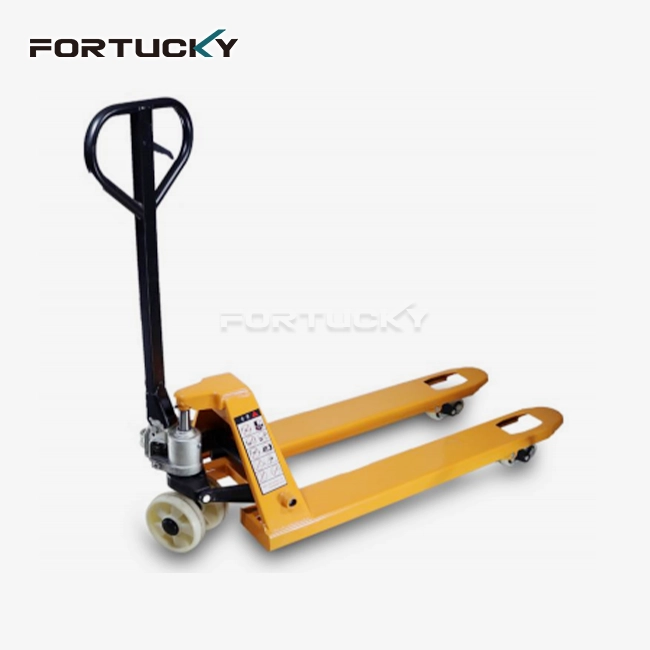
Powered pallet jacks move higher volumes but require charging infrastructure, trained operators, and wide aisles. Their $2,000-$5,000 cost and ongoing maintenance make them overkill for operations moving dozens rather than hundreds of loads daily. The metal sack lifter fills the crucial gap between pure manual handling and powered equipment.
Who Benefits Most and Where They Use It?
The industrial hand truck serves diverse sectors, each with specific requirements. Beverage distributors use curved-back models designed to cradle kegs and barrels, navigating narrow cellar stairs and tight delivery vehicle spaces. The metal frame withstands the drop-and-tilt handling that comes with liquid containers weighing 50-80 kilograms.
Construction and renovation contractors depend on pneumatic-tyred models to cross loose gravel, mud, and debris while moving cement bags, drywall, and equipment. The rigid frame resists torque when traversing uneven grades, preventing the twisting that causes load shifts.
FMCG distribution centres use high-back designs for stacking uniform parcels or totes, maximising volume per trip. The metal construction withstands thousands of daily loading dock impacts without the frame fatigue that develops in welded aluminium alternatives.
Pharmaceutical facilities appreciate zero-emission operation in climate-controlled environments where forklifts would introduce exhaust contaminants. The foldable portable handcart's compact footprint navigates between shelving in high-density storage areas where powered equipment cannot operate.
Retail and appliance delivery services rely on folding models that collapse for van storage, then deploy quickly for doorstep delivery. The ability to handle washing machines, refrigerators, and other white goods up to 300 kilograms eliminates the need for additional personnel on routine deliveries.
Conclusion
The metal sack truck represents practical engineering refined over decades to solve a fundamental challenge: moving heavy loads safely and efficiently without complex machinery. As automation advances, these manual tools remain indispensable for last-mile movements, irregular loads, and tight spaces where robots and forklifts cannot operate economically. Future developments will likely focus on hybrid designs incorporating lightweight composites in non-critical components while maintaining metal strength where it matters, as well as ergonomic refinements that further reduce operator fatigue. The core value proposition—reliable, low-cost material handling—ensures this equipment will remain essential across industries for generations to come.
FAQ
1. What weight capacity should I choose for my operation?
Match capacity to your heaviest regular load plus a 25% safety margin. Standard 150-200 kg models suit retail and light warehouse use. Manufacturing and construction environments benefit from 300-350 kg heavy-duty models. Exceeding rated capacity damages frames and creates safety hazards.
2. How do pneumatic and solid tyres compare for different environments?
Pneumatic tyres absorb shock on rough outdoor terrain, protecting loads and reducing operator fatigue. They require occasional inflation checks and can be punctured. Solid polyurethane wheels eliminate maintenance and puncture risk, making them ideal for warehouses with metal debris or smooth concrete floors, though they transmit more vibration.
3. What maintenance extends service life?
Lubricate wheel bearings every six months under normal use and monthly in harsh environments. Inspect welds and frames for cracks annually. Replace worn tyres before the tread completely disappears. Store indoors when possible to extend coating life. Quality units maintained properly deliver 10-15 years of daily service.
4. Can metal sack trucks handle stairs safely?
Yes, with proper technique. Specialised stair-climbing models feature tri-wheel clusters that rotate over steps. Standard two-wheel models require the operator to control descent speed, keeping the load tilted back. Always ascend stairs pulling the load behind you and descend facing the load. Loads exceeding 100kg on stairs should involve two operators.
Fortucky: Your Partner in Intelligent Material Handling Solutions
Selecting the right heavy-duty sack truck manufacturer impacts operational efficiency for years to come. At Fortucky, we've served over 1,000 customers across industries ranging from automotive giants like Mercedes-Benz and BMW to FMCG leaders and electronics manufacturers. Our expertise in logistics automation extends from individual material handling equipment to complete warehouse management systems, providing the context to recommend solutions that integrate seamlessly with your broader operations. Contact our team at sales@fortuckyrobot.com to discuss custom metal sack truck configurations engineered for your specific applications. Our localised deployment capabilities and responsive technical support ensure you're never waiting for answers.
References
1. Occupational Safety and Health Administration. "Ergonomics: The Study of Work." U.S. Department of Labor Guidelines for Material Handling Equipment, 2021.
2. American Society of Mechanical Engineers. "Load Capacity Testing Standards for Manual Material Handling Equipment." ASME Standards Publication, 2020.
3. National Safety Council. "Injury Facts: Workplace Injuries and Costs Associated with Manual Material Handling." Annual Statistical Report, 2022.
4. Materials Handling Industry of America. "Selection and Application Guide for Manual Material Handling Equipment in Industrial Environments." MHIA Technical Bulletin, 2019.
5. International Journal of Industrial Ergonomics. "Comparative Analysis of Musculoskeletal Load Reduction Using Mechanical Assistance Devices in Warehouse Operations." Research Study Volume 78, 2020.
6. British Standards Institution. "Specification for Hand Trucks and Sack Trucks: Safety Requirements and Testing Methods." BSI Standards Publication EN 1929, 2018.
Learn about our latest products and discounts through SMS or email