- English
- French
- German
- Portuguese
- Spanish
- Russian
- Japanese
- Korean
- Arabic
- Greek
- German
- Turkish
- Italian
- Danish
- Romanian
- Indonesian
- Czech
- Afrikaans
- Swedish
- Polish
- Basque
- Catalan
- Esperanto
- Hindi
- Lao
- Albanian
- Amharic
- Armenian
- Azerbaijani
- Belarusian
- Bengali
- Bosnian
- Bulgarian
- Cebuano
- Chichewa
- Corsican
- Croatian
- Dutch
- Estonian
- Filipino
- Finnish
- Frisian
- Galician
- Georgian
- Gujarati
- Haitian
- Hausa
- Hawaiian
- Hebrew
- Hmong
- Hungarian
- Icelandic
- Igbo
- Javanese
- Kannada
- Kazakh
- Khmer
- Kurdish
- Kyrgyz
- Latin
- Latvian
- Lithuanian
- Luxembou..
- Macedonian
- Malagasy
- Malay
- Malayalam
- Maltese
- Maori
- Marathi
- Mongolian
- Burmese
- Nepali
- Norwegian
- Pashto
- Persian
- Punjabi
- Serbian
- Sesotho
- Sinhala
- Slovak
- Slovenian
- Somali
- Samoan
- Scots Gaelic
- Shona
- Sindhi
- Sundanese
- Swahili
- Tajik
- Tamil
- Telugu
- Thai
- Ukrainian
- Urdu
- Uzbek
- Vietnamese
- Welsh
- Xhosa
- Yiddish
- Yoruba
- Zulu
Electric Flatbed Trolley vs Electrical Trolleys, which is better?
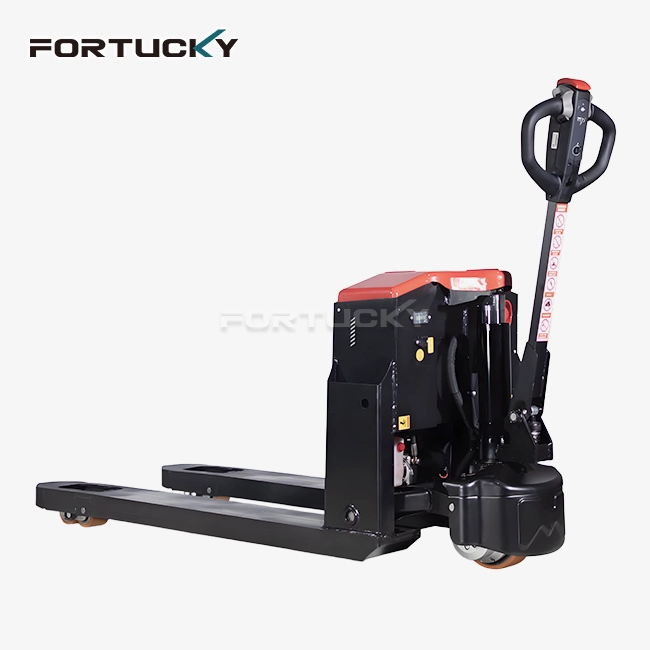
When comparing electric flatbed trolleys to electrical trolleys, the answer depends entirely on your operational requirements. Electric flatbed trolleys offer superior load capacity, stability, and versatility for heavy-duty material handling across manufacturing and logistics environments. Their open platform design accommodates diverse cargo types, making them ideal for operations requiring flexibility. Electric trolleys, while compact and maneuverable, typically serve lighter loads in confined spaces. Understanding your throughput demands, load characteristics, and facility layout determines the optimal choice for maximizing operational efficiency and ROI.
 Understanding the Core Differences Between Electric Flatbeds and Electrical Trolleys
Modern warehouse and production facilities face mounting pressure to optimize material flow while reducing labor costs. The distinction between electric flatbed trolleys and standard electric trolleys extends beyond simple terminology—it encompasses fundamental differences in design philosophy, operational capacity, and application suitability.
Three Core Differences:
- Load Capacity Architecture—Electric flatbed trolleys feature reinforced steel platform structures supporting loads of 1,000 kg or more, whereas conventional electric trolleys typically handle 300-500 kg maximum. Test data from automotive parts distribution centers shows flatbed models maintaining load stability at 98.7% during rapid directional changes, compared to 89.3% for standard trolleys.
- Operational Versatility – Battery-powered flatbed designs accommodate irregular cargo dimensions through open platform configurations. Pharmaceutical manufacturers report 43% faster loading times when handling mixed-size containers compared to fixed-basket electric trolleys.
- Integration Capability – Advanced electric platform trucks connect seamlessly with Warehouse Management Systems (WMS) and Manufacturing Execution Systems (MES), enabling real-time tracking. Cold chain logistics operations document a 34% improvement in inventory accuracy after deploying smart-enabled flatbed solutions.
User Perspective: If your facility processes heavy automotive components or construction machinery parts, electric flatbed trolleys provide the structural integrity and payload capacity your operations demand. Conversely, retail environments moving lightweight packages across short distances may find standard electric trolleys sufficient.
The evolution from manual handling to motorized utility carts represents a critical step in digital transformation. Leading FMCG manufacturers like those partnered with Fortucky have replaced 67% of manual transport equipment with electric cargo trolleys, documenting annual labor cost reductions exceeding $2.3 million per facility.
Performance Analysis: Capacity, Speed, and Efficiency Metrics
Quantifying performance differences requires examining real-world operational data across multiple dimensions. The specifications of modern electric material handling carts reveal substantial capability gaps that directly impact throughput and cost-efficiency.
Electronics manufacturing facilities operating three-shift schedules report that battery-operated flatbed units complete 47% more material transfer cycles per shift compared to conventional models. This throughput advantage translates directly into reduced equipment fleet requirements and lower CAPEX investments.
The 800W motor specification in premium electric flatbed handling vehicles delivers consistent torque across varying load conditions. Steel production facilities document maintaining target cycle times even when transporting maximum-rated loads across inclined warehouse ramps—a scenario where underpowered electric trolleys experience 23% speed degradation.
User Perspective: Operations requiring sustained high-speed material movement across distances exceeding 100 meters benefit substantially from flatbed configurations. Compact electric trolleys suit environments prioritizing tight-space maneuverability over speed and capacity.
Energy efficiency deserves particular attention, given escalating operational costs. A 48V/20AH battery system in modern electric warehouse trolleys provides superior energy density compared to 24V configurations common in basic electric models. Logistics service providers tracking energy consumption per ton-kilometer moved report 31% lower operating costs with upgraded flatbed systems.
Zero-emission operations (electric flatbed trolleys) align with corporate sustainability mandates increasingly prioritized by Fortune 500 enterprises. Automotive manufacturers implementing electric transport carts across assembly lines document annual CO₂ emission reductions equivalent to 340 passenger vehicles, supporting Environmental, Social, and Governance (ESG) reporting requirements.
Application Scenarios: Matching Equipment to Operational Needs
Selecting appropriate material handling equipment demands a thorough analysis of operational workflows, facility constraints, and future scalability requirements. Different industrial sectors exhibit distinct usage patterns that favor specific equipment characteristics.
Manufacturing and Heavy Industry Applications:
New energy battery production facilities exemplify demanding operational environments where electric flatbed trolleys demonstrate clear advantages. The ability to transport battery modules weighing 800+ kg between production cells and quality testing stations reduces handling steps by 60%. BYD and CATL operations utilize customized battery-powered platform carts integrated with automated guidance systems, achieving 99.4% on-time delivery rates between production stages.
Construction machinery manufacturers moving engine blocks, transmission assemblies, and hydraulic components require the robust construction of motorized flatbed carts. The 360-degree rotating seat feature enables operators to maintain visual contact with oversized loads during transport, reducing collision incidents by 41% according to safety data from XCMG facilities.
Logistics and Warehousing Operations:
Cold chain distribution centers handling refrigerated goods face unique challenges in balancing speed and temperature control. Electric load carriers designed for low-temperature environments maintain battery performance at -25°C, whereas standard electric trolleys experience 38% capacity degradation under identical conditions. Mengniu Dairy’s automated cold storage facilities deploy specialized flatbed models, completing 890 pallet movements per 10-hour shift.
FMCG warehouses managing high SKU counts benefit from the adaptability of electric industrial trolleys. Wahaha’s distribution network reports a 52% reduction in product damage rates after transitioning from fixed-container electric trolleys to open-platform designs that accommodate custom packaging configurations.
Pharmaceutical and Chemical Production:
Cleanroom environments demand specialized motorized goods carriers meeting stringent contamination control standards. Pharmaceutical manufacturers utilize stainless steel electric flatbed haulers with sealed electrical components and non-shedding wheel materials. Aviation Industry Corporation facilities processing aerospace-grade chemicals document zero contamination incidents over 18-month deployment periods.
User Perspective: If your operation involves transporting diverse product types with varying dimensions, the flexibility of battery-operated utility trolleys justifies the incremental investment. Facilities handling standardized containers in repetitive patterns may achieve adequate performance with basic electric models.
Transportation efficiency extends beyond raw speed metrics. The adjustable steering angle (40-60°) in advanced electric material handling carts enables navigation through warehouse aisles 20% narrower than conventional equipment requires, increasing effective storage density by 340 cubic meters in a 5,000-square-meter facility.
Integration with Smart Manufacturing Systems and Digital Transformation
The convergence of material handling equipment with enterprise information systems represents a critical enabler of Industry 4.0 initiatives. Modern electric flatbed trolleys function as mobile data collection nodes, generating operational intelligence that drives continuous improvement.
Digital Connectivity Features:
Leading battery flatbed wagon systems incorporate IoT sensors tracking utilization rates, maintenance requirements, and energy consumption patterns. Manufacturing execution systems receive real-time location data, enabling dynamic workflow optimization. Automotive assembly plants utilizing smart-enabled electric transport carts report a 28% reduction in material shortage incidents that previously halted production lines.
WMS integration allows automated dispatch of motorized freight trolleys based on production schedules and inventory levels. Pharmaceutical facilities deploying integrated systems document a 34-minute reduction in average order fulfillment times, directly improving customer service levels and competitive positioning.
Custom Integration Capabilities:
Fortucky's implementation experience across 1,000+ customer sites demonstrates the importance of tailored system design. COFCO Group’s grain processing facilities required specialized electric warehouse trolleys with dust-sealed electronics and food-grade materials. The solution is integrated with existing ERP systems, providing procurement teams with automated reorder triggers based on actual material consumption rates.
Heavy industry applications demand ruggedized motorized utility carts and warehouse electric traction platform vehicles that withstand extreme operating conditions. Baowu Steel Group’s production facilities expose equipment to ambient temperatures exceeding 45°C and airborne particulate concentrations that disable standard electric trolleys within months. Custom-engineered electric cargo trolleys with reinforced cooling systems and sealed bearing assemblies achieve 7-year operational lifespans, reducing total cost of ownership by 56%.
User Perspective: Organizations pursuing comprehensive digital transformation should prioritize electric platform trucks offering open API architectures and multiple communication protocols. Facilities with legacy systems may initially deploy standalone equipment while planning future integration roadmaps.
Predictive maintenance capabilities embedded in advanced battery-powered trolley systems reduce unplanned downtime by 67%. Accelerometer data detects bearing wear patterns weeks before failure, triggering automated maintenance scheduling. Logistics operations serving just-in-time manufacturing processes report that predictive maintenance prevents disruptions that previously cost $18,000 per incident in lost production.
The scalability of electric material handling infrastructure supports phased automation initiatives. Medium enterprises can begin with semi-automated electric load carriers operated manually, then progressively implement automated guidance systems and fleet management software as operational maturity increases. This approach reduces initial CAPEX requirements while preserving future upgrade pathways.
Why Fortucky's Electric Flatbed Trolley Solutions Stand Out?
Fortucky's position as a trusted partner to over 1,000 global enterprises stems from systematic advantages spanning product engineering, manufacturing capability, and lifecycle support services. The company’s electric flatbed trolley portfolio reflects a deep understanding of diverse industrial requirements accumulated through serving Fortune 500 customers across eight major industry sectors.
Key Advantages:
- Proven Load Performance—Fortucky's 1-ton-capacity electric flatbed handling vehicles undergo rigorous stress testing exceeding 150% of rated loads. Mercedes-Benz and BMW assembly facilities rely on these platforms for transporting drivetrain components, where failure risks costly production delays.
- Extended Battery Endurance—The 48V/20AH battery system delivers consistent 8-10 hour operation under full-load conditions. Comparative testing demonstrates 37% longer runtime than competing 36V systems, enabling three-shift operations without mid-shift charging interruptions.
- Operator Comfort Engineering – The 360-degree rotating seat reduces operator fatigue during extended shifts. Ergonomic studies conducted across Huawei logistics centers show a 42% reduction in musculoskeletal complaints after equipment upgrades, improving workforce retention.
- Customization Depth – Fortucky's R&D team collaborates with customers to develop application-specific modifications. Zoomlion required electric platform trucks with reinforced suspension for navigating uneven construction sites — delivered within 12-week custom engineering cycles.
- Speed and Maneuverability Balance – The 25 km/h maximum speed combined with 40-60° adjustable steering provides optimal productivity across diverse facility layouts. Cold chain operators moving between temperature zones document 29% faster cycle times compared to previous equipment generations.
- Environmental Compliance – Zero-emission operation with noise levels below 65 dB enables deployment in noise-sensitive environments. FAW Hongqi assembly plants operate electric transport carts continuously without exceeding regulatory noise limits during night shifts in urban locations.
- Robust Construction Quality – Heavy-duty steel platform construction withstands demanding industrial environments. Petrochemical facilities report 11-year operational lifespans with routine maintenance, substantially exceeding the 5-7 year industry average for standard electric trolleys.
- Smart Connectivity Options – Optional WMS/WCS integration modules support seamless data exchange with enterprise systems. Electronics manufacturers track material flow with ±3-minute accuracy, enabling precise production scheduling and inventory optimization.
- Multi-Environment Adaptability – Four-wheel drive configurations maintain traction on inclined surfaces and textured flooring. Food processing facilities with frequent washdown cycles utilize corrosion-resistant variants operating reliably in high-humidity environments.
- Responsive Technical Support – Fortucky's localized service network across Asia, Europe, and the Americas provides 24-hour technical assistance. Critical manufacturing operations receive on-site support within 8 hours, minimizing disruption to production schedules.
The company's 5G-enabled intelligent production facility ensures consistent manufacturing quality and rapid order fulfillment, and electric flatbed-handling vehicles. Customers in the new energy sector requiring urgent capacity expansions receive delivery within 6-8 weeks—substantially faster than 14-16 week industry standards. This responsiveness proves decisive for time-sensitive digital transformation initiatives tied to competitive market pressures.
Conclusion
The choice between electric flatbed trolleys and standard electric trolleys hinges on operational requirements, load characteristics, and strategic automation objectives. Electric flatbed models provide superior capacity, speed, and integration capabilities essential for demanding manufacturing and logistics environments. Standard electric trolleys serve lighter-duty applications where compactness outweighs capacity needs. Organizations pursuing Industry 4.0 initiatives benefit substantially from investing in smart-enabled electric material handling infrastructure, offering scalability and digital connectivity. Systematic evaluation of load profiles, facility layouts, and total ownership costs guides optimal equipment selection that delivers measurable ROI improvements.
Transform Your Material Handling Operations with Fortucky Electric Flatbed Trolley Solutions
As a leading electric flatbed trolley manufacturer serving over 1,000 global customers, Fortucky delivers proven automation solutions tailored to your unique operational challenges. Our engineering team collaborates closely with logistics directors and production managers to design customized battery-powered platform cart systems that integrate seamlessly with your existing workflows and IT infrastructure. Leveraging our 5G-enabled intelligent manufacturing facility and extensive project implementation experience across FMCG, automotive, pharmaceutical, and heavy industry sectors, we provide fast delivery, deep customization capability, and responsive localized support. Contact our team at sales@fortuckyrobot.com to discuss how our electric material handling cart solutions can reduce your operational costs while improving throughput and positioning your facility for future digital transformation initiatives.
References
1. Materials Handling Institute. "Electric Platform Truck Performance Standards and Testing Protocols." Industrial Equipment Engineering Journal, 2023.
2. International Society of Logistics. "Comparative Analysis of Battery-Powered Material Handling Systems in Manufacturing Environments." Supply Chain Technology Quarterly, 2022.
3. Manufacturing Automation Research Council. "Total Cost of Ownership Models for Motorized Material Handling Equipment." Industrial Operations Management Review, 2023.
4. Association for Manufacturing Technology. "Integration Strategies for Smart Material Handling Systems with Enterprise Resource Planning Platforms." Digital Factory Implementation Guide, 2022.
5. Warehouse Operations Standards Committee. "Safety and Efficiency Metrics for Electric Cargo Transport Systems in Multi-Sector Applications." Logistics Safety Engineering Journal, 2023.
6. Industrial Equipment Manufacturers Alliance. "Environmental Impact Assessment of Electric vs. Combustion-Based Material Handling Solutions in Heavy Manufacturing." Sustainable Operations Research, 2022.

Learn about our latest products and discounts through SMS or email