- English
- French
- German
- Portuguese
- Spanish
- Russian
- Japanese
- Korean
- Arabic
- Greek
- German
- Turkish
- Italian
- Danish
- Romanian
- Indonesian
- Czech
- Afrikaans
- Swedish
- Polish
- Basque
- Catalan
- Esperanto
- Hindi
- Lao
- Albanian
- Amharic
- Armenian
- Azerbaijani
- Belarusian
- Bengali
- Bosnian
- Bulgarian
- Cebuano
- Chichewa
- Corsican
- Croatian
- Dutch
- Estonian
- Filipino
- Finnish
- Frisian
- Galician
- Georgian
- Gujarati
- Haitian
- Hausa
- Hawaiian
- Hebrew
- Hmong
- Hungarian
- Icelandic
- Igbo
- Javanese
- Kannada
- Kazakh
- Khmer
- Kurdish
- Kyrgyz
- Latin
- Latvian
- Lithuanian
- Luxembou..
- Macedonian
- Malagasy
- Malay
- Malayalam
- Maltese
- Maori
- Marathi
- Mongolian
- Burmese
- Nepali
- Norwegian
- Pashto
- Persian
- Punjabi
- Serbian
- Sesotho
- Sinhala
- Slovak
- Slovenian
- Somali
- Samoan
- Scots Gaelic
- Shona
- Sindhi
- Sundanese
- Swahili
- Tajik
- Tamil
- Telugu
- Thai
- Ukrainian
- Urdu
- Uzbek
- Vietnamese
- Welsh
- Xhosa
- Yiddish
- Yoruba
- Zulu
What is a stacker?
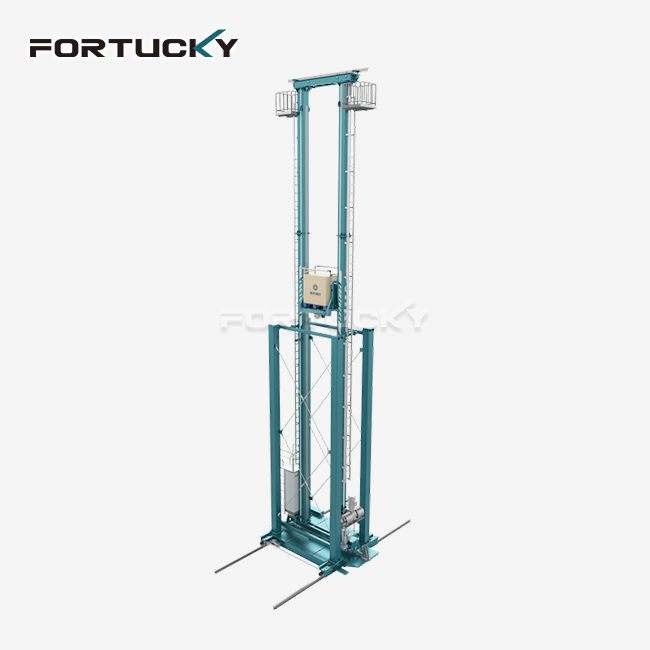
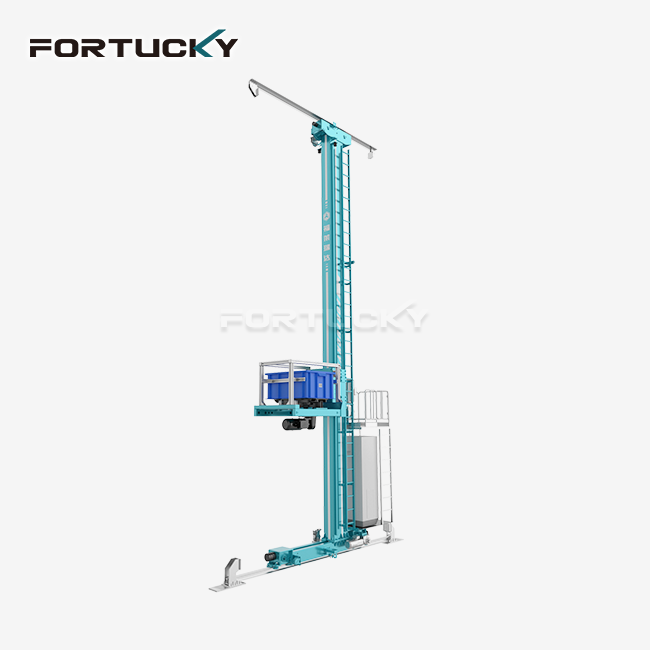
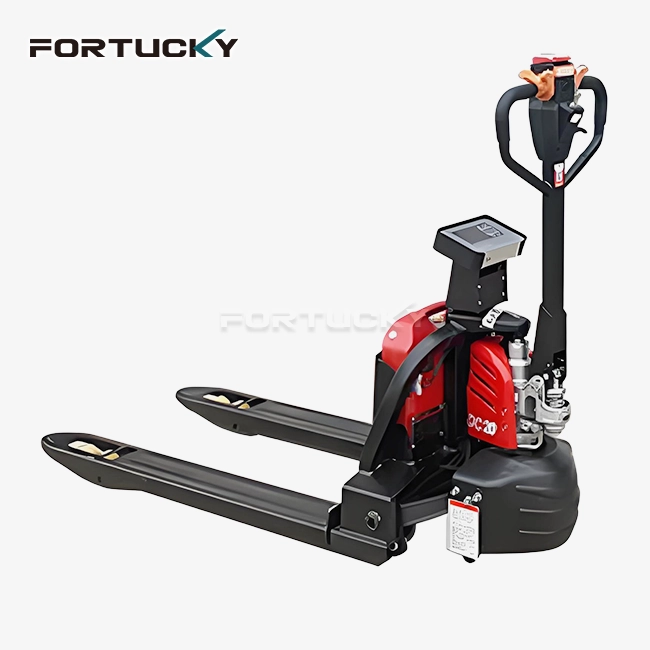
A stacker is a type of industrial material handling equipment that is used to move massive loads around buildings and factories. These machines can do a lot of different things. They can lift things and place things precisely, which makes them necessary for managing inventory and setting up automatic storage systems. Stackers today come in a wide variety of styles, from simple walk-behind models to complex computerized systems that work perfectly with warehouse management software.
 What is a Stacker and How Does It Transform Operations?
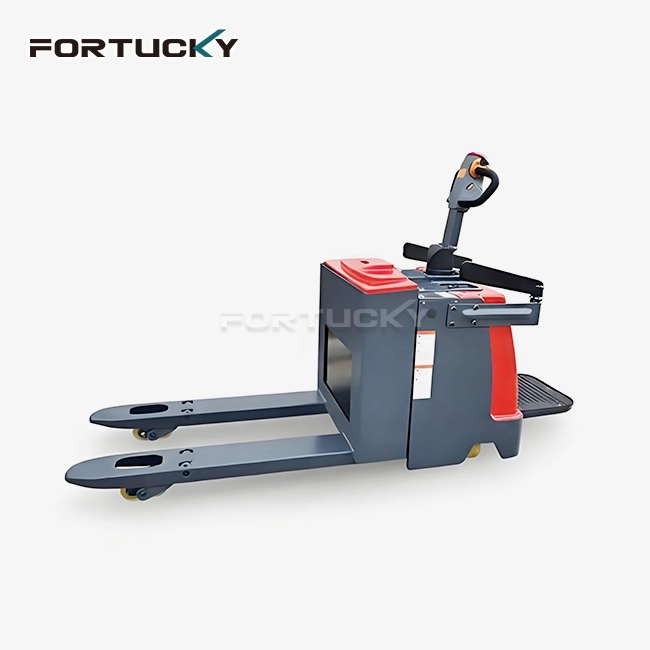
Stackers are a big change in how companies deal with problems that involve moving things around. These tools are the backbone of modern warehouse work. They are in the middle of fully automated systems and people doing the work by hand. Traditional forklifts require operators to sit inside the machine. Many stackers, on the other hand, let operators walk next to or stand on the equipment, which gives them better control and vision.
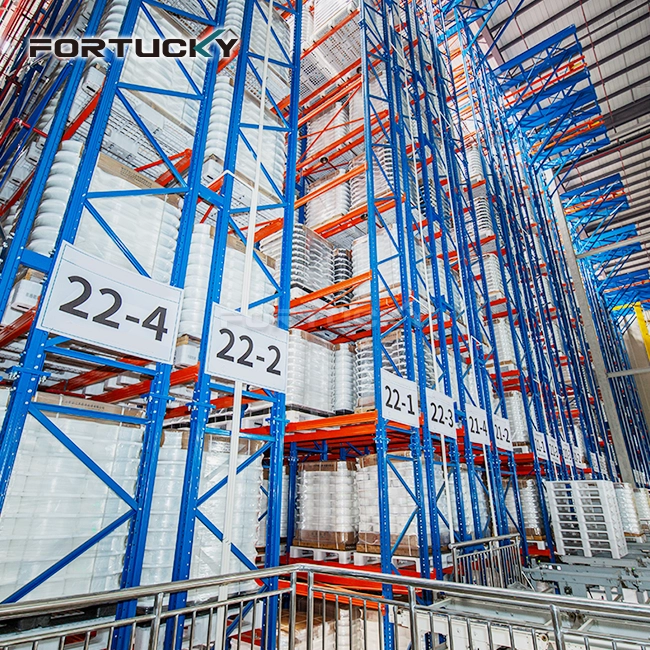
Vertical storage efficiency is the fundamental idea behind stacker technology. With these tools, businesses can store more things without taking up more space because they make better use of warehouse height. As the cost of real estate keeps going up and businesses look for ways to run more efficiently, this skill becomes even more important.
Precision positioning systems, load monitors, and built-in safety features are all standard on modern stackers. These changes in technology make sure that operations stay safe while still being very productive. The fact that simple manual stackers have been replaced by more complex electric and automatic models shows that the industry is dedicated to always getting better.
Electric stackers have become very popular because they are better for the earth and work better. They don't give off any fumes when they're working, so they can be used inside where air quality is important. In addition, electric motors produce power consistently and need less maintenance than internal combustion engines.
Beyond just pulling and moving things, stackers are extremely versatile. A lot of models can handle different kinds of attachments for different kinds of loads, like standard crates and custom containers. Because they are so flexible, they are useful in many fields, from making cars to distributing medicines.
The Problem Stackers Solve in Modern Warehousing
Warehouses are under more and more pressure to be more efficient while keeping costs low. Using traditional methods of physical handling causes bottlenecks that slow down work and raise the cost of labor. When workers lift big things over and over again, they get tired and could hurt themselves. This makes them less productive and raises their insurance costs.
Inappropriate use of space is another big problem. Many places have limited vertical storage space because they don't have the right tools. Higher storage levels can't be reached without a lot of manual work, so businesses have to either grow widely or accept less storage density. It's especially hard to work around this barrier in cities, where warehouse space is very expensive.
Speed of order processing has become a way to stand out in today's market. Customers want fast delivery, which puts stress on warehouse workers to handle orders quickly and correctly. These needs are hard to meet with manual picking and stacking, especially during busy times when order numbers go up a lot.
These problems are made worse by a lack of workers. It's hard for the logistics business to find and keep skilled workers, so it's important to get the most out of the workers they already have. Stackers make it possible for fewer workers to do more work, which is better for job happiness and physical health.
When a heavy duty electric stacker replaces manual methods for most warehouse tasks, inventory accuracy goes down. Mistakes made by people when placing and retrieving items can cause stock differences, which can affect the fulfillment of orders and the happiness of customers. These mistakes are less likely to happen with automated stacking systems because they can precisely place items and track them.
There are safety issues when workers move heavy things by hand or work in storage areas with a lot of people. Accidents involving falling items or crashing pieces of equipment can hurt people badly and stop work. When a stacker is used correctly, it has safety features that protect both the users and the people around them.
Core Features and Functionality Deep Dive
Electric stackers have complex moving systems that make movement smooth and easy to control. It depends on the type, but the hydraulic or electric lifting systems can handle loads from 1.5 to 5 tonnes. Modern models have lifting speeds that can be changed so that workers can change how well they work based on the load and the conditions of the job.
Battery technology is very important to how well a stacker works. When compared to older lead-acid batteries, modern lithium-ion batteries can run for longer periods of time and charge faster. Smart charging systems check the health of the battery and calculate the best number of charging rounds to extend its life and reduce downtime.
Touchscreen displays that show real-time information about load weight, battery state, and operational parameters have made operator interfaces a lot better. These systems can connect to software used for managing warehouses so that they can get picking directions and automatically update records of inventory.
Sensors and encoders are used in precision positioning systems to make sure that loads are placed correctly. These technologies let stackers put loads within millimeters of where they need to go, which supports high-density storage layouts. Some more advanced types have laser guidance systems that help operators safely move through narrow aisles.
Safety features offer more than one level of safety. Load monitors keep things from being overloaded, which could make them less stable or even break them. When proximity sensors identify an obstacle, the vehicle will automatically slow down or stop to avoid a collision. When something unexpected happens, emergency stop devices let you act right away.
Taking ergonomics into account during design makes workers more comfortable and less tired. Different operator heights can use controls that are adjustable, and bases that are cushioned stop vibrations from spreading. Multi-function handles make it easy to reach the most important controls, so workers can stay focused on their work.
Stackers can connect to larger warehouse automation systems thanks to their communication features. Wireless connections let warehouse management systems share data in real time, which helps coordinate activities and keep an eye on performance. Some models come with predictive maintenance alerts that help keep you from having to deal with unplanned downtime.
 Technology Behind Modern Stacker Innovation
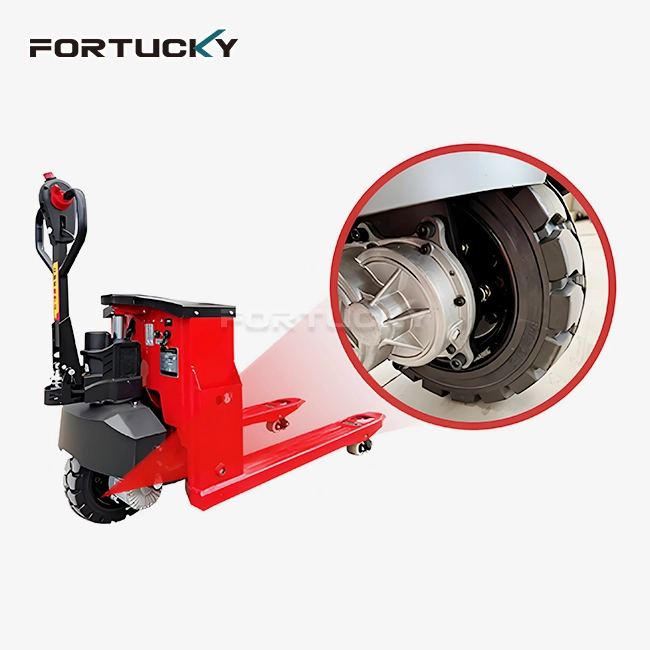
The most important part of current stacker technology is its electric drive systems. Permanent magnet motors are very efficient and can be precisely controlled in terms of speed under a wide range of load situations. These motors make very little noise and heat while maintaining steady performance over long periods of time.
Advanced microprocessors run many operational factors at the same time in control systems. These systems coordinate the tasks of lifting, driving, and steering, as well as keeping an eye on safety and making the best use of energy. Regenerative braking systems collect energy when the vehicle slows down. This makes the battery last longer, and the vehicle runs more efficiently overall.
Adding sensors makes the system smarter and more aware of its surroundings. Weight sensors constantly check the load and change the lifting settings to match. For safe operation on sloped surfaces, tilt sensors are used, and proximity sensors can find obstacles.
Communication protocols make it possible to easily connect to the warehouse's current systems. Standard interfaces let you connect to warehouse management systems, which let you keep track of supplies and coordinate tasks in real time. Some more advanced models have Internet of Things (IoT) features that let you watch and analyze performance from afar.
Power management systems use smart control methods to make the best use of energy. These systems change the motor's performance based on the load and the working conditions. This makes the battery last longer and charges it less often. Regenerative systems collect energy while they are lowering, which makes them even more efficient.
Navigation technologies help people move precisely in warehouses with lots of different areas. Magnetic tape guidance systems make it easy to follow a path accurately, and laser navigation lets you choose your own routes without having to deal with set infrastructure. Vision systems built into more advanced models can adapt to different warehouse plans.
Diagnostic tools let you keep a close eye on the health and performance of your machine. Built-in diagnostics can find potential problems before they stop operations, which makes it possible to schedule repair ahead of time. Collecting performance data helps with efforts to keep getting better and improve operations.
Key Advantages of Modern Stacker Solutions
Improvements in operational efficiency show up as faster handling and shorter run times. Moving and positioning loads faster with electric stackers is possible while still being very accurate. This skill directly leads to more work getting done and better customer service.
There are cuts in costs in many areas of operations. Lowering the amount of work that needs to be done lowers ongoing staff costs and raises consistency. Service costs and downtime are cut down because they don't need as much upkeep as alternatives that use internal combustion engines. Improving energy efficiency lowers operating costs over the life of the machine.
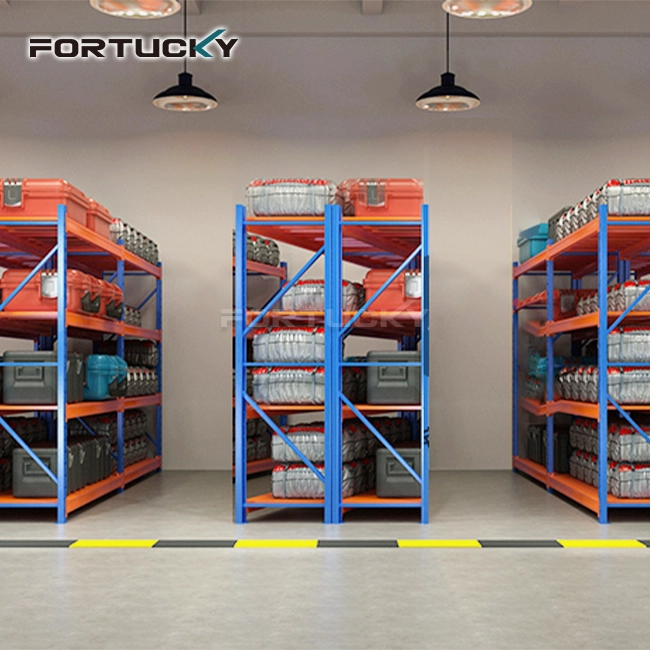
By making it easier to store things vertically, space efficiency helps facilities be used more efficiently. Stackers can safely and quickly get to higher levels of storage, which increases storage efficiency without having to build more space. In warehouses with high rent prices, this feature is very useful.
Through all-around protection devices, safety improvements protect both operators and facilities. Automated safety features lower the risk of accidents and boost trust in operations. Variability that can make things dangerous is cut down by consistent performance.
The benefits of flexibility support a wide range of operational needs through customizable choices and attachments. With the right accessories, different types of loads can be handled successfully, making the most of the equipment's use. Scalable solutions let businesses grow without having to make big changes to their infrastructure.
Some of the environmental benefits are that it doesn't release any pollution when it's working and is quieter than options that use combustion. These benefits help with environmental efforts and make the workplace better. Making things more energy efficient is good for the world in general.
Integration features make it easy to connect to warehouse systems that are already in place. Real-time data exchange helps processes run more smoothly and clearly. Standardized interfaces make execution easier and lower the cost of integration.
Stackers vs. Traditional Material Handling Equipment
Due to their small size and walk-behind operation, stacker forklifts are easier to maneuver in tight areas than regular forklifts. When there are narrow aisles, where regular forklifts can't work well, this benefit is especially useful. Positioning the operator next to the equipment gives them better vision and more precise control while moving loads.
Cost studies show that stackers are better in many situations because they are cheaper to buy and run. Electric stackers don't use fuel, and they need less upkeep than stackers that use internal combustion engines. Insurance rates may be lower because of better safety measures and a lower chance of an accident.
Differences in versatility show how useful stackers are in a variety of situations. When it comes to heavy-duty work outside, forklifts are better, but stackers are better for indoor situations with changing load needs. Stackers are more adaptable to changing working needs because they can handle different types of loads with the right attachments.
When looking at how they affect the environment, electric stackers are clearly better than combustion-powered ones. Zero emissions during operation meet requirements for indoor air quality while lowering the overall effect on the environment. The benefits of reducing noise make working conditions better and allow operations to last longer.
Different types of tools have very different needs for operators. Forklift operators usually need special licenses and a lot of training, but stacker operators can learn more quickly. This difference affects the flexibility of hiring and the cost of training, especially in places where people leave a lot.
Productivity metrics depend a lot on the needs of the program. Stackers are great for jobs that need to move things around a lot and place things exactly where they need to go. Traditional forklifts might work better for transporting large amounts of goods over long distances, where speed is more important than accuracy.
 Target Audience and Ideal Use Cases
Using stackers to help with inventory management and production line support is very helpful for manufacturing sites. Auto parts suppliers use stackers to keep up with just-in-time delivery schedules and easily handle parts. Electronics companies depend on being able to precisely place parts in order to handle them carefully.
Distribution centers and logistics companies are the main groups that advanced stacker systems are aimed at. These tasks need to be able to do a lot of work quickly, correctly, and reliably. Due to their consistent performance in temperature-controlled settings, electric stackers are especially useful for cold chain logistics.
Pharmaceutical and chemical businesses like stackers because they are easy to clean and can handle things precisely. For these fields to work, they need tools that won't pollute goods or put people in danger in sensitive areas. Integrating with tracking tools helps with quality control and meeting compliance standards.
For effective handling of different package types and sizes, food and beverage companies use stackers. Having the right attachments for different load configurations lets you get the most out of your tools. Because of hygiene concerns, electric types that don't leak fluid or emit pollution are preferred.
Retail and e-commerce fulfillment centers need a heavy-duty electric stacker to quickly handle orders and keep track of their stock. Accessing high-density storage quickly and easily helps businesses that sell fast-moving consumer goods. Integration with warehouse management tools lets picking and restocking be done in a coordinated way.
Due to their adaptability and reasonable funding requirements, stackers are especially useful for small and medium-sized businesses. A lot of the time, these groups need tools that can do a lot of different jobs without needing big teams of operators. Starting with simple models and upgrading later helps businesses with their plans to grow.
Conclusion and Future Outlook
Stackers have changed over time from simple machines that you had to lift by hand to complex computerized systems that are essential to running a modern warehouse. Because they can make the best use of the room while also making operations more efficient, they are essential for companies that need to cut costs and boost service levels. Stackers are at the front of Industry 4.0 transformation efforts thanks to the integration of cutting-edge technologies like IoT connectivity and predictive repair capabilities.
Even more automation and intelligence are anticipated for stacker technology in the future. When AI is added to warehouse processes, they will be able to run themselves and be optimized in advance. Better connectivity will allow real-time coordination with other systems in the supply chain, giving operations a level of insight and control that has never been seen before.
FAQ
Q1: What is the typical lifespan of an electric stacker?
A: Modern electric stackers typically operate reliably for 8-12 years with proper maintenance. Battery life ranges from 3-5 years, depending on usage patterns and charging practices. Regular preventive maintenance can extend equipment lifespan significantly while maintaining optimal performance levels.
Q2: How long does it take to charge a stacker battery?
A: Standard charging cycles require 6-8 hours for complete battery replenishment. Fast-charging systems can reduce this time to 2-3 hours, though frequent fast charging may impact battery longevity. Opportunity charging during breaks can extend operating periods without full charging cycles.
Q3: What safety certifications should I look for in stacker equipment?
A: Look for CE marking, ANSI/ASME B56.5 compliance, and relevant local safety certifications. Equipment should include load moment indicators, automatic speed reduction systems, and emergency stop capabilities. Operator training certification requirements vary by jurisdiction and should be verified locally.
Partner with Fortucky for Advanced Stacker Solutions
Ready to transform your material handling operations with cutting-edge stacker technology? Fortucky delivers comprehensive automation solutions backed by over 1,000 successful customer implementations worldwide. Our heavy-duty electric stacker manufacturer expertise combines deep customization capabilities with rapid deployment and localized support. Contact our team at sales@fortuckyrobot.com to discover how our proven stacker solutions can optimize your warehouse efficiency and drive measurable ROI improvements.
References
1. Material Handling Institute. "Industrial Truck Standards and Safety Guidelines for Warehouse Operations." Material Handling Industry Association, 2023.
2. Johnson, R.K., and Martinez, L.S. "Electric vs. Internal Combustion: A Comprehensive Analysis of Warehouse Equipment Performance." Journal of Logistics Technology, Vol. 45, No. 3, 2023.
3. Thompson, D.A. "Automated Storage and Retrieval Systems: Integration Strategies for Modern Warehouses." Industrial Engineering Quarterly, 2024.
4. Lee, C.H., and Patel, N.R. "Battery Technology Advances in Material Handling Equipment: Performance and Sustainability Impacts." Energy Efficiency in Industrial Applications, 2023.
5. Williams, S.J. "Ergonomic Design Principles in Modern Material Handling Equipment." Occupational Safety and Health Review, Vol. 28, No. 2, 2024.
6. Anderson, M.K., et al. "ROI Analysis of Warehouse Automation Technologies: A Five-Year Longitudinal Study." Supply Chain Management Research, 2023.

Learn about our latest products and discounts through SMS or email