- English
- French
- German
- Portuguese
- Spanish
- Russian
- Japanese
- Korean
- Arabic
- Greek
- German
- Turkish
- Italian
- Danish
- Romanian
- Indonesian
- Czech
- Afrikaans
- Swedish
- Polish
- Basque
- Catalan
- Esperanto
- Hindi
- Lao
- Albanian
- Amharic
- Armenian
- Azerbaijani
- Belarusian
- Bengali
- Bosnian
- Bulgarian
- Cebuano
- Chichewa
- Corsican
- Croatian
- Dutch
- Estonian
- Filipino
- Finnish
- Frisian
- Galician
- Georgian
- Gujarati
- Haitian
- Hausa
- Hawaiian
- Hebrew
- Hmong
- Hungarian
- Icelandic
- Igbo
- Javanese
- Kannada
- Kazakh
- Khmer
- Kurdish
- Kyrgyz
- Latin
- Latvian
- Lithuanian
- Luxembou..
- Macedonian
- Malagasy
- Malay
- Malayalam
- Maltese
- Maori
- Marathi
- Mongolian
- Burmese
- Nepali
- Norwegian
- Pashto
- Persian
- Punjabi
- Serbian
- Sesotho
- Sinhala
- Slovak
- Slovenian
- Somali
- Samoan
- Scots Gaelic
- Shona
- Sindhi
- Sundanese
- Swahili
- Tajik
- Tamil
- Telugu
- Thai
- Ukrainian
- Urdu
- Uzbek
- Vietnamese
- Welsh
- Xhosa
- Yiddish
- Yoruba
- Zulu
Which Type of Mezzanine is Best for Your Warehouse?
A mezzanine storage rack is one of the most effective ways to increase warehouse space without relocating or constructing new buildings. This raised steel platform transforms vertical space into usable areas for work, storage, or packing. The best type of mezzanine depends on your storage capacity needs, product types, and automation goals. Steel-framed mezzanines with two to three levels can support 300 to 1,000 kg/m². They work particularly well in facilities storing automotive parts, electronics, or fast-moving consumer goods (FMCG), where maximizing space directly impacts workflow and cost-effectiveness.
 Understanding Mezzanine Storage Racks: Types and Applications
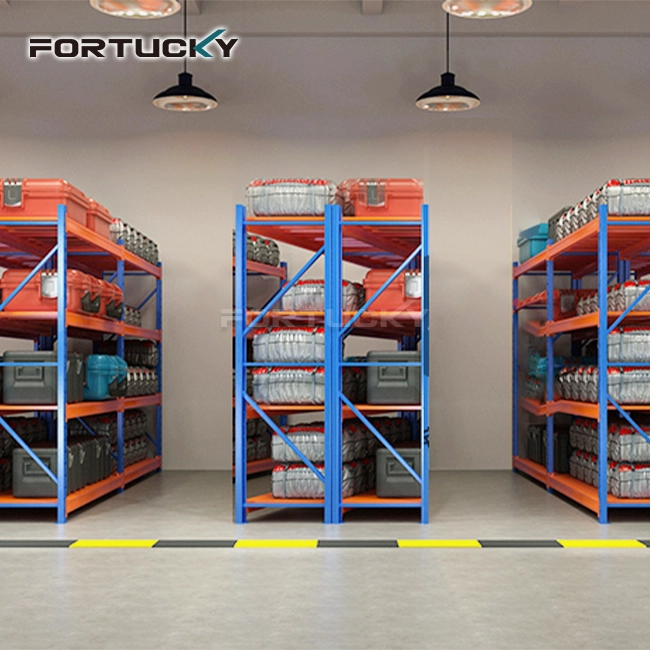
A mezzanine storage rack is a raised, partially freestanding platform installed within an existing warehouse. Unlike traditional pallet racks, these systems add additional floor levels, increasing usable space without expanding the building footprint.
Modular vs. Custom Configurations
Modular mezzanine systems come pre-designed with standard components, enabling faster installation. These are ideal when building dimensions align with standard sizes and future expandability is important. Custom designs can accommodate specific spatial constraints, uneven ceiling heights, or existing material handling equipment such as automated guided vehicles (AGVs) and conveyors.
Steel vs. Aluminum Constructions
Steel remains the most common material for industrial mezzanines due to its higher load capacity and durability. Steel structures can withstand harsh conditions in environments such as automotive manufacturing, heavy machinery storage, and cold chain logistics, where temperature fluctuations stress materials. Aluminum options work well for lighter-duty applications but lack the strength for high-throughput tasks such as handling battery components or steel goods.
Load Classifications and Multi-Level Designs
Light-duty mezzanines support 300–500 kg/m² and are suitable for small-item picking, parcel handling, or archival storage. Medium- to heavy-duty systems supporting 500–1,000 kg/m² can accommodate auto parts, bulk pharmaceuticals, or construction equipment components. Multi-level designs with two to three tiers maximize ceiling height in warehouses storing a wide range of SKUs, allowing separation of picking, packing, and reserve inventory zones.
Open-design mezzanines facilitate efficient manual picking, benefiting FMCG distribution warehouses. Electronics companies requiring ESD-safe environments specify particular flooring materials and grounding protocols. Cold storage facilities require corrosion-resistant finishes and structural components designed to accommodate thermal expansion.
Making the Right Choice: Criteria to Consider When Selecting a Mezzanine Storage Rack
To choose the right mezzanine storage rack, you have to weigh operating needs against structural limitations and budgetary limits.
Assessing Spatial Requirements and Load Demands
Begin by measuring the existing building's clear ceiling height, column spacing, and floor load capacity. To accommodate mezzanine structures with usable upper floors and adequate headroom, ceilings typically need to be at least 4–5 meters high. To determine required load capacity, multiply the number of items per square meter by the intended storage area, then add a 20–30% operational margin.
Understanding product characteristics is equally important. Mezzanines with narrow aisles and light-duty decking are suitable for small, manually carried items such as computer components or pharmaceutical supplies. Heavier auto parts or industrial equipment require stronger structural sections and specialized decking materials that distribute loads evenly.
Evaluating Materials and Safety Standards
For loads exceeding 500 kg/m², a steel structure with hot-rolled components offers the best strength-to-weight ratio. The open racking-style design allows natural light and airflow while maintaining structural integrity. Specialized deck panels outperform standard corrugated steel sheets by distributing weight evenly, providing flat surfaces that prevent product damage, and featuring easier-to-install locking mechanisms.
Compliance with OSHA regulations and state building codes remains mandatory. Required safety features include guardrails of adequate height, toe boards to prevent falling objects, secure stairs with proper rise‑run ratios, and clearly visible load capacity signage. Fire suppression systems and emergency exits must be coordinated during the planning phase to ensure interoperability.
Modular Flexibility vs. Custom Integration
Modular systems typically have lead times of 4–8 weeks before ready for use. Standardized components make it easier to reconfigure storage layouts when needs change, supporting agile supply chain strategies. However, customization enables precise integration with warehouse management systems (WMS), automated storage and retrieval systems (AS/RS), or robotic picking stations—all critical for Industry 4.0 initiatives.
Custom mezzanines can be designed to fit irregular building shapes, incorporate conveyor systems that move goods between levels, or include specialized features such as climate-controlled enclosures for temperature‑sensitive pharmaceuticals. The longer planning horizon and higher initial investment pay off over time when operational complexity demands tailored solutions rather than off‑the‑shelf compromises.
Installation and Safety Considerations for Mezzanine Storage Racks
Proper installation and ongoing safety management ensure personnel safety and maximize the service life and performance of mezzanine storage rack systems.
Installation Process and Timelines
Professional installation typically includes site assessment, base preparation, structural assembly, and placement of all safety equipment. Modular systems with pre‑fabricated components can be operational within 2–3 weeks of delivery. Custom setups may take 4–6 weeks, depending on complexity, structural modifications required, and coordination with other trades such as electricians for lighting and material handling equipment installers.
Modern mezzanine systems feature convenient assembly and disassembly characteristics that minimize operational disruptions. Bolted connections (rather than welded) allow future relocation or reconfiguration without specialized tools. Column placement can be adjusted on‑site to avoid existing utilities or accommodate future automation equipment integration.
Compliance and Risk Management
Following foreign safety rules for warehouse mezzanine floor racking helps protect workers and limits the risk of being sued. OSHA rules say that there must be fall protection at heights above 48 inches, secure handrails on open sides, and load capacity signs that can be seen at entry places. European EN standards spell out how to test structural load, certify materials, and do regular inspections.
Load management techniques extend structural life and prevent catastrophic failures. Properly designed deck areas prevent stress concentrations that accelerate fatigue of structural components. In addition to static storage weight estimates, dynamic loads from material handling equipment require extra capacity buffers. Regular inspections identify loose connections, damaged decking, or overloaded components before they compromise safety.
Operational Safety Best Practices
Training programs ensure that employees understand maximum weight limits, proper stacking methods, and emergency procedures. Clear signage showing maximum loads per level prevents well‑intentioned personnel from creating hazardous situations. Designated traffic patterns separate forklift operations from pedestrian access, reducing accident risk on upper levels where equipment operates near edges.
Integration with building safety systems includes smoke detectors effective in open spaces, adequate lighting meeting task‑specific standards, and emergency exits compliant with egress capacity requirements. Non‑slip floor treatments are especially valuable in cold storage or other areas prone to moisture from products or seasonal conditions.
 Cost Factors and Procurement Insights for Warehouse Mezzanines
Understanding total cost of ownership—beyond the initial purchase price—helps procurement teams make informed decisions aligned with financial goals for a mezzanine storage rack.
Price Components and Budget Planning
Material costs make up 40 to 50 percent of the total cost of the project. The price of steel changes based on world material markets. Costs per square meter depend a lot on how complicated the structure is, how much weight it needs to hold, and how much customization is done. Standard modular systems cost between $150 and $250 per square meter, but heavy-duty setups that are made just for you cost more than $400 per square meter and include engineering and specialized parts.
Installation work can add 20 to 30 percent to the cost of materials, depending on regional wage rates, site accessibility, and the need to coordinate with current activities. Smaller amounts go toward permit fees, technical licenses, and inspection costs, but they can't be forgotten when making a budget. Lifecycle cost analysis should include maintenance plans that include regular checks and, eventually, repair of parts.
Supplier Evaluation and Procurement Strategy
Reliable suppliers demonstrate proven track records through installations in similar industries, supported by documented case studies. Reviewing a portfolio reveals experience with comparable load requirements, technology integration, and industry‑specific compliance needs. Technical support services—such as engineering advice, custom design, and post‑installation optimization—distinguish value‑added providers from those competing solely on price.
Lead times vary significantly: off‑the‑shelf modular systems can be delivered within weeks, while custom‑engineered solutions may take 3–4 months. Delivery schedules must align with operational needs to avoid procurement-driven compromises that sacrifice customization benefits or accept extended timelines that delay capacity expansion.
Warranty coverage and after‑sales service commitments reflect supplier confidence in product quality. Capital investments are protected by guarantees covering structural integrity, corrosion protection, and component defects for 5–10 years. Responsive technical support minimizes lost productivity during system downtime.
Design Ideas and Optimization Tips for Mezzanine Storage Systems
Strategic design choices maximize functionality while maintaining adaptability to changing business needs for a mezzanine storage rack.
Dimensional Planning for Operational Efficiency
Height optimization finds the best mix between storage space, ease of reach, and worker comfort. Lower levels usually have clearances of 2.2 to 2.5 meters so that picking can be done by hand. Upper levels, which aren't used as often, can have smaller clearances. Total mezzanine height covering two to three levels gets the most out of buildings with clear heights of 6 to 9 meters, which is typical in modern distribution centers.
Load capacity planning should consider not only current goods density but also anticipated product mix changes and future growth. E‑commerce fulfillment centers handling lightweight packaged goods should be designed for 300–500 kg/m², while automotive parts warehouses should target 700–1,000 kg/m² to accommodate heavier components and bulk storage arrangements. Flexible storage layer design accommodates seasonal fluctuations or product line changes without structural modifications.
Workflow Integration and Access Strategies
Material flow analysis determines optimal placement of stairs and goods lifts, ensuring that high‑velocity SKUs travel the shortest distances while maintaining safety and efficiency. Multiple entry points prevent congestion during peak periods, common in retail and FMCG distribution. Connecting zone‑based picking strategies to WMS allows fast‑moving items to be located near entry points and slower‑moving items in deeper storage.
The sturdy structure and easy-to-retrieve features of the goods in modular mezzanine storage systems make it possible for sorting methods that support the principles of lean inventory. Clear operating flow and fewer mistakes are achieved by setting aside specific areas for receiving inspection, quality hold, active picking, and overstock storage. Clear product classification at a glance is made easier by organized loft plans. This makes training seasonal workers easier and helps with rapid scaling when demand goes up.
Industry-Specific Applications
In manufacturing settings, placing work‑in‑process inventory adjacent to production lines on mezzanines reduces material transport costs and buffers against supply disruptions. Construction equipment manufacturers use heavy‑duty setups for spare parts warehouses supporting field service operations, where rapid parts retrieval directly affects customer uptime metrics.
Climate‑controlled mezzanine enclosures in electronics and high‑tech industries protect sensitive components from environmental exposure while maximizing building cube utilization. Pharmaceutical operations require systems meeting Good Manufacturing Practice (GMP) standards, including cleanable surfaces, controlled access, and traceability features that support regulatory compliance.
Food processing and cold chain operations deploy corrosion‑resistant finishes and thermal insulation features that prevent condensation and structural degradation. Mezzanine systems prove highly valuable in operations requiring management of diverse products within limited space, particularly in environments with high ceilings, compact goods, and manual access needs.
Conclusion
Selecting the optimal mezzanine storage solution requires balancing current capacity needs against long‑term operational flexibility and financial goals. Steel‑framed systems with two to three levels have demonstrated effectiveness in manufacturing and logistics environments where vertical space utilization directly affects competitiveness. Careful assessment of load requirements, customization needs, and supplier capabilities ensures that investments deliver returns through increased throughput, lower operating costs, and business scalability. Proper installation methods and ongoing safety compliance protect personnel and extend asset life in demanding industrial settings.
FAQ
Q1: What distinguishes mezzanine racks from standard pallet racks?
Mezzanine systems create entire elevated floors that can be used for multiple purposes—storage, packing, office space, etc. Pallet racks, by contrast, store goods vertically without creating additional operational floor space.
Q2: How do modular and custom mezzanines differ?
Modular systems use pre‑engineered components that enable faster installation and future reconfiguration. Custom designs accommodate specific spatial constraints and integration requirements with automation equipment.
Q3: What delivery timelines should procurement teams expect?
Standard modular configurations typically ship within 4–6 weeks, while custom‑engineered systems require 12–16 weeks, including design finalization, fabrication, and logistics planning.
Q4: What price range does a normal mezzanine investment fall into?
Project costs range from 150toover150toover400 per square meter, depending on load rating, customization level, and material quality. Installation labor adds 20–30% to material costs.
Partner with Fortucky for Custom Mezzanine Storage Solutions
Fortucky makes custom mezzanine storage rack systems to meet the exact needs of world leaders in logistics and production. Our skilled research and development (R&D) team creates solutions that work well with current warehouse management systems, automatic material handling equipment, and digital platforms for Industry 4.0. With more than 1,000 successful installations in the car, electronics, pharmaceutical, and FMCG industries, we know the practical issues procurement workers face when they try to make the most of warehouse space.
Our steel structures can be changed to fit your needs and can hold up to 1000 kg/m² of weight across two to three levels. The sizes can be adjusted to fit your facility's limitations and your workflow needs. Rapid rollout, regional expert support in Asia, Europe, and the Americas, and low prices make this a great deal for producers and makers of mezzanine storage racks who are looking for trusted partners. You can talk to our team about your warehouse optimization project and get detailed technical specs that are in line with your business goals by emailing sales@fortuckyrobot.com.
References
1. Richards, G. (2018). Warehouse Management: A Complete Guide to Improving Efficiency and Minimizing Costs in the Modern Warehouse. Kogan Page Publishers.
2. Frazelle, E. (2016). World-Class Warehousing and Material Handling. McGraw-Hill Education.
3. Bartholdi, J.J. & Hackman, S.T. (2019). Warehouse & Distribution Science: Release 0.98. Supply Chain and Logistics Institute.
4. Tompkins, J.A. et al. (2010). Facilities Planning. John Wiley & Sons.
5. Hassan, M.M.D. (2002). "A framework for the design of warehouse layout." Facilities, 20(13/14), 432-440.
6. Berg, J.P. van den & Zijm, W.H.M. (1999). "Models for warehouse management: Classification and examples." International Journal of Production Economics, 59(1-3), 519-528.
Learn about our latest products and discounts through SMS or email