- English
- French
- German
- Portuguese
- Spanish
- Russian
- Japanese
- Korean
- Arabic
- Greek
- German
- Turkish
- Italian
- Danish
- Romanian
- Indonesian
- Czech
- Afrikaans
- Swedish
- Polish
- Basque
- Catalan
- Esperanto
- Hindi
- Lao
- Albanian
- Amharic
- Armenian
- Azerbaijani
- Belarusian
- Bengali
- Bosnian
- Bulgarian
- Cebuano
- Chichewa
- Corsican
- Croatian
- Dutch
- Estonian
- Filipino
- Finnish
- Frisian
- Galician
- Georgian
- Gujarati
- Haitian
- Hausa
- Hawaiian
- Hebrew
- Hmong
- Hungarian
- Icelandic
- Igbo
- Javanese
- Kannada
- Kazakh
- Khmer
- Kurdish
- Kyrgyz
- Latin
- Latvian
- Lithuanian
- Luxembou..
- Macedonian
- Malagasy
- Malay
- Malayalam
- Maltese
- Maori
- Marathi
- Mongolian
- Burmese
- Nepali
- Norwegian
- Pashto
- Persian
- Punjabi
- Serbian
- Sesotho
- Sinhala
- Slovak
- Slovenian
- Somali
- Samoan
- Scots Gaelic
- Shona
- Sindhi
- Sundanese
- Swahili
- Tajik
- Tamil
- Telugu
- Thai
- Ukrainian
- Urdu
- Uzbek
- Vietnamese
- Welsh
- Xhosa
- Yiddish
- Yoruba
- Zulu
Why a Hand Trolly Cart is an Absolute Must-Have Item?
There is one thing you will always find in a well-run warehouse or factory: despite billions of dollars spent on technology, human-operated material handling tools remain indispensable. A hand trolley cart is more than just a piece of equipment—it is a strategic tool that bridges the gap between manual chores and fully automated systems. These multifunctional devices ease workloads, protect workers from injury, and increase operational flexibility in areas where forklifts cannot go or where automated systems are not cost-effective. Procurement managers seeking cost-effective ways to move materials should first understand why these carts are still essential. This understanding will lead to better spending decisions.
 Understanding the Essential Role of Hand Trolley Carts in Modern Industry
Hand trolley carts—also called hand trucks or sack barrows—are L-shaped manual vehicles designed to move large or bulky items efficiently. These tools function like first-class levers, shifting the load's center of gravity over the wheels, which significantly reduces the effort required to move heavy objects. Since the early 1900s, when warehouse workers relied solely on their muscles, this simple yet effective design has evolved considerably.
Defining the Modern Hand Trolley and Its Core Features
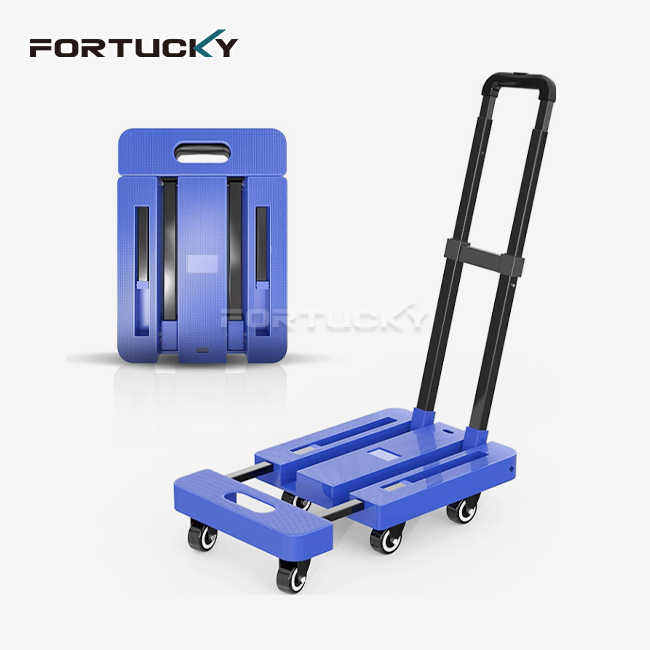
Modern material handling tools combine engineering precision with ergonomic design. Contemporary versions feature adjustable frame sizes and extendable handles to accommodate everything from small boxes to large machinery. Reinforced bracket systems, dual ball-bearing wheels, and frames made of heavy-duty polypropylene (PP) plastic or stainless steel ensure durability and smooth operation across various floor surfaces. Many models now support loads up to 150 kg while remaining portable, thanks to compact, foldable designs that save space.
Evolution from Manual Labour to Mechanised Aids
Years ago, many warehouse workers developed joint disorders because they had to perform all lifting manually. Wheeled handling devices represented a major step forward, enabling workers to move heavy loads with less physical strain. As industries such as fast-moving consumer goods (FMCG), automotive parts manufacturing, and cold chain logistics grew, so did the demand for flexible, non-motorized handling solutions. Unlike forklifts, which require certified operators and significant capital investment, hand trolley carts can be used immediately and adapted to different needs, making them vital in both large and small facilities.
Common Types and Their Specific Industrial Applications
Different operational situations call for different approaches. Standard upright hand trolley carts excel at moving stacked boxes and appliances through narrow aisles. Convertible types, which can be set up in both vertical and horizontal positions, are useful in constantly changing environments such as e-commerce fulfillment centers. Stair-climbing versions, equipped with tri-wheel sections, address last-mile delivery challenges in apartment buildings without elevators. Platform dollies provide a safe way to move irregularly shaped loads across facilities. Each type solves a distinct operational problem—whether in high‑SKU picking operations or HoReCa (hotel, restaurant, catering) settings that require quiet, non‑marking wheels.
Ergonomic and Safety Considerations
Workplace safety regulations increasingly emphasize reducing the risks of manual handling. For repetitive tasks, hand trolley carts with padded handles, non-slip grips, and balanced weight distribution reduce operator strain. Elastic straps prevent load shifting during transport, lowering the risk of falling items or tipping. Companies that prioritize safety recognize that well-designed handling equipment leads to fewer injuries, lower workers' compensation claims, and higher employee satisfaction. Because of these factors, hand carts are not only useful operational tools but also key components of comprehensive workplace safety strategies.
Why Choose a Hand Trolley Cart? Core Benefits Driving Procurement Decisions?
Purchasing managers must demonstrate a clear return on investment (ROI) while maintaining operational flexibility. Hand trolley carts offer multiple benefits that directly support these goals, making them smart investments rather than mere necessities.
Enhancing Productivity by Minimising Manual Strain
When workers have to carry big things by hand, they get tired quickly, which slows down work and makes mistakes more likely. With the right-hand trolley cart, a single person can move items that would otherwise require multiple people or multiple trips. In high‑throughput environments—such as pharmaceutical distribution centers or electronics factories—shaving even a few minutes off internal transport tasks adds up to significant productivity gains. Moving goods quickly between production lines, storage areas, and loading docks without waiting for powered equipment keeps operations running smoothly.
Safety Benefits and Secure Handling Practices
Establishing a culture of safe material handling does more than ensure compliance; it protects employees and maintains operational continuity. Stable wheel designs—such as those with two fixed front wheels and four swivel wheels attached with robust hardware—enable easy maneuverability and prevent accidents. Managers should implement training programs that teach workers how to properly load and unload items, distribute weight, and recognize hazards. When workers know how to safely move loads and avoid obstacles, accident rates drop significantly, safeguarding both personnel and valuable goods.
Durability and Maintenance for Long-Term Cost Savings
Total cost of ownership is directly affected by the quality of construction materials. Durable hand trolley carts made from wear‑resistant metals and plastics can last for years with minimal upkeep. Models with sealed double ball bearings (e.g., 6204‑2RS specifications) require less frequent lubrication, reducing maintenance costs and downtime. When purchasing, teams should compare the initial cost of a model against its expected lifespan and maintenance expenses. Premium models often prove cheaper in the long run than cheaper alternatives that need frequent repairs or replacement.
Material Comparison: Steel Versus Aluminium and Beyond
Several factors come into play when choosing between steel and aluminum frames. Steel construction offers higher yield strength and lower material costs, making it ideal for heavy industrial settings where hand trolley carts are frequently abused and carry near‑maximum loads. Aluminum alternatives weigh about 30% less, making them easier to transport in trucks and reducing operator fatigue during repetitive delivery tasks. Although more expensive upfront, aluminum is a worthwhile investment for applications that value ergonomics and portability over absolute load capacity. Hybrid designs with reinforced plastic components resist corrosion and save weight while maintaining structural strength.
How to Select the Right Hand-Trolley Cart for Your Business Needs?
For procurement to succeed, equipment specifications must match actual operating conditions. A systematic evaluation process will yield tools that genuinely improve operations rather than complicate them.
Critical Parameters: Load Capacity and Working Environment
First, assess the typical load sizes and weights in your facility. Most office and small‑warehouse tasks can be handled by a 150‑kg hand trolley cart, but heavy industrial or construction machinery logistics may require higher capacities with adequate safety margins. Consider environmental factors such as floor type (concrete vs. carpet), which influence wheel selection. Outdoor applications require weather‑resistant materials and robust construction to withstand temperature fluctuations and rough terrain. Matching specifications to real‑world conditions prevents safety incidents and equipment failures before they occur.
Comparing Hand Trolleys, Dollies, and Platform Carts
Understanding the differences between these tool categories helps allocate investment wisely. Hand trolley carts with vertical frames and toe plates excel at moving tall stacks of boxes and cylindrical items like kegs. Flat platform dollies can handle larger, heavier items but are harder to tilt initially. Convertible models offer flexibility, though they may sacrifice some specialization for versatility. Consider your primary applications: do you need maximum vertical clearance, maximum base stability, or maximum operational flexibility? The answer will guide you to the configuration that delivers the most value.
Portability Versus Stability: Foldable and Fixed Models
Foldable designs that can be stored flat are popular with businesses that need to move around a lot or don't have a lot of room, like delivery services that move tools from one job site to another using a flat-panel silent-wheel hand trolley cart. These models can be folded flat in seconds and stored in a trunk, closet, or under a bed. Fixed‑frame options offer greater rigidity and higher load capacity, making them better suited for permanent warehouse setups with ample storage. Determine whether your operation needs maximum strength or maximum flexibility, then choose accordingly.
Procurement Considerations: Budget, Warranty, and Supplier Reliability
Look beyond the price tag to assess total value. Reputable suppliers back their products with comprehensive warranties covering manufacturing defects. After‑sales support—including replacement parts and technical assistance—directly affects long‑term satisfaction. For B2B purchasing, suppliers who are responsive and knowledgeable about industry needs are invaluable, ensuring you get what you need quickly and easily. Before placing large orders, verify supplier credentials by contacting past customers and reviewing industry certifications.
 Exploring the Market: Top Brands, Suppliers, and Purchasing Options
Navigating the material handling equipment market requires finding partners who can meet both short‑term and long‑term support needs.
Trusted Manufacturers and Certified Suppliers
Leading manufacturers use quality control processes and engineering expertise to ensure consistent product performance. Companies that serve global shipping operations and Fortune 500 clients typically adhere to rigorous testing standards, including weld integrity checks, dynamic fatigue tests, and static load deformation assessments. ISO and ANSI certifications provide third‑party validation of product quality. When sourcing for critical applications, choose suppliers with a proven track record in your industry—whether pharmaceutical delivery, cold chain logistics, or automotive manufacturing.
Online Platforms Offering Competitive Pricing
Digital procurement channels offer price transparency and easy comparison. B2B platforms connect buyers directly with manufacturers, eliminating distributor markups. Bulk purchase discounts are especially attractive for businesses equipping multiple locations or replacing entire fleets of old equipment. However, weigh cost savings against the need to vet suppliers. Before making a purchase on a new platform, verify the seller's legitimacy, read customer reviews carefully, and confirm warranty terms.
Eco-Friendly and Technically Innovative Brands
Increasingly, sustainability‑conscious procurement teams seek equipment manufactured with environmentally responsible processes. Brands that use recycled materials, low‑VOC finishes, and energy‑efficient production methods support corporate social responsibility goals. Technological innovations—such as smart load sensors, ergonomic handle designs based on biomechanical research, and modular component systems that extend product life—add value and warrant consideration. Progressive suppliers invest in R&D that anticipates evolving customer needs, positioning themselves as long‑term partners rather than transactional vendors.
Warranty Coverage and After-Sales Services
Full help after the sale is what sets good providers apart from average ones. Look for guarantee plans that cover structural parts, wheel systems, and handle mechanisms for a multifunctional handling hand trolley cart for a fair amount of time. For commercial-grade equipment, this is usually between one and three years. When problems happen, they cause less downtime when customer service teams are quick to respond and offer expert advice, help with fixing, and quickly replace parts. Setting up service agreements with repair provisions and regular checks is the best way for companies with a lot of equipment to make the most of their uptime and extend the life of their assets.
Conclusion
Efficient material handling requires having the right tools for every task. Hand trolley carts are exceptionally versatile, filling gaps that automation cannot address and providing a cost‑effective alternative where powered equipment is impractical. They are smart investments—not mere purchases—because they have been proven to reduce workplace accidents while boosting productivity. Procurement teams can select tools that will last for years by carefully evaluating load requirements, operating environments, and supplier capabilities. Ongoing design innovations, from convertible configurations to advanced wheel systems, ensure that these fundamental tools will remain valuable even as automation technologies continue to advance.
FAQ
1. What maximum load capacity should we specify for industrial applications?
Rated capacity refers to the safe working load for evenly distributed weight on flat surfaces. A 150‑kg capacity serves most warehouse or office applications well. Heavy industrial settings may require higher ratings, but working limits should always be derated by 30–40% when operating on inclines or under dynamic loading conditions to maintain adequate safety margins.
2. How frequently should maintenance inspections occur?
Visual checks should be performed weekly on daily‑used equipment to inspect wheels, frames, and locking systems. Monthly detailed examinations should include bearing function tests and fastener checks. Comprehensive annual inspections by qualified personnel ensure continued safe operation and identify components approaching end‑of‑life before they fail.
3. Can we customise trolleys for industry-specific requirements?
Reputable manufacturers offer extensive customization options, including branded color schemes, specialty wheel materials that resist chemical reactions, and custom frame lengths to suit different load profiles. Engage suppliers with experience in your industry and describe your specific operational challenges—they can often propose design solutions based on similar customer projects that address needs you may not have even considered.
Partner with Fortucky for Superior Material-Handling Solutions.
To make sure that all of your sites handle materials efficiently, you need equipment that works well every day. Since Fortucky has been making hand trolley carts for so long, we bring decades of experience in robotics and transportation to every product we design. Over 1,000 companies around the world use our customisable hand trolley cart solutions in the pharmaceutical, electronics, FMCG, and automobile industries, all of which need accuracy and longevity.
Fortucky's state-of-the-art 5G production centres guarantee uniform quality backed by a wide range of certifications. When you need help, our specialised service networks in Asia, Europe, and the Americas are ready to help you right away. Our research and development team works with your procurement team to come up with the best solutions, whether you need standard setups or deep customisation for specific processes. Get cheap quotes, group buy prices, and personalised advice by emailing our expert consultants at sales@fortuckyrobot.com right now. Let's work together to make your material handling stronger and make real changes to your operations.
References
1. National Institute for Occupational Safety and Health. (2021). Ergonomic Guidelines for Manual Material Handling. DHHS Publication Series.
2. International Organization for Standardization. (2019). ISO 1043-1: Plastics — Symbols and Abbreviated Terms — Part 1: Basic Polymers and Their Special Characteristics. Geneva: ISO Standards.
3. American National Standards Institute. (2020). ANSI/ICWM MH-1: Manual Hand Trucks — Safety Requirements. Washington, DC: ANSI Press.
4. Materials Handling Industry of America. (2022). Best Practices in Warehouse Material Handling Equipment Selection. Charlotte: MHI Association Publications.
5. Occupational Safety and Health Administration. (2018). Materials Handling and Storage: Employer Guide to Safe Practices. U.S. Department of Labor.
6. European Committee for Standardization. (2020). EN 1757-1: Safety of Industrial Trucks — Pedestrian Controlled Trucks — Part 1: General Requirements. Brussels: CEN Standards.
Learn about our latest products and discounts through SMS or email