- English
- French
- German
- Portuguese
- Spanish
- Russian
- Japanese
- Korean
- Arabic
- Greek
- German
- Turkish
- Italian
- Danish
- Romanian
- Indonesian
- Czech
- Afrikaans
- Swedish
- Polish
- Basque
- Catalan
- Esperanto
- Hindi
- Lao
- Albanian
- Amharic
- Armenian
- Azerbaijani
- Belarusian
- Bengali
- Bosnian
- Bulgarian
- Cebuano
- Chichewa
- Corsican
- Croatian
- Dutch
- Estonian
- Filipino
- Finnish
- Frisian
- Galician
- Georgian
- Gujarati
- Haitian
- Hausa
- Hawaiian
- Hebrew
- Hmong
- Hungarian
- Icelandic
- Igbo
- Javanese
- Kannada
- Kazakh
- Khmer
- Kurdish
- Kyrgyz
- Latin
- Latvian
- Lithuanian
- Luxembou..
- Macedonian
- Malagasy
- Malay
- Malayalam
- Maltese
- Maori
- Marathi
- Mongolian
- Burmese
- Nepali
- Norwegian
- Pashto
- Persian
- Punjabi
- Serbian
- Sesotho
- Sinhala
- Slovak
- Slovenian
- Somali
- Samoan
- Scots Gaelic
- Shona
- Sindhi
- Sundanese
- Swahili
- Tajik
- Tamil
- Telugu
- Thai
- Ukrainian
- Urdu
- Uzbek
- Vietnamese
- Welsh
- Xhosa
- Yiddish
- Yoruba
- Zulu
Drive In vs Drive Through Racking: What to Know
Many transportation managers have to choose between drive-in storage racks and Drive-Through racking systems when seeking the best way to store goods in their warehouses. Drive-in storage racks are high-density systems that allow forklifts to enter storage lanes from one side. They operate on a Last-In, First-Out (LIFO) inventory method, which works best for homogeneous products with similar shelf lives. Drive-through systems, on the other hand, allow access from both ends, facilitating First-In, First-Out (FIFO) rotation and better inventory tracking. Choosing the right method for your business—considering factors such as product types, turnover frequency, and available space—can significantly affect the efficiency and cost-effectiveness of goods movement in a modern warehouse.
 Understanding Drive-In and Drive-Through Racking Systems
Modern warehouses are under increasing pressure to maximize every square foot of space while maintaining operational efficiency. High-density pallet racking systems offer a practical solution to this challenge, especially for facilities handling large quantities of similar goods.
What Are Drive-In Racking Systems?
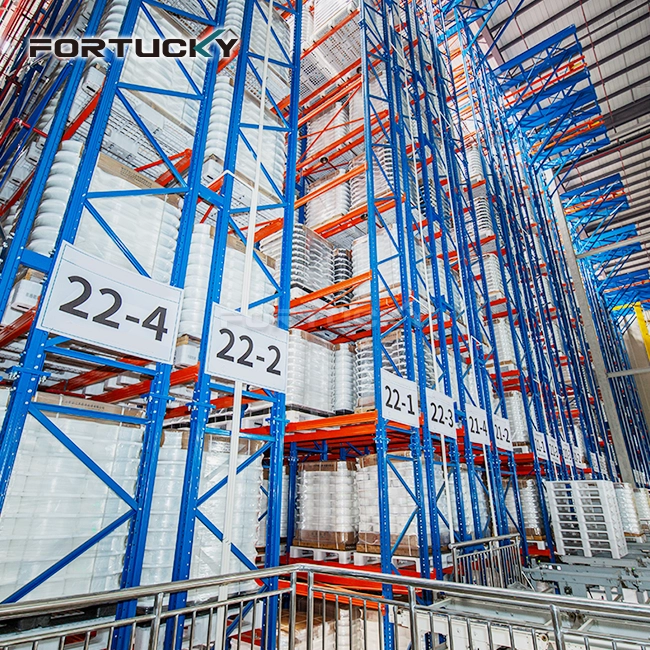
Drive-in systems consist of robust steel frames with horizontal support rails that form continuous storage lanes. Forklifts can deposit or retrieve pallets directly within these lanes, eliminating the need for separate aisles. This design can achieve approximately 80% space utilization in a warehouse—about 30% more than standard selective pallet racking. The system height typically ranges from 5 to 15 meters, and its components can be adjusted to accommodate different load requirements. In our experience, this setup works particularly well in food processing plants, cold storage facilities, and tobacco distribution centers, where products are generally uniform.
How Drive-Through Racks Function Differently
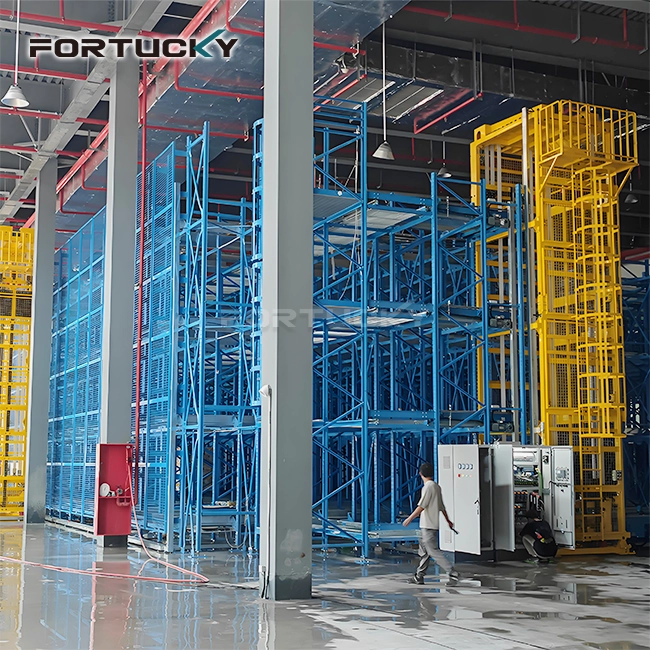
Drive-through systems are structurally similar to drive-in systems but feature entry points at both ends of the storage lanes. This dual-access design fundamentally changes product movement, as pallets can enter from one end and exit from the other. It enables a natural FIFO cycle that prevents product stagnation and reduces the risk of spoilage—especially beneficial for pharmaceuticals and other perishable goods. While the frame structure remains strong and reliable, with customizable dimensions and weight capacities, the operational logic differs significantly from single-entry systems.
Typical Industry Applications
High-density drive-in storage systems are highly beneficial for manufacturing industries with steady production cycles. Automotive parts suppliers often store large quantities of identical components ready for assembly line integration. Electronics companies storing uniform boxes find that these systems reduce the need for expensive warehouse space. Cold chain logistics providers prefer these layouts because they minimize climate-controlled space requirements while maintaining accessibility. Steel and heavy industries value the structural stability that supports heavy loads over extended periods.
Key Differences Between Drive-In and Drive-Through Racking
Before choosing between these layouts, it is essential to understand how their key differences affect daily warehouse operations and long-term strategic goals.
Access Points and Inventory Rotation
The most obvious difference lies in the configuration of entry and exit points. Drive-in systems operate under LIFO rules: the last pallet stored is the first one retrieved. This works well for non-perishable items where product age does not affect quality or compliance. In contrast, drive-through racks are designed to enable FIFO movement, ensuring older items ship first. This distinction directly impacts product freshness, regulatory compliance in date-sensitive industries, and the complexity of inventory tracking.
Space Efficiency Versus Flexibility
Drive-in systems generally offer slightly higher storage density because single-ended access allows more pallets to be stored per lane depth. Under optimal conditions, we have seen storage capacity gains of 35–40% compared to traditional selective racks. Drive-through layouts sacrifice some density for operational flexibility, reducing forklift travel time and congestion during peak periods. This trade-off is usually worthwhile for facilities that handle simultaneous receiving and shipping, as it prevents bottlenecks that can slow throughput during busy times.
Safety and Maintenance Considerations
Both systems require careful attention to safety and structural integrity. Guide rails, typically installed about 500 mm above the lane floors, effectively protect upright columns from forklift impacts. Drive-in systems concentrate all truck traffic into single-entry zones, which can accelerate wear in those areas. Drive-through setups distribute traffic between two entry points, potentially extending component lifespan, but they require monitoring at both ends. Regardless of system type, regular inspections of frame deformations, connection point stability, and rail alignment are essential.
Benefits and Limitations of Drive-In and Drive-Through Racks
Every storage solution involves trade-offs. Understanding these trade-offs helps procurement teams make decisions aligned with company goals.
Advantages of Drive-In Configurations
Here are the core advantages this system delivers for high-volume storage environments:
- Exceptional Space Optimization: These systems store a lot more boxes per square foot than traditional options because they don't need internal lanes. This directly lowers real estate costs in expensive warehouse markets.
- Lower Capital Investment: Drive-in storage racks are the least expensive high-density storage technology per pallet spot. This means that businesses on a tight budget or with faster return on investment (ROI) periods can use them.
- Simplified Operations for Homogeneous Inventory: Facilities that deal with similar goods can use simple material handling methods that don't involve complicated rotation requirements or problems with telling SKUs apart.
- Robust Structural Design: The frame structure is built in and has a strong load-bearing ability for big goods. It can be customized to meet different weight needs and can be as tall as 15 meters.
These benefits contribute to operational cost reduction and optimal space utilization—two challenges that manufacturing and logistics companies constantly strive to solve in warehouse optimization.
Drive-Through System Strengths
Drive-through systems excel when product rotation is necessary and operational flexibility is desired. The dual-access design naturally creates FIFO flow, reducing spoilage risk and supporting compliance in regulated industries. Facilities with high volumes of both incoming and outgoing traffic can conduct receiving and shipping operations simultaneously without congestion. The intuitive flow pattern also simplifies training for warehouse workers, as fewer decisions are required during material movement.
Limitations to Consider
Both systems present challenges that require careful evaluation. Forklift drivers need specialized training to navigate tight lanes safely, especially during initial system implementation. Accessing specific pallets deep within lanes may require temporarily moving other items, slowing down picking compared to selective racking. Damage risks increase in confined spaces, potentially affecting both stored goods and rack structures if impact prevention protocols are not strictly followed. Due to complex installation and technical requirements, these are not do-it-yourself options. Only professional installation ensures compliance with safety standards and maximizes system longevity.
 Choosing the Right Racking System for Your Warehouse
Strategic rack selection involves multiple factors, including operational usage, product characteristics, and costs beyond simple price comparisons.
Evaluating Your Inventory Profile
The product mix directly affects system performance. Businesses handling five or fewer SKUs in large volumes are ideal candidates for drive-in systems, while those with a moderate range of products requiring rotation tend to prefer drive-through profiles. Turnover rates are critical: slow-moving inventory works well with LIFO methods, while perishable or date-sensitive goods require FIFO flow. Packaging standardization affects stacking and retrieval speed—highly standardized loads make the best use of lanes, while varying pallet sizes introduce complexity in tight spaces.
Warehouse Layout and Infrastructure Assessment
Ceiling height determines available storage volume; facilities with 10 meters of clearance can hold significantly more than those with only 6 meters. Column spacing and floor load ratings constrain installation possibilities. Structural supports, if required, add project costs. Existing forklift fleets must be evaluated—reach trucks and other specialized narrow-aisle equipment may need upgrades to operate safely in high-density lanes. As companies prepare for Industry 4.0, integration with warehouse management systems and autonomous guided vehicles is increasingly influencing design decisions.
Cost Analysis and ROI Projections
The initial investment covers not only the racks themselves but also professional installation, safety equipment, staff training, and possible building modifications. We recommend calculating cost per pallet position while accounting for projected gains in throughput and space utilization. Custom-engineered systems typically have lead times of 6 to 12 weeks, depending on specification complexity and manufacturing schedules. Financing options and depreciation plans affect cash flow management, especially for large projects requiring executive approval.
Professional Installation, Safety, and Maintenance
Technical expertise during implementation and ongoing operations distinguishes successful deployments from those that cause safety problems and operational stoppages.
The Critical Role of Expert Installation
Certified construction teams bring an engineering level of accuracy that you can't get by doing it yourself. When keeping big car parts or industrial equipment that weighs thousands of pounds per pallet, the industrial drive-in pallet racks' load capacities must meet the design specs. Verifying that the floor is level stops uneven weight distribution that speeds up the wear and tear on structures. Connection point torque specs must match what the maker says they need to be. Too much torque weakens joints, while too little torque raises the risk of instability. Professional fitters also work with local governments to get the permits they need and make sure they follow local safety and building rules.
Establishing Maintenance Protocols
Regular inspection schedules identify emerging issues before they become safety hazards or operational failures. We recommend monthly checks of upright plumb, beam levelness, and connection integrity, supplemented by more thorough quarterly inspections including load tests and anchor point verification. Documenting findings creates repair histories that support budget planning and replacement strategies. Damage reporting systems enable warehouse staff to report problems immediately—small, seemingly minor issues can weaken structures over time. Working with qualified service providers ensures that modifications follow original engineering standards and do not introduce vulnerabilities through makeshift fixes.
Safety Training and Operational Guidelines
Forklift drivers require specialized training to navigate dense storage areas, including depth perception and spatial awareness in narrow lanes. Proper load placement techniques prevent misaligned pallets that can complicate retrieval or cause tip-overs. Speed limits in storage zones reduce accident risk, especially during peak periods when multiple workers are active. Clear signage indicating maximum loads, traffic patterns, and emergency procedures reinforces safe practices. Regular safety audits by external experts provide objective feedback that internal teams might overlook due to familiarity with existing conditions.
Conclusion
The choice between drive-in and drive-through racking significantly impacts warehouse efficiency, space utilization, and long-term costs. When LIFO rotation is acceptable, drive-in systems offer maximum storage density for homogeneous goods at a lower capital cost. Drive-through configurations improve inventory flow, making them essential for perishable goods and operations requiring simultaneous access from both ends. Both systems require professional installation, strict safety protocols, and regular maintenance to realize their full potential. Rather than adopting generic solutions, careful alignment of system features with unique operational profiles, product characteristics, and strategic goals is essential for successful implementation.
FAQ
Q1: What space utilization improvements can we expect from high-density racking?
Drive-In systems usually get around 80% of the space in a warehouse used, which is about 30% more than with standard selective pallet shelving. The actual gains rely on the ceiling height, the product, and the limitations of the facility plan.
Q2: Are these systems suitable for cold storage environments?
Yes, both setups work very well in places where the temperature is managed. The smaller aisles mean that less climate-controlled space is needed, which saves a lot of money on energy costs, which is very important for food processing and pharmaceutical companies that manage cold chain transportation.
Q3: What lead times should we plan for custom installations?
Standard setups typically ship in 6 to 8 weeks, while highly customized designs requiring engineering analysis may take 10 to 12 weeks. Timelines are affected by production capacity and regional transportation. Discussing requirements with manufacturers early ensures realistic project schedules.
Q4: How do we determine the right system for mixed inventory?
Analyze your SKU distribution and turnover rates. High-density options are likely appropriate if 70% or more of your volume consists of fewer than 10 SKUs. When storing a wide variety of items, a combination system—mixing selective racking for fast-moving items with high-density storage for bulk goods—is often the best solution.
Partner with Fortucky for Advanced Warehouse Storage Solutions
Professionally designed drive-in storage racks can help you get the most out of your space, but they require more than just the tools themselves. Fortucky has installed high-density racking systems at more than 1,000 customer sites around the world. Our personalized storage solutions have been used by industry leaders like Huawei, Mercedes-Benz, BMW, and CATL, and they always work better than expected. Our 5G-enabled smart production plants keep an annual capacity of 150,000 tons, which means that we can always meet delivery dates, even for big projects that need to be put together quickly.
We provide full support, from the original evaluation of the warehouse to system design, skilled installation, and ongoing maintenance. Our ability to operate locally in Asia, Europe, and the Americas means that we can help you quickly when you need it. Our engineering teams give you data-driven advice that fits your budget and throughput goals, whether you're looking at Drive-In setups to add more cold storage or Drive-Through choices to improve first-in, first-out (FIFO) rotation in pharmacy operations. Contact our experts at sales@fortuckyrobot.com to talk about your needs with a reliable provider of drive-in storage racks who is dedicated to providing real business improvements and long-term return on investment.
References
1. Richards, G. (2018). Warehouse Management: A Complete Guide to Improving Efficiency and Minimizing Costs in the Modern Warehouse. Kogan Page Publishers.
2. Frazelle, E. (2016). World-Class Warehousing and Material Handling. McGraw-Hill Education, 2nd Edition.
3. Tompkins, J.A. & Smith, J.D. (2021). The Warehouse Management Handbook. Tompkins Press.
4. Material Handling Industry of America. (2020). High-Density Storage Systems: Design and Safety Considerations. MHIA Technical Report Series.
5. Berg, J.P. & Zijm, W.H.M. (2019). "Models for warehouse management: Classification and examples." International Journal of Production Economics, 59(1-3), 519-528.
6. Bartholdi, J.J. & Hackman, S.T. (2019). Warehouse & Distribution Science: Release 0.98. Supply Chain and Logistics Institute, Georgia Institute of Technology.
Learn about our latest products and discounts through SMS or email