- English
- French
- German
- Portuguese
- Spanish
- Russian
- Japanese
- Korean
- Arabic
- Greek
- German
- Turkish
- Italian
- Danish
- Romanian
- Indonesian
- Czech
- Afrikaans
- Swedish
- Polish
- Basque
- Catalan
- Esperanto
- Hindi
- Lao
- Albanian
- Amharic
- Armenian
- Azerbaijani
- Belarusian
- Bengali
- Bosnian
- Bulgarian
- Cebuano
- Chichewa
- Corsican
- Croatian
- Dutch
- Estonian
- Filipino
- Finnish
- Frisian
- Galician
- Georgian
- Gujarati
- Haitian
- Hausa
- Hawaiian
- Hebrew
- Hmong
- Hungarian
- Icelandic
- Igbo
- Javanese
- Kannada
- Kazakh
- Khmer
- Kurdish
- Kyrgyz
- Latin
- Latvian
- Lithuanian
- Luxembou..
- Macedonian
- Malagasy
- Malay
- Malayalam
- Maltese
- Maori
- Marathi
- Mongolian
- Burmese
- Nepali
- Norwegian
- Pashto
- Persian
- Punjabi
- Serbian
- Sesotho
- Sinhala
- Slovak
- Slovenian
- Somali
- Samoan
- Scots Gaelic
- Shona
- Sindhi
- Sundanese
- Swahili
- Tajik
- Tamil
- Telugu
- Thai
- Ukrainian
- Urdu
- Uzbek
- Vietnamese
- Welsh
- Xhosa
- Yiddish
- Yoruba
- Zulu
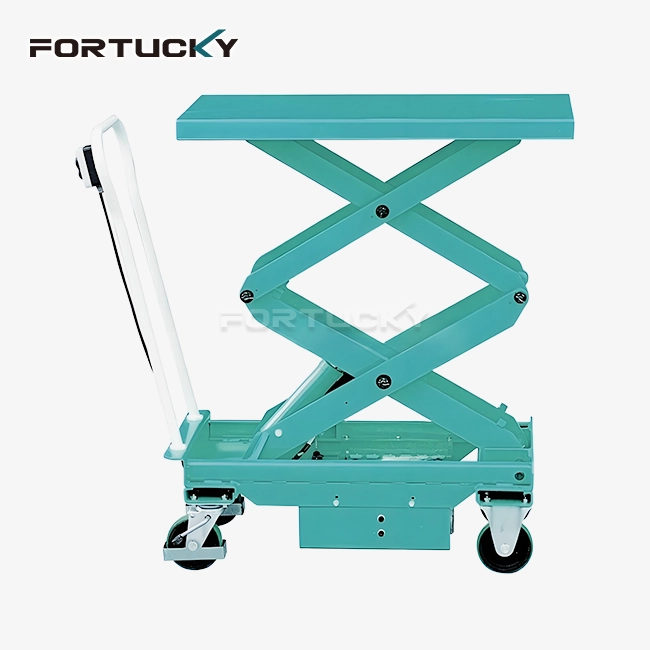
How many hours is a scissor lift good for?
When evaluating the operational lifespan of lifting equipment for industrial applications, manual hydraulic scissor lift systems typically deliver between 8,000 and 15,000 hours of reliable service under normal operating conditions. The actual service life varies significantly based on usage intensity, maintenance quality, load conditions, and environmental factors. Industrial-grade models with reinforced construction and premium hydraulic components often exceed these benchmarks, while lighter commercial units may require earlier replacement. Understanding these parameters helps procurement managers make informed decisions that balance upfront investment with long-term operational costs and productivity requirements.

 Understanding the Lifespan of Manual Hydraulic Scissor Lifts
The lifespan of hydraulic lifting platforms depends on several interrelated factors. The primary factor is the frequency of use—equipment used for multiple cycles daily wears out faster than units used only occasionally. Load conditions are also critical, as continuous operation near full capacity accelerates component wear and shortens overall system life.
Environmental factors significantly affect equipment longevity. Harsh conditions such as extreme temperatures, exposure to moisture, and corrosive atmospheres can damage hydraulic seals, structural components, and moving parts. Conversely, controlled indoor environments with stable temperatures and low contamination levels help preserve equipment condition and extend useful operating hours.
Industrial vs. Commercial Performance Standards
Industrial-grade lifting platforms typically outperform commercial units due to their superior construction and component specifications. Heavy-duty models feature reinforced steel frames, high-quality hydraulic cylinders, and advanced seal technologies designed for harsh environments. These units often achieve 12,000–20,000 operational hours when properly maintained.
Commercial models are less expensive initially but typically last only 6,000–12,000 hours. Their lighter construction and standard-grade components make them suitable for moderate-duty tasks but less durable in heavy-duty applications.
Key Design Elements Affecting Longevity
The quality of hydraulic components in work platform maintenance hydraulic lift directly correlates with equipment lifespan. Premium cylinders with reinforced rods and high-quality seals resist wear and maintain performance over time. Similarly, robust structural materials and precise manufacturing tolerances contribute to extended operational life by reducing stress levels and component failures.
Comparing Manual Hydraulic Scissor Lifts with Other Types on Lifespan
Manual hydraulic systems offer clear advantages over electric and pneumatic alternatives in terms of longevity and low maintenance requirements. Because they lack complex electrical components such as motors, controls, and wiring systems, they experience fewer breakdowns. This simplicity results in less complicated upkeep and longer intervals between repairs.
Electric lifting platforms, while convenient, introduce additional factors that can affect lifespan, including power source issues, motor wear, and electrical component failures. Nevertheless, they perform well in high-frequency applications where manual pumping is impractical.
Maintenance Complexity Comparison
Manual hydraulic systems require minimal maintenance—primarily hydraulic fluid changes, seal inspections, and basic lubrication. Their sealed hydraulic design protects internal components from contamination and ensures consistent lifting performance without reliance on electricity.
Pneumatic systems, though effective in certain applications, struggle with precise height control or prolonged load holding. Air motor reliability and wear on pneumatic components can affect overall system lifespan, especially in harsh industrial environments.
Lightweight vs. Heavy-Duty Model Considerations
Choosing between lightweight and heavy-duty manual hydraulic models requires balancing portability against expected operational lifespan. Lightweight units are easier to move but may have shorter structural lifespans under heavy use.
Heavy-duty models offer longer service life due to stronger construction and higher-grade materials. Their robust design allows them to handle continuous high-load operations while maintaining accuracy and reliability over extended periods.
Maintenance Strategies to Maximize Operational Hours
Implementing thorough maintenance procedures significantly extends equipment life and ensures safe operation. Daily pre-use inspections help identify issues early, preventing costly failures or safety risks.
Regularly checking hydraulic fluid prevents contamination-related damage and maintains optimal system performance. Quality hydraulic oil preserves viscosity and lubricating properties, which are essential for long component life. Contaminated or degraded fluid accelerates wear and can lead to premature seal failure.
Preventive Maintenance Best Practices
Scheduled component servicing addresses wear before it leads to major breakdowns. Replacing hydraulic seals at recommended intervals maintains lifting capacity and prevents internal leaks. Similarly, structural inspections identify stress-related issues that could compromise safety or performance.
Proper storage and handling of equipment when not in use protect it from damage. Climate-controlled environments prevent moisture buildup and material degradation caused by temperature fluctuations. Regularly cycling hydraulic systems during storage keeps seals from drying out and maintains component flexibility.
Authorized Service Network Benefits
Working with qualified service providers ensures access to genuine replacement parts and technical expertise. Certified technicians understand the specific maintenance requirements of given equipment and can identify potential issues during routine service visits.
Full-service agreements often include predictive maintenance, which assesses equipment condition and recommends repairs before failures occur. This proactive approach reduces unplanned downtime and extends equipment lifespan.
 Procurement Insights: Choosing a Manual Hydraulic Scissor Lift for Long-Term Use
When selecting equipment strategically, it is important to consider power requirements, operating environment, and usage patterns. Manual hydraulic scissor lift models with appropriate safety margins perform well and can handle occasional overloads without component damage.
Brand reputation and manufacturer support capabilities significantly affect the long-term ownership experience. Established manufacturers with extensive service networks ensure consistent availability of parts and expert assistance throughout the equipment's lifecycle.
Capacity and Performance Specifications
Proper sizing ensures equipment operates within design limits while maintaining adequate performance margins. The PT150 model lifts up to 150 kg with a 210–720 mm lifting range, making it ideal for light-duty tasks requiring frequent mobility. For heavier loads, the PTD1500 lifts up to 1500 kg with an impressive 380–4000 mm range, meeting the needs of demanding industrial applications.
Mid-range options such as the PTS500A (500 kg capacity, 280–850 mm range) and the PTD350A (350 kg capacity, 350–1580 mm range) meet the needs of most warehouses and production lines while maintaining compact footprints ideal for tight spaces.
Warranty and Service Considerations
A comprehensive warranty protects against manufacturing defects and provides confidence in equipment reliability. Longer warranties may justify higher upfront costs by reducing long-term maintenance expenses and ensuring parts availability.
Service accessibility during maintenance periods affects operational continuity. Local repair options reduce downtime and ensure compliance with safety regulations and manufacturer recommendations.
Practical Applications and Expected Performance Hours
Different work environments place varying stress on lifting equipment, directly affecting usable lifespan. In warehouse settings, equipment typically experiences moderate usage with regular load patterns. With proper maintenance, such units often exceed the upper range of service life estimates.
In manufacturing environments, machines may require continuous operation with variable loads. Heavy production schedules can accelerate wear patterns, making robust construction and thorough maintenance programs essential to meeting operational hour targets.
Industry-Specific Usage Patterns
In automotive manufacturing, lifting equipment often undergoes prolonged, heavy-duty cycles with strict accuracy requirements. Heavy-duty models are built to withstand these conditions, maintaining positional accuracy critical for assembly work.
Food processing areas require specialized materials and treatments to withstand wash-downs and harsh cleaning agents. Stainless steel structures and sealed components extend service life in these demanding environments.
Case Studies in Equipment Optimization
Leading manufacturers have demonstrated that proactive maintenance plans and operator training significantly extend equipment lifespan. Proper handling techniques ensure smooth operations without placing excessive stress on components.
Scheduling maintenance for work platform maintenance hydraulic lifts based on actual usage patterns rather than calendar intervals improves service interventions and maximizes component life. This approach aligns maintenance costs with operational benefits while increasing equipment availability.
Conclusion
Understanding the factors that affect the operational hours of manual hydraulic scissor lifts enables informed purchasing decisions that balance initial investment against long-term operating costs. Under normal conditions, typical service life ranges from 8,000 to 15,000 hours. With proper care and appropriate usage, these ranges can be significantly extended. Environmental conditions, usage frequency, and maintenance quality directly affect longevity, making thorough evaluation essential for successful procurement. By carefully selecting correctly sized models and implementing preventive maintenance programs, organizations can ensure reliable equipment performance throughout its lifespan, helping achieve productivity goals.
FAQ
Q1: How often should hydraulic fluid be replaced in scissor lifts?
Hydraulic fluid generally requires replacement every 1,000 to 2,000 operating hours or annually, whichever comes first. However, contaminated or degraded fluid must be replaced immediately regardless of the scheduled interval. Regular fluid analysis helps determine optimal change intervals based on actual conditions rather than arbitrary schedules.
Q2: What safety practices most significantly impact equipment longevity?
Daily pre-use inspections prevent minor issues from becoming major failures and ensure safe operation. Proper load distribution, adherence to capacity limits, and correct operating techniques minimize stress on structural components. Regular operator training promotes safe practices that maintain equipment condition and extend lifespan.
Q3: Are refurbished scissor lifts reliable for industrial use?
When properly refurbished by qualified technicians using genuine parts, refurbished units can provide reliable service. However, careful inspection of repair quality remains essential. For critical applications, the higher initial cost of new equipment is often justified by guaranteed service life and comprehensive warranty coverage.
Q4: How do environmental conditions affect operational hours?
Extreme temperatures, moisture exposure, and corrosive atmospheres all shorten component lifespan by accelerating wear and degradation. Indoor, climate-controlled storage and use significantly extend equipment life compared to outdoor exposure. Specialized coatings and materials help mitigate environmental damage when harsh conditions are unavoidable.
Q5: What indicators suggest imminent replacement needs?
Declining lifting performance, increasing repair frequency, and safety system issues are signs that equipment is approaching the end of its useful life. Economic analysis comparing repair costs to replacement costs helps determine optimal replacement timing. Unexpected breakdowns or failure to meet safety standards warrant immediate replacement regardless of age.
Partner with Fortucky for Reliable Manual Hydraulic Scissor Lift Solutions
Procurement managers seeking dependable lifting solutions benefit from Fortucky's comprehensive manual hydraulic scissor lift portfolio covering 150kg to 1500kg capacity ranges. Our proven track record serving over 1,000 global customers across automotive, electronics, and manufacturing sectors demonstrates consistent quality and reliability. Advanced manufacturing capabilities, including our 5G-enabled production facilities, ensure exact building and high-performance standards. Contact our technical team at sales@fortuckyrobot.com to discuss specific requirements and discover how our manual hydraulic scissor lift manufacturer expertise can optimize your material handling operations while maximizing long-term value.
References
1. Industrial Equipment Maintenance Guidelines for Hydraulic Lifting Systems. American Society of Mechanical Engineers, 2023.
2. Operational Lifespan Analysis of Material Handling Equipment in Manufacturing Environments. Journal of Industrial Engineering Research, Vol. 45, 2023.
3. Hydraulic Component Reliability and Maintenance Best Practices. International Fluid Power Society Technical Publication, 2022.
4. Safety Standards and Performance Requirements for Manual Lifting Equipment. Occupational Safety and Health Administration Guidelines, 2023.
5. Cost-Benefit Analysis of Industrial Lifting Equipment Procurement Strategies. Supply Chain Management Quarterly, Issue 3, 2023.
6. Comparative Performance Study of Manual vs. Powered Lifting Systems in Warehouse Operations. Materials Handling Institute Research Report, 2022.

Learn about our latest products and discounts through SMS or email