- English
- French
- German
- Portuguese
- Spanish
- Russian
- Japanese
- Korean
- Arabic
- Greek
- German
- Turkish
- Italian
- Danish
- Romanian
- Indonesian
- Czech
- Afrikaans
- Swedish
- Polish
- Basque
- Catalan
- Esperanto
- Hindi
- Lao
- Albanian
- Amharic
- Armenian
- Azerbaijani
- Belarusian
- Bengali
- Bosnian
- Bulgarian
- Cebuano
- Chichewa
- Corsican
- Croatian
- Dutch
- Estonian
- Filipino
- Finnish
- Frisian
- Galician
- Georgian
- Gujarati
- Haitian
- Hausa
- Hawaiian
- Hebrew
- Hmong
- Hungarian
- Icelandic
- Igbo
- Javanese
- Kannada
- Kazakh
- Khmer
- Kurdish
- Kyrgyz
- Latin
- Latvian
- Lithuanian
- Luxembou..
- Macedonian
- Malagasy
- Malay
- Malayalam
- Maltese
- Maori
- Marathi
- Mongolian
- Burmese
- Nepali
- Norwegian
- Pashto
- Persian
- Punjabi
- Serbian
- Sesotho
- Sinhala
- Slovak
- Slovenian
- Somali
- Samoan
- Scots Gaelic
- Shona
- Sindhi
- Sundanese
- Swahili
- Tajik
- Tamil
- Telugu
- Thai
- Ukrainian
- Urdu
- Uzbek
- Vietnamese
- Welsh
- Xhosa
- Yiddish
- Yoruba
- Zulu
How much does a custom wooden pallet cost?
Customised wooden pallets usually cost between $15 and $85 each, but this depends on the design needs, the materials used, and the number of units being made. Heavy-duty industrial pallets with special features can cost up to $60 to $85; standard custom pallets for medium-duty uses cost between $25 and $45. The price changes a lot depending on the type of wood chosen, the required dimensions, the load capacity, and any extra treatments like heat treatment or chemical resistance coatings.

Introduction
Custom wooden pallets are an important part of global business-to-business supply lines because they offer customised solutions that protect goods and make logistics more efficient. For purchasing professionals in Europe and North America, knowing what makes these pallets cost what they do is still important for making smart buying decisions. This detailed guide covers the pricing factors of custom wooden pallets, the different materials that can be used, design factors, their advantages over standard and other pallet types, and strategic sourcing tips. By looking at these factors, procurement managers and engineers will have a clear idea of how to make the best use of pallet investments, make sure that supply chain needs are met, and make sure that their operations are cost-effective in the long run.
Understanding Custom Wooden Pallets and Their Cost Drivers
Custom wooden pallets are made to fit specific loads and handling needs. They are different from normal pallets in size, material makeup, and structural design elements. These specialised platforms solve certain problems that come up in industrial settings, especially in heavy machinery, electronics, automotive, and pharmaceutical industries, where standard sizes don't work well for operations.
Material Selection and Wood Species Impact
The type of wood you choose has a big effect on both how well it works and how much it costs. Most of the time, softwoods like pine and fir cost 20 to 30 percent less than hardwoods like oak, maple, and birch. Pine boards usually cost between $15 and $35 per unit, which makes them a good choice for light uses in food processing and electronics manufacturing. Hardwood pallets cost more ($35 to $65) but last longer and are better for heavy industrial uses like moving steel and building equipment. The amount of moisture in the wood affects both the price and the structural integrity. Kiln-dried wood costs about $5 to $10 more per box, but it keeps the weight from changing and doesn't warp after a while of use. Heat-treated wood, which is needed for foreign shipping, costs an extra $3 to $8 per unit but makes sure that phytosanitary standards are met.
Design Complexity and Structural Modifications
Engineering needs have a big effect on how much things cost and how long it takes to make them. Standard pallets with four-way entry are the least expensive choice. Specialised designs with extra support beams, reinforcement plates, customised wooden pallets, or custom dimensions make production more difficult. Pallets with non-standard dimensions cost 15–25% more because they have to be cut and put together in a certain way. Load capacity standards determine how structures are designed and how materials are distributed. Light-duty pallets that can hold up to 1,500 pounds are made with normal building methods and very little lumber. Heavy-duty versions that can hold 3,000 to 5,000 pounds need more stringers, thicker deck boards, and stronger connections, which makes the cost of materials 40 to 60 percent higher than for normal versions.
Regulatory Compliance and Treatment Requirements
International shipping rules require certain treatments, which affect the total cost. The ISPM-15 heat treatment approval costs an extra $3 to $8 per pallet, but it allows shipping around the world. Fumigation treatments for certain pest control needs can make products $5 to $12 more expensive per unit, depending on the chemicals used and how they are applied. For food-grade uses, extra steps like chemical-free construction, surface smoothing, and special coatings are often needed. These rules usually add 20 to 35 percent to the normal pallet price, but they make sure that FDA rules and food safety standards are followed.
Understanding cost differentials between various pallet types enables informed procurement decisions that balance initial investment with long-term value creation. Each material option presents distinct advantages and cost implications that procurement teams must evaluate against specific operational requirements.
Custom vs. Standard Wooden Pallets
Standard wooden pallets typically cost $8-$25 per unit, offering immediate availability and proven compatibility with existing material handling equipment. However, custom pallets justify their 50-200% price premium through enhanced operational efficiency and reduced product damage rates. Custom pallets designed for specific applications demonstrate measurable improvements in warehouse throughput and handling efficiency. Automotive parts manufacturers report 15-25% reductions in loading times when utilizing pallets sized precisely for component dimensions. Electronics companies achieve 30-40% improvements in storage density through custom pallet designs that maximize warehouse cube utilization. The total cost of ownership analysis often favors custom pallets despite a higher initial investment. Custom designs typically achieve 2-3 times longer service life compared to standard alternatives through optimized load distribution and reduced stress concentration. This extended lifespan, combined with improved operational efficiency, generates a positive return on investment within 12-18 months for high-volume applications.
Wooden vs. Alternative Material Comparison
Plastic pallets cost $45-$150 per unit, offering advantages in sanitation-critical environments and extended service life. However, wooden pallets maintain competitive positioning through lower initial costs, easier repairs, and superior environmental sustainability profiles. Metal pallets, ranging from $80-$200 per unit, excel in extreme temperature applications but present significant weight penalties and handling challenges. Wooden pallets demonstrate particular advantages in applications requiring frequent modifications or repairs. Field repairs can be completed using standard carpentry tools and readily available materials, while plastic and metal alternatives often require complete replacement upon damage. This repairability factor becomes increasingly important in remote manufacturing locations or facilities with limited maintenance resources. Environmental considerations increasingly influence material selection decisions. Wooden pallets manufactured from sustainably sourced lumber offer superior carbon footprint profiles compared to plastic alternatives. End-of-life disposal presents fewer environmental challenges, with wooden pallets readily recyclable or biodegradable compared to plastic variants that require specialized recycling facilities.
 How to Calculate and Optimize the Cost of Custom Wooden Pallets
Estimating accurate costs for custom wooden pallets requiresa comprehensive analysis of specifications, production requirements, and logistical considerations. Procurement teams must evaluate multiple variables that collectively determine total project investment and ongoing operational costs.
Specification-Based Cost Estimation
Dimensional requirements serve as the primary cost driver in custom pallet manufacturing. Standard 48" x 40" pallets provide baseline pricing, with deviations adding complexity charges. Oversized pallets exceeding 60" in any dimension typically incur 25-40% premium pricing due to material waste and handling difficulties. Undersized pallets may achieve modest cost savings of 10-15% through reduced material consumption. Load capacity specifications directly correlate with material requirements and manufacturing complexity. Light-duty applications supporting up to 2,000 pounds utilize standard construction methods with customised wooden pallets and minimal reinforcement. Medium-duty requirements supporting 2,000-4,000 pounds necessitate additional stringers and thicker lumber, increasing costs by 30-50%. Heavy-duty applications exceeding 4,000 pounds require engineered solutions with specialized fasteners and reinforcement plates, potentially doubling material costs. Deck board configuration affects both performance and pricing considerations. Standard spacing provides adequate support for most applications while minimizing material usage. Reduced spacing requirements for small product support can increase lumber requirements by 20-30%. Solid deck configurations, necessary for certain pharmaceutical and food applications, may double material costs while providing superior contamination protection.
Volume Considerations and Economies of Scale
Through manufacturing efficiencies and buying power, order numbers have a big effect on per-unit prices. Prices are usually higher for small orders of less than 100 units because of the cost of setup and the waste of materials. Costs drop by 20 to 35 percent when manufacturing efficiency is better for medium volumes of 100 to 1,000 units. When you buy more than 1,000 units, you can take advantage of economies of scale that can cut the cost per unit by 40 to 60 percent compared to small quantity pricing. These savings come from buying materials more efficiently, setting up production runs more efficiently, and allocating less setup time per unit. Developing relationships with providers over time opens up more chances to cut costs. A promise to buy a certain amount of goods every year can often get you better prices and earlier production schedules. Long-term relationships make it easier for people to work together to improve designs, which can lower the amount of material needed while still meeting performance standards.
Cost Optimization Strategies
By lowering costs without lowering performance standards, material design optimisation is the best way to go. When buying teams and suppliers work together on engineering, they can find ways to use lower-grade timber in places that aren't as important while keeping the strength in places that are. This chosen material optimisation usually cuts costs by 10 to 20 percent while keeping performance levels the same. Flexibility in production planning lets you save a lot of money by scheduling production for times when demand is low. Suppliers often give discounts of 15 to 25 percent for orders made during slow times, like late autumn and early winter. Teams in charge of buying things can take advantage of these regular price changes by planning ahead. Quality standard alignment stops over-engineering, which raises costs for no reason. In many situations, lower-grade lumber can be used for parts that aren't solid, and only the best materials should be used in areas that need to hold a lot of weight. This mixed-grade method can meet performance standards while cutting total material costs by 15–30%.
 Where and How to Buy Custom Wooden Pallets: Supplier Insights
Selecting appropriate suppliers for custom wooden pallets requires a comprehensive evaluation of manufacturing capabilities, quality systems, and service support infrastructure. The supplier selection process significantly impacts both immediate project success and long-term supply chain reliability.
Supplier Evaluation Criteria
A manufacturing capacity review makes sure that suppliers can meet the volume needs of production within the time limits that have been set. Well-known companies usually have dedicated production lines for custom pallets that can make between 500 and 2,000 units per day, based on how complicated the job is. Smaller suppliers might give you more options for making prototypes, but they might not be able to handle big production runs. Verification of a quality certification ensures that factory standards are always met and that regulations are followed. ISO 9001 certification shows that you are dedicated to quality management systems, and ISPM-15 certification makes sure that you can comply with foreign shipping rules. Food-grade companies should keep up with extra standards like SQF or BRC to make sure their products are safe for use with food. The closeness of two places affects both the cost of transportation and how quickly a service can be provided. If a supplier is within 200 miles of a factory, they can usually send within 24 to 48 hours and charge less for goods. Regional suppliers may be able to save you money by using lower-cost labour while still providing good service for needs that aren't pressing.
Procurement Process Optimization
To make sure that quotes are correct, the initial inquiry development should include detailed specification documentation. Suppliers can give accurate price and capability assessments if they have detailed drawings, load requirements, yearly volume forecasts, and delivery schedules. When specifications aren't full, it's common for expensive changes to be made during the production phase. Prototype development tools let you test design ideas before committing to making a lot of them. Most suppliers charge 50–100% more for prototypes than for production amounts. This is an investment that pays off because it stops expensive design changes from having to be made after production starts. Load testing, handling evaluations, and making sure the prototype works with current material handling equipment should all be part of the testing process. Throughout the procurement process, quality control methods set standards for acceptable performance. There are no arguments during delivery acceptance when there are clear specs for timber grades, construction tolerances, and finish requirements. Quality audits of supplier sites are done on a regular basis to make sure they are still meeting standards.
Supply Chain Risk Management
Diversifying your suppliers lowers the risks of dependence that come with buying customised wooden pallets from just one source. Building ties with two or three qualified suppliers lets you keep making things even when demand is high or when unexpected capacity limits happen. Regional supplier networks give you more protection in case of natural disasters or problems with shipping. Strategies for managing inventory weigh the costs of keeping things in stock against the need to keep supplies safe. Just-in-time delivery systems cut down on the cost of keeping inventory on hand, but they need reliable transportation networks and suppliers. Keeping buffer stocks raises the cost of doing business, but they protect against sudden changes in demand or problems with supply. Performance monitoring tools keep track of how reliable, responsive, and high-quality a supplier is over time. Key success indicators should include the percentage of on-time deliveries, the percentage of quality acceptances, and the time it takes to respond to urgent needs. Regular performance reviews help people keep getting better and improve their relationships.
Conclusion
Costs for custom wooden pallets depend on the material chosen, the complexity of the design, and the number of units being made. Knowing these factors helps procurement professionals make decisions that balance the initial investment with the long-term operational value. To be successful in procurement, you need to carefully evaluate suppliers, develop clear specifications, and plan your production volumes in order to save money while maintaining quality and reliability. Investing in well-designed custom pallets often pays off in the form of higher operational efficiency, less product damage, and better supply chain performance in a wide range of manufacturing and logistics settings.
FAQ
1. What factors influence custom wooden pallet pricing the most?
Material selection represents the single largest cost driver, accounting for 40-60% of total pallet costs. Wood species selection, lumber grade requirements, and moisture content specifications directly impact pricing. Design complexity follows as the secondary cost factor, with non-standard dimensions, reinforcement requirements, and specialized features adding 20-50% to base pricing. Production volume significantly influences per-unit costs through economies of scale, with large volume orders achieving 40-60% cost reductions compared to small quantities.
2. How do lead times affect custom pallet costs?
Standard lead times for custom pallets typically range from 2-4 weeks, depending on design complexity and production volume. Expedited production requiring delivery within 1-2 weeks generally carries 25-50% premium pricing due to production schedule disruption and overtime labor requirements. Emergency orders requiring delivery within days may incur 100-200% premium charges and should be reserved for critical situations.
3. What quality standards should buyers expect?
Reputable manufacturers maintain strict quality control protocols, including lumber grading verification, dimensional tolerance checking, and structural integrity testing. Finished pallets should meet specified load capacity requirements with appropriate safety factors. Visual inspection standards should address surface quality, fastener installation, and overall construction consistency. Documentation should include material certifications, treatment certificates when required, and quality inspection records.
4. How can buyers verify supplier reliability?
Reference checking with existing customers provides insight into supplier performance history and service reliability. Site visits to manufacturing facilities allow assessment of production capabilities, quality systems, and operational procedures. Financial stability verification through credit reports or financial statements ensures supplier viability for long-term partnerships. Industry certifications and third-party quality audits demonstrate commitment to professional standards.
Transform Your Supply Chain with Expert Custom Pallet Solutions from Fortucky
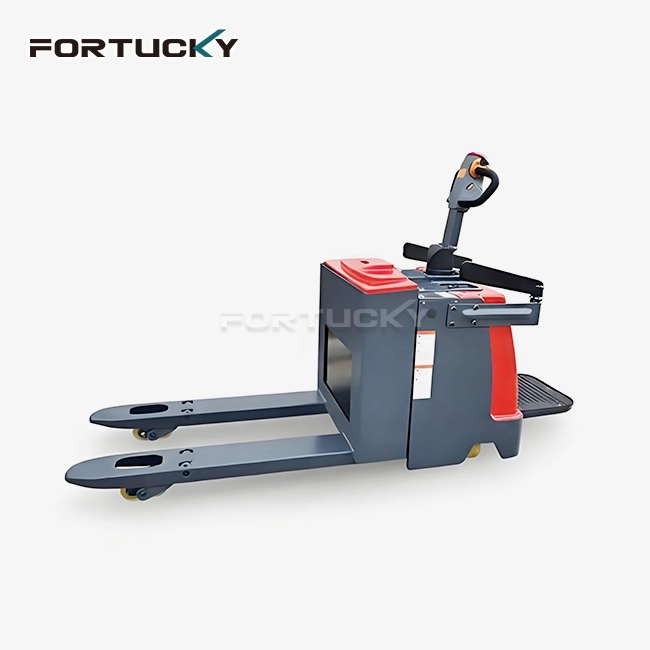
Streamline your procurement process with Fortucky's advanced automation solutions that seamlessly integrate with your customized wooden pallet requirements. Our comprehensive approach combines intelligent material handling systems with tailored pallet specifications to optimize your entire supply chain operation. With over 1,000 successful implementations across automotive, electronics, Customised wooden pallets and manufacturing sectors, Fortucky delivers proven expertise as a leading customized wooden pallets manufacturer. Contact our specialists at sales@fortuckyrobot.com today to discover how our innovative automation technologies can enhance your pallet handling efficiency while reducing operational costs.
References
1. "Industrial Packaging and Material Handling Cost Analysis," Journal of Supply Chain Management, Volume 45, Issue 3, 2023.
2. "Wood Species Selection for Industrial Packaging Applications," Forest Products Research Institute Technical Report, 2023.
3. "Supply Chain Optimization Through Custom Packaging Solutions," International Logistics Management Review, Issue 127, 2023.
4. "Cost-Benefit Analysis of Material Handling Equipment in Manufacturing," Industrial Engineering Quarterly, Volume 78, Number 2, 2023.
5. "Sustainable Packaging Materials in Global Supply Chains," Environmental Manufacturing Journal, Volume 34, Issue 4, 2023.
6. "Quality Standards and Compliance Requirements for Industrial Packaging," Manufacturing Standards Association Guidelines, Revised Edition 2023.
Learn about our latest products and discounts through SMS or email