- English
- French
- German
- Portuguese
- Spanish
- Russian
- Japanese
- Korean
- Arabic
- Greek
- German
- Turkish
- Italian
- Danish
- Romanian
- Indonesian
- Czech
- Afrikaans
- Swedish
- Polish
- Basque
- Catalan
- Esperanto
- Hindi
- Lao
- Albanian
- Amharic
- Armenian
- Azerbaijani
- Belarusian
- Bengali
- Bosnian
- Bulgarian
- Cebuano
- Chichewa
- Corsican
- Croatian
- Dutch
- Estonian
- Filipino
- Finnish
- Frisian
- Galician
- Georgian
- Gujarati
- Haitian
- Hausa
- Hawaiian
- Hebrew
- Hmong
- Hungarian
- Icelandic
- Igbo
- Javanese
- Kannada
- Kazakh
- Khmer
- Kurdish
- Kyrgyz
- Latin
- Latvian
- Lithuanian
- Luxembou..
- Macedonian
- Malagasy
- Malay
- Malayalam
- Maltese
- Maori
- Marathi
- Mongolian
- Burmese
- Nepali
- Norwegian
- Pashto
- Persian
- Punjabi
- Serbian
- Sesotho
- Sinhala
- Slovak
- Slovenian
- Somali
- Samoan
- Scots Gaelic
- Shona
- Sindhi
- Sundanese
- Swahili
- Tajik
- Tamil
- Telugu
- Thai
- Ukrainian
- Urdu
- Uzbek
- Vietnamese
- Welsh
- Xhosa
- Yiddish
- Yoruba
- Zulu
Medium-duty electric stacker maintenance and troubleshooting
Maintaining a Medium duty Electric Stacker means paying regular attention to important parts that have a direct effect on how well it works and how safe it is. These flexible material handling tools, which can usually lift up to 3000 mm and carry up to 1.5 tonnes of weight, are used in factories and warehouses as a middle ground between pallet jacks and full-size forklifts. Proper maintenance includes taking care of the batteries, keeping an eye on the hydraulic system, and checking parts on a regular basis to avoid expensive downtime and make sure the machine always works well in tough industrial settings.
 Understanding Medium-Duty Electric Stackers: Basics and Maintenance Essentials
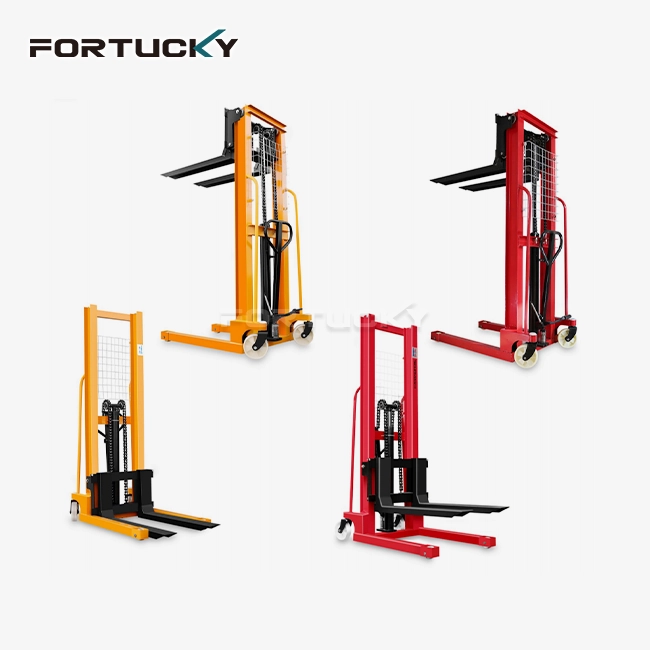
Medium-duty electric stackers are the backbone of modern warehouse operations because they are small but can lift heavy loads. These machines can usually move loads of 1,000 to 2,000 kg and are very good at getting around in tight areas. The all-electric walking design gives operators exact control while they load, unload, and move goods across plant floors and warehouse aisles.
Key Components and Their Functions
Understanding the most important parts of a system is the first step to doing good upkeep. The battery system gives the machine power. It usually has a 24V/80Ah capacity and powers both the lifting and travel features. Powered by a 2.2kw DC motor, the hydraulic lifting system allows for smooth vertical movement at speeds of up to 135mm per second. The drive system has a 0.75kw DC motor that lets it go at 3.5 km/h with all of its weight on it and stay stable on hills up to 5 degrees. Advanced features make operations more reliable and improve the user experience. The air spring technology in the direction control lever makes it easier for operators to move things precisely while also lowering their fatigue. The nylon construction and quiet operation of high-quality bearing wheels protect floor surfaces and make sure smooth moving in a variety of venues. The chain drive steering system lets you turn in a variety of ways and has built-in safety features that make the parts last longer.
Essential Maintenance Checklist
Daily upkeep is the key to making sure that equipment lasts as long as possible and meets safety standards. Visual checks should look for cracks or deformations in the fork assembly. The outer width (680mm) and inner width (305mm) of the fork should also be checked to make sure they are aligned correctly. To keep the lifting working at its best, hydraulic fluid levels need to be checked, and battery connections need to be cleaned to stop corrosion. As part of weekly upkeep, pivot points should be oiled, and tyre condition should be checked to make sure wear patterns are even. The multi-function handle needs to be checked to make sure that all of the buttons work properly and that the comfortable design features are still in place. To keep the 1390mm flexible turning radius, the chain drive parts need to have their tightness adjusted and oiled. Maintenance that is done once a month includes checking the pressure in the hydraulic system, the performance of the motor, and the batteries.
Troubleshooting Common Issues in Medium-Duty Electric Stackers
Equipment failures can significantly impact warehouse productivity, making rapid troubleshooting capabilities essential for maintenance teams. Understanding common warehouse medium-duty electric stacker failure patterns enables quick identification and resolution of issues before they escalate into costly repairs or extended downtime periods.
Power and Battery-Related Problems
Battery performance issues represent the most frequent concern in electric stacker operations. Symptoms include reduced lifting speed, shortened operating time, or complete power failure. Initial troubleshooting involves checking battery voltage levels using a digital multimeter, ensuring connections remain tight and corrosion-free. The AC motor's controller self-diagnosis system provides valuable error codes that pinpoint specific electrical faults. Low-voltage automatic protection systems prevent battery damage but may cause unexpected shutdowns. Operators should verify proper charging procedures, including overnight charging cycles and avoiding deep discharge conditions. Battery terminal cleaning removes corrosion that impedes electrical flow, while loose connections require immediate attention to prevent arcing or overheating.
Hydraulic System Malfunctions
Hydraulic problems manifest through slow lifting speeds, inability to reach maximum height, or sudden load drops. The low-noise hydraulic station undergoes multi-layer detection during manufacturing, yet wear and contamination can affect performance over time. Initial checks include hydraulic fluid level verification and visual inspection for external leaks around cylinders and pipelines. Hydraulic system reliability depends on maintaining proper fluid viscosity and cleanliness. Contaminated fluid reduces lifting efficiency and accelerates component wear. Filter replacement schedules must align with operating conditions, with high-dust environments requiring more frequent changes. Pressure testing verifies system integrity and identifies internal leaks that may not be visible during routine inspections.
Control and Steering Issues
Control system irregularities often stem from damaged wiring, faulty switches, or worn steering components. The chain transmission design provides excellent durability but requires periodic adjustment to maintain precise steering response. Protection devices prevent damage during minor collisions, though impact assessment should examine alignment and function. Steering problems typically involve excessive play in the tiller arm or resistance during turning. Chain tension adjustment restores proper steering response while lubrication reduces friction and wear. Electronic control issues require systematic testing of individual circuits, starting with power supply verification and progressing through signal pathways to identify faulty components.
Preventive Maintenance Strategies for Longevity and Safety
Preventive maintenance methods greatly lower the number of unexpected failures and increase the useful life of tools. Well-thought-out preventative programs weigh the costs of repairs against the costs of any downtime that might happen. This creates long-lasting fleet management practices that help the company reach its long-term goals.
Battery Life Optimisation Techniques
How well a battery works directly affects how efficiently it works and how much it costs to repair. When charging properly, you should avoid partial charge cycles, keep the liquid levels at the right level, and make sure there is enough air flow while charging. The monitoring features of the timer and power meter system help operators keep track of how the system is being used and spot any problems that might arise. Managing the temperature is a very important part of making batteries last longer. For best efficiency, temperatures in the workplace should stay between 32°F and 104°F (0°C and 40°C). Extreme temperatures lower the battery's capacity and speed up its ageing process. On the other hand, storing the battery properly during long periods of shutdown can extend its life. Cell imbalances that need to be fixed are found by regular specific gravity tests.
Scheduled Inspection Routines
Schedules for thorough inspections find problems as they start to happen, before they get bad enough to stop operations. Visual exams check the parts of a structure for cracks, wear patterns, warehouse medium-duty electric stacker and the right way to align them. To keep its super-long working life, the high-strength standing gearbox needs to have its oil level checked and its contamination level checked on a regular basis. Performance factors like lifting speed, travel speed, and steering response are checked during operational testing. Load testing checks safety features like emergency stops and load guards to make sure the lifting ability stays within the limits. Diagnostic testing uses built-in controller systems to find electricity problems and make sure that parts work properly.
Genuine Parts and Inventory Management
OEM parts keep the warranty coverage and performance ofthe equipment while making sure they work with current systems. While generic alternatives may be cheaper, they often fall short when it comes to safety and dependability. Based on how often they are used and how long it takes to get them, critical spare parts should include hydraulic seals, battery parts, and computer control modules. Maintenance schedules and machine dependability are directly linked to the quality of the parts. The permanent magnet brushless drive motor is an advanced piece of technology that needs certain new parts to keep going without any problems. Building ties with authorised parts suppliers guarantees quick access to original parts and expert help when it's needed.
 Upgrading and Maintaining Medium-Duty Electric Stackers: Choosing the Right Solutions
To choose the right maintenance strategies, you need to carefully look at operational needs, cost, and the knowledge that is available. To create the best support structures for their material handling tools, businesses must weigh the benefits of their own skills against those of outside service providers.
In-House vs. Supplier Service Contracts
In-house repair teams can respond right away and know exactly what the business needs to run smoothly. When an organisation has more than one unit, it may make sense to have specific maintenance staff and special tools. When looking at internal repair programs, you should think about how much training is needed and how much it costs to keep parts in stock. Supplier service contracts give you access to advanced troubleshooting tools and experts with specific knowledge. Technicians who work for a company know everything there is to know about permanent magnet motors, controller self-diagnosis systems, and hydraulic station parts. Service agreements usually include schedules for preventative maintenance, emergency reaction, and coverage for parts, all of which make budgeting easier.
Quality Parts Selection Criteria
When choosing the right new parts, you have to think about quality, compatibility, and cost. Genuine OEM parts make sure that the parts fit and work properly, and keep the guarantee valid. Other providers might have lower prices, but they need to be carefully checked to make sure they meet quality standards and technical requirements. Important parts like the AC motor with timer and power meter need certain technical parameters to keep the system working together. For the self-diagnosis feature of the device to work, the components must meet the right requirements. Reliability and safety performance are directly affected by the quality of the bearings, hydraulic seals, and electrical parts.
Future-Proofing Your Medium-Duty Electric Stacker Fleet
Material handling equipment's skills and upkeep needs are always changing as technology improves. Companies that invest in modern fleet management techniques set themselves up for higher productivity, lower costs, and a bigger edge in a market that is always changing.
IoT-Enabled Monitoring Systems
Internet of Things (IoT) sensors let you keep an eye on important things like battery voltage, hydraulic pressure, and working temperatures in real time. Remote diagnostics make it possible to plan maintenance ahead of time and cut down on breakdowns that happen out of the blue. Data analytics find trends of usage and ways to improve things that make the fleet work better overall. Predictive maintenance software looks at data from equipment to predict when parts will break and plan upkeep tasks. These systems cut down on downtime by fixing problems before they affect operations. When you connect it to your current warehouse management system, you can see everything about how the equipment is working and what repairs it needs.
Sustainability and Energy Efficiency
Medium duty Electric Stacker electric stackers use technologies that save energy, which lowers their operating costs and their effect on the environment. Regenerative braking systems collect energy when the load is reduced. This makes the battery last longer and charges it less often. Power consumption is kept to a minimum with LED lights and motor designs that are more efficient. Battery technology is getting better, which means they can hold more energy and last longer. Compared to traditional lead-acid batteries, lithium-ion batteries can be charged faster and need less upkeep. When choosing new tools or upgrades, the total cost of ownership should be taken into account. This includes how much energy is used, how often it needs to be maintained, and when it needs to be replaced.
Conclusion
For electric stackers to be properly maintained and fixed, care must be taken with the batteries, the hydraulic system must be watched closely, and preventative maintenance plans must be followed. Knowing how each part works, following the right inspection procedures, and choosing high-quality replacement parts will help your tools work reliably and last longer. It's good for businesses to look at maintenance methods that combine in-house skills with professional service help. By investing in new monitoring tools and equipment that use less energy, businesses can stay ahead of the competition and lower their costs at the same time.
FAQ
Q1: What is this equipment called?
A1: It is a Medium duty Electric Stacker, also a walking all-electric stacker truck.
Q2: What is the standard load capacity of this stacker?
A2: The standard load capacity is 1.5 tons (1.5T), and the load weight can be customised according to customer requirements.
Q3: What is the maximum lifting height of this electric stacker?
A3: Its maximum hoisting height is 3000mm.
Q4: How does this stacker improve work efficiency?
A4: It adopts a fully electric drive, which replaces manual operation and significantly enhances loading, unloading and transportation efficiency.
Partner with Fortucky for Superior Medium Duty Electric Stacker Solutions
Warehouse managers and procurement professionals seeking reliable material handling solutions can trust Fortucky's proven expertise in electric stacker technology. Our comprehensive service network spans multiple countries, with Medium-duty Electric Stacker supporting over 1,000 customers with localised deployment and timely response capabilities. As a leading Medium duty Electric Stacker manufacturer, we combine competitive R&D innovation with deep customisation capabilities to meet demanding industrial requirements. Contact us at sales@fortuckyrobot.com to discover how our advanced electric stackers enhance operational efficiency while reducing maintenance costs through superior engineering and comprehensive support services.
References
1. Industrial Material Handling Equipment Maintenance Standards and Best Practices, American Society of Mechanical Engineers, 2023.
2. Electric Forklift and Stacker Safety Guidelines for Warehouse Operations, Occupational Safety and Health Administration, 2023.
3. Battery Maintenance Procedures for Industrial Electric Vehicles, Battery Council International, 2022.
4. Hydraulic System Troubleshooting Guide for Material Handling Equipment, National Fluid Power Association, 2023.
5. Preventive Maintenance Strategies for Warehouse Equipment Management, Material Handling Industry Association, 2023.
6. IoT Integration and Predictive Maintenance in Modern Material Handling Systems, International Journal of Logistics Management, 2023.

Learn about our latest products and discounts through SMS or email