- English
- French
- German
- Portuguese
- Spanish
- Russian
- Japanese
- Korean
- Arabic
- Greek
- German
- Turkish
- Italian
- Danish
- Romanian
- Indonesian
- Czech
- Afrikaans
- Swedish
- Polish
- Basque
- Catalan
- Esperanto
- Hindi
- Lao
- Albanian
- Amharic
- Armenian
- Azerbaijani
- Belarusian
- Bengali
- Bosnian
- Bulgarian
- Cebuano
- Chichewa
- Corsican
- Croatian
- Dutch
- Estonian
- Filipino
- Finnish
- Frisian
- Galician
- Georgian
- Gujarati
- Haitian
- Hausa
- Hawaiian
- Hebrew
- Hmong
- Hungarian
- Icelandic
- Igbo
- Javanese
- Kannada
- Kazakh
- Khmer
- Kurdish
- Kyrgyz
- Latin
- Latvian
- Lithuanian
- Luxembou..
- Macedonian
- Malagasy
- Malay
- Malayalam
- Maltese
- Maori
- Marathi
- Mongolian
- Burmese
- Nepali
- Norwegian
- Pashto
- Persian
- Punjabi
- Serbian
- Sesotho
- Sinhala
- Slovak
- Slovenian
- Somali
- Samoan
- Scots Gaelic
- Shona
- Sindhi
- Sundanese
- Swahili
- Tajik
- Tamil
- Telugu
- Thai
- Ukrainian
- Urdu
- Uzbek
- Vietnamese
- Welsh
- Xhosa
- Yiddish
- Yoruba
- Zulu
How to use a drum lifter?
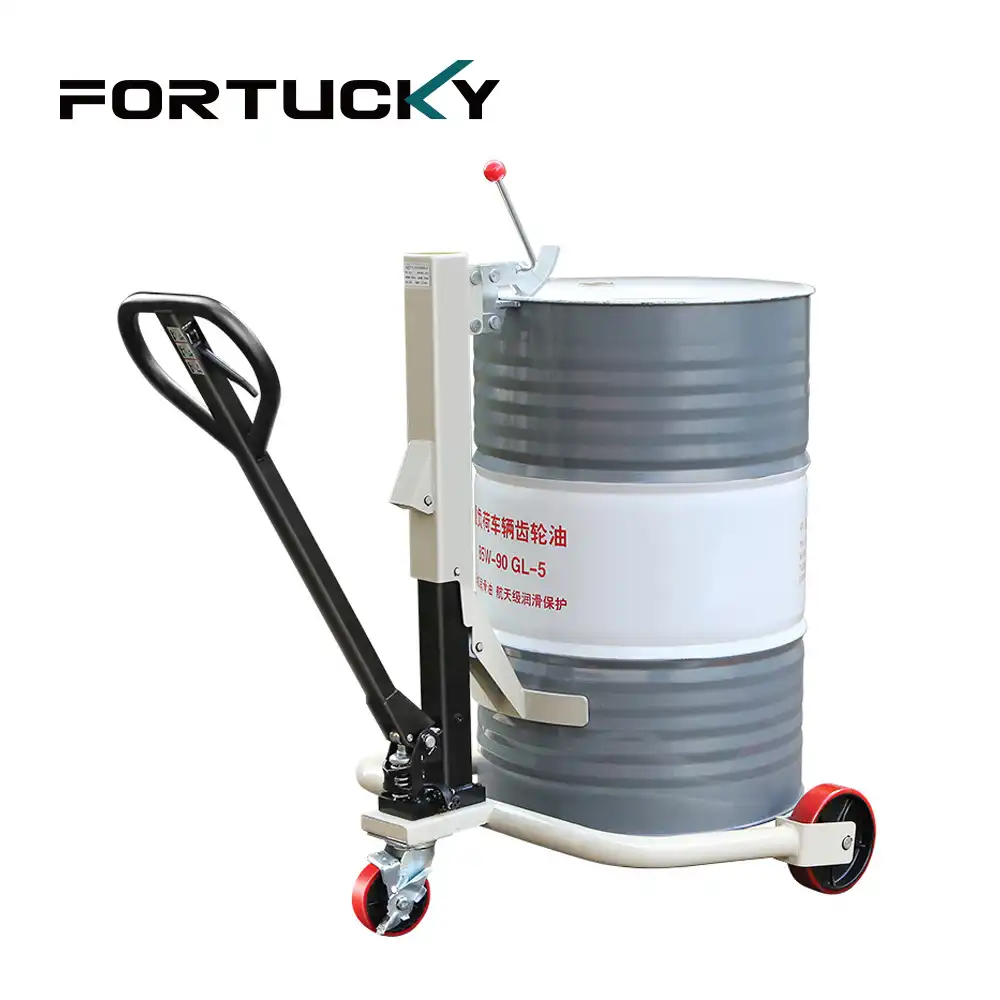
To ensure workplace safety and smooth operations, operators of Mobile Drum Lifters must understand how to position the equipment correctly, secure the drum tightly, and lift slowly. These specialized machines lift drums using hydraulic or manual systems and move them safely across warehouse or production floors. They feature automatic locking mechanisms that hold drums in place. Operators must verify load capacity ratings, inspect clamping integrity before each use, and follow manufacturer guidelines for tilting or rotating drums during dispensing operations. Correct use significantly reduces the risk of musculoskeletal injuries while increasing material handling speed in facilities that handle 200L steel or plastic drums.
 Understanding Mobile Drum Lifters – Basics and Key Features
Handling industrial drums is a persistent challenge in transportation and factory settings. Specialized equipment is needed to handle heavy cylindrical containers filled with chemicals, oils, or food ingredients—equipment that must be both ergonomic and precise. Drum lifters are purpose‑built solutions that make moving loads from 300 kg to 500 kg easier by eliminating the need for manual lifting. During the lifting cycle, the load remains stable.
Core Operating Principles of Drum Handling Equipment
Modern drum lifters work with mechanical advantage systems that convert the user’s applied lifting force into a large amount of energy. Hydraulic versions use pressurized fluid in sealed chambers. A foot‑operated pump generates pressure that moves a piston rod attached to the lifting mechanism. Manual types rely on heavy‑duty spring assemblies and ratchet devices that lock at different heights. Electric models feature DC motors with gear reduction units that maintain a constant lifting speed regardless of the load weight. Each design suits a specific type of operation—from spark‑sensitive areas requiring pneumatic power to high‑throughput environments needing battery‑powered robotics.
Essential Design Features Driving Performance
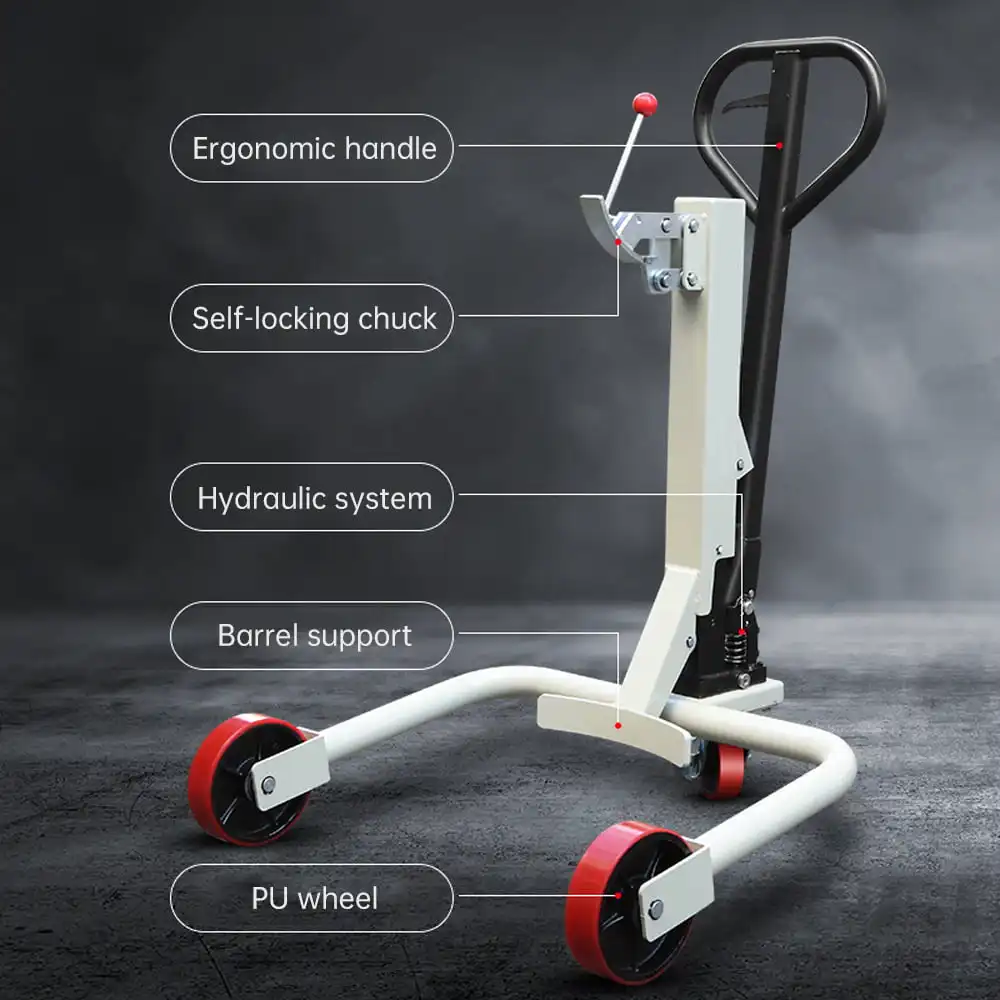
The locking device is the most critical component of the drum lifter’s structure. Eagle‑beak automatic buckles have spring‑loaded self‑locking features that increase grip force as the load weight shifts during transport. This physics‑based method prevents drum slippage without requiring the user to watch it constantly. The chuck assembly is precision‑forged from high‑carbon steel alloys, creating wear‑resistant contact areas that maintain gripping integrity over thousands of load cycles. Ergonomic handle designs include padded grips positioned at optimal heights to reduce wrist strain during maneuvering.
Professional‑grade hydraulic systems incorporate stronger chrome‑silicon steel springs, ensuring consistent lifting performance across all temperatures and extended operating periods. The rapid rebound characteristic minimizes wait time between successive lifts, directly impacting throughput metrics in fast‑paced production environments. Load capacity specifications typically range from 300 kg to 500 kg, and the chassis is designed to fit standard 55‑gallon drums up to 915 mm tall and 600 mm wide.
Technical Specifications for Two Common Configurations
Different physical layouts are often required for industrial applications due to facility constraints. Size One of the portable drum handling truck can hold up to 350 kg and lift up to 250 mm, making it ideal for moving drums from ground level to waist‑high containment devices and for dispensing operations. Its overall length of 1250 mm and width of 760 mm provide stability during transport while allowing passage through standard industrial doors. Size 2 can lift up to 375 mm, with a minimum height of 265 mm. The R285 radian measurement indicates the clamping mechanism’s curve radius, which is optimal for securely holding both steel and fiber drums. Its compact dimensions (1080 mm length, 730 mm width) allow operation in areas with narrower aisles, such as pharmaceutical clean rooms and electronics manufacturing zones.
These specifications directly align with real‑world operational parameters. Lifting height determines which mixing vessels, filling stations, and storage racks are accessible. Drum width influences required aisle dimensions and turning radius. Load capacity ratings must account for both the drum’s weight and the dynamic forces during acceleration and deceleration in transport.
Step-by-Step Guide on How to Use a Mobile Drum Lifter Safely and Efficiently
Operational proficiency with drum handling tools comes from following established procedures that balance risk reduction with efficiency. The following method is based on best practices developed through extensive field experience in food production, chemical processing, and automotive manufacturing.
Pre-Operational Inspection Protocol
Perform a thorough visual inspection of structural integrity before using any lifting equipment. Check hydraulic lines for cracks, wear, or fluid leaks that could indicate seal failure. Ensure that wheel units turn smoothly by confirming that bearings have no horizontal play or grinding noise. Verify proper spring tension in the locking mechanism by manually operating the release button and ensuring it immediately returns to the closed position. Confirm that capacity rating labels are legible and match the intended drum weight. This inspection process typically takes two minutes but prevents equipment breakdowns that could cause major load drops.
Drum Positioning and Secure Attachment
Approach the drum along its center axis to align the locking mechanism with the chime (the reinforced top rim). Position the lifter so that the eagle‑beak clamps sit flat across the width of the chime. Avoid angled placement, as this causes uneven pressure distribution. To engage the clamping mechanism, pull the release button and guide the clamps into contact with the drum surface. Release the lever to activate the spring‑loaded automatic lock. Then, apply slight upward pressure on the handle to test the connection—if properly attached, the clamp will not move vertically relative to the drum rim.
Lifting and Transport Execution
Activate the hydraulic system by pumping the foot pedal steadily, watching the drum rise to detect any tilt or instability. Maintain a steady pumping rhythm to achieve a smooth lifting motion, avoiding jerky vertical movement that stresses the frame. Once the drum reaches the desired transport height, release the pump handle and press down lightly on the drum to ensure the hydraulic lock is engaged. Maintain a steady walking pace and avoid sudden direction changes that would impose lateral forces on the load during transport. Keep the drum upright while moving to prevent liquid sloshing, which could shift the center of gravity.
Controlled Lowering and Release Procedure
When you reach the destination, position the mobile hydraulic drum lifter so that the drum is exactly where you want it. Control the descent by slowly opening the hydraulic release valve instead of allowing a rapid drop. Monitor the drum during lowering to ensure that the bottom contacts the floor evenly across its width. Once the drum is fully on the ground and the lifter is no longer under load, release the clamps by pulling the release button and moving them away from the drum rim. Complete the operation by moving the lifter away from the drum.
 Procurement Considerations: How to Buy or Rent Mobile Drum Lifters Effectively
Strategic procurement of drum handling equipment requires careful evaluation of supplier capabilities, product documentation quality, and after‑sales support infrastructure. The purchasing process directly affects operational readiness and total cost of ownership over time.
Documentation and Certification Requirements
Request complete technical data packages, including dimensioned drawings, hydraulic schematic diagrams, and electrical schematics for powered units. Verify that user manuals include specific lubrication points, maintenance schedules, replacement part numbers, and troubleshooting decision trees. Check for the availability of Declaration of Conformity documents to confirm compliance with relevant safety standards. Load test certificates from accredited laboratories provide objective validation of structural capacity claims and safety margins. Warranty documentation should clearly state coverage terms, exclusions for normal wear items, and claim procedures. Comprehensive documentation packages demonstrate the manufacturer's commitment to product support and facilitate internal maintenance planning.
Purchase Versus Rental Economic Analysis
Outright purchase makes financial sense for organizations that require continuous equipment availability over long planning horizons. Calculate the payback period by dividing the purchase price by the annual value of avoided injuries and increased throughput (through reduced handling time). For facilities moving more than 20 drums per day, the payback period typically ranges from 8 to 18 months. Rental agreements provide flexibility to adapt to seasonal demand fluctuations, test new processes in pilot programs, or temporarily increase capacity during building transitions. Rental rates usually range from 8% to 12% of the purchase price per month, making them a good option for deployments shorter than 10 months. Consider hybrid approaches, where core equipment is owned and additional units are rented during peak periods.
Supplier Selection and Evaluation Criteria
Prioritize manufacturers that can demonstrate a substantial installed base through customer case studies and reference site visits. Evaluate after‑sales support infrastructure, including spare parts inventory levels, technical response times, and field service coverage areas. Request information on training programs to ensure operator and maintenance staff competence. Assess supplier financial stability through credit ratings and operational longevity as indicators of continued parts availability throughout equipment service life. Mobile drum lifter providers that work with global operations typically hold ISO 9001 quality management certification and maintain records of continuous manufacturing process improvement.
Practical Use Cases and Case Studies Demonstrating Mobile Drum Lifter Benefits
Real‑world usage data confirms the operational and cost benefits achievable through proper drum handling equipment implementation. The following examples illustrate observed outcomes at industrial sites in logistics and manufacturing.
Automotive Component Manufacturing Application
A major automotive supplier with a 200,000‑square‑foot facility experienced repeated soft‑tissue injuries among workers manually handling drums of hydraulic fluids and oils. After deploying ten manual hydraulic drum lifters across the production floor, injury rates dropped by 73% over a 12‑month period. Time‑motion studies showed that handling time per drum movement decreased from 4.2 minutes to 1.8 minutes, enabling an additional 180 drum moves per shift without adding labor. The $18,500 equipment investment paid for itself in 11 months through injury prevention and productivity gains.
Pharmaceutical Raw Material Warehousing Scenario
A contract manufacturing organization handling active pharmaceutical ingredients needed GMP‑compliant drum handling that maintained audit trail integrity. The use of stainless steel Mobile Drum Lifters with integrated scales enabled aseptic drum moves with real‑time mass verification. The equipment’s open‑channel frame design facilitated cleaning validation, and swab testing showed residue levels below 10 parts per million. Operational throughput increased by 40% compared to manual pallet jack methods, and no cross‑contamination incidents occurred over 24 months of use.
Common Operational Challenges and Resolution Strategies
Load capacity violations are the most frequent type of misuse, often occurring when workers encounter drums heavier than expected without checking the weight. To prevent structural overloading, use color‑coded capacity labels and enforce mandatory weight confirmation procedures. When hydraulic systems are not maintained, performance gradually degrades, manifesting as slower lift speeds and reduced holding power. To preserve original performance limits, perform quarterly maintenance including pump pressure testing, hydraulic fluid analysis, and seal inspection. Improper binding damages the drum rim and creates an unsafe load. Implement competency verification programs that demonstrate proper placement, attachment, and release techniques before allowing operators to use the equipment independently.
Conclusion
Proper drum lifter operation requires understanding mechanical functions and following strict safety protocols to protect personnel and products during material handling processes. When selected and used correctly, this technology significantly reduces ergonomic risks, increases operational efficiency, and ensures process consistency. Procurement professionals should match equipment technical specifications to specific application needs, using load capacity, power system suitability, and documentation quality as primary selection criteria. Strategic supply relationships with manufacturers that provide strong after‑sales support ensure continued equipment performance and uninterrupted operations for many years.
Frequently Asked Questions
1. What maintenance schedule should we follow for hydraulic drum lifters?
Visually inspect hydraulic lines, fittings, and structural welds once per week. Check hydraulic fluid level every three months and perform a full fluid replacement with ISO VG32 grade oil once per year. Grease wheel bearings every six months, and replace wheels when tread depth drops below 3 mm. Annually, load the structure to 125% of its rated capacity to verify structural integrity and hydraulic system performance.
2. Can a single lifter handle both steel and plastic drums?
Standard rim clamps work well with steel drums that have reinforced rings. For plastic drums, you need special wide‑beak grippers or dual‑belt clamping systems that spread pressure over a larger surface area to prevent drum deformation. Before purchasing, confirm that the equipment’s specifications explicitly state compatibility with fiber and plastic drum constructions.
3. What certifications indicate reliable equipment quality?
Look for compliance with ASME B30.27 standards for material handling equipment, CE marking for European markets, and ISO 9001 certification of manufacturing facilities. Load test certificates from accredited third‑party laboratories provide objective proof of capability. For applications in explosive atmospheres within chemical production areas, ATEX certification is required.
Partner with Fortucky for Advanced Material-Handling Solutions
Getting the right drum handling technology can change how safe operations are and how much work gets done in factories. Fortucky offers specialized material handling solutions and has deployed these solutions for over 1,000 customers around the world in industries like food processing, pharmaceuticals, cars, and electronics. Our range of Mobile Drum Lifters can handle loads ranging from 300 kg to 500 kg, and we can customize them to meet the needs of specific industries. For example, we can make them out of stainless steel that meets GMP standards, or we can make them explosion-proof for use in dangerous places.
If you work with a well-known Mobile Drum Lifter provider, you can be sure that you will have access to detailed technical paperwork, quick engineering support, and regional service infrastructure that can support operations at more than one site. Our production sites that are equipped with 5G keep prices low while providing quick customizations that are in line with project commissioning plans. Email our application engineering team at sales@fortuckyrobot.com to talk about your unique drum handling needs and get full specification suggestions that are best for your situation. Ask for our complete product selection guide, which includes capacity charts, measurement models, and integration planning tools that make buying decisions faster.
References
1. American Society of Mechanical Engineers. (2021). ASME B30.27-2021: Safety Standard for Material Handling Equipment – Drum and Barrel Handlers. New York: ASME Press.
2. National Institute for Occupational Safety and Health. (2020). Ergonomic Guidelines for Manual Material Handling in Industrial Environments. Cincinnati: DHHS Publication No. 2020-142.
3. European Committee for Standardization. (2019). EN 1757-4:2019 Safety of Industrial Trucks – Pedestrian Propelled Trucks – Part 4: Drum and Pallet Handling Devices. Brussels: CEN Technical Committee.
4. Occupational Safety and Health Administration. (2022). Material Handling and Storage: Best Practices for Preventing Musculoskeletal Disorders. Washington: U.S. Department of Labor Publication.
5. International Journal of Industrial Ergonomics. (2023). Quantitative Assessment of Manual Versus Mechanized Drum Handling Impact on Worker Injury Rates. Volume 94, Pages 103-117.
6. Manufacturing Technology Association. (2024). Industry 4.0 Integration of Smart Material Handling Equipment in Automated Production Environments. Chicago: MTA Technical Report Series.

Learn about our latest products and discounts through SMS or email