- English
- French
- German
- Portuguese
- Spanish
- Russian
- Japanese
- Korean
- Arabic
- Greek
- German
- Turkish
- Italian
- Danish
- Romanian
- Indonesian
- Czech
- Afrikaans
- Swedish
- Polish
- Basque
- Catalan
- Esperanto
- Hindi
- Lao
- Albanian
- Amharic
- Armenian
- Azerbaijani
- Belarusian
- Bengali
- Bosnian
- Bulgarian
- Cebuano
- Chichewa
- Corsican
- Croatian
- Dutch
- Estonian
- Filipino
- Finnish
- Frisian
- Galician
- Georgian
- Gujarati
- Haitian
- Hausa
- Hawaiian
- Hebrew
- Hmong
- Hungarian
- Icelandic
- Igbo
- Javanese
- Kannada
- Kazakh
- Khmer
- Kurdish
- Kyrgyz
- Latin
- Latvian
- Lithuanian
- Luxembou..
- Macedonian
- Malagasy
- Malay
- Malayalam
- Maltese
- Maori
- Marathi
- Mongolian
- Burmese
- Nepali
- Norwegian
- Pashto
- Persian
- Punjabi
- Serbian
- Sesotho
- Sinhala
- Slovak
- Slovenian
- Somali
- Samoan
- Scots Gaelic
- Shona
- Sindhi
- Sundanese
- Swahili
- Tajik
- Tamil
- Telugu
- Thai
- Ukrainian
- Urdu
- Uzbek
- Vietnamese
- Welsh
- Xhosa
- Yiddish
- Yoruba
- Zulu
The Benefits of Using Longspan Shelving as a Storage System
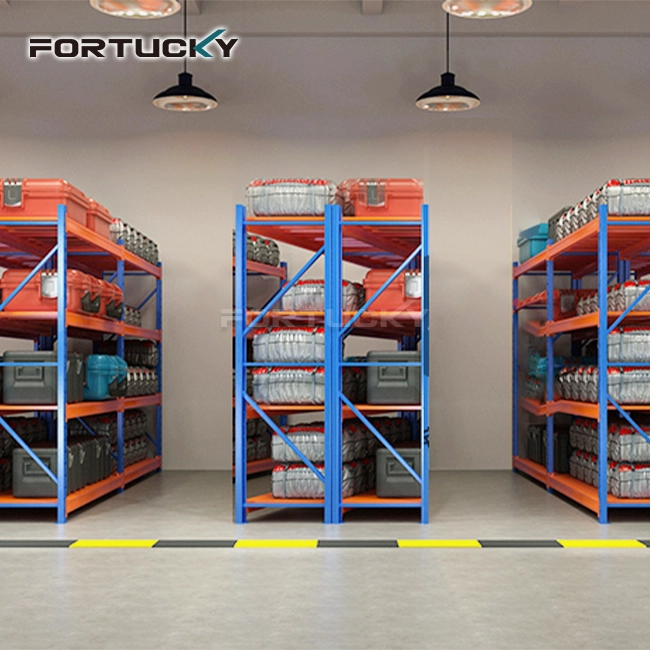
To improve storage efficiency in a warehouse or factory, you need more than just additional shelves—you need a system that can grow with your business. Longspan metal shelving has become the standard for businesses that need to store large, heavy items that conventional racks cannot handle. By eliminating center posts, this storage system creates uninterrupted storage spans that accommodate oversized automotive parts, industrial molds, full‑size panels, and bulk containers without space constraints. Constructed from high‑strength steel and capable of supporting between 500 kg and over 2000 kg per level, these systems maximize vertical space utilization while meeting modern operational demands for flexibility and durability.
 Why Modern Warehouses Are Switching to Heavy-Duty Metal Longspan Racks
Today, in any automotive production plant or tech distribution center, you will notice a shift. Longspan industrial shelving is replacing traditional shelving units that once occupied most of the floor space. This solution is designed to meet the storage needs of contemporary operations.
The underlying reason is clear: warehouse requirements have changed. Companies now contend with heavier loads, larger components, and irregular shapes. A recent industry study showed that facilities using heavy‑duty shelving solutions achieved up to 40% more usable storage space than those using conventional systems.
The column‑free design of these systems provides significant utility. With traditional racks, support posts are placed every few feet, making it difficult to store large items such as complete car doors, steel bars, or construction equipment parts. Heavy‑duty metal longspan racks eliminate this problem by offering clear, open storage spans several meters long.
After switching to these systems, manufacturing processes at locations such as battery production plants and automotive wholesalers have experienced a substantial reduction in material handling time. Because there are no center beams, forklift operators can access goods directly without navigating around structural obstacles, resulting in much faster retrieval times.
Key Parameters That Define Performance and Value
Understanding the technical specifications enables you to make decisions aligned with your business needs.
Load Capacity: Each shelf level can support between 500 kg and 2000 kg, with some custom designs capable of holding even more. The rating is based on beam length, width, and grade. A facility storing automotive engines requires different capacity ratings than one handling packaged consumer goods.
Structural Dimensions: Depth and width can be customized to fit your products. Standard designs offer between 2 and 5 shelf levels, but the optimal configuration is often determined by available vertical space and ceiling height. Height adjustments can be made in small increments, allowing layout changes as storage needs evolve.
Material Composition: Quality systems are built from cold‑rolled steel. This material undergoes pickling, phosphating, and electrostatic powder coating, which protects surfaces from corrosion and ensures durability in harsh industrial environments. Steel grades are critical when evaluating long‑term reliability.
Assembly Method: Modular designs assembled with rivets or bolts enable quick setup and later reconfiguration. This flexibility is invaluable when production lines move or product lines change. Some systems can be installed in hours rather than days, minimizing operational downtime.
Safety Features: Column guards, shelf safety lips, and wire mesh decks prevent injuries and product damage. These components transform basic storage systems into comprehensive safety systems that protect both workers and goods.
Core Advantages That Solve Real Operational Challenges
Storage equipment should not create new problems. Longspan industrial shelving solves the daily challenges faced by logistics managers.
Unrestricted Storage Space: By eliminating center posts, long-span industrial shelving resolves the “dimensional mismatch problem,” allowing storage of large molds, complete automotive subframes, and full‑size construction panels that would otherwise be floor‑stacked.
Superior Structural Integrity: Engineering‑grade steel construction withstands heavy loads while maintaining stability. Testing protocols ensure these systems handle dynamic loading conditions—exactly what happens in real life when forklifts bump posts and workers occasionally overload shelves. Structural designs incorporate safety margins beyond minimum standards.
Vertical Space Optimization: The space above the floor is valuable real estate that many facilities underutilize. These systems convert unused vertical space into productive storage, increasing capacity without expanding footprint. A warehouse with 9‑meter ceilings can triple its usable storage space compared to ground‑level configurations.
Adaptability of the configuration: Business needs change. Products evolve. Seasonal mixes fluctuate. Adjustable shelf heights allow storage reconfiguration without purchasing new equipment. This adaptability extends system lifespan and protects your investment.
Long-Term Durability: Quality finishes are not just cosmetic—they protect against damage. The multi‑step coating process creates a barrier against moisture, chemicals, and wear. Facilities using these methods report service lives exceeding 15 years with minimal maintenance.
Operational Efficiency: In logistics, speed matters. Direct access to goods without navigating obstacles significantly reduces pick times. Modular construction allows component assembly during off‑hours and relocation as building layouts change. This operational freedom delivers immediate labor cost savings.
How Fortucky's Approach Differs From Standard Solutions
Not all storage systems offer the same value. The difference lies in design sophistication, manufacturing quality, and support capability.
Many suppliers offer basic adjustable metal shelving in standard sizes and specifications. They manufacture to stock and ask buyers to adapt their operations to available products. This approach works for simple applications but falls short for complex supply chains or unique manufacturing processes.
Fortucky takes a different approach, informed by over a thousand successful deployments in heavy industry, technology, automotive, and pharmaceuticals. Our engineers do not start with stock products; they start with your specific operational requirements.
Customization extends beyond basic dimensions. We analyze your product profile, handling equipment, throughput needs, and building constraints. This assessment guides steel grade selection, beam reinforcement design, connection methods, and accessory integration. A cold chain logistics operation has different requirements than a steel fabrication plant, even if both order the same nominal shelf dimensions.
Manufacturing capability is critical. Our smart 5G‑powered production center maintains tight tolerances, ensuring consistent quality across large orders. When outfitting a 50,000‑square‑meter distribution center, uniformity of all components is essential for smooth installation and long‑term performance.
R&D investment delivers tangible benefits. Our beam designs distribute loads more evenly than conventional profiles, enabling higher weight capacity at the same gauge. Connection systems lock securely without special tools, speeding installation while maintaining structural integrity. Coating processes exceed industry standards, providing superior corrosion protection in challenging environments.
Support infrastructure distinguishes true partners from typical suppliers. Fortucky maintains localized service networks across Asia, Europe, and the Americas, offering rapid access to technical expertise, replacement parts, and expansion planning assistance. This responsiveness is crucial for clients such as CATL, Mercedes‑Benz, and COFCO Group to maintain efficient operations with heavy-duty metal longspan racks.
 Maximizing Your Investment Through Strategic Implementation
Acquiring quality equipment is only half the battle; proper implementation determines whether expected benefits are realized.
Do a thorough inventory analysis. Document the dimensions, weights, and handling characteristics of the items you will store. This data informs critical decisions about shelf spacing, load ratings, and accessory requirements. Measure—do not guess.
- Plan for Growth: Set up the first sites so that they can be expanded. Implementing modular systems in stages is possible, but planning entry routes and linking places during the initial structure saves money on changes that need to be made later.
- Match the right equipment to the job. Different places may need different specs. For easy access, shelf heights should be just right in high-velocity picking zones. With larger shelves and higher stacks, bulk storage areas can get the most out of their space. Don't use standard setups; instead, customize by zone.
- Integrate with Handling Equipment: The shelf sizes should be able to fit the height of your forklift mast, the size of your load seat, and standard package sizes. Clearances are important because not having enough room damages things and slows things down.
- Use the Right Ways to load: Spread the weight out properly on the shelves. To keep things stable, put heavy things on lower floors. Based on the features of the item, use the right load-distributing accessories, such as wire decking or solid panels.
- Set up maintenance procedures: check the link points for damage to the finish, make sure the level is stable, and make sure the safety devices still work. Regular checks keep systems working longer and prevent accidents from happening.
Train Staff: Operators must understand load limits, proper stacking methods, and damage reporting procedures. Quality equipment performs at its best only when users understand its operation.
Conclusion
Storage infrastructure decisions impact your operation for years, affecting efficiency, safety, and profitability throughout the system's lifespan. Longspan metal shelving delivers measurable advantages for facilities handling bulky, heavy, or oversized inventory that traditional racks cannot accommodate effectively. The combination of column‑free design, high load capacity, and configuration flexibility addresses real operational challenges faced daily by logistics and manufacturing managers. Success depends not only on selecting quality equipment but also on partnering with suppliers who understand your industry’s specific requirements and can provide ongoing support. Companies operating in demanding sectors—from automotive and electronics to pharmaceuticals and heavy industry—rely on these systems to maintain competitive advantage through superior storage efficiency and operational flexibility.
Frequently Asked Questions
Q1: What's the typical lead time for custom long-span shelving projects?
A: Lead times vary based on project complexity and order volume. Standard configurations typically ship within 2‑3 weeks. Highly customized systems requiring engineering analysis and specialized manufacturing may take 4‑6 weeks. Fortucky’s advanced production capabilities often deliver faster than industry averages, and our team provides accurate timelines during the quotation phase.
Q2: Can these systems integrate with automated warehouse management systems?
A: Absolutely. Modern warehouse storage shelves complement WMS and WCS platforms effectively. Integration typically involves configuring location codes, defining storage zones, and establishing inventory rules within your software. The physical system provides the storage infrastructure while your management system handles inventory tracking and workflow optimization. Many of our customers operate fully automated facilities where these racks form the foundation of sophisticated logistics operations.
Q3: How do I determine the appropriate load capacity for my application?
A: Calculate the maximum weight per shelf level by considering both the total load and how the weight is distributed across the shelf surface. Include packaging weight and account for potential overloading situations. Always incorporate safety factors—never operate at theoretical maximum capacities. Our engineering team can review your inventory profile and recommend appropriate specifications based on real‑world usage patterns observed across similar applications.
Q4: What maintenance do these systems require?
A: Maintenance requirements are minimal but important. Conduct visual inspections quarterly to check for coating damage, connection tightness, and structural deformation. Address any damage promptly to prevent progression. Clean shelf surfaces periodically to remove debris that might cause corrosion. In corrosive environments, inspect coating integrity more frequently. Well‑maintained systems operate reliably for 15+ years with minimal intervention.
Partner With a Longspan Metal Shelving Manufacturer That Understands Your Industry
Selecting the right storage system supplier impacts your operation for years. You need a longspan metal shelving manufacturer with proven expertise in your specific sector and the engineering capabilities to deliver truly customized solutions. Fortucky has implemented successful projects for over 1,000 customers across manufacturing, logistics, and industrial sectors worldwide, including industry leaders like Huawei, BYD, and Baowu Group. Our team combines deep technical knowledge with responsive service—from initial consultation through installation and beyond. Whether you're upgrading an existing facility or designing new warehouse infrastructure, we deliver engineered solutions that maximize your investment. Contact our team at sales@fortuckyrobot.com to discuss how our industrial metal racks can transform your storage efficiency.
References
1. Anderson, T., & Mitchell, R. (2021). Warehouse Design and Material Handling Systems: Optimization Strategies for Modern Logistics Operations. Industrial Engineering Press.
2. Chen, W., Zhang, L., & Roberts, K. (2022). Structural performance analysis of long-span industrial storage systems under dynamic loading conditions. Journal of Materials Handling and Logistics, 47(3), 234-251.
3. Industrial Storage Association. (2023). Best Practices for Heavy-Duty Shelving Systems: Design, Installation, and Safety Guidelines. ISA Technical Standards Committee.
4. Martinez, J., & Thompson, S. (2020). Supply Chain Infrastructure: Strategic Investment in Warehouse Storage Technologies. Global Logistics Publishing.
5. Peterson, D. (2022). Comparative analysis of storage density optimization in automotive parts distribution facilities. International Journal of Production Research, 60(8), 2456-2474.
6. Williams, E., & Kumar, P. (2023). Modern Warehouse Management: Equipment Selection and Operational Excellence. Supply Chain Management Institute.
Learn about our latest products and discounts through SMS or email