- English
- French
- German
- Portuguese
- Spanish
- Russian
- Japanese
- Korean
- Arabic
- Greek
- German
- Turkish
- Italian
- Danish
- Romanian
- Indonesian
- Czech
- Afrikaans
- Swedish
- Polish
- Basque
- Catalan
- Esperanto
- Hindi
- Lao
- Albanian
- Amharic
- Armenian
- Azerbaijani
- Belarusian
- Bengali
- Bosnian
- Bulgarian
- Cebuano
- Chichewa
- Corsican
- Croatian
- Dutch
- Estonian
- Filipino
- Finnish
- Frisian
- Galician
- Georgian
- Gujarati
- Haitian
- Hausa
- Hawaiian
- Hebrew
- Hmong
- Hungarian
- Icelandic
- Igbo
- Javanese
- Kannada
- Kazakh
- Khmer
- Kurdish
- Kyrgyz
- Latin
- Latvian
- Lithuanian
- Luxembou..
- Macedonian
- Malagasy
- Malay
- Malayalam
- Maltese
- Maori
- Marathi
- Mongolian
- Burmese
- Nepali
- Norwegian
- Pashto
- Persian
- Punjabi
- Serbian
- Sesotho
- Sinhala
- Slovak
- Slovenian
- Somali
- Samoan
- Scots Gaelic
- Shona
- Sindhi
- Sundanese
- Swahili
- Tajik
- Tamil
- Telugu
- Thai
- Ukrainian
- Urdu
- Uzbek
- Vietnamese
- Welsh
- Xhosa
- Yiddish
- Yoruba
- Zulu
Maintenance guide for stand-on type electric stackers
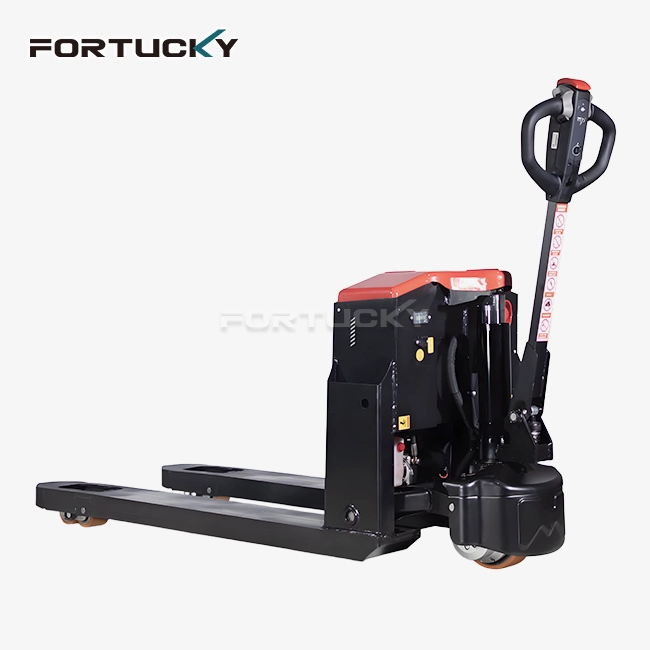
Maintaining your Electric Stand-On Type Stacker needs a planned method that strikes a balance between how quickly you can do your job and how long the equipment lasts. These versatile material handling machines are must-haves in modern warehouses because they combine the flexibility of walk-behind units with better visibility and comfort for the user. Following the right repair procedures will not only make equipment last longer, but it will also make sure that it works the same way every time, even in harsh industrial settings where downtime directly leads to lost profits and lower productivity.
 Understanding Stand-On Type Electric Stackers and Their Maintenance Needs
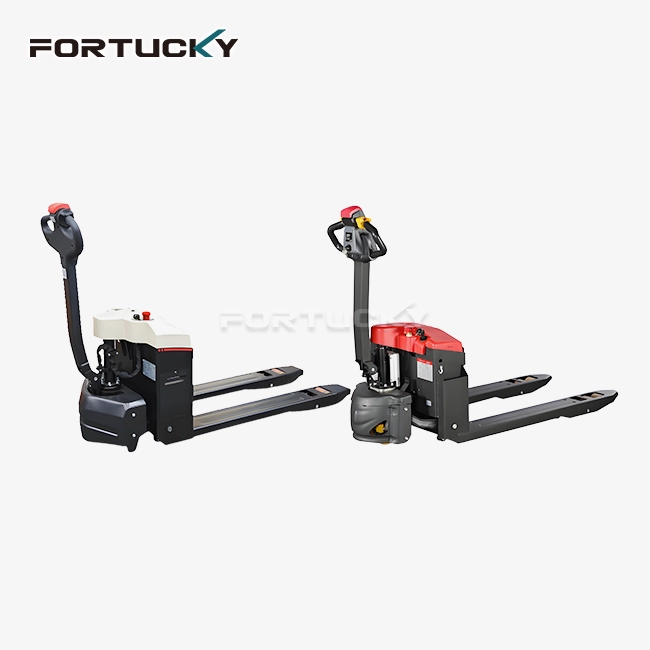
Stand-on stackers are a big step forward in the technology used to move things. They are somewhere between regular load jacks that you walk behind and full-sized forklifts. Workers can stand on the platform of these electric machines while moving loads. This gives them better visibility and lets them work faster than walk-behind choices.
Core Components Requiring Regular Attention
Electric stackers' most important part is the mast that lifts things. There are different models that can hold up to five tonnes of weight. This setup has safety features, hydraulic cylinders, and guide bars that need to be checked often for wear and to make sure they are in the right place. The electric drive system is made up of motors, switches, and gearbox parts. They use battery power to precisely control how you move. When it comes to batteries, most stand-on stackers use either sealed lead-acid or lithium-ion technology. Taking care of different kinds of technology is different. The hydraulic system's pumped and valved channels of pressurised fluid direct the lifting process. To keep the load safe, the pressure must stay at the right amounts.
Common Maintenance Challenges
Machines get worn out over time. This is especially true in high-throughput settings where stackers work multiple jobs every day. Forks, wheels, and mast parts will wear down over time, but you can avoid having to replace them when they break by keeping an eye on them. The amount of care that needs to be given is greatly affected by things like dust, moisture, and temperature changes in the area. It's not good for batteries and hydraulic fluids to be stored in cold places. The weather can make things break down faster when they are used outside. Batteries break down in ways that are normal and depend on how they are charged, how hot they are, and how much power they lose. Repair teams can use these patterns to figure out when batteries need to be changed and how to charge them so that they last as long as possible.
Daily and Weekly Maintenance Checklist for Stand-On Electric Stackers
Setting up regular repair schedules is the key to making sure that equipment works well. These rules should fit in with daily activities without getting in the way of work, the stand-on electric stacker, and they should make sure that all equipment is checked thoroughly.
Daily Inspection Protocols
Visual checks are the easiest type of maintenance to do because they don't take much time and can give you useful early warning signs. Forks should be checked for cracks, bends, or strange wear patterns that could mean the load isn't balanced or the machine isn't being used correctly. The mast system needs to be checked for hydraulic leaks, which usually show up as fluid buildup around cylinders or connections. Control systems need extra care during daily checks, like making sure the lift, lower, and travel features work when there is no load on them. All warning lights should come on during startup processes, and emergency stop mechanisms must work properly. Battery charge signs let you know right away about the health of the power system and how well the batteries are charging. The state of the wheels directly affects how stable and easy to manoeuvre the vehicle is. For safety reasons, it is necessary to check the tires every day. Look for uneven wear patterns that could mean there are problems with alignment, debris that is embedded and could cause vibrations, or damage from hitting things or objects.
Weekly Maintenance Tasks
In addition to eye checks, weekly maintenance includes basic preventive care and functional tests. According to the manufacturer's instructions, lubrication points all over the machine need to be checked. These points are usually pivot points, lifting chains, and bearing systems. When there is a lot of dust, dirt, or chemicals around, cleaning rules become even more important. Cleaning electrical parts with compressed air keeps conductive particles from building up, and hydraulic systems need to be kept clean so that pollution doesn't damage valves or pumps. As part of the weekly service, the terminals are cleaned to stop rust, the electrolyte level is checked to make sure that batteries that can be used are still good, and the charging system is checked to make sure that the voltage is stable and the charging cycle ends.
Battery Care and Management for Maximum Lifespan
Battery systems represent one of the highest-value components in electric stackers, making proper care essential for controlling the total cost of ownership. Understanding battery technology and implementing appropriate care protocols can double or triple usable battery life while maintaining consistent performance.
Battery Technology Overview
Lead-acid batteries remain common in industrial applications due to their robust construction and predictable performance characteristics. These systems typically provide 1,000-1,500 charge cycles when properly maintained, with performance degradation becoming noticeable after approximately 80% of rated cycle life. Lithium-ion technology offers advantages in charging speed, cycle life, and maintenance requirements, though initial investment costs remain higher than lead-acid alternatives. These advanced systems can achieve 3,000-5,000 charge cycles while maintaining consistent voltage output throughout the discharge curve.
Charging Best Practices
Proper charging protocols for the stand-on electric stacker significantly impact battery longevity and performance consistency. Avoiding deep discharge cycles below 20% state of charge prevents permanent capacity loss while extending overall battery life. Opportunity charging during breaks or shift changes can maintain optimal charge levels without requiring dedicated charging periods. Temperature management during charging prevents overheating that accelerates electrolyte degradation and plate damage. Charging areas should maintain temperatures between 32-104°F (0-40°C) with adequate ventilation to dissipate heat generated during the charging process. Equalization charging for lead-acid systems helps balance individual cell voltages and prevents stratification that reduces capacity over time. This process should occur according to manufacturer recommendations, typically monthly or after every 10-20 charging cycles, depending on usage patterns.
Storage and Environmental Considerations
Extended storage periods require specific battery care protocols to prevent permanent damage. Batteries should maintain charge levels between 40-60% during storage, with periodic charging to prevent deep discharge that can cause irreversible capacity loss. Environmental conditions significantly affect battery performance and longevity. High temperatures accelerate chemical reactions that reduce battery life, while extreme cold reduces available capacity and charging efficiency. Maintaining batteries within manufacturer-specified temperature ranges optimizes both performance and longevity.
 Advanced Maintenance Techniques and Safety Feature Checks
Sophisticated maintenance procedures address complex systems that require specialized knowledge and tools. These activities typically occur during scheduled maintenance intervals or when specific symptoms indicate potential component failure.
Hydraulic System Maintenance
Hydraulic fluid quality directly affects system performance and component longevity. Regular fluid analysis reveals contamination levels, moisture content, and additive depletion that could compromise system operation. Fluid replacement intervals typically range from 1,000 to 2,000 operating hours, depending on environmental conditions and system design. Pressure testing validates system integrity and identifies potential leak sources before they become problematic. Hydraulic systems should maintain manufacturer-specified pressures throughout the operating range, with pressure drops indicating worn seals, damaged hoses, or pump degradation. Filter replacement represents critical preventive maintenance that protects expensive hydraulic components from contamination damage. Return filters, suction strainers, and pressure filters require replacement according to manufacturer schedules or when differential pressure indicators signal restriction.
Safety System Validation
Emergency stop systems require functional testing to ensure immediate machine shutdown when activated. These tests should verify that all machine functions cease within specified timeframes and that a restart requires deliberate operator action rather than automatic reset. Load handling safety features, including load backrests, operator presence systems, and tilt limitations, must function properly to prevent accidents and equipment damage. Regular testing validates these systems while familiarizing operators with proper safety protocols. Ergonomic features such as operator platform surfaces, handholds, and control positioning should be inspected for wear or damage that might compromise operator safety or comfort. These elements directly affect operator fatigue and accident risk during extended operation periods.
Predictive Maintenance Strategies
Vibration analysis can identify developing mechanical problems before they cause equipment failure. Unusual vibration patterns often indicate bearing wear, motor imbalance, a ride-on electric pallet stacker, or coupling misalignment that benefits from early intervention rather than emergency repair. Electrical system monitoring includes insulation resistance testing, connection tightness verification, and controller diagnostic evaluation. These assessments identify potential failure points while validating system integrity under operating conditions.
Optimizing Maintenance Strategies for Procurement Managers and Engineers
Strategic maintenance planning aligns equipment care with operational requirements while controlling costs and maximizing equipment availability. Effective strategies consider equipment utilization patterns, operational environments, and long-term asset management objectives.
Developing Customized Maintenance Plans
Maintenance needs and intervals are greatly affected by load capacity and usage volume. Stackers that are working at full capacity need to be inspected, and parts replaced more often than units that are working with lighter loads or only sometimes. Condition-based repair scheduling that is based on how the equipment is actually being used instead of random time intervals is possible when warehouse management systems are integrated. This method finds the best time for repair while minimising service interruptions that are unnecessary. Extreme temperatures, dust exposure, and chemical contact are all environmental factors that mean specific repair procedures and ways to protect parts need to be used. Customising maintenance methods for different operating conditions keeps safety standards high and stops wear and tear before it's due.
Cost-Benefit Analysis of Preventive Maintenance
Investing in preventative maintenance usually pays off three to four times over because it cuts down on emergency repairs, extends the life of technology, and makes it more available. Emergency fixes usually cost three to five times as much as planned maintenance and cause a lot of problems with how things work. To keep the warranty valid, you must follow the manufacturer's repair schedules and only use parts and fluids that have been approved. Maintaining accurate records of maintenance tasks is important for protecting guarantee coverage and gathering useful information for improving future maintenance plans. With proper upkeep, asset depreciation rates go down a lot, which affects both accounting and resale value. Equipment that has been well taken care of has a higher residual worth and works consistently throughout its useful life.
Supplier Relationship Management
Building partnerships with qualified service providers guarantees quick access to technical help, original parts, and emergency support when it's needed. Reliable suppliers offer training, diagnostic support, and help with planning maintenance, all of which improve the skills of the company itself. Service agreements can help you plan your maintenance costs and make sure you get professional service. These deals usually include faster response times, lower prices on parts, and access to expert support that helps with maintenance that can't be done in-house.
Conclusion
To maintain stand-on electric stackers well, you need to know a lot about how they work, follow the preventative care instructions exactly, and plan ahead so that maintenance tasks are in line with what the machines need to do. Putting money into regular maintenance pays off in a big way: longer machine life, less downtime, and better safety performance. Modern stackers, with their advanced electric systems and ergonomic designs, are big investments that pay off over time with years of reliable service and maximum output.
FAQ
Q1: What are your terms of payment?
A: T/T 50% as a deposit, and 50% before delivery. We'll show you the photos of the products and packages before you pay the balance. Or as negotiated
Q2: How about your delivery time?
A: Generally, it will take 5 to 30 days after receiving your deposit. The specific delivery time depends on the items and the quantity of your order.
Q3:Do you test all your goods before delivery?
A: Yes, we have 100% test before delivery
Q4: Can you use our brand?
A: Yes, OEM is available.
Q5: What are your sample terms?
A: Yes, we need to charge the sample and freight cost, and the sample fee can be refunded when placing the mass production order.
Q6: How longis the product warranty period?
A: One Year
Partner with Fortucky for Superior Electric Stand-On Type Stacker Solutions
Maximizing your material Electric Stand-On Type Stacker handling efficiency demands both quality equipment and expert support throughout the ownership lifecycle. Fortucky combines innovative engineering with comprehensive service capabilities to deliver Electric Stand-On Type Stacker solutions that exceed performance expectations while minimizing total cost of ownership. Our global service network spanning Asia, Europe, and the Americas ensures responsive support wherever your operations demand reliable material handling performance.
With over 1,000 satisfied customers, including Fortune 500 companies and industry leaders, Fortucky understands the critical role that proper maintenance plays in operational success. Our electric stackers feature robust construction, advanced battery management systems, and intuitive controls designed for demanding industrial environments. Contact our technical team at sales@fortuckyrobot.com to discover how Fortucky's Electric Stand-On Type Stacker manufacturer expertise can optimize your warehouse operations through superior equipment and comprehensive support services.
References
1. Industrial Truck Association. "Electric Stacker Maintenance Standards and Best Practices Manual." 2023 Edition.
2. Material Handling Institute. "Battery Management Systems for Industrial Electric Vehicles: Maintenance and Optimization Guidelines." Technical Publication Series, Vol. 15.
3. American Society of Mechanical Engineers. "Safety Standards for Low Lift and High Lift Trucks: Maintenance Requirements and Inspection Protocols." ASME B56.1-2020.
4. National Institute for Occupational Safety and Health. "Criteria for Powered Industrial Truck Maintenance Programs." Publication No. 2023-108.
5. International Warehouse Logistics Association. "Predictive Maintenance Strategies for Material Handling Equipment in Modern Distribution Centers." Research Report 2023.
6. Society of Manufacturing Engineers. "Hydraulic System Maintenance in Industrial Applications: Best Practices for Equipment Longevity." Technical Paper Series, Manufacturing Engineering Division.

Learn about our latest products and discounts through SMS or email