- English
- French
- German
- Portuguese
- Spanish
- Russian
- Japanese
- Korean
- Arabic
- Greek
- German
- Turkish
- Italian
- Danish
- Romanian
- Indonesian
- Czech
- Afrikaans
- Swedish
- Polish
- Basque
- Catalan
- Esperanto
- Hindi
- Lao
- Albanian
- Amharic
- Armenian
- Azerbaijani
- Belarusian
- Bengali
- Bosnian
- Bulgarian
- Cebuano
- Chichewa
- Corsican
- Croatian
- Dutch
- Estonian
- Filipino
- Finnish
- Frisian
- Galician
- Georgian
- Gujarati
- Haitian
- Hausa
- Hawaiian
- Hebrew
- Hmong
- Hungarian
- Icelandic
- Igbo
- Javanese
- Kannada
- Kazakh
- Khmer
- Kurdish
- Kyrgyz
- Latin
- Latvian
- Lithuanian
- Luxembou..
- Macedonian
- Malagasy
- Malay
- Malayalam
- Maltese
- Maori
- Marathi
- Mongolian
- Burmese
- Nepali
- Norwegian
- Pashto
- Persian
- Punjabi
- Serbian
- Sesotho
- Sinhala
- Slovak
- Slovenian
- Somali
- Samoan
- Scots Gaelic
- Shona
- Sindhi
- Sundanese
- Swahili
- Tajik
- Tamil
- Telugu
- Thai
- Ukrainian
- Urdu
- Uzbek
- Vietnamese
- Welsh
- Xhosa
- Yiddish
- Yoruba
- Zulu
Practical Guide For Manual Hydraulic Pallet Truck
When selecting material handling equipment for industrial operations, understanding the capabilities and applications of a Manual Hydraulic Pallet Truck becomes essential for procurement professionals and warehouse managers. These versatile devices represent a cornerstone solution in modern logistics, combining hydraulic lifting mechanisms with manual operation to create efficient, cost-effective material handling systems. A manual hydraulic pallet truck operates through a simple yet ingenious design where operators use a hand lever to activate hydraulic cylinders, lifting palletised loads several inches off the ground for smooth transportation across warehouse floors and production facilities.
 Understanding Manual Hydraulic Pallet Trucks
The basic structure of these devices for moving materials is made up of a few important parts that work together to provide reliable performance in a wide range of industrial settings. Knowing about these parts helps buying teams make smart choices about what tools to buy and how they should be used.
Core Components and Operational Principles
The hydraulic system is what these units are all about. It uses a pump mechanism that is handled by hand to turn human effort into a lot of pulling force. When the handle is pumped up and down, hydraulic fluid builds up pressure inside sealed tanks, which raises the forks and their load. The three-position control lever lets workers precisely move loads by controlling the lifting, neutral placement, and controlled lowering functions.
Strong structural features are used in modern designs to improve both efficiency and safety. Strong springs provide uniform flexibility and a longer service life, and rubber-coated handles keep users from getting tired after long periods of use. One-piece hydraulic cylinders don't have any places where they could break, so they work reliably in a wide range of temperatures and tough industrial settings.
Technical Specifications and Dimensional Considerations
One of the most important criteria for design is load capacity. Standard units can usually handle loads between 2000 kg and 5000 kg, while heavy-duty models can handle loads up to 10000 kg. These types of capacities meet a wide range of operational needs, from light manufacturing facilities to heavy industry settings that need to be able to hold a lot of weight.
Important dimensions have a direct effect on how well something works and how well it fits in the area. Standard fork lengths are between 1100mm and 1200mm, and standard fork widths are between 550mm and 685mm to fit a variety of box designs. The 200mm hoisting height is high enough for normal storage tasks, and the 30mm wheelbase centre ground clearance makes it easy to move around on most industrial flooring systems.
Safety Features and Compliance Standards
Every part of the Manual Pallet Truck design is based on safety, and anti-roll devices keep goods from moving around while they're being moved. Pressure feet made of cast steel provide non-slip contact points, and normal two-wheel designs evenly spread load weight and lower the operator's work load. All of these features work together to lower the risk of accidents at work and make sure that safety rules are followed.
Comparing Manual Hydraulic Pallet Trucks with Alternative Solutions
Comprehensive comparisons between manual hydraulic systems and other material handling technologies are very helpful when making decisions about what to buy. Each group of solutions has its own pros and cons that can be tailored to meet operational needs and price limits.
Manual Versus Electric Variants
Manual hydraulic systems work best in places where power isn't always available or where running costs need to be carefully managed. Unlike electric options, manual units don't need to have their batteries maintained, charging infrastructure built, or electrical systems that might stop working. Because it is simpler, the total cost of ownership is lower, and upkeep is easier over the life of the equipment.
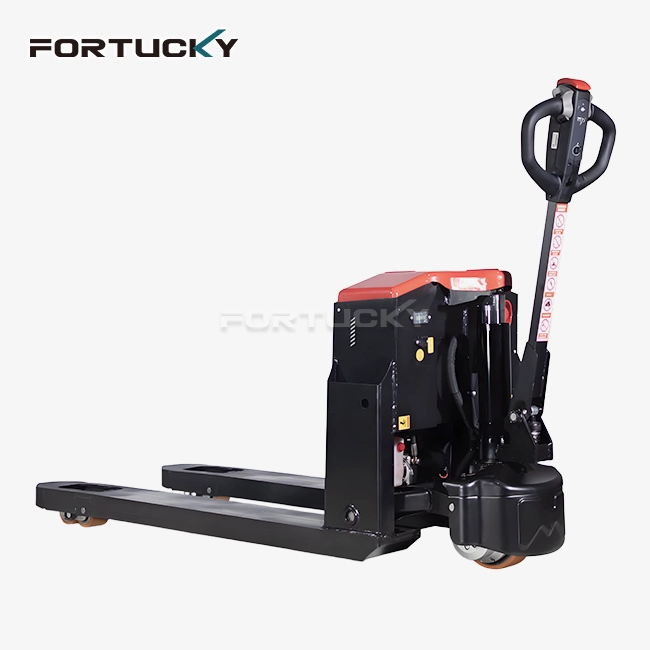
Electric pallet jacks make high-volume operations more productive by making it easier for workers to move loads over long distances or regularly handle big items. However, the initial investment is usually 300–400% higher than manual options, and the ongoing upkeep costs include servicing electrical parts and replacing batteries.
Comparison with Traditional Hand Jacks and Forklifts
Traditional hand jacks don't have a hydraulic lifting system, so workers have to place lifting points under boxes by hand and work hard to lift the load. Manual Hydraulic Pallet Truck systems get rid of this physical pain while still giving you the working freedom that bigger trucks can't.
To operate a forklift, you need qualified workers, a lot of money, and a place just for the truck with the right ceiling height and aisle width. Manual hydraulic systems work well in tight areas and don't need a lot of training for operators. This makes them perfect for businesses that want operating flexibility without having to make major changes to their infrastructure.
Operational Context Suitability
Because they are so flexible, manual hydraulic devices can be used in a wide range of working situations. The ability to quickly move between production lines and storage areas is helpful for factories, and stores use their quiet operation and small size to restock their shelves. Warehouses, like how precise they are in tight storage spaces and cold storage facilities, depend on how well they work in all kinds of temperatures.
Maintenance and Troubleshooting of Manual Hydraulic Pallet Trucks
Good repair plans have a direct effect on how long equipment lasts, how reliably it works, and the total cost of ownership. Facilities can get the most out of their equipment while reducing unplanned downtime by understanding the need for preventative maintenance and how to fix problems.
Preventive Maintenance Protocols
Regular checks of the hydraulic fluid are an important part of routine upkeep. Under normal working conditions, the fluid levels need to be checked every month and replaced every year. Clean hydraulic fluid keeps the cylinder running smoothly and stops damage to internal parts that could lead to expensive repairs.
Wheel and bearing care includes lubricating them on a regular basis with the right industrial lubricants and checking them at different times depending on how much they are used. Nylon wheels usually don't need to be serviced as often as polyurethane wheels, but both types last a long time if they are taken care of properly. The two wheels—80x68mm fork wheels and 180mm main wheels—distribute wear patterns well, which means that service gaps are longer.
Common Issues and Resolution Strategies
Problems with hydraulic systems show up in a number of clear ways that repair teams can carefully fix. Gradual load loss could mean that the seals are wearing out or the fluid is getting dirty, which means that the hydraulic cylinder needs to be inspected, and possibly parts need to be replaced. Complete lifting failure is often caused by low fluid levels or problems with the pump system that can be quickly and easily fixed by trained techs.
Problems with steering and movement are usually caused by worn wheel bearings or wheels that aren't lined up right. The standard design of two wheels gives you backup, so the system can still work even if one of the wheels needs repair. By checking wheel parts regularly, small problems can be stopped before they become big problems that stop operations.
Safety Inspection Protocols
Full safety checks make sure that safety rules are still being followed at work and keep workers safe from possible dangers. Once a month, the handle's stability, the hydraulic system's ability to hold pressure, and the state of the wheels should all be checked. To make sure that the anti-roll design features keep the goods stable during transport, they need to be checked on a regular basis.
Recording inspection activities gives useful maintenance information that helps figure out when to replace parts and find problems that keep happening, which could mean that operations need to be changed or maintenance procedures need to be improved.
 Procurement Guide for Manual Hydraulic Pallet Trucks
When making strategic buying choices, it's important to think about operational needs, vendor skills, and long-term support. When buying, teams know about these things, and they can choose technology that works well and helps the company reach its larger goals.
Capacity and Specification Matching
The choice of load capacity should be based on the highest loads that are expected, plus the necessary safety margins. Units weighing 2000 kg are good for light manufacturing and market uses, while units weighing 5000 kg to 10000 kg are better for heavy industry needs. To make sure the Manual Hydraulic Pallet Truck works with current warehouse equipment and pallet sizes, the truck's specs must match up perfectly.
The choice of nylon or polyurethane wheels relies on the condition of the floor and the needs of the work. On smooth concrete surfaces, nylon wheels last a long time, but polyurethane wheels protect floors better and make the machine quieter in places where noise is a problem.
Vendor Selection and Purchasing Strategies
Authorised dealers and makers offer important benefits in terms of guarantee coverage, availability of parts, and ability to provide expert help. When you buy in bulk, you can usually save a lot of money and make sure that all of your sites have the same tools. Lead times for normal setups are usually between two and four weeks, but delivery times for personalised units may be longer.
After-sales assistance is an important factor in choosing a provider. Full-service networks lower the risk of downtime and make sure that operational problems are fixed quickly. Long-term business success is directly linked to how well vendors can provide training, help with upkeep, and make spare parts available.
Integration and Deployment Considerations
For deployment to go smoothly, the buying, operations, and safety teams need to work together to make sure everything is done right. To get the most out of equipment while reducing safety risks, operator training programs should stress safe ways to use it, basic upkeep needs, and the right way to move heavy loads.
Trusted Brands and After-Sales Support
In the market for material handling tools, many makers offer different levels of quality, customer service, and value. By choosing suppliers with good reputations and track records, you can be sure that your tools will work well and get full help throughout their lifecycle.
Industry Leadership and Certification Standards
Leading makers show their dedication to quality through thorough testing procedures and approval programs. These standards make sure that the equipment works well and give buying teams faith in the investments they make. Following the rules for getting certified also makes it easier to meet the insurance and regulatory standards that many places have to meet.
Fortucky's Comprehensive Solution Portfolio
Fortucky is a major player in the global intelligent manufacturing sector. It has more than 1,000 customers in a wide range of businesses, such as pharmaceuticals, electronics, building tools, and food and beverages. Their knowledge covers a wide range of material handling solutions, but they're especially good at customising solutions and helping with quick rollout.
The company has many competing benefits, such as a large database of customer case studies, a dedicated research and development team, state-of-the-art factories that use 5G technology, and all the necessary industry certifications. Because of these skills, reliable product quality and quick customer service are made possible, meeting the complex needs of modern industry processes.
When it comes to its core services, Fortucky focuses on fast delivery, a lot of customisation choices, localised rollout support, and low costs that meet buying goals for the Manual Pallet Truck. Their global service network spans Asia, Europe, and the Americas, so they can provide consistent help no matter where their operations are located. This gives international companies that have to meet a wide range of facility needs peace of mind.
Conclusion
Manual Hydraulic Pallet Truck systems are flexible and affordable ways to move different kinds of materials in transportation, retail, and industrial settings. Because they are hydraulically efficient, easy to use, and reliable in terms of upkeep, they are important to modern warehouse operations. Organisations can choose equipment that meets their working goals and provides long-term value by understanding technical specs, maintenance needs, and buying factors. The key to a successful execution is making sure that the capabilities of the equipment meet the needs of the operation and that the seller provides enough assistance to ensure long-term performance throughout the equipment's lifecycle.
FAQ
Q1: What is the typical lifespan of a manual hydraulic pallet truck?
Manual hydraulic pallet trucks usually work well in standard industry settings for 8 to 12 years if they are properly maintained. Operational intensity, load traits, consistent upkeep, and environmental factors are some of the things that affect how long something lasts. Changing hydraulic fluid and inspecting parts on a regular basis greatly increases the life of machinery.
Q2: Can these trucks operate on uneven warehouse surfaces?
Moderate surface flaws don't affect the performance of manual hydraulic systems, but severe unevenness can make them less stable and harder for operators to manage. With a 30 mm ground clearance, it can work on most building floors, and the two wheels make it stable even when the surface is slightly uneven. When conditions are very bad, you might need special wheels or other tools.
Q3: How do I determine the appropriate load capacity for my application?
When choosing load capacity, you should think about the highest load you expect plus 20 to 25 per cent as a safety cushion. When you think about load concentration problems, you should also think about how much each box weighs. Higher capacity units that allow for operational freedom while still meeting safety standards in a variety of load cases are better for applications that use a variety of load types.
Partner With Fortucky for Your Manual Hydraulic Pallet Truck Needs
To get the most out of your material handling, you need to work with Manual Hydraulic Pallet Truck providers who have knowledge and understand the problems you face. Fortucky offers solutions that work better than expected by combining decades of experience in the field with a wide range of customisation options. Our global service network guarantees quick help, and our competitive price systems make procurement budgets go a long way. Get in touch with us at sales@fortuckyrobot.com to find out how our experience as a manual hydraulic pallet truck maker can help your business run more smoothly. By going to fortuckyrobot.com, you can see all of our products and ask for specs that are specifically made for your needs.
References
1. Industrial Material Handling Equipment Standards and Safety Guidelines, American Society of Mechanical Engineers, 2023.
2. Warehouse Operations and Equipment Selection Manual, International Association of Logistics Management, 2023.
3. Hydraulic Systems Design and Maintenance Protocols for Industrial Applications, Society of Manufacturing Engineers, 2022.
4. Cost-Benefit Analysis of Material Handling Equipment in Modern Warehousing, Journal of Industrial Engineering, 2023.
5. Safety Standards for Manual Material Handling Equipment in Industrial Environments, Occupational Safety and Health Administration Guidelines, 2023.
6. Comparative Study of Manual Versus Automated Material Handling Systems in Manufacturing Facilities, International Journal of Production Research, 2022.
Learn about our latest products and discounts through SMS or email