- English
- French
- German
- Portuguese
- Spanish
- Russian
- Japanese
- Korean
- Arabic
- Greek
- German
- Turkish
- Italian
- Danish
- Romanian
- Indonesian
- Czech
- Afrikaans
- Swedish
- Polish
- Basque
- Catalan
- Esperanto
- Hindi
- Lao
- Albanian
- Amharic
- Armenian
- Azerbaijani
- Belarusian
- Bengali
- Bosnian
- Bulgarian
- Cebuano
- Chichewa
- Corsican
- Croatian
- Dutch
- Estonian
- Filipino
- Finnish
- Frisian
- Galician
- Georgian
- Gujarati
- Haitian
- Hausa
- Hawaiian
- Hebrew
- Hmong
- Hungarian
- Icelandic
- Igbo
- Javanese
- Kannada
- Kazakh
- Khmer
- Kurdish
- Kyrgyz
- Latin
- Latvian
- Lithuanian
- Luxembou..
- Macedonian
- Malagasy
- Malay
- Malayalam
- Maltese
- Maori
- Marathi
- Mongolian
- Burmese
- Nepali
- Norwegian
- Pashto
- Persian
- Punjabi
- Serbian
- Sesotho
- Sinhala
- Slovak
- Slovenian
- Somali
- Samoan
- Scots Gaelic
- Shona
- Sindhi
- Sundanese
- Swahili
- Tajik
- Tamil
- Telugu
- Thai
- Ukrainian
- Urdu
- Uzbek
- Vietnamese
- Welsh
- Xhosa
- Yiddish
- Yoruba
- Zulu
How does a pallet truck work? Functions and construction
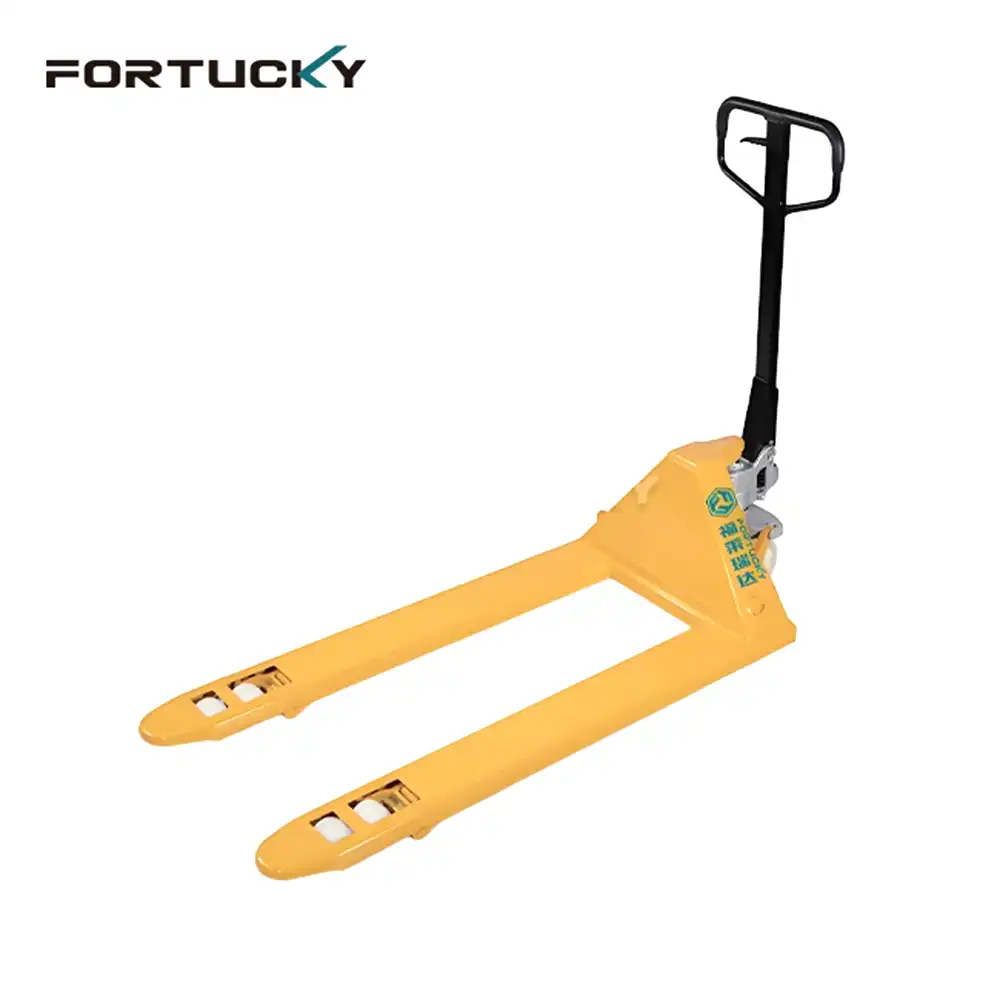
A pallet truck operates through a sophisticated yet straightforward hydraulic system that transforms manual effort into powerful lifting capability. The 2 Tons Manual Pallet Truck exemplifies this engineering excellence, utilizing a hand-operated pump mechanism to raise and lower loads up to 2,000 kilograms. When the operator pumps the handle, hydraulic fluid pressurizes within the system, elevating the forks beneath palletized goods. This mechanical advantage allows a single person to effortlessly move substantial loads across warehouse floors, making it an indispensable tool in modern logistics operations.
 Understanding the Core Functions of a 2-Ton Manual Pallet Truck
Material handling equipment has changed the way warehouses work, and manual pallet trucks are at the heart of this change. These flexible tools are the backbone of many logistics operations around the world, from large warehouses with lots of goods to small store stockrooms.
Hydraulic Lifting Mechanism
A pallet truck's hydraulic system is what makes it work. This clever system turns the pumping action of the user into a huge lifting force. When you pull on the handle, a piston inside the hydraulic cylinder moves, which builds up pressure that lifts the forks. The system keeps this pressure up, which keeps the load high until the user opens the release button.
Because of the hydraulic edge, workers can lift to 2 tons of weight with little physical effort. Pascal's principle says that a small force applied over a longer distance makes a much bigger force applied over a shorter distance. This idea is wonderfully shown by the 2 Tons Manual Pallet Truck, which can run smoothly even when carrying the heaviest loads.
Load Transportation and Mobility
When you raise the pallet truck, it turns into a mobile platform. The person running the machine can push or pull it across a variety of surfaces, from factory floors that are smooth to paths outside that are a little bumpy. The wheels are a big part of how the truck moves. Special load rollers are on the tips of the forks, and the handle end has wheels that can turn.
The form makes it easy to move and spreads the weight out, making it even. The load rollers hold up most of the weight of the things being moved, and the moving wheels let you go in any direction. When there are a lot of people in a building, this two-wheel system helps people get through tight spaces and make precise positioning moves.
Versatile Application Scenarios
Manual pallet trucks work well in a wide range of situations. These tools are used by supermarkets to restock and keep track of their supplies. They are used by warehouses to pick up orders, organize stock, and do cross-docking. They move raw materials and polished things around factories where they are used.
The 2 Tons Manual Pallet Truck works especially well in light-duty, short-distance jobs where power options might be too expensive or not realistic. Because it is operated by hand, there are no worries about battery life, charging infrastructure, or electrical upkeep. This makes it perfect for smaller businesses or backup situations.
Construction and Key Components of a 2-Ton Manual Pallet Truck
Procurement professionals can make better choices that meet their business needs and budget limits when they know more about how manual pallet trucks are put together. Each part is very important to how well the equipment works and how long it lasts.
Frame and Fork Assembly
Building a strong frame is the first step in making an effective box truck. High-quality units have steel frames that are all welded together, which makes them very strong and long-lasting. The fork assembly sticks out from this frame and is usually between 1510mm and 1610mm long. It fits normal box sizes and keeps the unit stable while it's being moved.
To get the right width and taper angles, careful engineering is needed to build a fork. The lowest fork height is usually 75 mm, which makes it easy to put under boxes. The highest fork heights are usually between 190 mm and 200 mm, which is enough lift for most tasks. With widths of 550mm and 685mm, you can fit different types of pallets, such as Euro pallets and normal shipping pallets.
Hydraulic System Components
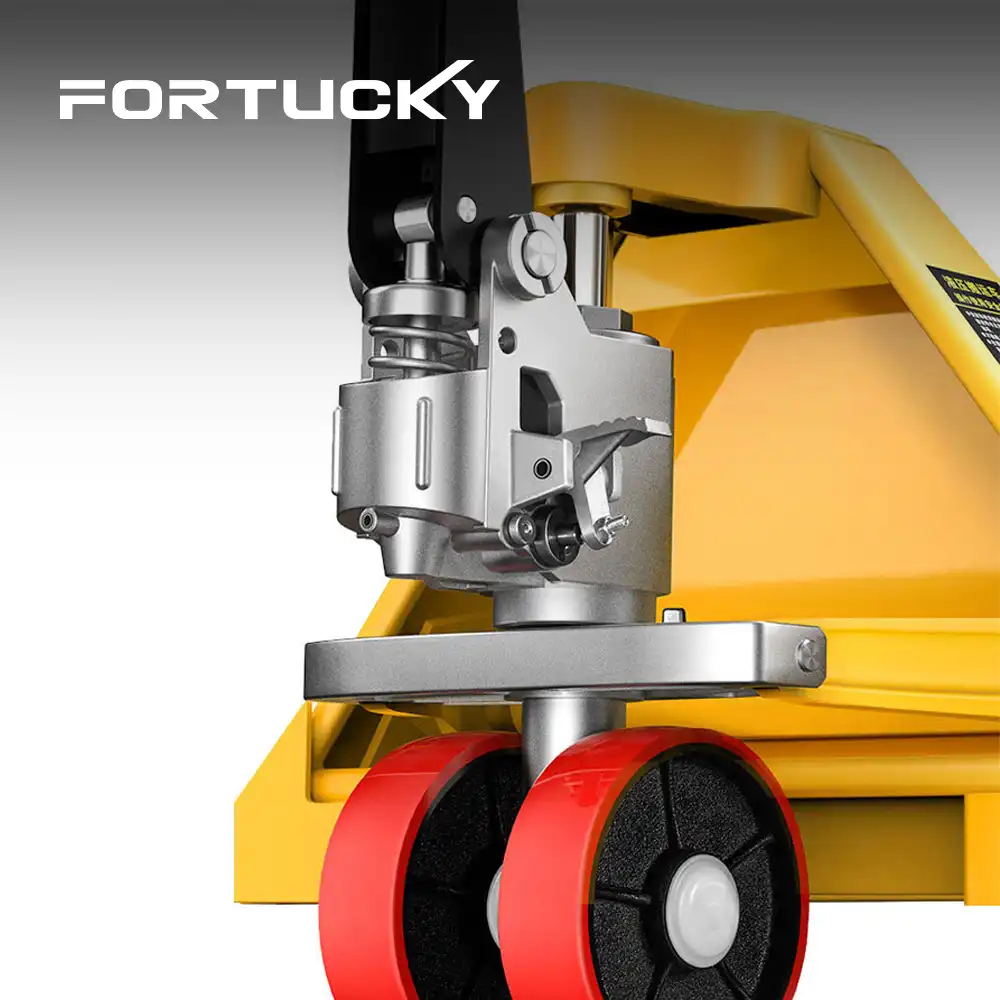
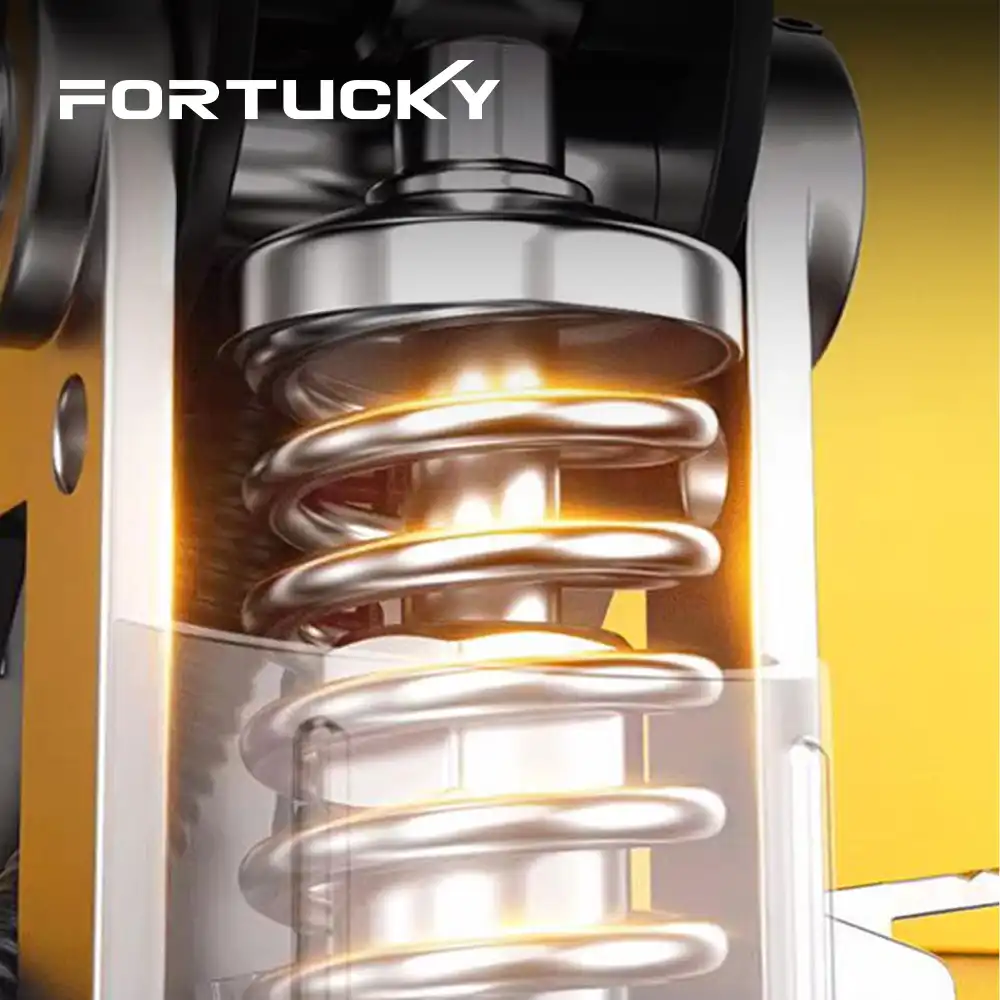
As far as manual pallet truck building goes, the hydraulic system is the most complex part. Overload protection valves are built into systems by good makers to keep them from breaking when users go over their limits. Precision-machined parts in the pump system make sure that it works smoothly and lasts a long time.
Specialized seals and gaskets keep hydraulic oil tanks from leaking even when temperatures change, and the system is under a lot of stress. The lift control handle has three clear positions: lift, neutral, and lower. This gives workers exact control over the load. This form makes it easier for people to use for long amounts of time without getting tired.
Wheel Systems and Mobility Features
The choice of wheels has a big effect on how well the vehicle works and how much care it needs. You can choose between polyurethane and nylon wheel setups for the 2-Ton Manual Pallet Truck. Each is best for a certain job. Polyurethane wheels protect floors better and make less noise, which makes them perfect for stores and other places that need to be quiet.
It is better for nylon wheels to be made through casting methods because they last longer and can hold more weight. These wheels work great in industrial settings where durability is more important than noise. The twin roller design at the tips of the forks spreads the weight out evenly, which makes it easier to move over rough ground.
Customization and Color Options
Modern buying needs to be flexible, and good makers answer by letting you make a lot of changes. Blue, yellow, and red are the standard colors, but you can ask for other colors to be made just for you. Different operating needs can be met by changing the dimensions. Extra-long, short, wide, or narrow configurations are all possible.
Customization includes changes that aren't just for looks. Customized fork lengths, handle heights, and wheel materials made just for that purpose ensure the best performance in specific settings. Because they are so flexible, hand pallet trucks can be used in a wide range of fields, from heavy manufacturing to medicine.
 2 Tons Manual Pallet Truck vs. Other Types: Choosing the Right Equipment
To choose the best material handling tools, you need to carefully look at your long-term strategy goals, operational needs, and budget. When you compare manual and other types of pallet trucks, you can see that each has its own pros and cons that affect your choice about which to buy.
Manual vs. Electric Pallet Trucks
In some work situations, manual pallet trucks are clearly the best option. Because they are so simple, they don't have any electrical parts that need to be fixed, charged, or replaced over time. The low cost of operation is maintained by regular upkeep tasks like changing the hydraulic fluid and replacing the wheels. The 2-Ton Manual Pallet Truck works great in places where there isn't a lot of electricity or where occasional use doesn't make electric options worth it.
In high-volume settings, electric pallet trucks make work go faster. They keep operators from getting tired and let things move faster over longer distances. However, they require a bigger initial investment, more ongoing upkeep, and a charging infrastructure that makes them less ideal for backup or smaller businesses.
Capacity Considerations: 2 Tons vs. Higher Capacity Units
The choice of load capacity affects both speed and the ability to change how things are run. Trucks that can carry two tons are the best combination of strength and speed. They can easily carry standard pallet loads while keeping their small size to make moving around easier in tight areas. This size is good for most warehouse and store uses without adding too much complexity. The 2-ton standard represents the sweet spot for most general applications.
Total Cost of Ownership Analysis
More and more, the total cost of ownership is being used to make purchasing decisions instead of the initial purchase price. In this study, manual pallet trucks show great value because they have low ongoing costs and last a long time. Maintaining something stays simple; it usually just needs to be oiled and checked every so often.
Because there are no electrical parts, there are no costs for replacing batteries, building charging facilities, or doing specialized electrical upkeep. Over the course of 10 to 15 years, these savings can be more than the difference in the initial purchase price between manual and electric options, especially in lower-volume settings.
Maintenance and Safety Guidelines for 2-Ton Manual Pallet Trucks
Following the right repair procedures will keep your workplace safe, make sure that your equipment works at its best, and extend its life. Systematic repair protects both the investments in tools and the continuity of operations.
Routine Inspection Procedures
Daily checks before use are the basis of maintenance plans that work. Operators should check for leaks in the hydraulic system, make sure the lifting and lowering features work, and check the state of the wheels. When you inspect a fork, you look for cracks, excessive wear, or damage that could make the load less stable.
The hydraulic pump needs extra care, and workers should record any strange noises, reluctance, or changes in how it works. The mechanisms in the handle should work smoothly in all settings and connect properly in every one of them. Any problems need to be fixed right away by skilled repair staff.
Hydraulic System Maintenance
Maintaining hydraulic fluid has a direct effect on how well and how long a system lasts. Checking the fluid amount on a regular basis keeps the pump from breaking and makes sure that it always works well. Fluid that is contaminated or has broken down should be changed according to the manufacturer's instructions, which is usually once a year or after a certain number of hours of use.
Checking the seals stops major failures that could cause loads to fall or damage to the equipment. When seals are worn, they leak or can't move as much, so they need to be replaced right away. To make sure proper fitting and system stability, seal replacement should only be done by trained support staff.
Safety Protocol Implementation
Full safety training lowers the chance of accidents and makes sure that safety rules are followed at work. Operators need to know the maximum load, the right way to lift, and what to do in an emergency. The 2-Ton Manual Pallet Truck incorporates safety features, including overload protection, but operator knowledge remains crucial for accident prevention.
Load stability principles say that operators need to know about the center of gravity and how to place loads correctly. Unbalanced loads can cause things to fall over or lose control, which could hurt someone or damage property. Regular safety refresher training keeps people aware of safety issues and emphasizes the right way to do things.
Pre-Use Checklist and Documentation
Systematic pre-use checklists make sure that safety is always checked and create records that can be used to plan upkeep. Checklist things that must be included are testing the hydraulics, checking the state of the wheels, and making sure the structure is solid. For the repair team to look over, operators should write down any problems.
This documentation helps with a lot of things, like keeping track of trends in the state of equipment, planning preventative repairs, and showing that safety rules were followed. Regularly going over the data from the plan helps find problems that keep happening, which could mean that parts need to be replaced or the way things are done needs to be changed.
 How to Source and Purchase Quality 2-Ton Manual Pallet Trucks?
When buying material handling equipment strategically, you need to carefully look at the providers, goods, and support services. The choosing process has a big effect on the total cost of ownership and the long-term success of operations.
Supplier Evaluation Criteria
Suppliers with a good reputation have a lot of knowledge in the field, a track record of success, and a wide range of support services. Look for makers that have been around for a while and have localized service networks that make sure you can get help and parts quickly. Quality certificates and meeting foreign standards are signs that a company is dedicated to making great products.
Customer recommendations can tell you a lot about how well a seller does their job, how reliable their products are, and how good their after-sales service is. Established providers are happy to give examples from businesses and applications that are similar to yours. This shows that they are confident in their solutions and the level of customer satisfaction they achieve.
Product Quality Assessment
As part of the quality review, building materials, manufacturing methods, and part specs are looked at. Precision hydraulic parts, high-grade steel construction, and long-lasting wheel systems all point to higher quality and longer service life. The 2-Ton Manual Pallet Truck should be made entirely of welds and have finishes that won't rust in industrial settings.
The terms of the warranty show that the maker believes in the quality of the product and protects you from problems or breakdowns that happen before they should. Manufacturers who offer full warranties that cover both parts and work show they care about their customers and the stability of their products.
Customization and Bulk Procurement Advantages
When you buy in bulk, you can often save a lot of money through big deals and the chance to make changes to the product. Large orders can allow for customized designs that meet specific operating needs, which boosts productivity and user happiness. Custom color schemes help with company branding and methods for keeping track of goods.
Negotiating a bulk buy deal, you might get better payment terms, longer warranties, or free training services. These perks that add worth help lower the total cost of ownership and make operations more efficient.
Logistics and Delivery Considerations
Logistics of delivery have an effect on project timelines and plans for operations. Suppliers that customers can trust keep enough stock on hand and offer a range of transport choices that meet customer needs. Express shipping makes it possible to respond quickly to urgent substitute needs or business growth.
Good packaging keeps equipment safe while it's being shipped and cuts down on installation delays. Professional sellers use the right packing materials and methods to keep items safe and reduce their impact on the earth by using materials that can be recycled.
Conclusion
Manual pallet trucks represent essential material handling solutions that combine mechanical simplicity with operational effectiveness. The 2 Tons Manual Pallet Truck exemplifies this balance, offering reliable performance across diverse applications while maintaining cost-effectiveness and ease of maintenance. Understanding their construction, operation, and selection criteria enables informed procurement decisions that enhance operational efficiency. With proper maintenance and safety protocols, these versatile machines deliver years of dependable service, making them invaluable investments for modern logistics operations.
FAQ
Q1: What is the maximum load capacity of a standard manual pallet truck?
Most standard manual pallet trucks, including the 2-Ton Manual Pallet Truck, safely handle loads up to 2,000 kilograms (4,400 pounds). This capacity suits the majority of warehouse and retail applications while maintaining optimal maneuverability and operator control.
Q2: How often should hydraulic fluid be changed in manual pallet trucks?
Hydraulic fluid replacement typically occurs annually or after 1,000-2,000 operating hours, depending on usage intensity and environmental conditions. Regular fluid analysis can determine optimal change intervals based on contamination levels and fluid degradation.
Q3: Can manual pallet trucks operate on outdoor surfaces?
Yes, manual pallet trucks can operate on outdoor pavements and moderately uneven surfaces. Wheel selection impacts outdoor performance, with nylon wheels providing superior durability for rough surfaces while polyurethane wheels excel on smooth indoor floors.
Q4: What safety training is required for pallet truck operators?
While no special licensing is required, operators should receive basic safety training covering load limits, proper lifting techniques, stability principles, and emergency procedures. Regular refresher training maintains safety awareness and reduces accident risks.
Q5: Are customization options available for specific industry requirements?
Extensive customization options include dimensional modifications (extra-long, short, wide, or narrow configurations), color selections, and specialized wheel compounds. Custom solutions can be developed based on specific operational requirements or industry standards.
Partner with Fortucky for Your Material Handling Solutions
Choosing the right pallet truck supplier can transform your operational efficiency and long-term success. Fortucky stands as a trusted 2 Tons Manual Pallet Truck supplier with over 1,000 satisfied customers worldwide, including Fortune 500 companies like Mercedes-Benz, BMW, and Huawei. Our comprehensive customization capabilities, from color selection to dimensional modifications, ensure your equipment perfectly matches your operational requirements. With our 5G-enabled intelligent production facilities and global service network spanning Asia, Europe, and the Americas, we deliver exceptional quality and support that exceeds industry standards. Contact our expert team at sales@fortuckyrobot.com to discuss your specific needs and receive a customized quote that maximizes your operational efficiency and ROI.
References
1. Industrial Safety & Hygiene News. "Manual Material Handling Equipment Standards and Best Practices." Occupational Safety Guidelines, 2023.
2. Materials Handling Institute. "Pallet Jack Selection and Maintenance Guidelines for Industrial Applications." MHI Technical Standards, 2022.
3. International Organization for Standardization. "Industrial Trucks - Safety Requirements and Verification." ISO 3691 Standards Documentation, 2023.
4. Warehouse Management Systems Journal. "Hydraulic System Design and Maintenance in Material Handling Equipment." Technical Engineering Review, 2022.
5. American Society of Mechanical Engineers. "Load Handling Device Construction and Testing Protocols." ASME Material Handling Standards, 2023.
6. European Materials Handling Federation. "Manual Pallet Truck Performance Specifications and Testing Methods." EMHF Technical Publication, 2022.

Learn about our latest products and discounts through SMS or email