- English
- French
- German
- Portuguese
- Spanish
- Russian
- Japanese
- Korean
- Arabic
- Greek
- German
- Turkish
- Italian
- Danish
- Romanian
- Indonesian
- Czech
- Afrikaans
- Swedish
- Polish
- Basque
- Catalan
- Esperanto
- Hindi
- Lao
- Albanian
- Amharic
- Armenian
- Azerbaijani
- Belarusian
- Bengali
- Bosnian
- Bulgarian
- Cebuano
- Chichewa
- Corsican
- Croatian
- Dutch
- Estonian
- Filipino
- Finnish
- Frisian
- Galician
- Georgian
- Gujarati
- Haitian
- Hausa
- Hawaiian
- Hebrew
- Hmong
- Hungarian
- Icelandic
- Igbo
- Javanese
- Kannada
- Kazakh
- Khmer
- Kurdish
- Kyrgyz
- Latin
- Latvian
- Lithuanian
- Luxembou..
- Macedonian
- Malagasy
- Malay
- Malayalam
- Maltese
- Maori
- Marathi
- Mongolian
- Burmese
- Nepali
- Norwegian
- Pashto
- Persian
- Punjabi
- Serbian
- Sesotho
- Sinhala
- Slovak
- Slovenian
- Somali
- Samoan
- Scots Gaelic
- Shona
- Sindhi
- Sundanese
- Swahili
- Tajik
- Tamil
- Telugu
- Thai
- Ukrainian
- Urdu
- Uzbek
- Vietnamese
- Welsh
- Xhosa
- Yiddish
- Yoruba
- Zulu
The Best Lift Table Options for Efficient Material Handling
When businesses want to find the best ways to move materials, they need equipment that is accurate, quick, and reliable. By integrating weighing functions directly into lifting devices, the Lift Table With Scale offers a completely new approach to warehouse and factory operations. This in-depth guide examines the best options on the market to help procurement professionals make smart choices that boost productivity while reducing operational complexity. Modern systems that combine lifting and weighing eliminate the need for separate weighing stations, streamlining workflows and significantly improving accuracy in material handling across many industrial settings.
 Understanding Lift Tables with Scale – A Modern Solution for Material Handling
Lift tables with integrated scales represent a cutting-edge solution in material handling, combining precise weighing capabilities with efficient lifting mechanisms. These innovative devices have transformed how businesses approach material handling by removing the traditional separation between lifting and weighing operations.
The Evolution of Integrated Lifting and Weighing Systems
Lift table with scale technology solves a major problem that warehouses and factories face today: the need to lift and weigh items simultaneously without losing accuracy or speed. In the past, separate weighing stations caused delays and increased the risk of errors during material transfers. These advanced systems typically handle weighing capacities between 500 kg and 2000 kg, with reading accuracies of 200 to 1000 grams. High-quality components designed for industrial use ensure that both lifting and weighing functions remain accurate even in tough working conditions.
Key Components and Functionality
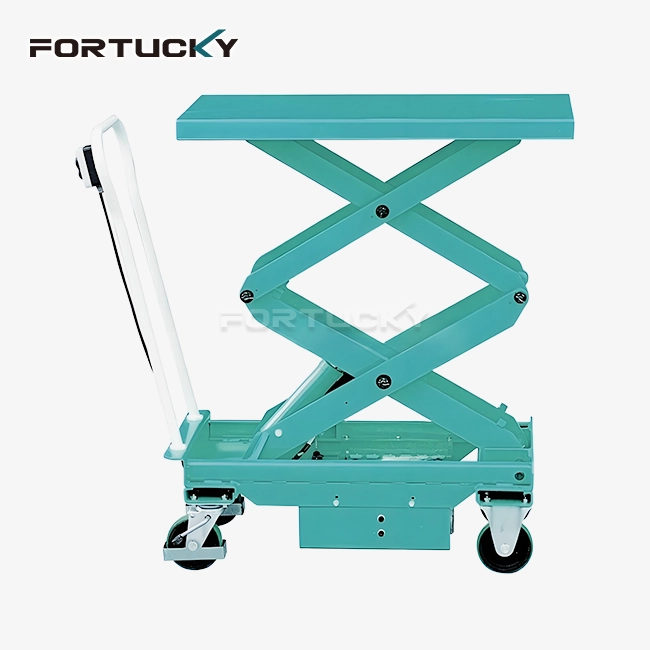
Today’s integrated lift tables feature several important components that work together seamlessly. Platform dimensions of 1300 x 800 mm provide ample space for various load types, and a 750W motor ensures reliable performance across a range of operating situations. The 820 mm lifting range and 260 mm minimum height offer great flexibility for different workstation arrangements. Standard 380V and optional 230V power configurations allow compatibility with a wide range of facility electrical systems.
Applications Across Industries
These flexible methods work well in a number of different fields. In the car industry, they work with heavy parts and keep accurate records of their weight. The precise weighing of fragile parts is helpful in the production of electronics, and quality control processes in the medicine industry depend on it. Because they are space-efficient, they don't need specific floor scale areas. This makes them very useful in places where saving space is very important. Because of this benefit, Lift Table With Scale, they are becoming more and more popular in small stores and factories that are small.
Comparing Lift Tables with Scale – Making an Informed Purchase Decision
Choosing between lift tables with integrated scales and standard lift tables involves analysing functionality, cost-efficiency, and performance metrics that directly impact operational success.
Integrated vs. Separate Systems Analysis
Lift table with scale units are more efficient than separate lifting and weighing systems. The integrated approach reduces material handling time by up to 40% and improves accuracy by eliminating transfer-related errors. A cost analysis shows that integrated systems have a lower total cost of ownership than separate systems, even though the initial investment may be higher, due to reduced labour requirements and higher throughput. Maintenance costs are typically lower as well, since businesses only handle one system instead of several separate units.
Critical Performance Features
When comparing models, load capacity is one of the most important factors to consider. Most industrial applications can be handled by systems with capacities between 300 kg and 1000 kg, but some needs may require higher-capacity units. Overload protection, emergency stops, and CE compliance are among the safety features that ensure safe operation and regulatory adherence. The strong yet lightweight design philosophy makes the equipment easy to move while maintaining structural integrity under full load.
Technology Integration Capabilities
Modern units feature electric drive systems that make them easy to manoeuvre, even when fully loaded. Powerful hydraulic pumps combined with high-capacity batteries enable reliable one-key lifting and lowering operations that maintain consistent performance over long periods. The electrical systems are designed to integrate seamlessly with existing warehouse management systems, allowing real-time data collection and analysis. This connectivity supports broader digital transformation plans and Industry 4.0 implementation.
How to Choose the Best Lift Table with Scale for Your Business
Effective procurement of lift tables with scales begins by clearly defining your material handling load types, weighing accuracy requirements, and operational frequency to ensure optimal equipment selection.
Defining Operational Requirements
Understanding your specific operational needs, Lift Table With Scale forms the foundation of successful equipment selection. Load characteristics, including weight distribution, frequency of use, and accuracy requirements, directly influence the appropriate system specifications. Environmental factors such as temperature variations, humidity levels, and potential exposure to chemicals or dust also affect equipment selection. Industrial-grade steel construction provides robust structure and reliability in challenging operational environments.
Supplier Evaluation Criteria
Supplier reliability matters significantly when investing in lift table with scale technology. Authorised dealers offering comprehensive warranties and responsive service support add substantial value to the procurement decision. Evaluation should include the supplier’s track record, technical expertise, and ability to provide ongoing support. Companies with extensive customer bases and proven implementation experience typically offer more reliable partnerships.
Customization and Service Considerations
Customisation capabilities enable equipment adaptation to specific operational requirements. Professional installation services ensure proper setup and calibration, while training programmes help operators maximise system benefits safely and efficiently. Comprehensive service packages, including preventive maintenance, calibration services, and technical support, contribute to long-term operational success. These services help maintain accuracy and extend equipment lifespan while minimising unexpected downtime.
 Maintenance and Troubleshooting – Ensuring Long-Term Performance
Proper maintenance is critical to sustaining accuracy and extending the lifespan of lift tables with scales, requiring systematic approaches to both preventive care and corrective actions.
Preventive Maintenance Protocols
Regular maintenance schedules help preserve both lifting and weighing accuracy over extended operational periods. Cleaning procedures should address both mechanical components and scale elements to prevent accuracy degradation from accumulated debris or contamination. Mechanical component inspection includes checking hydraulic systems, electrical connections, and structural elements. Scale calibration should occur at predetermined intervals or following any significant impact or environmental change that might affect accuracy.
Common Issues and Solutions
Calibration drift is the most frequent concern with integrated weighing systems. Environmental changes, mechanical wear, or electrical fluctuations can affect weighing accuracy, requiring systematic recalibration procedures. Mechanical issues may include hydraulic system problems, electrical malfunctions, or structural concerns. Lift table with scale systems benefit from diagnostic capabilities that help identify issues quickly, enabling prompt resolution and minimising operational disruption.
Professional Service Benefits
Engaging professional service teams ensures compliance with industry standards and maintains optimal functionality. Trained technicians possess the expertise to address complex issues that internal maintenance teams might find challenging. Professional service also provides access to genuine replacement parts and software updates, Lift Table With Scale that enhance performance and extend equipment life. Regular professional inspections help identify potential issues before they cause operational problems.
Safety and Compliance in Using Lift Tables with Scale
Safety is paramount when operating lift tables with integrated scales, requiring comprehensive attention to both equipment features and operational procedures to ensure worker protection and regulatory compliance.
Essential Safety Features
Modern integrated systems incorporate multiple safety mechanisms designed to protect operators and equipment. Overload protection prevents damage from excessive loads, while emergency stops provide immediate response capabilities during unexpected situations. Safety guardrails and warning systems alert operators to potential hazards, and automatic shutdown features activate when unsafe conditions are detected. CE compliance ensures adherence to international safety standards and regulatory requirements.
Training and Certification Programs
Training programmes for operators should cover both lifting and weighing tasks, providing a complete understanding of the entire system’s capabilities. Certification methods ensure operator qualification and accountability for safe equipment use. Routine tasks, emergency procedures, and basic troubleshooting should all be covered in training. Regular refresher training helps maintain safety awareness and introduces new features or processes as systems evolve.
Documentation and Audit Requirements
Safety documentation includes operational methods, maintenance records, and incident reports that demonstrate regulatory compliance. Regular safety audits help identify improvement opportunities and ensure that safety standards remain current. Compliance records support government inspections and provide valuable information for continuous improvement efforts. Proper documentation also assists with insurance requirements and protects the business from liability.
Conclusion
The Lift Table With Scale is a big step forward in the ease of moving things around. It combines lifting and weighing into a single, streamlined process. These integrated systems have a lot of benefits, such as better accuracy, faster workflow, and better use of the room, all of which have a direct effect on operational productivity. The detailed evaluation criteria explained in this guide help procurement professionals make smart choices based on operational needs, supplier skills, and long-term value factors. To be successful with these systems, you need to choose the right one, have it professionally installed, get full training on how to use it, Lift Table With Scale, and get ongoing maintenance help to make sure it keeps working well and meets safety standards.
FAQ
1. What are the main advantages of integrated lift tables with scales?
Integrated systems offer several key benefits, including streamlined workflows that combine lifting and weighing operations, improved accuracy through the elimination of transfer errors, and space optimisation by removing the need for separate weighing stations. These advantages typically result in a 30–40% improvement in operational efficiency.
2. How do I determine the right capacity for my application?
Capacity selection should consider maximum load weights, frequency of use, and safety margins. Systems typically range from 300 kg to 2000 kg capacity. Evaluate your heaviest regular loads and add appropriate safety margins while considering future operational growth requirements.
3. What maintenance is required for lift tables with integrated scales?
Regular maintenance includes cleaning both mechanical and scale components, periodic calibration verification, hydraulic system inspection, and electrical connection checks. Professional calibration should occur quarterly or after any significant impact, while daily visual inspections help identify potential issues early.
4. Are these systems compatible with existing warehouse management systems?
Modern lift table with scale units feature connectivity options that enable integration with warehouse management systems, ERP platforms, and other digital infrastructure. This integration supports real-time data collection and automated record-keeping for improved operational visibility.
5. What safety certifications should I look for?
Essential certifications include CE marking for European compliance, ISO standards for quality management, and OSHA compliance for workplace safety. Additional certifications may be required based on specific industry regulations, such as FDA requirements for pharmaceutical or food processing applications.
Partner with Fortucky for Advanced Material Handling Solutions
Businesses seeking reliable Lift Table With Scale suppliers can benefit from Fortucky's extensive experience serving over 1,000 global customers across multiple industries. Our comprehensive portfolio combines advanced technology with proven reliability, backed by localized service networks spanning Asia, Europe, and the Americas. The competitive advantages include deep customization capabilities, fast delivery, and cost-effective solutions tailored to specific operational requirements. Contact our expert team at sales@fortuckyrobot.com to discuss your material handling automation needs and discover how our innovative lift table solutions can transform your operational efficiency while ensuring compliance with international quality standards.
References
1. Industrial Material Handling Equipment Standards and Safety Guidelines, American National Standards Institute, 2023.
2. Integrated Weighing Systems in Manufacturing: Efficiency and Accuracy Analysis, Journal of Industrial Engineering Research, Volume 45, 2023.
3. Workplace Ergonomics and Material Handling Equipment Design Principles, Occupational Safety and Health Administration Technical Manual, 2023.
4. Digital Transformation in Warehouse Operations: Technology Integration Best Practices, International Journal of Logistics Management, 2023.
5. Load Handling Equipment Maintenance and Calibration Procedures for Industrial Applications, Institute of Mechanical Engineers Guidelines, 2023.
6. Safety Standards for Lifting Equipment in Industrial Environments: Compliance and Implementation, European Committee for Standardization Technical Report, 2023.
Learn about our latest products and discounts through SMS or email