- English
- French
- German
- Portuguese
- Spanish
- Russian
- Japanese
- Korean
- Arabic
- Greek
- German
- Turkish
- Italian
- Danish
- Romanian
- Indonesian
- Czech
- Afrikaans
- Swedish
- Polish
- Basque
- Catalan
- Esperanto
- Hindi
- Lao
- Albanian
- Amharic
- Armenian
- Azerbaijani
- Belarusian
- Bengali
- Bosnian
- Bulgarian
- Cebuano
- Chichewa
- Corsican
- Croatian
- Dutch
- Estonian
- Filipino
- Finnish
- Frisian
- Galician
- Georgian
- Gujarati
- Haitian
- Hausa
- Hawaiian
- Hebrew
- Hmong
- Hungarian
- Icelandic
- Igbo
- Javanese
- Kannada
- Kazakh
- Khmer
- Kurdish
- Kyrgyz
- Latin
- Latvian
- Lithuanian
- Luxembou..
- Macedonian
- Malagasy
- Malay
- Malayalam
- Maltese
- Maori
- Marathi
- Mongolian
- Burmese
- Nepali
- Norwegian
- Pashto
- Persian
- Punjabi
- Serbian
- Sesotho
- Sinhala
- Slovak
- Slovenian
- Somali
- Samoan
- Scots Gaelic
- Shona
- Sindhi
- Sundanese
- Swahili
- Tajik
- Tamil
- Telugu
- Thai
- Ukrainian
- Urdu
- Uzbek
- Vietnamese
- Welsh
- Xhosa
- Yiddish
- Yoruba
- Zulu
Everything about hand pallet trucks
Most modern material handling operations depend on hand pallet trucks, high lift hand pallet trucks, which are essential tools in the logistics, manufacturing, and warehousing industries. These flexible machines make it easy to move palletised goods quickly and safely while reducing manual labour. Among the various types available, the high-lift hand pallet truck stands out as a unique option capable of both horizontal and vertical movement. While standard pallet jacks can only lift basic loads, high-lift models raise loads to comfortable working heights, typically between 800mm and 1000mm. This feature solves key operational challenges in areas such as assembly lines, order picking, and material positioning, where workers need easy access to items without repeatedly bending or stretching.
 What Is a High-Lift Hand Pallet Truck and How Does It Work?
Understanding the Core Components and Mechanisms
A high-lift hand pallet truck combines complex hydraulic systems with robust mechanical parts to deliver optimal material handling performance. The device features a flexible hydraulic cylinder that powers the scissor-lift mechanism, allowing palletised loads to be raised to set heights in a controlled manner. Strong springs are integrated into the structure to provide long-lasting flexibility and reliable performance under tough conditions. Rubber handles improve operator grip during extended use and reduce friction. The one-piece cylinder construction ensures solid performance and minimises potential failure points that could affect operational reliability. Cast steel pressure feet are non-slip, ensuring stability when moving heavy items across different floor types. The anti-roll design prevents goods from tilting during lifting, and the standard two-wheel design makes manoeuvring over various terrains easier with less effort.
Technical Specifications and Load Capacities
Contemporary high-lift hand pallet trucks can handle a wide range of loads, with capacities from 2000 kg to 10,000 kg. Standard versions typically manage loads of 2000 kg, 2500 kg, 3000 kg, and 5000 kg. For specialised applications, heavy-duty variants can handle up to 10,000 kg. Standard configurations allow a lifting height of up to 200 mm, with overall lengths of 1480 mm and 1580 mm available to accommodate different pallet sizes and workspace constraints. Fork lengths of 1100 mm and 1200 mm are offered, along with widths of 550 mm and 685 mm to meet standard and wide-load requirements. The large wheel has a width of 180 mm, and the fork's two wheels measure 80 x 68 mm to ensure even load distribution. Wheelbase centre ground clearance remains at 30 mm to guarantee smooth operation over minor floor imperfections and debris common in industrial settings.
Wheel Selection and Customisation Options
Equipment customisation plays a crucial role in optimising performance for specific operational environments. Wheel selection between nylon and polyurethane depends on floor conditions, load characteristics, and noise requirements. Nylon wheels provide durability and cost-effectiveness for general applications, while polyurethane wheels offer superior floor protection and reduced rolling resistance in sensitive environments such as clean rooms or retail spaces.
Comparing High Lift Hand Pallet Trucks with Other Material Handling Equipment
Manual Versus Electric Variants Analysis
When choosing between manual and electric high lift hand pallet truck types, you need to carefully think about how often you will be using them, how heavy the loads are, and your budget. Manual versions are better for applications that will only be used occasionally, need less original investment, and are easier to maintain. These units move horizontally and lift vertically, a high-lift manual pallet jack, using the force of the operator. This makes them good for moving lighter loads over shorter distances. Electric versions have battery-powered drive systems that keep operators from getting tired while increasing productivity in high-volume operations. The ability to use power assistance makes it possible to move heavy loads over long distances without putting the operator's health at risk. But electric models need charging stations, batteries that need to be replaced every so often, and more complicated upkeep plans than manual models.
Comparison with Alternative Material Handling Solutions
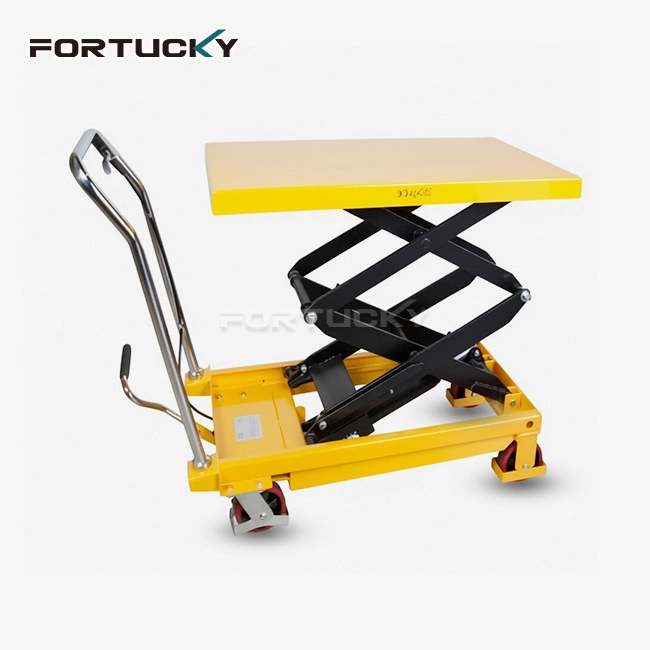
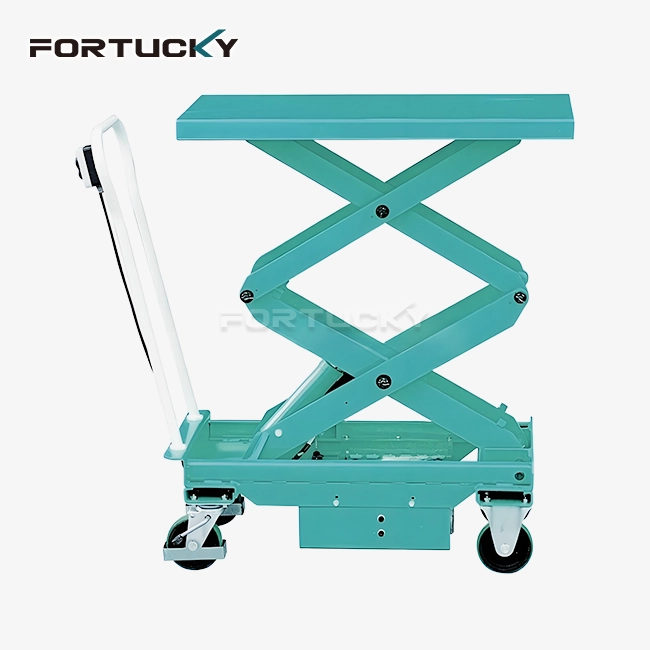
Compared to scissor lift tables, high-lift hand pallet trucks offer greater mobility and a smaller footprint. Scissor tables provide stable platforms for extended work but cannot be moved easily, which is necessary for dynamic warehouse operations. Forklifts can lift higher and carry heavier loads but need wide aisles, certified operators, and significant capital investment. The high-lift hand pallet truck occupies a unique position by enabling both transport and ergonomic load positioning. This dual-purpose design eliminates the need for multiple equipment types and lowers the total cost of ownership. Its compact footprint allows operation in tight spaces and narrow aisles where larger machines cannot perform effectively.
Specialised Features and Heavy-Duty Applications
Heavy-duty models use reinforced chassis, improved hydraulic systems, and higher-quality components to withstand harsh industrial environments. Adjustable fork widths accommodate non-standard pallet layouts, and special wheel compounds resist chemical exposure in food and pharmaceutical processing facilities. These advanced features directly influence purchasing decisions by extending equipment lifespan, reducing maintenance needs, and increasing versatility across various applications. They also enhance fleet flexibility, helping companies that handle diverse products while reducing training requirements.
 Maintenance, Safety, and Best Practices for High Lift Hand Pallet Trucks
Essential Safety Protocols and Operator Training
Safe operation of high-lift hand pallet trucks requires comprehensive operator training covering load limits, stability principles, and proper handling techniques. Workers must understand the relationship between load height and stability, recognising that elevated loads shift the centre of gravity and require extra caution during movement. The automatic stabiliser system engages when forks exceed approximately 400 mm in elevation, transforming the mobile unit into a stationary work platform to prevent tipping incidents. Proper load distribution ensures optimal performance and prevents structural damage to both equipment and cargo. Operators should verify that loads remain centred on fork surfaces and avoid side-loading that could compromise stability. Regular inspection of hydraulic fluid levels, seal integrity, and structural components helps identify potential issues before they lead to equipment failure or safety incidents.
Routine Maintenance Schedules and Troubleshooting
Preventive maintenance protocols extend equipment lifespan while minimising unexpected downtime that disrupts operations. Weekly inspections should include checking hydraulic fluid levels (using ISO VG32 specification fluid), examining fork surfaces for damage or excessive wear, and testing steering mechanisms for smooth operation. Monthly procedures involve comprehensive checks of wheel condition, bearing lubrication, and cylinder seal performance. The most common operational issue is air entrapment in hydraulic systems, which manifests as reduced lifting height or spongy pump action. Purging air from the system typically resolves these symptoms and restores full functionality. Operators should also monitor for fluid leaks around wiper seals, as these indicate potential seal replacement needs that could lead to complete hydraulic failure if left unaddressed.
Compliance with Workplace Safety Standards
Modern high-lift hand pallet truck designs meet ISO 3691-5 safety standards, high-lift manual pallet jacks for industrial trucks that can be controlled by people on foot. This makes sure that the trucks work the same way in all places around the world. These standards cover things like structural integrity, rules for stability, and safety measures for operators that keep injuries at work to a minimum. Regular compliance checks make sure that safety rules are still being followed and find ways to make operational procedures better. Maintaining records of repair activities, operator training, and incident reports helps businesses follow the rules and gives them useful information for making decisions about how to improve their equipment. This organised method helps purchasing managers and safety officers make smart decisions about replacing equipment, growing the fleet, and changing training programs.
How to Choose and Procure the Best High Lift Hand Pallet Truck for Your Business
Defining Requirements Based on Operational Parameters
Successful procurement begins with careful analysis of practical needs, including load weights, lifting frequencies, travel distances, and environmental conditions. Companies should evaluate both peak and average load capacities to determine appropriate equipment specifications without over-engineering solutions that unnecessarily increase costs. Usage frequency analysis helps determine whether manual or electric models are better, considering energy costs, operator fatigue, and productivity goals. Floor conditions, temperature ranges, and chemical exposure influence material selection for wheels, seals, and structural parts. Cold storage requires specialised materials that remain flexible at low temperatures, while food processing demands stainless steel construction to meet health and safety standards. These factors directly affect equipment longevity and total cost of ownership.
Brand Comparison and Performance Evaluation
Leading brands such as Toyota, Crown, Hyster, and Yale offer distinct advantages in build quality, service networks, and technological innovation. Toyota emphasises reliability and fuel efficiency in its electric models, while Crown focuses on ergonomic design and operator comfort features. Yale provides extensive customisation options for unique needs, and Hyster specialises in heavy-duty applications requiring exceptional durability. Performance evaluation should include load test results, cycle time comparisons, and long-term reliability data from users of similar equipment. Service network availability affects maintenance costs and equipment uptime, making local support capability an important purchasing factor. Total cost of ownership extends beyond the initial purchase price, encompassing warranty coverage, parts availability, and technical response times.
Budget Considerations and Procurement Strategies
New equipment purchases provide the latest technology features, full warranty protection, and a known service history, making them suitable for mission-critical applications. Used equipment offers reduced capital investment but requires careful inspection of wear components, maintenance records, and remaining service life estimates. Rental programs enable temporary capacity increases during peak periods or allow evaluation of equipment performance before purchase decisions. Bulk purchasing arrangements often yield significant cost savings while ensuring fleet uniformity that simplifies training and maintenance. Volume discounts, extended warranty terms, and comprehensive service packages add value beyond unit price reductions. These strategic procurement approaches help organisations optimise material handling capabilities while maintaining budget discipline and operational flexibility.
 Top Trends and Innovations in High Lift Hand Pallet Trucks for 2026
Emerging Technologies and Smart Features
The material handling industry is continuously evolving with new technologies that enhance safety, efficiency, and visibility. Modern high-lift hand pallet trucks incorporate smart sensors that monitor load weights, battery status, and maintenance needs in real time. These sensors alert operators to equipment issues immediately and send data to fleet management systems for optimisation. Improved battery technologies enable electric drive systems to run longer between charges while consuming less energy. Traditional lead-acid batteries are being replaced by lithium-ion batteries, which offer faster charging, longer lifespan, and lower maintenance. These technological advances support sustainability efforts and increase operational flexibility by improving equipment availability.
Labour Optimisation and Energy Efficiency
Power-assisted functions and advanced mechanical features make it easier for operators to do their jobs without getting tired. Controls for variable speed allow for exact positioning during delicate tasks, and automatic load sensing changes the power delivery to get the most out of the battery. These new technologies directly address the problem of a lack of workers by letting current workers handle more work without lowering safety or quality standards. Energy efficiency improvements go beyond high-lift hand pallet truck battery technology and include regenerative systems that collect energy while operations are slowing down. LED lighting systems make things more visible while using very little power, and intelligent charging systems use controlled charging patterns to get the most out of battery life. These improvements in efficiency lower running costs and help companies reach their sustainability goals, which are becoming more and more important to people who make procurement decisions.
Market Adaptation and Future-Proofing Strategies
Forward-thinking manufacturers adapt to changing market demands using flexible design approaches that allow equipment upgrades without complete replacement. Software updates bring new features to older units, and standardised interfaces facilitate integration with robotics and warehouse management systems. This adaptability helps businesses protect equipment investments while keeping pace with technological changes as needs evolve. The shift toward integrated supply chain solutions is driving the development of equipment that works seamlessly with automated storage systems, conveyor networks, and robotic work cells. This system connectivity becomes increasingly valuable as companies pursue digital transformation and Industry 4.0 implementation strategies.
Conclusion
Hand pallet trucks remain essential for efficient material handling across diverse workplace environments. High-lift versions offer additional ergonomic benefits and operational flexibility. With a wide range of specifications, customisation options, and emerging technologies, businesses can find optimal solutions for their needs while maintaining cost control and operational efficiency. Sound procurement decisions require careful balancing of load capacities, environmental factors, budget constraints, service support needs, and long-term operational goals. As technology continues to advance, these essential material handling tools will gain even more sophisticated features that enhance safety, efficiency, and system integration—helping meet the evolving demands of modern manufacturing and logistics operations.
FAQ
1. What is the maximum weight capacity available for high-lift hand pallet trucks?
High-lift hand pallet trucks accommodate load capacities ranging from 2000 kg to 10,000 kg. Standard configurations typically handle 2000 kg, 2500 kg, 3000 kg, and 5000 kg loads. Heavy-duty variants extend capabilities up to 10,000 kg for specialised industrial applications requiring maximum load handling.
2. Can high-lift hand pallet trucks operate effectively on uneven surfaces?
These trucks perform optimally on smooth, level surfaces but can handle minor floor irregularities due to their 30 mm wheelbase centre ground clearance. However, uneven surfaces may affect stability during lifting operations and should be avoided when handling elevated loads to prevent safety incidents.
3. How often should maintenance be performed on hydraulic systems?
Weekly inspections should verify hydraulic fluid levels and check for visible leaks, while monthly maintenance includes comprehensive system testing and fluid quality assessment. Annual professional servicing ensures optimal performance and identifies potential issues before they compromise equipment reliability.
4. What is the difference between nylon and polyurethane wheels?
Nylon wheels provide durability and cost-effectiveness for general applications, with excellent chemical resistance. Polyurethane wheels offer superior floor protection, reduced rolling resistance, and quieter operation, making them ideal for sensitive environments such as retail spaces or clean room facilities.
5. Do high-lift hand pallet trucks require special operator certification?
Most jurisdictions require basic operator training covering safety protocols, load limits, and proper handling techniques, but do not mandate formal certification as forklifts do. Organisations should implement comprehensive training programs to ensure safe operation and regulatory compliance.
Partner with Fortucky for Advanced Material Handling Solutions
Discover how Fortucky's comprehensive portfolio of material handling equipment can transform your operational efficiency through our advanced high lift hand pallet truck solutions and automated warehousing systems. Our experienced engineering team collaborates with Fortune 500 companies and industry leaders to deliver customised automation solutions that integrate seamlessly with existing operations while providing exceptional return on investment. With over 1,000 successful customer implementations across manufacturing, logistics, and distribution sectors, we understand the unique challenges facing modern supply chain operations.
Contact our technical specialists at sales@fortuckyrobot.com to explore our complete range of high lift hand pallet truck supplier options, from standard manual units to sophisticated electric models with smart sensor integration. We offer comprehensive consultation services, competitive pricing, and rapid deployment capabilities supported by our global service network spanning Asia, Europe, and the Americas.
References
1. Material Handling Industry Association. "Safety Standards for Industrial Truck Operations in Manufacturing Environments." Industrial Safety Quarterly, 2023.
2. International Organisation for Standardisation. "ISO 3691-5: Industrial Trucks - Safety Requirements and Verification for Pedestrian-Controlled Trucks." Geneva: ISO Press, 2022.
3. Warehouse Operations Research Institute. "Ergonomic Impact Assessment of High Lift Material Handling Equipment on Workplace Safety." Journal of Industrial Engineering, 2024.
4. Global Supply Chain Technology Review. "Innovation Trends in Manual Material Handling Equipment for 2024." Supply Chain Management Today, 2023.
5. American Society of Safety Engineers. "Best Practices for Hand Pallet Truck Operation and Maintenance in Industrial Settings." Safety Engineering Handbook, 2023.
6. International Material Handling Research Foundation. "Comparative Analysis of Manual versus Electric Pallet Handling Equipment in Modern Warehousing." Material Handling Research Quarterly, 2024.

Learn about our latest products and discounts through SMS or email