- English
- French
- German
- Portuguese
- Spanish
- Russian
- Japanese
- Korean
- Arabic
- Greek
- German
- Turkish
- Italian
- Danish
- Romanian
- Indonesian
- Czech
- Afrikaans
- Swedish
- Polish
- Basque
- Catalan
- Esperanto
- Hindi
- Lao
- Albanian
- Amharic
- Armenian
- Azerbaijani
- Belarusian
- Bengali
- Bosnian
- Bulgarian
- Cebuano
- Chichewa
- Corsican
- Croatian
- Dutch
- Estonian
- Filipino
- Finnish
- Frisian
- Galician
- Georgian
- Gujarati
- Haitian
- Hausa
- Hawaiian
- Hebrew
- Hmong
- Hungarian
- Icelandic
- Igbo
- Javanese
- Kannada
- Kazakh
- Khmer
- Kurdish
- Kyrgyz
- Latin
- Latvian
- Lithuanian
- Luxembou..
- Macedonian
- Malagasy
- Malay
- Malayalam
- Maltese
- Maori
- Marathi
- Mongolian
- Burmese
- Nepali
- Norwegian
- Pashto
- Persian
- Punjabi
- Serbian
- Sesotho
- Sinhala
- Slovak
- Slovenian
- Somali
- Samoan
- Scots Gaelic
- Shona
- Sindhi
- Sundanese
- Swahili
- Tajik
- Tamil
- Telugu
- Thai
- Ukrainian
- Urdu
- Uzbek
- Vietnamese
- Welsh
- Xhosa
- Yiddish
- Yoruba
- Zulu
How long is the production cycle for custom wooden pallets?
Customised wooden pallets usually take two to four weeks to manufacture, depending on how complexity and the leval of customisation required. The timeline includes design consultation, material selection, manufacturing, quality control, and shipping preparation. Standard custom sizes may be completed in two weeks, whereas special treatments, additions, or structural modifications can extend the process to four weeks or longer. Understanding these timelines helps purchasing managers plan inventory needs effectively and maintain smooth supply chain operations during production and shipping.
 Understanding the Custom Wooden Pallet Production Cycle
The production cycle for custom wooden pallets involves multiple well-defined stages that ensure quality and timely delivery. Each phase requires careful coordination between manufacturers and clients to meet precise specifications while maintaining operational efficiency.
Design Consultation and Specification Finalization
The first step is a comprehensive design consultation, during which manufacturers work closely with customers to fully understand their specific needs. At this stage, engineers evaluate factors such as load capacity, dimensions, compatibility with handling equipment, and environmental conditions. The specification process normally takes three to five business days for basic customisations, and up to ten days for highly complex technical requirements. Manufacturing teams review existing drawings, confirm feasibility, and offer technical suggestions to improve pallet performance. These collaborative methods ensure that the final design is practical, cost-effective, and manufacturable.
Material Selection and Treatment Methods
Both pallet durability and production time depend on the material chosen. The type of wood selected depends on load requirements, environmental conditions, and budget. Southern yellow pine is often chosen for its cost-effectiveness. Hardwoods are better suited for heavy-duty applications, and treated wood resists moisture. Chemical or heat treatments to meet ISPM 15 standards or enhance durability add an extra 2 to 7 days to production. These steps require specialised equipment and curing time, but they are necessary to comply with international shipping standards and extend pallet lifespan.
Manufacturing Phase: Cutting, Assembly, and Finishing
The manufacturing phase includes precise cutting, putting together, and finishing steps that turn raw materials into boxes that can be used. These days, factories use automatic cutting systems and assembly Wooden pallets with printed enterprise logo lines to make sure that the whole process is consistent and quick. For the assembly processes, lumber parts are cut to the right sizes based on specifications, and pneumatic fastening systems are used by assembly teams to build the pallet framework. Throughout the manufacturing process, quality control steps make sure that the dimensions are correct and the structure is solid. Depending on the number of orders and the level of customisation, the manufacturing process usually takes 5 to 10 business days.
Custom Wooden Pallets: Types and Customization Impact on Production Time
Different types of wooden pallets and customisation options directly influence production lead times and manufacturing complexity. Understanding these variables helps procurement teams set realistic expectations and plan accordingly.
Standard Custom Sizes vs. Specialized Dimensions
Standard custom sizes usually require shorter turnaround times than highly specialised dimensions that demand complex production processes. Custom sizes that are close to standard dimensions can often use existing tooling and setup methods, reducing production time by 20 to 30 percent. Specialised sizes that require unique cutting patterns, non-standard spacing, or irregular shapes need custom tooling and longer setup times. Such requirements can add 3–7 days to the normal production cycle while still ensuring exact dimensions.
Heavy-Duty Reinforcements and Load Capacity Modifications
Pallets designed for heavy loads require structural reinforcements, which add design and manufacturing steps. Reinforcement options include additional stringers, thicker deck boards, metal reinforcement plates, or specialised fastening systems to handle higher weight capacities. These modifications require careful engineering analysis to determine optimal placement and sizing of reinforcements. The additional material preparation, assembly, and quality checks can add an extra 2–5 days to production.
Special Treatments and Finishing Options
Custom wooden pallets often require special finishing or treatment options that extend production timelines. Heat treatment for export compliance, chemical additives for enhanced durability, or custom branding all take time during manufacturing. Chemical treatments may need 2–5 days for full absorption and curing, while heat treatment requires 24–48 hours for proper heat penetration and cooling. Custom branding through stencilling, stamping, or laser engraving adds an extra one to two days but aids in marketing and product recognition.
Comparing Production Timelines: Custom Wooden Pallets vs. Other Pallet Materials
Production timelines vary significantly between different pallet materials, each presenting unique advantages and challenges for procurement planning. Understanding these differences enables better decision-making for specific applications.
Wooden Pallets: Flexibility with Extended Lead Times
Custom wooden pallets typically require longer lead times. Wooden pallets with a printed enterprise logo are tailored to their nature but offer superior flexibility in design specifications and load requirements. The natural properties of wood allow for easy modification during manufacturing, enabling last-minute design changes without significant cost penalties. Wood processing involves multiple stages, including drying, cutting, assembly, and finishing, that contribute to extended timelines. However, the availability of wood materials and established manufacturing processes provides predictable scheduling for production planning purposes.
Plastic and Metal Alternatives: Volume vs. Customization
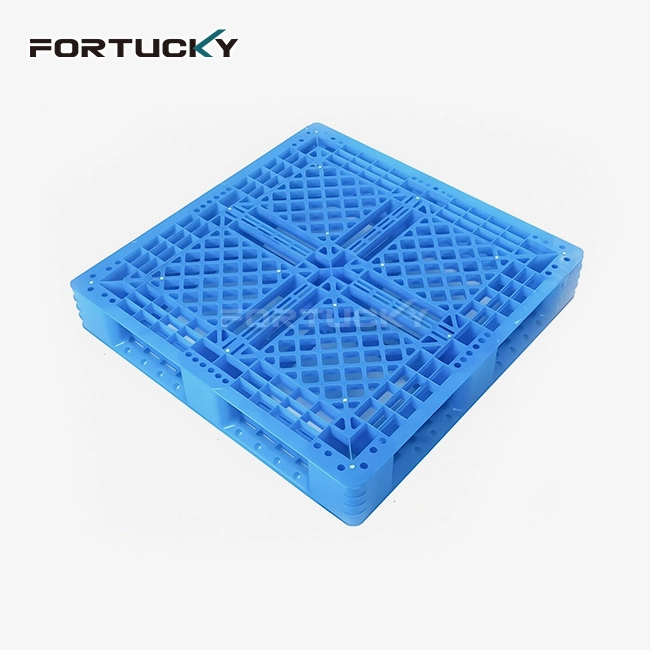
Plastic pallets often require shorter production times for standard configurations but involve complex moulding processes for custom designs. Initial tooling costs for plastic injection moulding can be substantial, making small custom orders economically challenging. Metal pallets offer exceptional durability but require specialised welding and fabrication processes that extend manufacturing timelines. The precision required for metal fabrication and finishing operations can add significant time to custom orders while providing superior longevity and load capacity.
 Procurement Tips for Efficient Ordering of Custom Wooden Pallets
Efficient procurement strategies can significantly reduce lead times and ensure reliable supply chain performance. These approaches help organisations optimise their ordering processes while maintaining quality standards.
Supplier Selection and Production Capacity Assessment
A key part of efficient procurement is choosing suppliers with proven production capability and transparent lead times. Established companies with dedicated production lines for custom pallets can offer more reliable scheduling and faster turnaround. When evaluating supplier capabilities, consider their production equipment, quality certifications, and past performance records. Suppliers with automated manufacturing systems and experienced engineering teams typically deliver more consistent, on-time results.
Clear Communication and Specification Management
Establishing clear communication regarding customisation details and delivery expectations prevents misunderstandings and production delays. Detailed specifications—including dimensions, materials, treatments, and performance requirements—should be documented and agreed upon before production begins. Regular progress updates and milestone communications help identify potential delays early and allow for proactive adjustments. Suppliers who provide detailed production schedules and progress tracking demonstrate professional project management capabilities.
Strategic Ordering and Inventory Planning
Strategies for buying in bulk and planning ahead can cut down on wait times and keep inventory levels steady. When you buy more customised wooden pallets, production often goes more quickly, and the cost per unit goes down. Building relationships with providers who can offer flexible production and fast logistics gives you options for meeting urgent needs. Planning your goods in a way that takes into account seasonal needs and production cycles, customised wooden pallets can help you avoid rush orders and higher prices.
Environmental and Durability Considerations Impacting Production and Procurement
Sustainability and durability factors increasingly influence both production processes and procurement decisions. These considerations affect manufacturing timelines while supporting corporate responsibility objectives.
Wood Species Selection and Treatment Impact
Choosing the right wood species and treatment methods can extend pallet lifespan but may also alter production schedules. Some hardwood species require longer drying times, yet they offer greater durability and are better suited for demanding applications. Treatment options such as kiln drying, heat treatment, or chemical preservation all add time to the production process but significantly improve pallet longevity. These durability enhancements often lower the total cost of ownership by extending the interval between replacements.
Certification Requirements and Compliance Standards
Environmental certifications such as FSC (Forest Stewardship Council) or ISPM 15 compliance require additional documentation and verification, which can extend lead times. However, these certifications guarantee sustainable sourcing and international shipping compliance. Eco-friendly materials and production methods are adopted both because of regulatory requirements and customer demand for environmental responsibility. While green production methods may increase lead times, they help companies meet social responsibility goals and provide a competitive advantage in the marketplace.
Conclusion
Customised Wooden Pallets usually take two to four weeks to make, but this can change depending on how complicated the customisation is, how the materials are treated, and how many pallets are ordered. Knowing the main steps of design planning, choosing materials, production, and quality control helps procurement teams make good plans and set reasonable goals. A good procurement strategy focuses on choosing the right suppliers, communicating clearly, and making plans ahead of time to cut down on wait times while keeping quality standards high. Sustainability and environmental considerations are playing an increasingly important role in production decisions, contributing to long-term value creation and the achievement of corporate responsibility goals.
FAQ
1. How can I reduce lead times for custom wooden pallet orders?
Reducing lead times involves several strategies, including early planning, clear specifications, and building relationships with reliable suppliers. Providing detailed requirements upfront prevents design revisions that cause delays. Ordering in larger quantities often enables production efficiencies, while maintaining open communication with manufacturers helps identify potential issues early.
2. What factors most significantly impact production timelines?
Customisation complexity, material treatments, and order volume are the primary factors affecting production timelines. Special treatments such as heat treatment or chemical preservation add specific timeframes, while unique dimensions require additional engineering and setup time. Order volume influences production scheduling and equipment allocation within manufacturing facilities.
3. How do environmental certifications affect production schedules?
Environmental certifications such as FSC or ISPM 15 compliance typically add 2–5 days to production cycles due to additional documentation, verification processes, and specialised treatments. However, these certifications ensure sustainable sourcing and international shipping compliance, providing long-term value despite extended lead times.
Transform Your Supply Chain with Expert Custom Pallet Solutions
Customized Wooden Pallets manufacturing requires expertise, advanced equipment, and proven processes to deliver reliable results within acceptable timeframes. Fortucky combines cutting-edge automation technology with comprehensive logistics solutions to streamline your pallet procurement and supply chain operations. Our intelligent manufacturing capabilities and global service network ensure consistent quality and delivery performance for demanding industrial applications.
Leveraging our experience serving over 1,000 customers across manufacturing, automotive, electronics, and logistics sectors, we understand the critical importance of reliable material handling solutions. Our specialized team provides end-to-end support from design consultation through delivery, ensuring seamless integration with your existing operations. Partner with a trusted Customized Wooden Pallets supplier who delivers both innovation and reliability.
Contact our experts at sales@fortuckyrobot.com to discuss your specific requirements and discover how our automated solutions can optimize your material handling efficiency while reducing operational costs.
References
1. Industrial Packaging Association. "Custom Pallet Manufacturing Standards and Best Practices." Industrial Packaging Quarterly, 2023.
2. National Wooden Pallet and Container Association. "Production Efficiency Guidelines for Custom Wooden Pallet Manufacturing." NWPCA Technical Report, 2023.
3. International Organization for Standardization. "Wood Packaging Material Treatment and Certification Requirements." ISO Standards Documentation, 2022.
4. Forest Stewardship Council. "Sustainable Wood Sourcing in Industrial Packaging Applications." FSC Certification Guidelines, 2023.
5. Supply Chain Management Review. "Lead Time Optimization Strategies in Custom Manufacturing." SCM Research Publication, 2023.
6. American Society of Quality. "Quality Control Processes in Custom Wood Product Manufacturing." ASQ Manufacturing Standards, 2022.

Learn about our latest products and discounts through SMS or email