- English
- French
- German
- Portuguese
- Spanish
- Russian
- Japanese
- Korean
- Arabic
- Greek
- German
- Turkish
- Italian
- Danish
- Romanian
- Indonesian
- Czech
- Afrikaans
- Swedish
- Polish
- Basque
- Catalan
- Esperanto
- Hindi
- Lao
- Albanian
- Amharic
- Armenian
- Azerbaijani
- Belarusian
- Bengali
- Bosnian
- Bulgarian
- Cebuano
- Chichewa
- Corsican
- Croatian
- Dutch
- Estonian
- Filipino
- Finnish
- Frisian
- Galician
- Georgian
- Gujarati
- Haitian
- Hausa
- Hawaiian
- Hebrew
- Hmong
- Hungarian
- Icelandic
- Igbo
- Javanese
- Kannada
- Kazakh
- Khmer
- Kurdish
- Kyrgyz
- Latin
- Latvian
- Lithuanian
- Luxembou..
- Macedonian
- Malagasy
- Malay
- Malayalam
- Maltese
- Maori
- Marathi
- Mongolian
- Burmese
- Nepali
- Norwegian
- Pashto
- Persian
- Punjabi
- Serbian
- Sesotho
- Sinhala
- Slovak
- Slovenian
- Somali
- Samoan
- Scots Gaelic
- Shona
- Sindhi
- Sundanese
- Swahili
- Tajik
- Tamil
- Telugu
- Thai
- Ukrainian
- Urdu
- Uzbek
- Vietnamese
- Welsh
- Xhosa
- Yiddish
- Yoruba
- Zulu
Top tips for effective space management with longspan shelving
Modern warehouse operations are transformed by efficient space management using long-span metal shelving. These robust systems are free of upright columns and are constructed from high-strength steel, allowing them to store large, bulky items that conventional shelving cannot accommodate. With single-tier load capacities ranging from 500 kg to over 2,000 kg, these shelving solutions maximize vertical space while maintaining operational accessibility. Industries from technology to automotive benefit from customizable designs that adapt to changing product requirements. By applying intelligent placement and customization principles, facilities can increase storage density without compromising safety or usability.
 Understanding Longspan Metal Shelving for Space Optimization
What Defines Industrial-Grade Longspan Systems
Long-span metal shelving provides a robust storage solution, specifically designed to hold large and bulky items across extended shelf spans without intermediate supports. These units are made of high-strength steel and can support between 500 kg and over 2,000 kg per level, depending on beam configuration and material specifications. The column‑free design creates unobstructed storage runs, ideal for full‑size sheets, large molds, and components that are too big for standard racks.
Key Structural Advantages Over Conventional Racking
The engineering behind these systems overcomes several major limitations of traditional warehouse shelving. High‑strength, specially shaped steel profiles deliver greater structural rigidity while keeping the framework’s weight relatively low. This design approach allows for spans that would cause conventional shelves to bend or fail under equivalent loads. The open shelving design promotes air circulation and visual access, enabling quick inspection of goods without physical handling.
Shelves can be adjusted in height, allowing items of different sizes to fit within the same bay. A warehouse storing automotive parts can configure lower shelves for heavy engine blocks (up to 2,000 kg) and upper levels for lighter interior trim pieces (up to 500 kg). This vertical optimization turns unused overhead space into valuable storage real estate.
Applications Across Manufacturing and Logistics Sectors
Many businesses requiring heavy‑duty storage solutions have adopted long‑span shelving. Major distribution centers use these systems to consolidate a wide variety of SKUs of different sizes and weights. Manufacturing plants save space when storing raw materials such as steel sheets, injection molds, or finished subassemblies awaiting final assembly.
The technology sector values the flexibility of these systems. Powder‑coated steel construction resists corrosion in storage areas adjacent to cleanrooms while supporting large equipment cases and component reels. Pharmaceutical warehouses similarly store bulk chemical drums and finished goods cartons within the same structural framework.
Top 5 Tips to Maximize Warehouse Space with Longspan Metal Shelving
Tip 1: Select Appropriate Load Capacities and Shelf Materials
Matching shelf specifications to actual inventory needs avoids both dangerous over‑engineering and hazardous under‑engineering. Conduct a full audit of the largest items to be stored, including future product lines. This evaluation should account for dynamic loads, which can temporarily exceed static weight during placement and retrieval.
Steel decking choices for long-span industrial shelving are the most durable for rough handling areas where trucks and pallet jacks often hit shelf surfaces. These strengthened bases don't bend even when point loads are put on them from things with odd shapes. Instead, steel-backed composite walls are a better way to distribute weight and cost less for storage sites that need to keep boxed goods with a fairly even weight distribution.
Long‑term flexibility is influenced by the choice between fixed and adjustable designs. Modular, adjustable long‑span metal shelving allows layout changes as product lines evolve, without purchasing new shelf units. This adaptability helps facilities with seasonal inventory fluctuations, letting them reconfigure storage zones between large‑pallet storage and bin‑level picking areas.
Tip 2: Optimize Vertical Space Utilization
Even though many modern warehouses have ceilings of 30 feet or higher, many operations use only the bottom 12 feet. Long‑span metal shelving configured with four to five tiers capitalizes on this wasted vertical space. Calculate the volume utilization ratio by dividing total cubic feet stored by total cubic feet available in the building. Proper vertical implementation can achieve improvements of 40 to 60 percent.
Safe vertical expansion requires appropriate anchoring systems and adequate floor‑level structural support. Column bases should distribute weight over reinforced concrete pads rather than standard slabs. In areas with significant ground movement, seismic bracing and wall anchors stabilize taller structures.
Accessibility concerns balance storage density with operational efficiency. Upper tiers storing slower‑moving inventory require less frequent access, making them suitable for items retrieved monthly rather than daily. Reserve the best mid‑level positions for fast‑moving SKUs to minimize reaching and climbing by order‑picking staff.
Tip 3: Implement Strategic Aisle Width Planning
Aisle dimensions directly affect both storage density and operational flow. Narrow aisles increase the number of storage bays but restrict access for vehicles and order pickers. Standard counterbalance forklifts require 10‑ to 12‑foot aisles for safe turning. Specialized very‑narrow‑aisle equipment can operate in 6‑foot aisles but involves higher upfront costs.
Consider traffic patterns when planning aisle layout. Regularly spaced cross aisles prevent congestion when many workers need to access the same storage zone simultaneously during peak periods. Facilities with four to six bays between cross aisles typically experience smoother operations than layouts that force workers to travel the full warehouse length to reach different lanes.
Document aisle width requirements during the planning stage to ensure that shelf quotations match actual installation constraints. Custom bay widths may cost 10 to 15 percent more per unit, but they provide far greater value than standard designs that lead to inefficient aisle layouts.
Tip 4: Leverage Modular Expansion Capabilities
Business growth should drive warehouse expansion, not fixed equipment. Long‑span metal shelving modular systems can be installed incrementally, aligning capital expenditure with revenue growth. Place current inventory in key high‑density zones, then add sections as product lines or throughput expands.
Modularity reduces startup costs and allows system validation before full deployment. Installing 50 bay slots lets you evaluate configurations, load limits, and warehouse management system compatibility. Successful validation gives confidence to scale up to hundreds or thousands of bays across multiple sites.
Standardization across several areas simplifies maintenance and reduces training. Warehouse workers moving between sites encounter familiar equipment, shortening learning curves and lowering error rates. A unified spare‑parts inventory supports all sites instead of tracking site‑specific items.
Tip 5: Establish Preventive Maintenance Protocols
Regular inspections prevent minor issues from escalating into safety or operational problems. Perform a monthly visual inspection for bent beams, loose connections, and surface rust. Attempting to “make do” with damaged structural components risks catastrophic failure under load.
Load control discipline protects both people and equipment. Mark each shelf level’s maximum capacity with durable signage visible from typical operating distances. Configure alerts in your warehouse management system to flag attempts to store oversized items before they physically reach the shelf.
Staff training emphasizes effective loading techniques to distribute weight across shelf depths. Concentrated loads at the front edges create moment forces that stress connections differently than centered loads. Clear positioning instructions reduce wear and extend service life.
 Procurement and Installation Insights for B2B Buyers
Defining Specifications for Competitive Quotations
Proper specifications enable effective comparison of supplier pricing. List bay width, depth, and height for each storage area. Specify load capacity per shelf level rather than overall weight ratings. Different vertical levels may require different capacities based on product distribution.
Material choices affect both cost and performance. Standard steel thicknesses for moderate duty range from 1.2 to 1.5 mm. Heavy industrial applications require 2.0 mm or thicker steel gauges, especially for lower levels that carry the greatest weight. Surface finishes can be conventional powder coating or corrosion‑resistant coatings for harsh environments.
Commitment to a specific purchase volume significantly influences unit cost. Suppliers offer bulk discounts for 50 bay locations, with greater savings for 100, 250, and 500 units. Multi‑site deployments benefit from consolidated purchasing that aggregates volume across all locations.
Professional Installation vs. Self-Assembly
Professional installation services ensure that the structure is built correctly and complies with local requirements. Experienced teams typically complete projects 40–50% faster than in‑house maintenance staff working alone. This speed advantage streamlines operations and accelerates ROI.
For large projects, professional installation is advisable for liability reasons. Licensed personnel carry insurance and guarantee quality workmanship. Self‑installed systems may void manufacturer warranties and leave you exposed to accidents resulting from improper assembly.
Smaller modifications or additions work well for internal teams with experienced workers. Modular designs enable facility teams familiar with the equipment to adjust configurations. Installation manuals and supplier expertise bridge knowledge gaps for basic system additions.
Customization Options and Lead Times
Standard long-span metal shelving configurations typically ship three to five weeks after order confirmation, suitable for planned capacity increases. Customized specifications may extend lead times to 6 to 10 weeks, depending on engineering requirements and production queue. Facilities with urgent needs must balance tailoring against shipping schedules.
Color customization supports facility organization and visual management. Color‑coded storage zones make locations easy to identify and reduce picking errors. Standard colors add little to the price, while custom color matching costs 5–10% more and increases lead time.
OEM services assist facilities requiring a branded look or specific stylistic integration. Private labeling allows product resale or contractor installation under third‑party names. To justify setup costs, these arrangements typically require a minimum order of 200 to 500 bays.
Ensuring Long-Term Value: Maintenance and Safety Guidelines
Routine Inspection Protocols
Monthly visual inspections catch problems at their onset before they become hazardous or cause downtime. Check beam connections for any signs of looseness or deformation, especially at highly loaded locations. Verify that vertical posts remain straight; any tilt indicates base issues or overloading that require immediate investigation.
Surface condition checks detect rust early, when cleaning and spot painting are sufficient. Untreated rust can penetrate protective coatings and weaken structures. Address surface damage within 30 days of discovery to prevent accelerated deterioration.
Load distribution reviews confirm that actual usage matches design assumptions. Periodically compare stored item weights against rated capacities. Warehouse operations evolve over time, and items that initially fit capacity patterns may be replaced by heavier products requiring larger storage spaces or load redistribution.
Staff Training and Safety Culture
Comprehensive training covers proper loading techniques, limitations, and hazard identification. New staff must be certified before accessing storage areas. Annual refresher seminars review best practices and demonstrate new methods.
Loading protocols specify weight distribution and prohibited practices. Common violations include overloading top shelves, placing heavy items at the front edge, and using defective components. Displaying visual instructions near storage areas helps reinforce procedures.
Incident reporting tools allow employees to raise concerns without fear of reprisal. Investigate both accidents and near‑misses thoroughly to identify structural issues before anyone is harmed. This proactive approach fosters safety and protects both personnel and equipment investments.
Documentation and Compliance Management
Document system details, load ratings, and any modifications. Records of safety inspections demonstrate due diligence and provide critical information for future improvements. Digital record‑keeping systems ensure information remains accessible even when staff members leave.
Regulations vary by industry and location. U.S. OSHA regulations address clearances, load limits, and maintenance. European facilities must meet EN 15512 standards for steel static storage systems. Before purchasing, confirm that specifications meet applicable requirements to avoid costly retrofits.
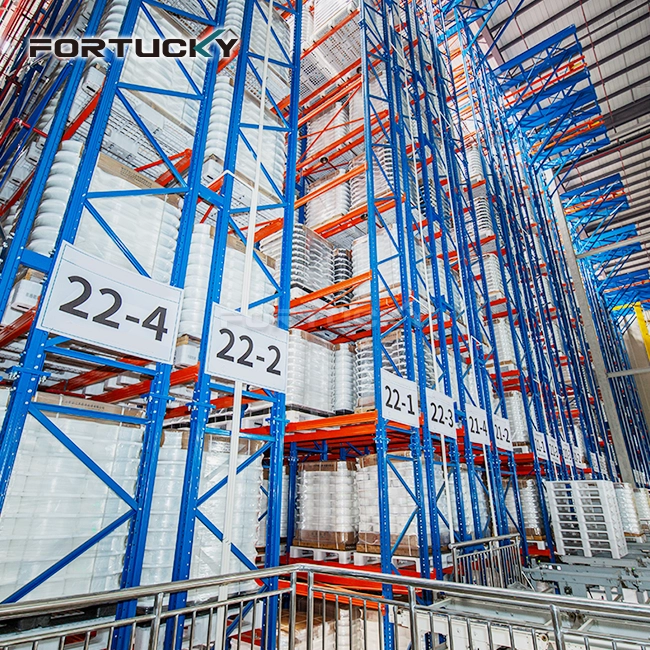
Each bay of heavy-duty metal longspan racks has capacity indications that indicate the maximum safe load, preventing overloading. Even in crowded warehouses, indicators at eye level from activity are visible. Replace faded or damaged signage immediately to maintain clarity.
Conclusion
Effective warehouse space management with long‑span metal shelving delivers measurable improvements in storage density, operational efficiency, and long‑term cost control. By carefully selecting appropriate load limits, optimizing vertical space, and planning for flexible expansion, facilities can scale smoothly as business needs change. These systems handle a wide range of inventory types that traditional shelving cannot accommodate, thanks to their high weight capacity and versatile configuration options. Professional procurement practices—focusing on supplier expertise, customization capabilities, and comprehensive support services—ensure successful deployments. Combined with rigorous maintenance schedules and staff training programs, these storage solutions provide lasting benefits in increasingly complex logistics environments.
FAQ
Q1: What load capacity should I specify for automotive parts storage?
The weight density of automotive parts varies greatly. Engine blocks and transmission cases require shelves with maximum capacities of 1,500–2,000 kg per level. Interior trim pieces and electrical components, by contrast, can manage 500–800 kg maximum. Perform a detailed inventory audit to identify the heaviest items in each storage zone, then set limits with a 20‑25% safety margin.
Q2: How do longspan systems compare to boltless rivet shelving?
Keystone locking mechanisms allow quick, tool‑free assembly of boltless rivet shelving. These systems handle light to medium loads up to 800 kg per shelf. Long‑span metal shelving uses through‑bolted beam connections that form rigid structural frames, supporting much higher weights. The bolted design also resists racking forces better when forklifts move heavy loads.
Q3: Can these systems accommodate non-standard warehouse layouts?
Customization options address irregular building dimensions, floor obstructions, and unique workflow requirements. Manufacturers adjust bay widths and heights in 100 mm increments to ensure a perfect fit within available space. Column placement can accommodate building supports, service penetrations, and openings. Angled end bays and special joining components are used for non‑rectangular areas.
Transform Your Warehouse Efficiency with Fortucky's Longspan Metal Shelving
For demanding industrial and transportation settings, Fortucky provides engineered long-span metal shelving systems. Our options can hold anywhere from 500 kg to over 2000 kg per level. They are made of high-strength steel, which can handle the rough conditions of heavy industrial work. We can help you with your space optimization problems because we've done over 1,000 successful projects for Fortune 500 companies in the automobile, electronics, and fast-moving consumer goods (FMCG) sectors. Our deep customization skills make sure that systems work well with current operations, and our regional service teams in Asia, Europe, and the Americas offer quick help throughout the whole lifecycle. Get in touch with our engineering team at sales@fortuckyrobot.com to talk about your specific needs and get a full technical plan from a reliable manufacturer that wants to help you get the most out of your warehouse investment.
References
1. Material Handling Industry of America (2022). "Warehouse Storage Systems Design and Implementation Guidelines," MHIA Technical Publication Series, Vol. 18, pp. 45-89.
2. Richards, G. (2021). "Warehouse Management: A Complete Guide to Improving Efficiency and Minimizing Costs in the Modern Warehouse," 3rd Edition, Kogan Page Publishers, London.
3. Frazelle, E. (2020). "World-Class Warehousing and Material Handling," McGraw-Hill Professional, New York, Chapter 7: Storage Systems Selection and Design.
4. International Organization for Standardization (2019). "ISO 14122-3: Safety of machinery — Permanent means of access to machinery — Stairs, stepladders and guard-rails," Geneva, Switzerland.
5. Occupational Safety and Health Administration (2021). "OSHA Technical Manual, Section V: Chapter 2 - Powered Industrial Trucks," U.S. Department of Labor, Washington D.C.
6. Bartholdi, J.J. and Hackman, S.T. (2022). "Warehouse & Distribution Science," Release 0.98, Supply Chain and Logistics Institute, Georgia Institute of Technology, Atlanta.


Learn about our latest products and discounts through SMS or email