- English
- French
- German
- Portuguese
- Spanish
- Russian
- Japanese
- Korean
- Arabic
- Greek
- German
- Turkish
- Italian
- Danish
- Romanian
- Indonesian
- Czech
- Afrikaans
- Swedish
- Polish
- Basque
- Catalan
- Esperanto
- Hindi
- Lao
- Albanian
- Amharic
- Armenian
- Azerbaijani
- Belarusian
- Bengali
- Bosnian
- Bulgarian
- Cebuano
- Chichewa
- Corsican
- Croatian
- Dutch
- Estonian
- Filipino
- Finnish
- Frisian
- Galician
- Georgian
- Gujarati
- Haitian
- Hausa
- Hawaiian
- Hebrew
- Hmong
- Hungarian
- Icelandic
- Igbo
- Javanese
- Kannada
- Kazakh
- Khmer
- Kurdish
- Kyrgyz
- Latin
- Latvian
- Lithuanian
- Luxembou..
- Macedonian
- Malagasy
- Malay
- Malayalam
- Maltese
- Maori
- Marathi
- Mongolian
- Burmese
- Nepali
- Norwegian
- Pashto
- Persian
- Punjabi
- Serbian
- Sesotho
- Sinhala
- Slovak
- Slovenian
- Somali
- Samoan
- Scots Gaelic
- Shona
- Sindhi
- Sundanese
- Swahili
- Tajik
- Tamil
- Telugu
- Thai
- Ukrainian
- Urdu
- Uzbek
- Vietnamese
- Welsh
- Xhosa
- Yiddish
- Yoruba
- Zulu
Warehouse Racking & Mezzanine Floor Solutions
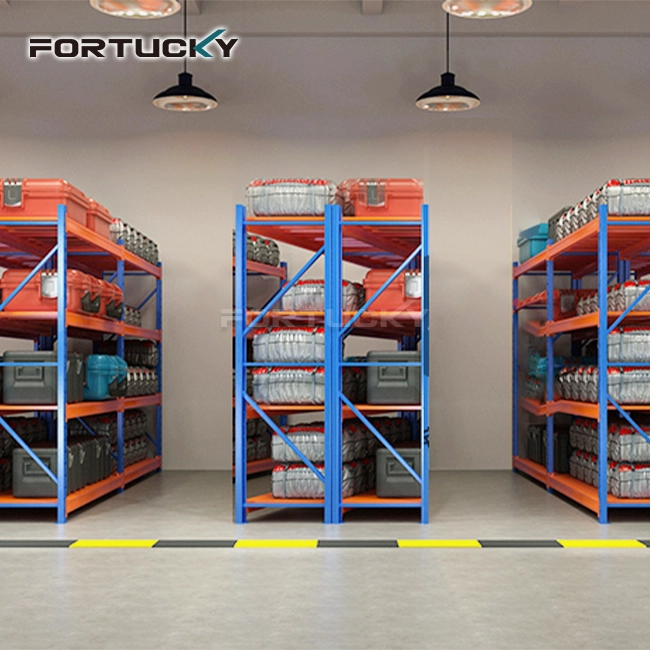
When you run out of room but your product keeps growing, it's not always possible to make your facility bigger. This is where mezzanine storage rack systems come in handy. These raised steel platforms add more storage levels to your current building, turning vertical space that isn't being used into useful work areas. Unlike regular racks with only one level, mezzanine systems offer multiple levels of storage that can be set up in different ways to meet your specific needs. They give a quick return on investment (ROI) without the cost and trouble of adding on to an existing building. This makes them a smart choice for makers and transportation companies that want to be efficient and able to grow.
 Understanding Mezzanine Storage Racks: Design, Benefits, and Functionality
Modern facilities constantly face the same challenge: how to increase output while keeping costs low. Multi‑level storage platforms that transform overhead space into a productive asset solve this problem.
Learn about the design, benefits, and applications of mezzanine storage rack systems.
What Makes Mezzanine Systems Different
A mezzanine storage rack system creates an intermediate floor between your building’s main level and the roof. Steel columns, beams, and specialized decking make up the structure. This product can support 300–1,000 kg/m² of weight, depending on your requirements. Unlike permanent buildings, these modular systems can be assembled without substantial alterations and can adapt as business needs change.
Built‑in stairs or material lifts enable safe access to two or three elevated levels. Steel construction provides both strength and flexibility. Engineers ensure that each system meets international load‑sharing safety standards, giving operations and procurement leaders peace of mind.
Core Advantages for Industrial Operations
Space savings are the biggest benefit. Warehouses with 20‑foot ceilings commonly underutilize their 10–15 feet of overhead capacity. Mezzanine levels turn this space into two or three times the usable area without leasing new space. This strategy is roughly 70% cheaper and faster than building an expansion.
Operational independence is another plus. The open design allows rapid product sorting and identification, which benefits lean processes. An auto parts distributor might place slow‑moving items on the lower level and fast‑moving items on the upper level. In electronics manufacturing, quality control stations are kept separate from storage areas. This functional separation reduces traffic and boosts efficiency—key metrics for supply chain leaders.
Simple installation and reconfiguration processes are also important. Bolt‑together construction minimizes disruptions. When business needs change—for example, from storing small parts to handling pallets—the system can be modified instead of replaced. This flexibility protects capital investments and supports digital transformation agendas.
Engineering Specifications That Matter
The most significant attribute is load capacity. Use 300–500 kg/m² for light‑duty tasks such as moving boxes or small parts. For heavy‑duty jobs like storing automotive components or industrial equipment, 700–1,000 kg/m² is required. Engineers perform a complete load analysis during design to ensure structural strength matches operational demands.
The decking material you choose affects performance and cost. Specialized shelf panels distribute loads better than steel gratings or uneven plates. The flat, uniform surface makes handling equipment easier and stabilizes stacks. Anti‑slip surfaces improve safety in high‑traffic areas, especially in multi‑shift operations.
Customising industrial mezzanine platforms' dimensions maximises space. Standards may suit 5–15-meter ceilings and be customised in depth and breadth to meet the construction layout. Forklift paths, emergency exits, and compatibility with conveyor systems or self-driving guided vehicles are considered while positioning columns. Professional configurations consider how they interact with other systems.
Comparative Analysis: Choosing the Right Storage Solution for Your Warehouse
When procurement teams evaluate storage investments, they need clear comparisons to make informed decisions. Different rack layouts are better suited to different types of operations.
Mezzanine Versus Traditional Pallet Racking
Standard pallet racks hold uniform loads and provide forklift access. In large structures, they typically utilize 40–50% of the floor area. A mezzanine platform uses the full ceiling height to create walkable storage levels for a wide variety of items. In distribution centers, pallet racks work best for identical SKUs, but mezzanine storage rack systems are better suited for manual sorting or packaging of many different items.
A cost analysis found that mezzanine levels have higher upfront costs but deliver significantly more usable space. A 10,000‑square‑foot warehouse might gain 15,000–20,000 square feet with a mezzanine system, whereas efficient pallet racking might add only 5,000 square feet. This capacity boost is particularly valuable for organizations renegotiating leases or considering a relocation.
Modular Versus Fixed Designs
Modular mezzanine storage rack systems are easy to relocate and reconfigure thanks to bolted components. Businesses that are growing or changing product lines benefit from this flexibility. For example, a cold‑chain logistics company might initially store pharmaceuticals and later switch to food products as its customer base evolves. Being able to change without replacement reduces long‑term financial demands.
Fixed designs have welded, permanently attached components. They offer better weight capacity and are generally less expensive. Stable companies with well‑defined, long‑term needs benefit from this approach. Steel mills and heavy machinery manufacturers often use solid platforms to store parts for decades. The trade‑off between flexibility and permanence depends on business growth plans and strategic horizons—factors CFOs consider during approval.
Open Versus Enclosed Systems
Open mezzanine storage racks are ideal for dry products and general manufacturing because they allow greater airflow and light. Logistics planners appreciate how easy it is to track goods visually. Enclosed systems protect sensitive items with walls and temperature control. Pharmaceutical companies storing temperature‑sensitive substances or technology firms preventing part contamination require enclosed configurations.
Because enclosed systems use more materials and include HVAC, they cost 15–25% more. The need to protect products often justifies this investment. Buyers weigh upfront costs against potential weather‑related product losses. Risk management plays a key role in specification development.
Procurement Guide: Purchasing and Installing Mezzanine Storage Racks
Effective purchasing requires understanding both supplier capabilities and on‑site execution realities. The following tips help procurement teams make sound decisions.
Evaluating Supplier Qualifications
Engineering certifications and compliance documents indicate quality first. Reputable mezzanine storage rack companies provide structural calculations signed by licensed engineers. This ensures designs meet local building and safety codes. ISO 9001 certification and OSHA compliance demonstrate quality management systems and adherence to U.S. safety regulations.
Project portfolios show experience. Suppliers that have worked with Fortune 500 companies are accustomed to tight timelines and complex operations. References from similar industries can help you assess problem‑solving skills and service responsiveness before installation.
Warranties and service agreements sustain long‑term value. Most structural warranties run 3–5 years; some top providers offer longer coverage. Installation support can range from delivery‑only to complete turnkey service, including permits, assembly, and safety inspections. Requesting quotes with detailed service levels avoids ambiguity and cost overruns.
Installation Planning and Execution
Depending on customization complexity and building readiness, most projects take 8–16 weeks to complete. Pre‑installation site surveys identify structural, utility, and access issues. Coordinating with warehouse operations minimizes downtime. Skilled installation crews often work off‑shifts or in phases to keep operations running smoothly.
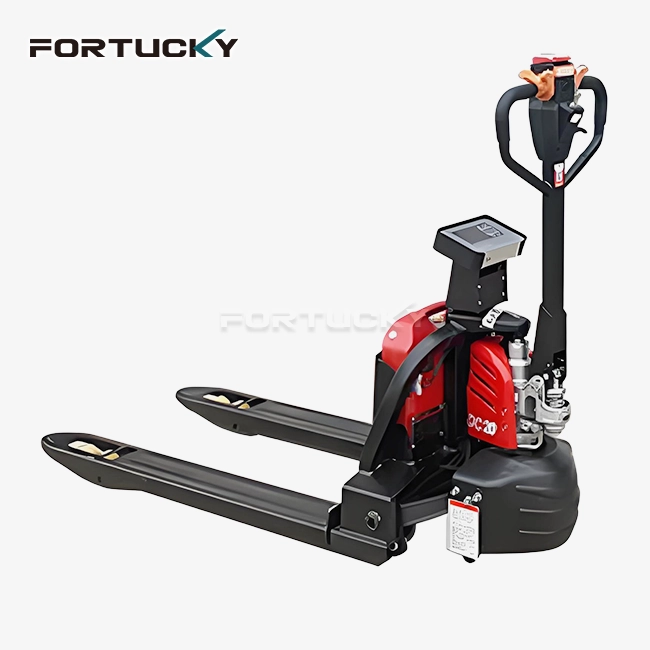
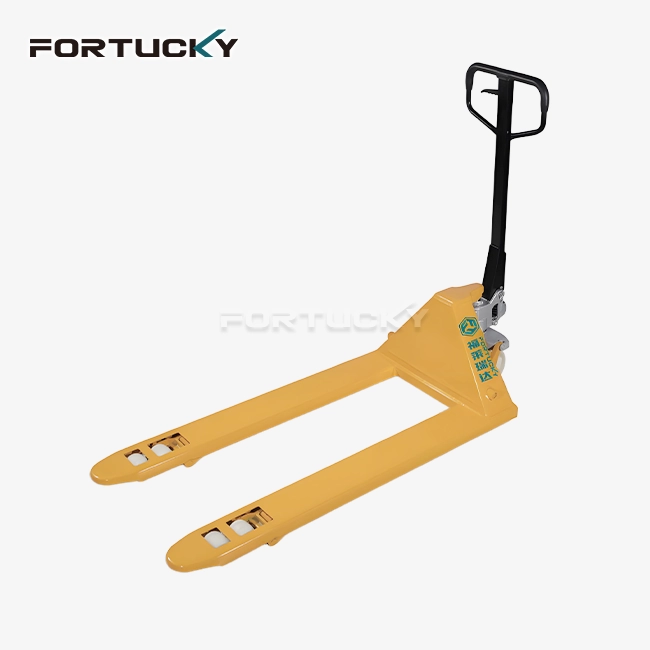
Consider the material handling tool needs immediately. Mezzanine storage rack levels often use trucks, pallet jacks or material lifts for vertical mobility. Including these demands in planning ensures correct load lines and equipment clearances. Some companies use conveyors or motorised hoists to improve efficiency. Especially when aiming for a given output.
Final inspections and load testing are part of safety compliance. Professionals verify load‑bearing capacity and produce as‑built documentation. Staff training on proper loading techniques and weight limits reduces accidents and ensures the system performs safely throughout its life.
Cost Optimisation Strategies
Bulk purchasing benefits multi‑location businesses. Companies with several facilities can save 15–20% by coordinating purchases. Standardizing designs across locations simplifies maintenance, speeds up spare‑parts tracking, and accelerates approval for new installations.
Financing options spread cash costs over time. Leasing or paying for equipment over a period eases cash flow. Growing companies striving to balance expansion investments find this helpful. Some suppliers offer staggered payment agreements tied to project milestones, reducing financial risk during implementation.
 Technical Insights: Mezzanine Storage Rack Specifications and Customisation Options
Clear specifications ensure that mezzanine storage rack systems perform as intended throughout their service life. Smart procurement decisions rely on understanding key technical factors.
Load Capacity Engineering
Weight distribution calculations are the foundation of safe design. Point loads from stacked boxes differ from distributed loads in picking zones. Engineers evaluate worst‑case scenarios when setting column spacing, beam sizes, and decking thickness. Fortucky’s design approach incorporates safety factors that meet international standards. Depending on the application, most platforms support between 300 and 1,000 kg/m².
Material selection is influenced by whether loads are dynamic or static. Warehouses that use forklifts on upper levels need stronger decking and more structural support than those that rely on manual handling. Impact loads from dropped items or machine traffic require higher safety margins. Being honest about operating conditions during the design phase prevents costly changes or safety issues later.
Material Selection and Durability
Strength and cost must be balanced when choosing steel. High‑tensile structural steel provides maximum strength in minimal cross‑sections, saving material and improving performance. Powder coating or galvanizing prevents corrosion in humid or cold storage environments. Color customization aids safety or organization, and visible markings make the workplace safer.
Composite boards and steel panels are common decking materials, each with advantages. Steel is the strongest and easiest to clean for heavy‑duty use. Light‑duty composite decking reduces weight and cost while remaining durable. The selection process considers total cost of ownership, expected service life, and maintenance requirements—the same criteria financial controllers use to approve capital projects.
Integration With Warehouse Management Systems
Modern mezzanine structures often include digital connectivity. RFID readers on platforms track item movement between levels and feed data to warehouse management software. Automated weight sensors ensure legal load limits, preventing structural damage. These digital links support Industry 4.0 initiatives by creating data streams for predictive analytics and operational optimization.
Lighting and power distribution must be planned during construction. LED task lighting improves picking accuracy and saves electricity. Provide outlets for handheld scanners, label printers, and automated packing equipment. Network infrastructure should enable WiFi connectivity on upper levels for mobile devices and automated systems. Addressing these needs upfront avoids costly retrofitting later.
Enhancing Safety and Performance in Mezzanine Floor Storage
Safety compliance and operational excellence go hand in hand. Proactive risk management protects people and improves the performance of mezzanine storage rack systems.
Structural Safety Features
Guardrails are the most visible safety feature, preventing falls from elevated levels. Professional installations must meet or exceed the minimum heights and weight limits set by OSHA regulations. Toe boards keep tools and materials from falling off edges, protecting workers on the ground below. Self‑closing safety gates at stair and material‑lift openings maintain safety while allowing traffic to flow.
Load capacity signs clearly indicate weight limits, preventing overloading that could lead to structural failure. Different areas are marked with distinct colors, especially useful when platforms serve multiple functions. Regular inspection protocols identify wear, damage, or modifications that could reduce safety. Fortucky recommends monthly visual checks by facility staff in addition to annual professional inspections.
Operational Performance Optimisation
Workflow analysis finds problems and ways to make things better. Putting SKUs that move quickly near entry points cuts down on journey time and speeds up the picking process. Setting aside areas for activities that add value, like kitting or light assembly, makes the most of the extra space's usefulness. Lean principles can also be used for multi-level mezzanine racks vertical storage, and a mindset of constant growth is what leads to small but steady gains in efficiency.
Training goes beyond safety to include best practices for each task. Proper material handling techniques lower the risk of injury and physical strain. Workers who understand weight distribution can load platforms safely and quickly. Cross‑training builds organizational resilience and ensures operations don’t stop when people are absent. Investing in training yields clear benefits: fewer errors, fewer injuries, and higher productivity.
Maintenance and Longevity
Scheduled preventive maintenance keeps mezzanine storage rack systems running well and extends their service life. Periodic bolt tightening compensates for vibration and movement. Surface inspections identify rust or coating damage that needs repair. As operational patterns change, structural assessments confirm that load ratings are still being observed. Well‑maintained systems typically last 15–20 years, protecting capital investments and supporting long‑term operational planning.
Documentation management maintains compliance records and simplifies inspections. Retaining original engineering drawings, load calculations, and inspection logs demonstrates due diligence. Some records track modifications that could affect safety or capability. This documentation is valuable during building transfers, insurance reviews, or regulatory audits.
Conclusion
Limited warehouse space does not have to constrain business growth. Mezzanine storage rack systems make overhead space usable, allowing existing facilities to expand without massive capital outlays. By combining structural engineering, operational flexibility, and digital integration, these solutions meet the demands of modern supply chains. For procurement professionals evaluating storage assets, mezzanine platforms offer fast ROI, minimal disruption, and scalability that supports long‑term strategic goals.
FAQ
Q1: What lead times should we expect for custom mezzanine rack projects?
For custom mezzanine storage rack systems, lead times typically range from 8 to 12 weeks from final design approval to installation completion. Complex projects with specific requirements may take up to 16 weeks. The schedule includes engineering design, permitting, fabrication, delivery, and installation. Providing complete building information during initial consultations accelerates the design process and reduces overall project duration.
Q2: How can we maintain warehouse operations during installation?
Professional installation teams minimize disruption by staging the work and scheduling off‑peak hours. Working on weekends or at night allows normal daytime activities to continue. Phased installation enables partial use of the facility while work proceeds. Experienced providers coordinate logistics to keep operations running smoothly while meeting tight deadlines.
Q3: How is load capacity determined for our specific needs?
To determine appropriate load ratings, engineers analyze your inventory, storage methods, and material handling equipment. The evaluation considers both static loads from stored items and dynamic forces from forklifts or foot traffic. For safety, the rated capacity is set above normal operational requirements. Professional consultation ensures that designs meet actual needs rather than generic benchmarks.
Transform Your Warehouse Capacity With Fortucky
Storage solutions for industrial processes need to be designed for efficiency, safety, and the ability to grow. Fortucky has worked with global makers and logistics leaders for more than ten years and has finished more than 1,000 installations in the heavy, electronics, automobile, and fast-moving consumer goods (FMCG) industries. Our mezzanine storage rack provider skills include full lifetime support, deep customisation, and fast delivery.
Fortucky offers solutions that are tailored to your specific needs, whether you're in charge of high-throughput distribution for e-commerce, keeping track of complex stocks of auto parts, or improving the cold chain storage of pharmaceuticals. Our 5G-enabled smart production facilities and experienced R&D team make sure that the products we make are of high quality and come with all the necessary international certifications. Get in touch with sales@fortuckyrobot.com right away to talk about how to improve your warehouse and find out how designed vertical storage can help you reach your business goals faster while protecting your capital investments.
References
1. "Warehouse Storage Systems Engineering Standards and Safety Guidelines," International Material Handling Standards Association, 2022.
2. "Optimizing Vertical Space in Modern Logistics Facilities," Journal of Industrial Engineering and Management, Vol. 15, No. 3, 2023.
3. "Structural Design Principles for Mezzanine Floor Systems in Commercial Warehousing," American Institute of Steel Construction Technical Manual, 2021.
4. "Cost-Benefit Analysis of Warehouse Expansion Alternatives," Supply Chain Management Review, Spring 2023 Edition.
5. "Safety Compliance in Elevated Storage Systems: OSHA Requirements and Best Practices," Occupational Safety and Health Administration Technical Publication, 2022.
6. "Digital Integration of Material Handling Equipment in Industry 4.0 Environments," International Journal of Logistics and Supply Chain Technology, Vol. 8, Issue 2, 2023.



Learn about our latest products and discounts through SMS or email