- English
- French
- German
- Portuguese
- Spanish
- Russian
- Japanese
- Korean
- Arabic
- Greek
- German
- Turkish
- Italian
- Danish
- Romanian
- Indonesian
- Czech
- Afrikaans
- Swedish
- Polish
- Basque
- Catalan
- Esperanto
- Hindi
- Lao
- Albanian
- Amharic
- Armenian
- Azerbaijani
- Belarusian
- Bengali
- Bosnian
- Bulgarian
- Cebuano
- Chichewa
- Corsican
- Croatian
- Dutch
- Estonian
- Filipino
- Finnish
- Frisian
- Galician
- Georgian
- Gujarati
- Haitian
- Hausa
- Hawaiian
- Hebrew
- Hmong
- Hungarian
- Icelandic
- Igbo
- Javanese
- Kannada
- Kazakh
- Khmer
- Kurdish
- Kyrgyz
- Latin
- Latvian
- Lithuanian
- Luxembou..
- Macedonian
- Malagasy
- Malay
- Malayalam
- Maltese
- Maori
- Marathi
- Mongolian
- Burmese
- Nepali
- Norwegian
- Pashto
- Persian
- Punjabi
- Serbian
- Sesotho
- Sinhala
- Slovak
- Slovenian
- Somali
- Samoan
- Scots Gaelic
- Shona
- Sindhi
- Sundanese
- Swahili
- Tajik
- Tamil
- Telugu
- Thai
- Ukrainian
- Urdu
- Uzbek
- Vietnamese
- Welsh
- Xhosa
- Yiddish
- Yoruba
- Zulu
What are the differences in load capacity and durability between Blow Moulding Plastic Pallet and injection molding trays?
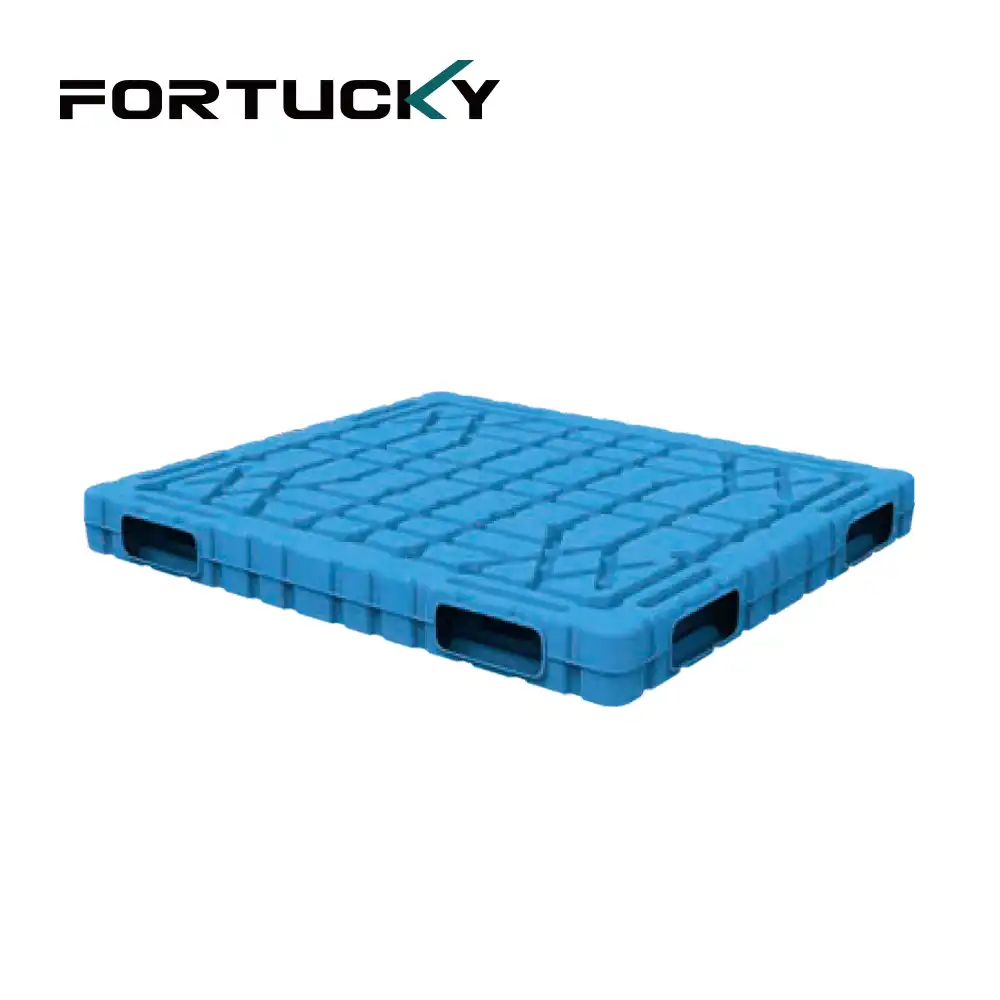
The main changes are in how the structures are designed and how they are made. A Blow Moulding Plastic Pallet is made of a seamless, hollow structure that spreads stress equally across the structure. This makes it better at supporting loads, with a steady capacity of 6 tons and a dynamic capacity of 1.5 tons. Because they are strong but thin, injection-molded trays, which are made through precision cavity molding, can usually handle smaller loads. The blow molding method makes parts that are strong all the way through without any weak spots, while the injection molding method makes parts that are detailed but might not be as strong for medium-duty uses.
 Understanding Blow Moulding and Injection Moulding Processes
The performance of a pallet or tray is largely determined by its production method. In blow moulding, HDPE or PP plastic is heated until soft, then compressed air forces the material into a precise mould cavity. This creates a hollow interior with consistent wall thickness, typically ranging from 3 to 8 mm depending on application requirements. This one‑piece construction eliminates seams, welds, and other joint areas that often fail under repeated stress.
How Blow Molding Creates Structural Advantages
The hollow structure naturally provides cushioning that absorbs impact energy during handling. If a forklift drops a pallet from a loading dock, the void spaces simply compress and rebound without causing fracture. This toughness is particularly valuable in pooled‑use systems, where pallets move between sites with varying handling practices. During moulding, the material flows continuously, aligning molecules to resist tearing and prevent crack propagation from surface damage.
Injection Molding Process Characteristics
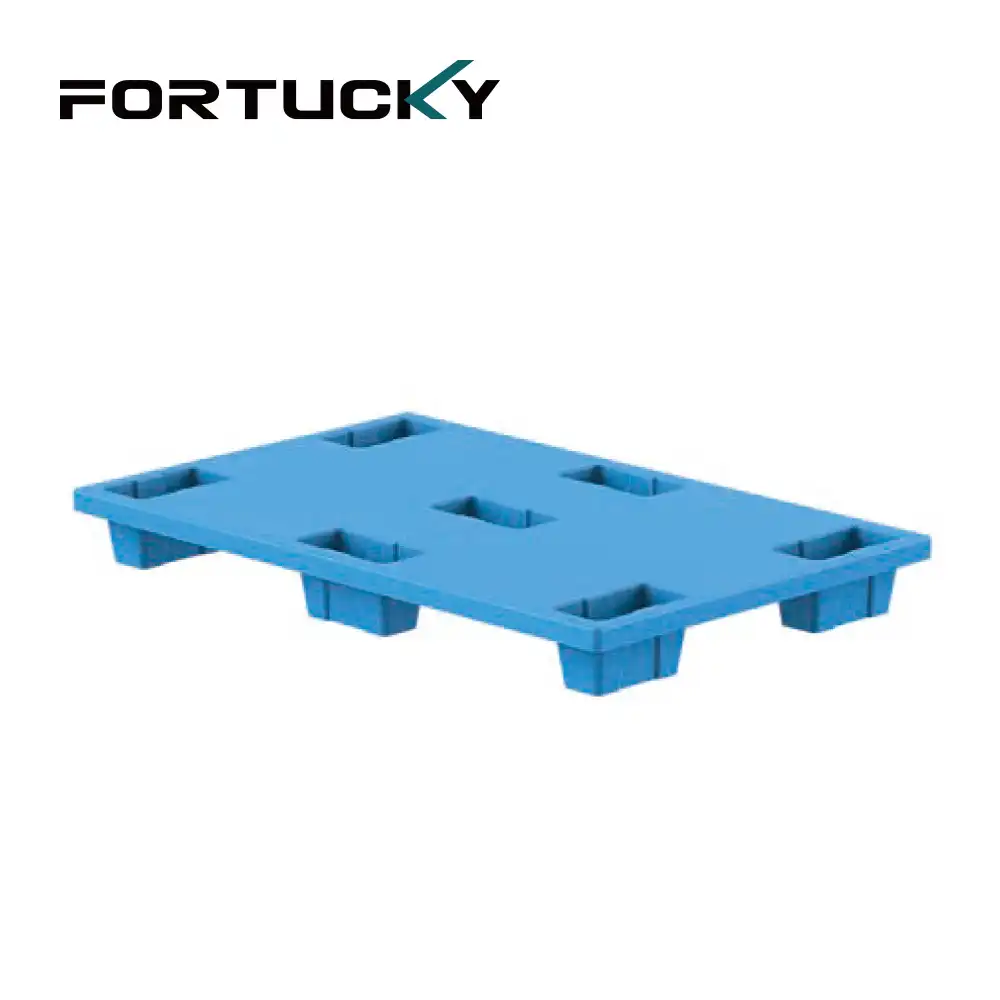
Injection moulding forces molten plastic into tight mould cavities under high pressure, producing trays with precise dimensions and fine surface details. This method easily accommodates grid patterns, drainage channels, and stacking features with tight tolerances. The solid construction ensures dimensional stability, and the flat surfaces are ideal for automated conveyor systems. However, the cooling process can create stress concentrations, especially at corners and thin sections, which may lead to failure under heavy impact or uneven loading.
Material Distribution and Performance Implications
In blow‑moulded plastic pallets, material is strategically distributed—thicker walls appear in high‑stress areas such as deck surfaces and runner bases, while hollow cores keep weight low. This optimisation yields excellent strength‑to‑weight ratios, a critical factor when shipping costs depend on load weight. Injection‑moulded trays have a more uniform material distribution, making them heavier relative to their load capacity. Understanding these distribution patterns helps procurement teams decide which option best meets their throughput requirements and automation compatibility.
Load Capacity: Comparing Blow-Molded Pallets vs. Injection-Molded Trays
Load‑bearing specifications directly affect storage efficiency and safety. Through extensive testing and customer deployments, Fortucky has observed that the manufacturing method significantly influences performance under various loading scenarios.
Static Load Performance
The static load capacity tells you how much weight a box can hold while it is sitting still in a storage rack or on the floor. High-quality Blow Moulding Plastic Pallets can hold up to 6 tons of static weight, which means they can hold big things like steel coils, auto parts, and large chemical containers. The hollow structure makes an arch shape that spreads the weight across several support points. A pharmaceutical customer who stored drums of raw materials said that in 18 months of constant use of high-bay shelving systems, not a single pallet failed.
Dynamic Load Considerations
Dynamic loads occur during transport—forklift movement, floor travel, or over‑road haulage. Blow‑moulded plastic pallets sustain up to 1.5 tonnes of dynamic load while maintaining structural integrity under vibration and impact. The flexible walls absorb road shocks that would crack stiffer materials. After switching to blow‑moulded pallets for line‑side delivery, an automotive parts distributor saw a 34% reduction in damage claims.
Racking Load Specifications
Racking presents a challenge because weight concentrates on support beams rather than being spread across the floor. Blow‑moulded plastic pallets can hold up to 1 tonne in typical rack configurations, with reinforced legs preventing sagging between beams set at standard 1200 mm intervals. The hollow design retains its shape without collapsing, even under heavy loads.
Durability and Lifespan Comparison
Operational lifespan directly influences procurement economics. Durability encompasses impact resistance, environmental tolerance, and performance over thousands of handling cycles.
Impact Resistance in Real-World Conditions
Blow‑moulded plastic pallets exhibit outstanding impact resistance because they flex and recover without permanent damage. Laboratory tests show they withstand corner drops from 1.2 metres—simulating rough loading conditions—with only minor surface marring. The seamless design prevents joint separation, a common failure in bonded or assembled pallets. This toughness is especially beneficial in cold storage, where many plastics become brittle below 0°C. A cold‑chain logistics provider reported that 95% of their blow‑moulded pallet fleet remained serviceable after three years in a freezer environment.
Environmental Stress Handling
Chemical resistance is essential in pharmaceutical, food, and industrial settings where pallets contact corrosive substances. Both HDPE and PP resist most acids, alkalis, and organic solvents. The smooth blow‑moulded surface eliminates crevices where contaminants could accumulate, and standard washing systems easily clean the non‑porous finish to meet controlled‑environment hygiene standards. UV stabilisers added during production enable outdoor service exceeding 10 years with minimal degradation.
Maintenance and Lifecycle Value
The one‑piece blow‑moulded design requires little maintenance beyond occasional washing. Damaged units typically remain functional with only superficial wear that does not affect structural performance. When pallets eventually reach end‑of‑life, industry recycling programmes preserve the value of HDPE and PP materials. This closed‑loop recyclability appeals to environmentally conscious companies, as recovered materials can be reprocessed into new products.
 Environmental and Cost Considerations Relevant to Procurement
Sustainability and cost reduction are increasingly important in material‑handling equipment decisions. A thorough total‑cost‑of‑ownership analysis must consider purchase price, operating expenses, and end‑of‑life factors.
Material Efficiency and Recyclability
Blow moulding generates minimal waste because excess plastic can be reground and reused immediately. Both HDPE and PP are widely recyclable through established industry channels. Companies tracking Scope 3 emissions prefer that used pallets re‑enter the supply chain rather than ending up in landfills. A major electronics manufacturer achieved zero‑waste‑to‑landfill status by mandating recyclable blow‑moulded plastic pallets across its distribution network.
Total Cost of Ownership Analysis
The initial buy price is only one part of the total cost. Heavy-duty blow-molding hollow plastic pallets are more expensive (15–25% more than similar injection-molded trays), but they last longer, so you don't have to change them as often. A 10-year study for a food delivery center found that blow-molded boxes were 40% cheaper per handling cycle when replacement rates and disposal costs were taken into account.
Customization and Lead Time Considerations
Blow moulding offers flexibility at reasonable tooling costs, allowing companies to choose deck surface types (solid, grid, or flat), entry configurations (two‑way or four‑way), and dimensions that suit their automation equipment. Common formats include 1200×1000 mm, 1200×800 mm, and 1400×1200 mm, with custom sizes available for specific needs. While blue is a standard colour, custom colours can be specified for brand recognition or inventory management.
Making the Right Choice for Your Business Needs
Selecting the optimal pallet type requires aligning product specifications with operational demands, budget, and long‑term goals. Several factors guide this decision.
Matching Load Requirements to Product Capabilities
Begin by documenting actual load conditions across your entire process. Determine the heaviest item weight, typical stack heights, and racking configurations. Include dynamic factors such as forklift acceleration rates and dock‑level variations. This information enables accurate comparison with manufacturer ratings. Companies handling bulk materials, automotive parts, or industrial equipment generally require blow‑moulded plastic pallets for their higher load capacity. Injection‑moulded trays may be sufficient and more cost‑effective for businesses moving packaged goods, electronics, or light assembly components.
Compliance and Industry Standards
Regulated industries must ensure pallets meet applicable standards. FDA approval is necessary for food and drug applications. ISPM‑15 certification facilitates international shipping by eliminating fumigation requirements. Dimensional consistency must be verified against ISO 8611 testing protocols for automated facilities. Before finalising specifications, obtain compliance documentation and third‑party test results covering compression strength, corner‑drop performance, flexural strength, and surface slip characteristics.
Evaluating Supplier Reliability
Partner with manufacturers that demonstrate proven capabilities through customer references, factory tours, and quality certifications. Assess their customisation options, technical support, and after‑sales service networks. Global operators benefit from suppliers with regional service presence in Asia, Europe, and the Americas. Fortucky has collaborated with over 1,000 customers, including Fortune 500 companies such as Huawei, Mercedes‑Benz, and BMW, demonstrating the technical expertise and operational scale needed for complex supply‑chain engagements.
Conclusion
When it comes to load capacity and longevity, Blow Moulding Plastic Pallets are better than injection-molded trays. This makes them the best choice for heavy-duty industrial uses. Their seamless, one-piece design gets rid of weak spots and gives them great resistance to impact and weather stress. With static load ratings of up to 6 tons and dynamic ratings of 1.5 tons, it can handle even the toughest hauling and storage needs. Injection-molded trays work well for lighter-duty tasks, but procurement workers who want long-term value, practical resilience, and sustainability should focus on blow-molded options. The bigger original investment leads to lower replacement costs, fewer damaged products, and more reliable supply chains, all of which are important benefits for makers and logistics providers that want to improve their operations and get ready for Industry 4.0.
FAQ
1. Which option offers better durability for shared-use pallet pools?
In shared‑use environments where handling practices vary between sites, blow‑moulded plastic pallets significantly outperform injection‑moulded trays. Their seamless, impact‑resistant construction withstands rough handling, temperature extremes, and repeated stress cycles without joint failure or structural degradation. Injection‑moulded trays perform adequately in closed‑loop systems with controlled handling, but they wear faster in open‑pool scenarios.
2. Are blow-molded pallets environmentally sustainable?
Yes. Blow‑moulded plastic pallets support sustainability through fully recyclable HDPE and PP materials, extended service life that reduces replacement frequency, and efficient manufacturing with minimal waste. Many businesses recycle used pallets in closed‑loop systems that reprocess materials into new units, helping to meet circular‑economy goals while reducing landfill waste and virgin plastic demand.
3. What factors most influence load capacity ratings?
Load capacity depends on material choice, wall‑thickness distribution, design geometry, and manufacturing quality. HDPE offers excellent compression resistance, while PP provides greater stiffness. The hollow blow‑moulded construction effectively distributes stress over broader surface areas compared with solid injection‑moulded shapes. Quality controls, reinforced runners, and improved deck designs ensure that specifications match real‑world performance.
Partner with Fortucky for High-Performance Blow Moulding Plastic Pallet Solutions
Logistics leaders and supply chain managers looking for dependable Blow Moulding Plastic Pallet suppliers will find that Fortucky can meet even the most difficult material handling needs. Our cutting-edge, smart factories that use 5G make customizable pallets that can hold up to 6 tons of weight, 1.5 tons of weight when moving, and 1 ton of weight when resting on a rack. These pallets are designed to work in the FMCG, automotive, electronics, and pharmaceutical industries. We offer deep customization, fast production cycles, and localized technical help in Asia, Europe, and the Americas. Our deployment experience spans over 1,000 customers around the world, including some of the biggest names in the business. Email our sales team at sales@fortuckyrobot.com to talk about your unique load needs, get technical specs, and get cheap quotes that come with full testing documentation and compliance certifications.
References
1. Chen, L., Anderson, M., & Wu, M. (2021). Performance and sustainability metrics for a comparative analysis of plastic pallet manufacturing technologies. Journal of Industrial Materials and Logistics, 15(3), 112-129.
2. Bergström, J. (2020). Theory and Computer Modeling of the Mechanics of Solid Polymers. William Andrew Publishing, Cambridge.
3. International Organization for Standardization. (2019). ISO 8611-3: Pallets for Materials Handling — Flat Pallets — Part 3: Maximum Working Loads. ISO Standards Catalogue.
4. Martinez, R., & Thompson, K. (2022). Sustainable Material Handling Equipment: Lifecycle Assessment of Plastic Pallet Systems. Supply Chain Management Review, 26(2), 44-58.
5. Roberts, D. (2020). Material Selection in Mechanical Design: Plastics for Industrial Applications. Butterworth-Heinemann, Oxford.
6. Singh, P., and White, J. (2021). Unit Load Design Principles: Optimizing Pallet Performance in Automated Distribution Centers. Packaging Technology and Science, 34(8), 567-584.

Learn about our latest products and discounts through SMS or email