- English
- French
- German
- Portuguese
- Spanish
- Russian
- Japanese
- Korean
- Arabic
- Greek
- German
- Turkish
- Italian
- Danish
- Romanian
- Indonesian
- Czech
- Afrikaans
- Swedish
- Polish
- Basque
- Catalan
- Esperanto
- Hindi
- Lao
- Albanian
- Amharic
- Armenian
- Azerbaijani
- Belarusian
- Bengali
- Bosnian
- Bulgarian
- Cebuano
- Chichewa
- Corsican
- Croatian
- Dutch
- Estonian
- Filipino
- Finnish
- Frisian
- Galician
- Georgian
- Gujarati
- Haitian
- Hausa
- Hawaiian
- Hebrew
- Hmong
- Hungarian
- Icelandic
- Igbo
- Javanese
- Kannada
- Kazakh
- Khmer
- Kurdish
- Kyrgyz
- Latin
- Latvian
- Lithuanian
- Luxembou..
- Macedonian
- Malagasy
- Malay
- Malayalam
- Maltese
- Maori
- Marathi
- Mongolian
- Burmese
- Nepali
- Norwegian
- Pashto
- Persian
- Punjabi
- Serbian
- Sesotho
- Sinhala
- Slovak
- Slovenian
- Somali
- Samoan
- Scots Gaelic
- Shona
- Sindhi
- Sundanese
- Swahili
- Tajik
- Tamil
- Telugu
- Thai
- Ukrainian
- Urdu
- Uzbek
- Vietnamese
- Welsh
- Xhosa
- Yiddish
- Yoruba
- Zulu
Metal sack truck guide: what they are & how to use them
How well heavy things are moved affects how productive production and transportation processes are. Metal sack trucks are specialized material handling tools made from high-tensile steel or aluminum alloys. They have transformed how warehouses and factories handle heavy loads. Unlike flimsy plastic alternatives, these sturdy hand trucks use lever mechanisms to make moving bags, packages, and industrial materials weighing several hundred kilograms easier for the operator. Their durability meets critical operational needs in environments such as cold‑chain logistics, automotive parts facilities, and FMCG distribution centers, where equipment failure slows workflows and increases the risk of workplace injuries.
 What Is a Metal Sack Truck?
Understanding their core construction reveals why these tools are so popular for material handling in industrial settings. Typically, aircraft‑grade aluminum or tubular steel frames form the chassis, comprising the toe plate, vertical frame, and handle assembly. This configuration functions as a Class 1 lever, with the wheel axle serving as the fulcrum, enabling a single worker to tilt and move loads that would otherwise require forklifts or multiple personnel.
Evolution from Traditional Designs
Older designs made of wood and composites were inadequate for heavy commercial use. Modern steel designs address these shortcomings through advanced manufacturing techniques. Cold‑rolled steel platform decks feature molded surfaces with a high‑friction texture, offering significantly better rust resistance than painted finishes. Years of engineering refinement have led to this evolution, striking a balance between weight reduction and load‑bearing capacity. Aluminum versions now match steel in strength while reducing operator strain during transport.
Structural Superiority in Industrial Environments
The all‑steel handle structure, built with pressure‑bar construction, exemplifies precision engineering. Between the handles, folded ribs, and mounting points, triangular support systems are formed by square steel blocks. This effectively reduces wobble that could compromise load stability. This geometry distributes stress across multiple support points rather than concentrating it on welded joints. Thicker platform decks withstand repeated impacts from loading docks and uneven terrain without permanent deformation, maintaining dimensional integrity throughout their service life.
Material Composition and Durability Standards
Professional‑grade units are constructed from 25 mm diameter steel tubing with tensile yield strengths exceeding 400 MPa. Powder coating that meets ASTM B117 salt spray standards prevents corrosion in damp indoor environments and outdoor construction sites. The non‑slip platform surface features raised patterns that maintain friction even when contaminated with dust or water, preventing load shifting during transport. These characteristics ensure equipment performs reliably in pharmaceutical, electronics, and food processing facilities, where strict cleanliness and contamination control are mandatory—surfaces must be easy to clean and corrosion‑resistant.
Key Benefits of Using Metal Sack Trucks in Business Operations
Operational efficiency gains directly impact the bottom‑line metrics that procurement professionals monitor closely. These tools address multiple challenges simultaneously, including reducing labor costs and ensuring workplace safety compliance.
Heavy-Duty Load Capacity and Throughput Enhancement
Safe working loads for standard industrial models range from 150 kg to 350 kg, and heavy-duty models are built to handle 500 kg standing loads. With this feature, a single person can move heavy items that used to need team lifts or powered tools. This means that cycle times can be shortened in high-throughput distribution centers that work with Fortune 500 companies in industries like FMCG and automobiles. Workers' compensation costs and absences are driven by joint disorders. A warehouse manager can move more things per shift while lowering the risks of these disorders with a Steel rust-proof handling handcart.
Its small steel frame design makes it easy to move through efficient warehouse plans with narrow aisles. Four-wheel designs with two fixed and two swivel casters make it easy to move around without losing support when carrying heavy things. The wheels are shockproof, puncture-proof, and have double bearings that make sure they move quietly and smoothly on different types of floors. The noise level is kept within OSHA guidelines.
Versatility Across Manufacturing and Logistics Sectors
Deployment scenarios span a wide range of industrial applications. Cold‑chain transport benefits from corrosion‑resistant construction that withstands temperature fluctuations and condensation. Construction equipment suppliers use various rubber tire types to deliver parts across rough terrain to assembly points. Pharmaceutical production sites appreciate easy‑to‑clean surfaces that meet GMP standards. Given their versatility, metal sack trucks represent a smart investment for businesses operating diverse facilities or expanding into new markets.
ROI Through Durability and Reduced Maintenance
Total cost of ownership analyses demonstrate that metal construction is more cost‑effective than alternatives. Welded steel frames avoid the catastrophic failures common to riveted or bolted systems. Powder‑coated finishes eliminate the need for annual repainting, reducing maintenance labor and material costs. Foldable platform designs enable compact storage when not in use, optimizing warehouse space utilization. B2B procurement teams can achieve significant savings through bulk purchasing, with tools lasting over ten years under normal industrial use.
How to Use a Metal Sack Truck Efficiently and Safely
Proper usage extends equipment life and prevents avoidable injuries. Effective material handling programs are built on safety protocols and regular maintenance schedules.
Correct Loading Techniques for Balanced Distribution
Proper load positioning prevents tip‑overs and reduces frame stress. The toe plate must be fully inserted under the load’s center of gravity before tilting. Uneven weight distribution places excessive stress on wheel bearings and axle mounts, accelerating wear and creating weak points. Using straps or wraps to secure stacked items during transport maintains load stability. These fundamental techniques should be emphasized in training programs, particularly for new warehouse workers unfamiliar with lever mechanics.
Maneuvering Across Varied Terrain and Tight Spaces
Different wheel designs suit different environments. Pneumatic tires absorb shocks when operating on rough outdoor terrain or construction sites, protecting fragile loads from vibration damage. Solid polyurethane wheels perform best on smooth factory floors and in areas with metal shavings that could puncture pneumatic tires. Understanding these characteristics helps facility managers select models suited to their specific operating environments. 360‑degree swivel casters facilitate navigation around corners and through doorways, reducing operator fatigue during long shifts.
Safety Protocols and Weight Limit Compliance
Adhering to Safe Working Load ratings prevents equipment failure and operator injury. Overloading causes permanent frame deformation, compromising stability for subsequent loads even after the weight is reduced to proper limits. Industrial operations typically require steel‑toed footwear and gloves as part of personal protective equipment. Safety training should cover common hazards such as pinch points during folding operations and proper hand placement on handles to avoid crushing injuries.
Maintenance Routines for Extended Service Life
Proactive inspection schedules identify wear and tear before equipment failure occurs. Weld seams should be visually inspected weekly for cracks, particularly at high‑stress junctions where handles attach to the main frame. Monthly lubrication of bearings with appropriate industrial greases ensures smooth rolling resistance and prevents heat buildup under load. Annually, structures should undergo static load tests at 1.25 to 1.5 times rated capacity to measure permanent deflection. These practices align with predictive maintenance strategies that reduce unplanned downtime, helping logistics leaders and production engineers achieve throughput targets.
 Types and Specifications of Metal Sack Trucks
To choose a product, you have to match its technical specs to its working needs. Different designs are available to fit different business needs and budgets, including options like the Multifunctional vertical heavy object handling vehicle.
Wheel Configuration Options
The choice between solid and pneumatic wheels significantly affects performance. Pneumatic tires absorb shocks during transitions between loading docks or when navigating areas with stacked pallets. However, they require regular pressure checks and eventual replacement after punctures. Solid polyurethane options eliminate the need for inflation maintenance while providing reliable performance in environments with sharp debris. Distribution centers handling electronics or automotive parts often specify solid wheels to prevent mid‑shift breakdowns and delivery delays.
Fixed-Frame Versus Foldable Designs
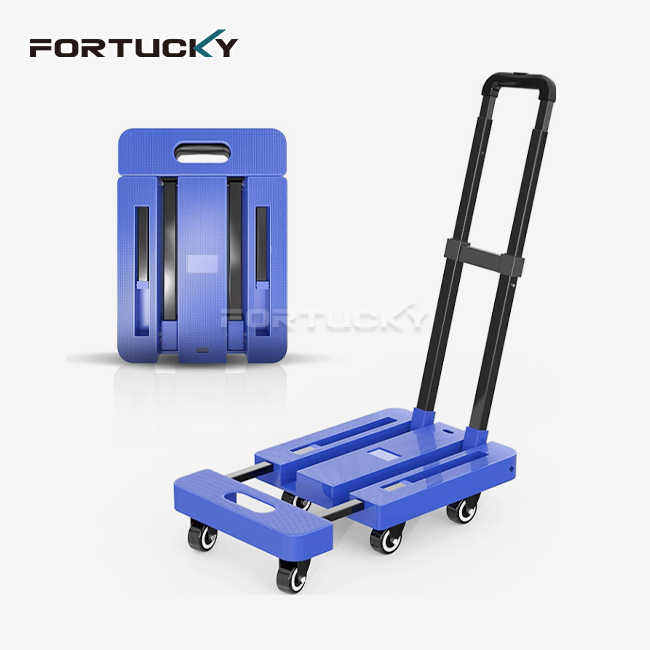
Different structural variants reflect different operational priorities. Fixed‑frame types offer superior strength through continuous welding, making them suitable for heavy industrial applications with frequent loading and unloading cycles. The absence of folding mechanisms eliminates potential weak points, extending service life in demanding conditions. Foldable platforms, conversely, feature hinged deck components that collapse for compact storage, benefiting facilities with limited space or mobile deployment scenarios. Both versions feature rubberized handles for comfort, with plastic spray coatings providing water resistance. Handles can be customized in various colors to support color‑coded inventory management systems.
Weight Capacity Ranges and Dimensional Considerations
Capacity levels cater to different load types. Light‑duty 150 kg models suit backroom store operations and office supply delivery. Medium‑capacity 250 kg models handle standard warehouse tasks involving bagged and boxed goods. Heavy‑duty 350–500 kg units serve industries such as steel processing, chemical production, and construction equipment, where robust structures are required for bulk materials. The platform deck height and width must align with standard pallet sizes and doorway clearances throughout the facility. To avoid accessibility issues post‑delivery, procurement professionals should measure critical pathways before equipment selection.
How to Choose and Procure the Best Metal Sack Truck for Your Business
Strategic sourcing requires balancing short‑term operational needs against long‑term total cost of ownership. Beyond unit price, evaluation factors include supplier capabilities and the support infrastructure they provide.
Assessing Technical Requirements
Load capacity requirements should be based on the heaviest items typically moved, not average weights. Including a safety margin prevents operating too close to equipment limits, which accelerates wear. Welding standards indicate frame longevity; MIG or TIG methods are superior to spot welding. Coating thickness measurements ensure adequate corrosion protection for the intended environment. Portability needs determine whether foldable designs justify their additional complexity, particularly for tasks requiring tool movement between buildings or job sites.
Supplier Evaluation and Quality Assurance
Reputable manufacturers maintain documented quality control procedures, including weld seam integrity checks, static and dynamic load testing, and coating adhesion verification. Cross‑cut tape tests on powder‑coated surfaces confirm chip resistance, preventing rust formation on exposed metal. Bearing endurance testing under maximum loads measures heat generation and wear rates, informing maintenance scheduling. Drop testing simulates real‑world impacts to ensure wheel hub and toe plate welds withstand normal handling. Commercial buyers should request certification documentation demonstrating compliance with safety and performance standards.
Pricing Strategies and Procurement Terms
Tiered pricing systems offer significant savings for large‑volume purchases. Bulk orders often secure discounts exceeding 20% off unit prices, improving cost‑effectiveness for facility expansion or fleet upgrades. Customization options—such as logo branding, unique wheel configurations, or size alterations—typically involve setup fees that are amortized over larger order quantities. Negotiating payment terms, delivery schedules, and warranty extensions as part of the package adds value beyond price reduction.
Understanding shipping procedures helps avoid unplanned delays and costs. Domestic suppliers typically offer shorter lead times and simpler warranty service compared to foreign suppliers, although international suppliers may offer lower unit costs. Accurate budget estimates require calculating total landed cost, including freight, duties, and potential storage fees. Clear delivery timelines ensure equipment availability aligns with project goals or seasonal demand peaks in industries such as food processing and beverage distribution.
Conclusion
Metal sack trucks are essential infrastructure components for material handling in industrial and logistics sectors. Their robust steel or aluminum construction ensures reliable performance in harsh industrial environments, including cold‑chain facilities and construction sites. By understanding technical specifications, operational best practices, and procurement strategies, logistics leaders and procurement experts can select equipment that boosts throughput while minimizing total cost of ownership. Heavy‑duty load capacity, versatile wheel designs, and low maintenance requirements collectively address key challenges, including reducing labor costs and ensuring workplace safety compliance. Strategic sourcing from reputable suppliers protects long‑term business investments by providing quality‑assured products backed by strong support networks.
FAQ
1. What is the maximum weight capacity for industrial metal sack trucks?
Safe Working Loads for standard industrial metal sack trucks typically range from 150 kg to 350 kg, suitable for most warehouse and factory applications. Heavy‑duty models with reinforced wheels and gusseted toe plates can support up to 500 kg static loads. Overloading beyond rated capacity causes permanent frame deformation and safety hazards, making it essential to select equipment with adequate capacity margins. Load ratings are based on static weights; dynamic forces during movement or on uneven surfaces impose additional stress on structural components.
2. How often should metal sack trucks undergo maintenance inspection?
Weekly visual inspections of weld integrity and wheel condition detect emerging issues before equipment failure. Monthly lubrication of bearing components ensures smooth operation and prevents premature wear. Annual structural load tests at 1.25 to 1.5 times rated capacity measure permanent deflection to verify continued integrity. High‑usage facilities or harsh environments may require more frequent inspections. Maintaining maintenance records supports planned replacements and warranty claims in case of premature failure.
3. Do foldable metal sack trucks sacrifice durability compared to fixed-frame models?
Modern folding designs incorporate hinges and locking mechanisms that maintain structural rigidity during use. Fixed‑frame designs eliminate the potential weak points of folding systems, but high‑quality foldable models still meet the same safety and load standards. The choice depends on practical priorities: fixed frames are optimal for long‑term use in harsh environments, while foldable versions suit space‑constrained facilities or equipment that must be moved between locations. Premium folding models with pressure‑bar construction feature triangular support systems that ensure stability and reduce wobble, comparable to fixed‑frame options.
Partner with Fortucky for Advanced Material Handling Solutions
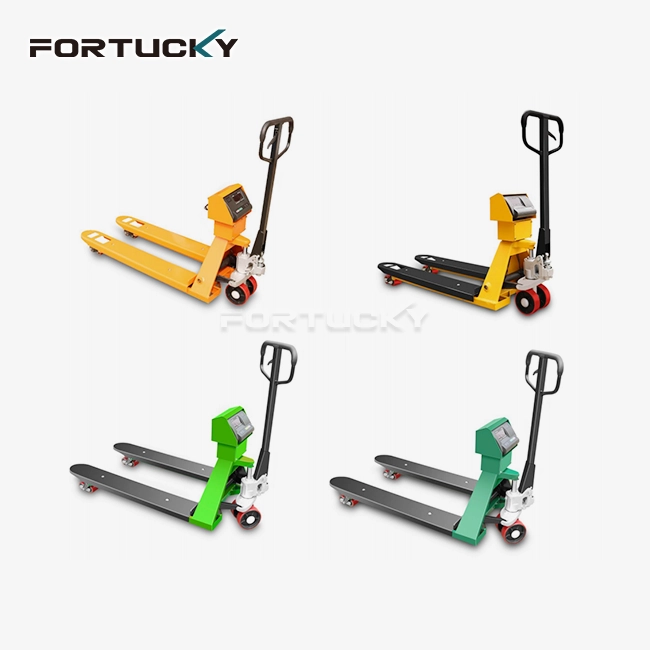
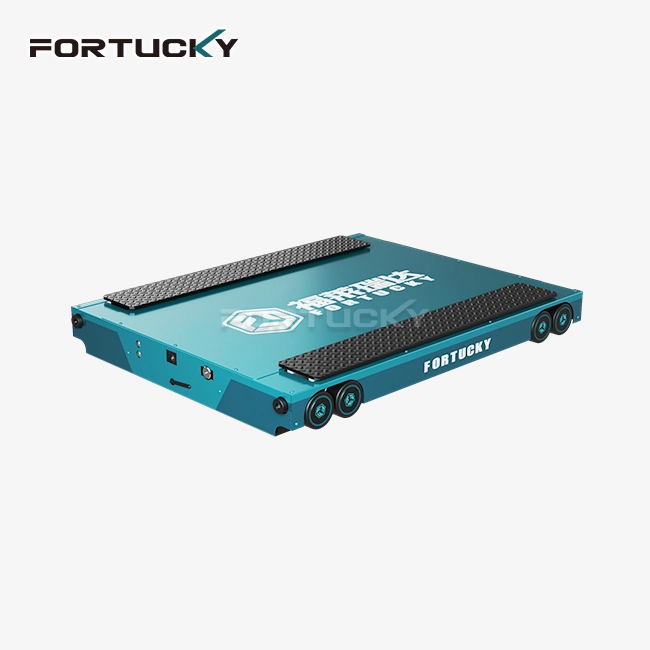
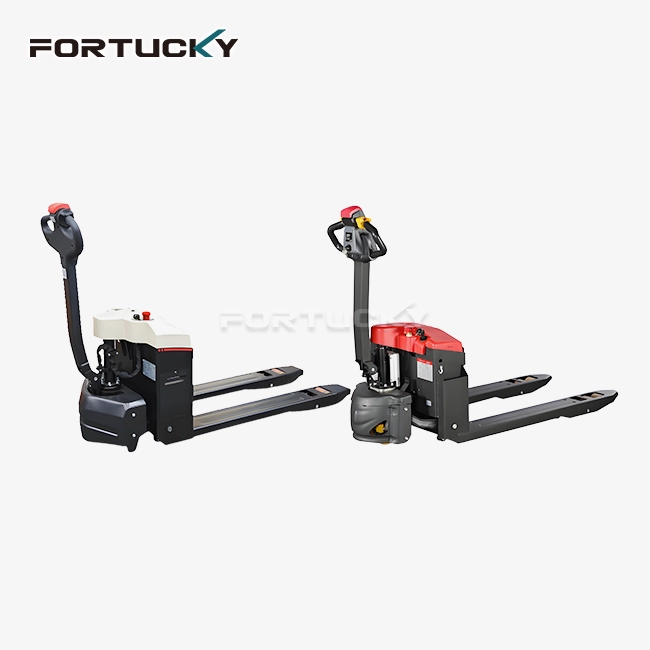
To make your facility's material handling more efficient, you need more than just standard tools. You need engineered solutions that are specifically designed to fit your business processes. At Fortucky, we have decades of experience putting our products to use for more than 1,000 users around the world. Our wide range of products includes everything from human hand trolleys to fully automated warehouse systems. Our Metal sack truck options are made from cold-rolled steel, have integrated shaping for better rust resistance, and can be configured in any way that meets your specific needs for capacity and portability.
Working with a trusted Metal sack truck provider committed to fast delivery and localised deployment means your purchase plan stays on schedule. Our engineering teams can make a lot of changes to fit your needs, whether you need special wheel kits for rough terrain or designs that can be folded up to save room. We offer competitive prices on large orders, and we have a history of working with Fortune 500 companies in the car, FMCG, and pharmaceutical industries. This means that you can be sure that your material handling investments will pay off. Get in touch with our purchasing experts right away at sales@fortuckyrobot.com to talk about your unique needs and get detailed product specifications that are made to fit your work setting.
References
1. National Institute for Occupational Safety and Health, "Ergonomic Guidelines for Manual Material Handling," DHHS Publication No. 2007-131, Centers for Disease Control and Prevention, 2007.
2. Materials Handling Industry of America, "Safety Standards for Manual Handling Equipment: Design and Performance Requirements," MHIA Technical Report MH29.1, 2019.
3. American Society for Testing and Materials, "Standard Practice for Operating Salt Spray (Fog) Apparatus," ASTM B117-19, ASTM International, West Conshohocken, PA, 2019.
4. Occupational Safety and Health Administration, "Materials Handling and Storage: Guidelines for Employers," OSHA Publication 3243, U.S. Department of Labor, 2002.
5. International Journal of Industrial Ergonomics, "Biomechanical Analysis of Manual Material Handling Using Hand Trucks in Warehouse Operations," Volume 68, March 2018, pp. 112-123.
6. Chartered Institute of Logistics and Transport, "Best Practices in Warehouse Equipment Procurement and Maintenance," Professional Development Series, CILT International, 2021.
Learn about our latest products and discounts through SMS or email