- English
- French
- German
- Portuguese
- Spanish
- Russian
- Japanese
- Korean
- Arabic
- Greek
- German
- Turkish
- Italian
- Danish
- Romanian
- Indonesian
- Czech
- Afrikaans
- Swedish
- Polish
- Basque
- Catalan
- Esperanto
- Hindi
- Lao
- Albanian
- Amharic
- Armenian
- Azerbaijani
- Belarusian
- Bengali
- Bosnian
- Bulgarian
- Cebuano
- Chichewa
- Corsican
- Croatian
- Dutch
- Estonian
- Filipino
- Finnish
- Frisian
- Galician
- Georgian
- Gujarati
- Haitian
- Hausa
- Hawaiian
- Hebrew
- Hmong
- Hungarian
- Icelandic
- Igbo
- Javanese
- Kannada
- Kazakh
- Khmer
- Kurdish
- Kyrgyz
- Latin
- Latvian
- Lithuanian
- Luxembou..
- Macedonian
- Malagasy
- Malay
- Malayalam
- Maltese
- Maori
- Marathi
- Mongolian
- Burmese
- Nepali
- Norwegian
- Pashto
- Persian
- Punjabi
- Serbian
- Sesotho
- Sinhala
- Slovak
- Slovenian
- Somali
- Samoan
- Scots Gaelic
- Shona
- Sindhi
- Sundanese
- Swahili
- Tajik
- Tamil
- Telugu
- Thai
- Ukrainian
- Urdu
- Uzbek
- Vietnamese
- Welsh
- Xhosa
- Yiddish
- Yoruba
- Zulu
What is the maximum lifting height of a portable manual stacker?
Different models and types of compact manual stackers have different maximum lifting heights, which can be anywhere from 1,500mm to 3,000mm. Light duty Manual Stacker units can usually lift things up to 2,000 mm high and are made to hold loads of 200 kg to 1500 kg. Because of these features, they are perfect for warehouse work that needs modest height for tasks like stacking boxes, reaching mid-level shelves, or working on the loading dock. The real highest point relies on things like the weight that can be lifted, how the hydraulic system is designed, and how stable the structure needs to be.
 Understanding Portable Light-Duty Manual Stackers
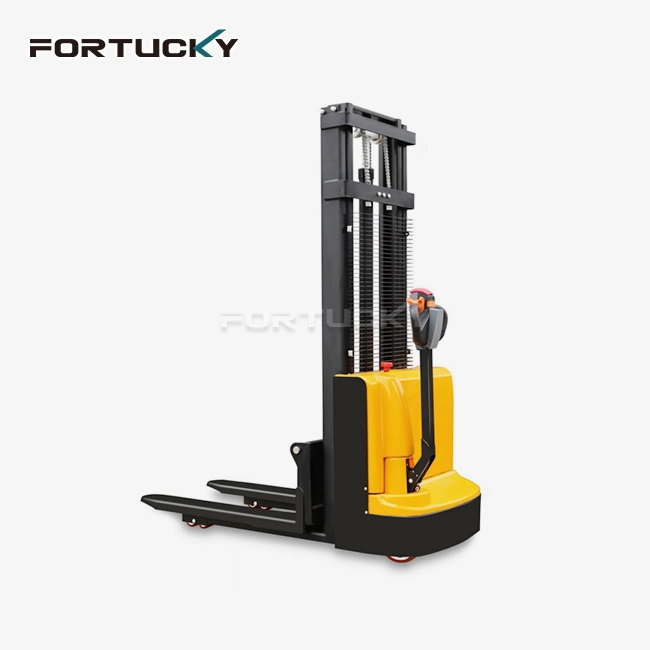
Portable manual stackers, which are also called manual lift trucks or hydraulic forklift trucks, are very important pieces of business tools for moving things around. These machines have hydraulic lifting systems that let workers move heavy things up and down without needing extra power or complicated repair procedures.
Core Design Principles and Functionality
The basic way these stackers work depends on hydraulic pressure that is created by hand pumping by hand. When the workers turn on the hydraulic pump, fluid pressure builds up in the cylinder system. This raises the fork assembly and the materials it holds over time. This technical benefit lets workers lift heavy things with little physical effort. This makes these units especially useful in places where electricity might not be available or isn't practical.
Because they are small and can be used in a variety of ways, these stackers are useful in many commercial settings. These lifting methods are often used in distribution centers, manufacturing plants, shop storage areas, and transportation hubs. Because they don't use electricity, there are no worries about waste or damage to the environment, and they are easier to use and require less upkeep.
Technical Specifications That Define Performance
Several important features that decide how well modern portable manual stackers work are built into them. The load limit is usually between 1,000 kg and 1,500 kg, which is enough for most normal pallet loads that you'll see in an industrial setting. The length (800mm), width (100mm), and thickness (50mm) of the forks are all the same, so they can work with normal pallet systems and hold loads securely.
The parts of the hydraulic system of a light-duty pallet lifter, especially the width of the oil pump (35 mm for 1,000 kg units and 40 mm for 1,500 kg models), have a direct effect on how well the lifting works and how reliable it is. High-quality oil cylinders with foreign seals make sure that the machine always works well and doesn't need much upkeep. The structural materials, which range from 10# channel steel for smaller units to 12# channel steel for models with more capacity, are strong and durable enough to be used in harsh industrial settings.
Maximum Lifting Height Explained
To figure out how high portable manual stackers can lift, you have to look at both the technical limits and the real-world uses that drive these specs. It is the lifting height that directly affects how well these tools work and what kinds of jobs they can do well.
Structural Factors Affecting Maximum Height
Many standard models have a maximum lifting height of 1,600 mm. This is the result of careful engineering that balances stability, human safety, and useful needs. As the height goes up, it gets harder for the mast design to keep its structural integrity while holding loads at high elevations. The design of the hydraulic system also affects the highest heights that can be reached, since higher elevations need more fluid pressure and stronger cylinder construction.
At the highest lifting heights, load safety is especially important. Safe working limits are based on how the load center, mast form, and base stability work together. When working at or close to their maximum height, units with bigger leg configurations (730mm outer width) and the right amount of ground clearance (90mm) are more stable. The turning radius of ≤1,380mm makes it possible to move around even when heavy loads are being carried.
Comparing Height Capabilities Across Different Models
Light duty Manual Stacker types can reach different heights depending on what they're used for and how much weight they need to hold. The tallest standard storage models can usually go up to 1,600 mm, which is the same height as most shelf systems and pallet racks. For certain uses, units that can reach 2,000 mm or higher may be needed, but they usually come with trade-offs when it comes to base stability or load capacity.
The speeds of lifting and lowering also affect how the height is actually used. Standard lifting speeds of 20 mm/s make sure that workers can get a fair amount done while still being able to handle the load and keep it stable. Adjustable lowering speeds let workers match fall rates to specific load needs and safety concerns. This is especially important when working at maximum height, where precise control is needed.
Safety and Ergonomic Considerations for Maximum Height Usage
To use manual stackers at their highest lifting height, users must pay close attention to safety rules and ergonomics that protect them and the people around them. Loads that are lifted cause special problems that need to be carefully thought through when choosing tools and planning operations.
Stability and Load Security Measures
When working at the highest level, the most important safety issue is the steadiness of the load. Because the center of gravity is higher, users have to move more slowly and avoid quick changes in direction or speeding up. The high-strength forged cargo forks reliably support the load, but the user is still responsible for placing and locking the load correctly.
The electromechanically integrated hydraulic system works reliably and safely, especially when working at high heights. Consistent hydraulic pressure stops loads from dropping or rising in strange ways that could hurt the user or damage the materials. The high-strength plate chain design makes the system last longer and lowers the chance of a technical failure during important pulling tasks.
Ergonomic Design Elements That Enhance Safety
Specifically built to reduce user pain during long periods of use, especially when working at heights, modern manual stackers have ergonomic features. The relatively light build (140 kg for 1,000 kg models and 160 kg for 1,500 kg models) makes it easy to move around while still keeping structural strength. Wheels that don't wear out and can be used on different types of floors make moving things easier and require less physical effort.
Positioning of the handles and the layout of the controls help keep operators from getting tired and encourage good pulling methods. Being able to keep easy working positions lowers the risk of repetitive stress injuries and makes the workplace safer generally. When operators are comfortable, they are more likely to be productive and make fewer mistakes. This is especially true during long work times or processes that happen a lot.
 Comparing Light-Duty Manual Stackers With Alternative Equipment
When choosing between manual stackers and other types of material handling equipment, you need to look at a number of factors, such as cost, performance, maintenance needs, and operating freedom. Being able to understand these similarities helps procurement pros make choices that are right for their business.
Manual Stackers Versus Electric Alternatives
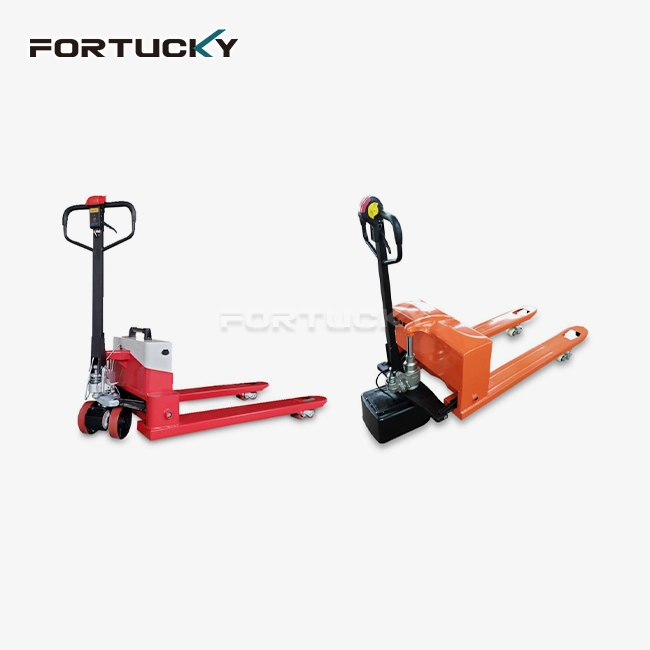
Manual stackers are much cheaper to buy, easier to maintain, and more flexible in how they are used. The design doesn't use electricity or pollute the environment, so there are no worries about battery upkeep, charge infrastructure, or electrical safety rules. Because of this, they work especially well in places where electricity might not be stable or where there are limits on emissions.
But electric stackers can usually lift things higher and work more quickly, which may make up for their higher starting cost in high-throughput situations. Light duty Manual Stacker units work best when the lifting height is modest (1,600 mm), and the cost-effectiveness of manual operation makes acceptable levels of output of work. Most of the time, the decision relies on how well the original investment, ongoing costs, and need for productivity are balanced.
Comparison With Pallet Trucks and Specialized Equipment
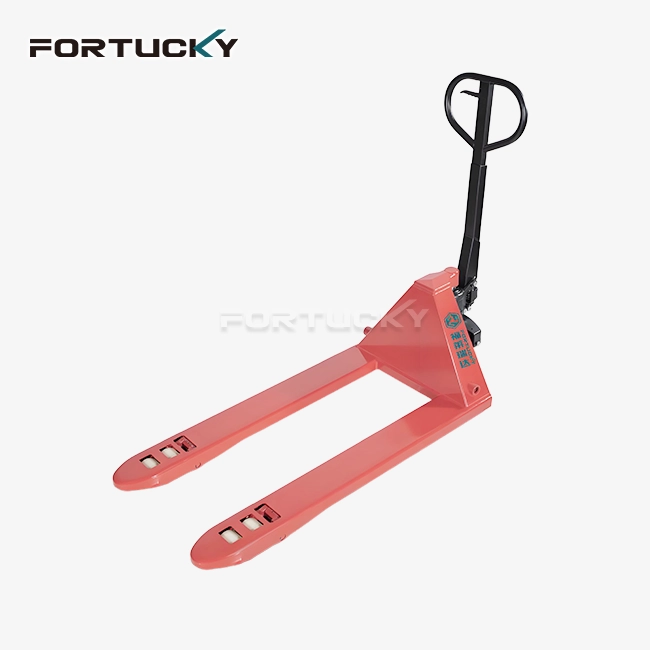
Pallet trucks, such as a light-duty pallet lifter, are great for moving things horizontally, but they don't have the height-adjusting features that make stackers useful for vertical storage. Because they can lift to 1,600 mm, manual stackers can get to high storage areas that normal pallet trucks can't reach. This makes them more useful for a wider range of material handling jobs.
Specialized tools like reach trucks and balancing cranes can reach higher places, but they cost a lot more and require more complicated training for the operators. Manual stackers are easy for a wider range of workers to use because they are small and simple to operate. They can still reach high enough for most storage tasks.
How to Choose the Right Light-Duty Manual Stacker with Appropriate Lifting Height?
When looking for the best manual stacker, you need to carefully consider working needs, technical specs, and long-term costs. The lifting height standard is very important in this decision-making process because it has to work with the current system and the way things are done.
Assessing Operational Requirements and Infrastructure
The needed lifting height is directly related to how the building or facility is set up. The least amount of lifting that is needed depends on the shelving system, rack layout, and normal storing height. When using standard pallet racks that are between 1,500mm and 1,800mm high, facilities find that stackers with a maximum height of 1,600mm give them enough reach while still leaving enough room for safety.
When figuring out the right height, you should think about how the load is usually handled and how often it is handled. Stackers with lifting heights that are the same as or slightly higher than the most common storage heights are better for jobs that need to lift a lot of things on a regular basis. Fork width adjustments (200–580mm for 1,000 kg units and 240–580mm for 1,500 kg models) must also be able to handle the different sizes and shapes of pallets and loads that are used every day.
Evaluating Technical Specifications and Performance Features
Aside from the basic lifting height, there are a number of technical details that affect performance and operating efficiency as a whole. At 20 mm/s, the lifting speed is good enough for most tasks, and the adjustable lowering speeds let users match the rate of fall to the load needs and safety concerns.
Despite possibly higher starting costs, Light duty Manual Stacker units with strong construction materials and dependable hydraulic components provide better long-term value. The quality of the oil tanks, seal systems, and building materials has a direct effect on how often they need to be maintained and how reliably they work. Fluid leaks and system breakdowns that could stop activities or pose safety risks are less likely to happen when high-quality hydraulic parts and imported seals are used.
Conclusion
For light-duty uses, the highest lifting height of portable manual stackers is usually between 1,600mm and 2,000mm. This is an important specification that has a direct effect on how well they work and how safe they are in industrial settings. Knowing about this possibility helps buying professionals make smart choices that meet their specific material handling needs and get the best return on their investment. These units are useful for many industrial uses where modest elevation is needed to meet output needs because they are reliable in terms of lifting height, cost-effective, and easy to use.
FAQ
Q1: What is the standard maximum lifting height for most portable manual stackers?
The highest lifting height for most portable manual stackers is between 1,500 mm and 2,000 mm, with 1,600 mm being typical for Light duty Manual Stacker models made for normal warehouse uses.
Q2: How does load capacity affect the maximum lifting height?
Higher load limits often need stronger structural parts and hydraulic systems, which can change the highest height that can actually be lifted. Units made to hold 1,500 kg may not be able to go as high as units made to hold 1,000 kg because of safety concerns.
Q3: What safety measures should be followed when operating at maximum height?
When working at maximum lifting height, operators should make sure the load is properly placed, avoid sudden moves, keep an eye on ceiling openings, and follow the manufacturer's instructions for maximum load weight and stability standards.
Transform Your Material Handling Operations with Fortucky's Advanced Manual Stackers
Enhance your warehouse efficiency with Fortucky's precision-engineered Light duty Manual Stacker solutions designed for demanding industrial applications. Our comprehensive range of manual stackers delivers proven performance with maximum lifting heights up to 1,600mm, supporting load capacities from 1,000kg to 1,500kg. With over 1,000 satisfied customers worldwide, including Fortune 500 companies, Fortucky combines deep customization capabilities with rapid delivery schedules to meet your unique operational requirements. Contact our technical specialists at sales@fortuckyrobot.com to discuss your Light duty Manual Stacker supplier needs and discover how our proven solutions can optimize your material handling workflows while reducing operational costs and enhancing workplace safety.
References
1. Industrial Material Handling Equipment Standards and Specifications Manual, International Material Management Society, 2024.
2. Warehouse Safety Guidelines for Manual Lifting Equipment Operations, Occupational Safety and Health Administration, 2023.
3. Comparative Analysis of Manual vs. Electric Stacker Performance in Industrial Applications, Journal of Industrial Engineering, Vol. 45, 2024.
4. Hydraulic System Design Principles for Portable Lifting Equipment, Materials Handling Institute Technical Publication, 2023.
5. Ergonomic Considerations in Manual Material Handling Equipment Design, Applied Ergonomics Research Quarterly, Issue 3, 2024.
6. Cost-Benefit Analysis of Material Handling Equipment Selection for Manufacturing Facilities, Industrial Management Review, Vol. 28, 2024.

Learn about our latest products and discounts through SMS or email