- English
- French
- German
- Portuguese
- Spanish
- Russian
- Japanese
- Korean
- Arabic
- Greek
- German
- Turkish
- Italian
- Danish
- Romanian
- Indonesian
- Czech
- Afrikaans
- Swedish
- Polish
- Basque
- Catalan
- Esperanto
- Hindi
- Lao
- Albanian
- Amharic
- Armenian
- Azerbaijani
- Belarusian
- Bengali
- Bosnian
- Bulgarian
- Cebuano
- Chichewa
- Corsican
- Croatian
- Dutch
- Estonian
- Filipino
- Finnish
- Frisian
- Galician
- Georgian
- Gujarati
- Haitian
- Hausa
- Hawaiian
- Hebrew
- Hmong
- Hungarian
- Icelandic
- Igbo
- Javanese
- Kannada
- Kazakh
- Khmer
- Kurdish
- Kyrgyz
- Latin
- Latvian
- Lithuanian
- Luxembou..
- Macedonian
- Malagasy
- Malay
- Malayalam
- Maltese
- Maori
- Marathi
- Mongolian
- Burmese
- Nepali
- Norwegian
- Pashto
- Persian
- Punjabi
- Serbian
- Sesotho
- Sinhala
- Slovak
- Slovenian
- Somali
- Samoan
- Scots Gaelic
- Shona
- Sindhi
- Sundanese
- Swahili
- Tajik
- Tamil
- Telugu
- Thai
- Ukrainian
- Urdu
- Uzbek
- Vietnamese
- Welsh
- Xhosa
- Yiddish
- Yoruba
- Zulu
What is the maximum load capacity and range of the electric flatbed trolley?
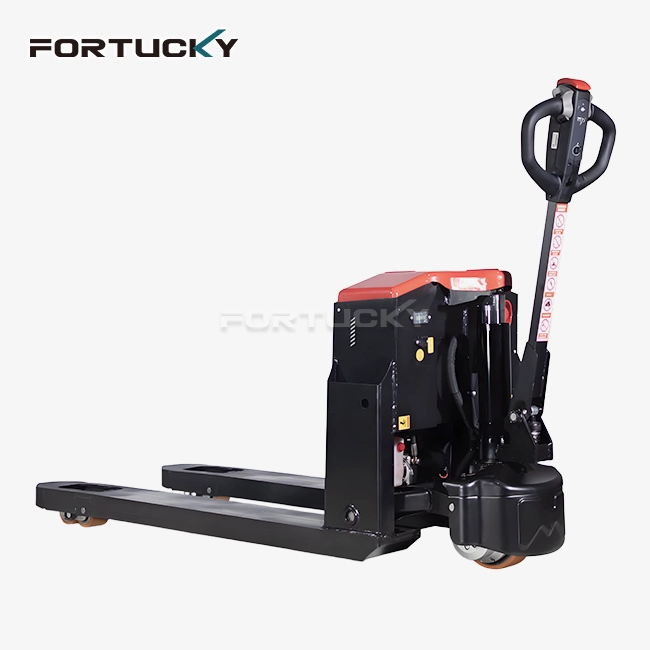
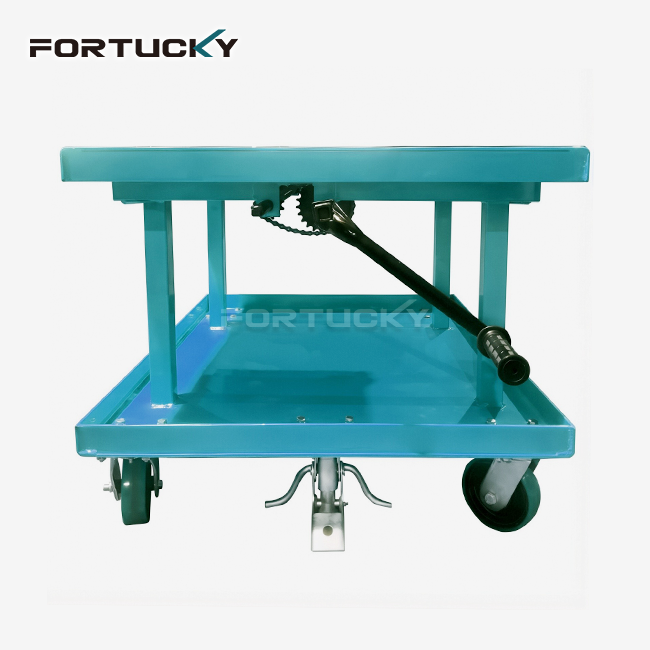
It is important to know what an electric flatbed trolley can do when evaluating material handling tools for your production or logistics business. Depending on the model's structure and motor specifications, the maximum load capacity typically ranges from 300 kg to 5000 kg. The operating range per charge is between 20 km and 50 km, again depending on battery technology and load conditions. With a 48V/20AH battery system, modern electric flatbed handling vehicles, such as those offered by Fortucky, can carry up to 1 ton, meeting the stringent requirements of industries ranging from cold chain logistics to automobile assembly.
 Understanding Electric Flatbed Trolley Load Capacity
When selecting battery‑powered material handling equipment for your facility, load capacity is one of the most critical specifications to consider. This metric directly indicates whether the equipment can safely transport your heaviest pallets, components, or finished goods without compromising workplace safety or reducing equipment lifespan.
Core Factors Influencing Load Capacity
The frame is the most important structural element of any warehouse electric platform truck, as it supports the entire load. High‑grade structural steel, such as Q235B or AISI 304 stainless steel, provides the necessary strength for heavy loads. The steel gauge thickness, weld quality at stress points, and weight distribution across the platform surface all affect the maximum capacity. Motor power also plays a significant role. Units with 800W motors and 48V battery systems can safely handle 1‑ton loads while maintaining speed and maneuverability.
The battery system supports load management in two ways. Beyond powering the motor, it must maintain stable voltage even under heavy stress to prevent performance drops. A 48V/20AH battery setup offers sufficient power reserves to sustain consistent torque output even when the trolley approaches full capacity, ensuring smooth acceleration and braking across various floor surfaces.
Load Categories and Industrial Applications
Different material handling tools are designed for various load types and industry uses. Light‑duty models rated for 300–500 kg work well in environments like electronics factories and pharmaceutical distribution centers, where component sizes are relatively small. Medium‑duty models handling 500–1500 kg meet the needs of food processing plants, retail distribution centers, and warehouses storing consumer goods. Heavy‑duty solutions capable of carrying over 1500 kg are used in steel mills, automotive parts factories, and construction equipment manufacturers, where parts often exceed standard pallet weights.
Understanding these categories helps purchasing teams align equipment specifications with actual operational requirements, avoiding over‑specification that raises costs without delivering proportional returns.
Safety Systems and Load Protection
Overload safety systems use built‑in sensors and programmable controls to prevent operators from exceeding safe weight limits. Modern Curtis or ZAPI control systems monitor load weight in real time and either reduce speed or trigger alarms when approaching maximum capacity. Anti‑rollback devices are particularly important in facilities with sloped floors, as they prevent load shifting during ramp navigation, where gravity makes weight distribution more uneven.
Low‑center‑of‑gravity designs, wide wheelbase configurations, and precision‑engineered suspension systems help keep the platform level on uneven ground. These engineering features ensure that rated load limits reflect real‑world operating conditions, not just laboratory test results.
Exploring the Operational Range of Electric Flatbed Trolleys
Operational range indicates how far your electric material handling equipment can travel on a single charge, directly affecting shift productivity and charging infrastructure requirements. This metric is especially important for large warehouses or multi‑building sites where equipment must cover long distances during each shift.
Battery Technology and Range Performance
Lithium‑ion battery systems are increasingly popular in industrial material handling due to their higher energy density and opportunity‑charging capability. Under normal load conditions, a lithium‑ion‑equipped electric flatbed trolley can achieve 30 to 50 kilometers, significantly more than the 20 to 30 kilometers typical of comparable lead‑acid battery setups. In lithium versions, the Battery Management System (BMS) ensures cell balancing and prevents deep‑discharge situations that shorten battery life.
Lead‑acid batteries are still used in some applications where initial cost outweighs long‑term performance. These traditional power sources require regular maintenance, such as checking water levels and performing equalization charges every 10 to 20 cycles. While they add to operating costs, they offer reliable performance at lower capital investment.
Operational Variables Affecting Range
Load weight has the greatest impact on achievable range. A trolley carrying a full 1‑ton load consumes considerably more electricity than one carrying 500 kg, potentially reducing range by 30 to 40 percent. Terrain conditions amplify this effect. Facilities with slopes, rough concrete floors, or frequent stop‑and‑start activity see faster battery drain than those with smooth, level floors and consistent movement patterns.
Ambient temperature also affects battery chemistry performance. Lithium‑ion systems maintain more stable output across temperature fluctuations, while lead‑acid batteries lose efficiency in cold environments such as refrigerated logistics operations. Regardless of battery type, climate‑controlled facilities naturally improve range performance.
Real-World Range Optimization
When purchasing equipment for multi‑shift operations, procurement teams should base range requirements on actual movement patterns rather than facility size alone. A well‑laid‑out 200,000‑square‑foot warehouse may require less equipment range than a poorly designed 150,000‑square‑foot facility. Time‑and‑motion studies provide realistic distance data, preventing over‑specification or insufficient range planning.
Opportunity charging strategies extend effective working range by fully charging batteries during natural work breaks, such as lunch hours, shift changes, or scheduled maintenance periods. Lithium‑ion technology is particularly well‑suited to this approach, as it accepts high charge rates without the memory effect found in older battery types.
Comparing Electric Flatbed Trolleys with Other Material Handling Solutions
Choosing the right material handling tools requires understanding how different technologies address various operational challenges. Electric flatbed trolleys differ from electric pallet jacks and forklift trucks in their application flexibility, and they offer distinct advantages over manual systems.
Electric Versus Manual Material Handling
While manual carts reduce capital equipment costs, they do so at the expense of ongoing labor expenses and workplace injury risks. Musculoskeletal disorders from repeatedly pushing or pulling loads over 500 kg lead to significant workers' compensation claims and reduced productivity due to absenteeism. Electric propulsion eliminates physical strain, allowing workers to move heavy loads at steady speeds of 4–6 km/h without performance degradation from fatigue.
A cost-benefit study shows that warehouse electric traction platform vehicles and electric systems in high-throughput processes have payback periods of 18 to 24 months. The estimate takes into account lower rates of injuries, faster travel, and happier operators, which lowers the cost of training and replacing them.
Electric Flatbed Trolleys Versus Pallet Jacks
Pallet jacks excel in warehouses with standardized pallet sizes and forklift‑accessible layouts. However, when dealing with irregular loads, custom fixtures, or direct equipment mounting that a pallet configuration cannot accommodate, electric flatbed trolleys offer a flexible platform. Manufacturing settings frequently require moving machinery parts, tools, or work‑in‑progress subassemblies that do not fit standard pallet dimensions.
Modern trolleys feature 360‑degree rotating control handles, allowing operators to maintain eye contact with the load during movement. This enhances safety, particularly in congested production areas where visibility issues increase collision risks. This operator‑facing flexibility is not available on pallet jacks, which are designed primarily for forward travel.
Application-Specific Advantages
Cold chain logistics and pharmaceutical manufacturing have strict noise and emission regulations that make internal combustion engines impractical. Electric drive systems produce zero direct emissions and significantly lower noise levels than diesel or propane‑powered equipment, enabling 24/7 operation in noise‑sensitive areas without disturbing nearby residents or violating local ordinances.
Adjustable turning angles, ranging from 40 to 60 degrees, improve maneuverability in tight production spaces where conventional trucks cannot operate. This flexibility is especially valuable in retrofit automation projects where existing building layouts constrain equipment movement.
Selecting the Right Electric Flatbed Trolley for Your Needs
Before making a purchase that affects your material handling system, ensure that equipment specifications align with operational demands. The selection process should consider load capacity, range requirements, environmental conditions, and total cost of ownership—not just the initial purchase price.
Matching Specifications to Operations
When choosing load capacity, build in safety margins rather than setting the maximum working weight at the machine's limit. A facility that regularly handles 800 kg loads should choose equipment rated for 1 ton, providing operational headroom that reduces equipment stress and extends service life. This approach also accommodates future operational changes without premature replacement.
Range requires similarly forward‑looking analysis. Calculate daily travel distances based on facility layout and workload, then select equipment with a range of 125 to 150 percent of the estimated requirement to avoid mid‑shift charging interruptions that slow throughput.
Evaluating Supplier Capabilities
Global equipment manufacturers vary in their capabilities. Companies like Fortucky offer comprehensive product lines and customization options to meet specific process needs that standard equipment cannot address. Their experience with over 1,000 customers across heavy industry, automotive, electronics, and fast‑moving consumer goods (FMCG) sectors demonstrates their ability to handle diverse operational challenges.
Localized service networks are essential for maintaining uptime and reducing downtime. It is better to work with suppliers that provide regional parts distribution, field service, and rapid response times than with manufacturers that require international logistics for routine support. Fortucky's service locations in Asia, Europe, and the Americas ensure that support scales with your global operations.
Total Cost Considerations
The purchase price represents only one component of total ownership costs over a typical 7‑ to 10‑year lifespan. Energy efficiency affects ongoing operating expenses; lithium‑ion systems consume less energy per kilometer and require less planned maintenance than lead‑acid alternatives. Faster travel speeds and reduced operator fatigue directly improve workforce efficiency, generating productivity gains that justify higher equipment investment.
Warranty coverage and the availability of parts have a big effect on lifetime costs because they lower the cost of unexpected upkeep. When suppliers offer full warranty plans and keep large parts stockpiles for electric flatbed handling vehicles, expensive production interruptions caused by equipment failures during key production times are kept to a minimum.
Conclusion
Selecting the right electric material handling equipment requires balancing load capacity, operating range, supplier capabilities, and total cost. Modern electric flatbed trolleys with 1‑ton capacity and robust battery systems address a wide range of transportation challenges in industrial settings while meeting stricter environmental standards through zero‑emission operation. When procurement teams understand how structural design, motor specifications, and battery technology interact, they can choose equipment that delivers long‑term performance while maintaining workplace safety and operational efficiency.
FAQ
1. How do I calculate the actual range my facility will achieve?
Actual range depends on average load weight, facility terrain, operating temperature, and usage patterns. A trolley with a 40‑km range at 500 kg may only achieve 25–30 km when continuously carrying 1 ton. Pilot testing under real operational conditions provides more accurate range predictions than manufacturer specifications derived from controlled laboratory settings.
2. Are electric carts good for working outside?
Standard models come with IP54 protection ratings, adequate for indoor environments where splashes may occur. For all‑weather outdoor use, IP65‑rated electrical systems, sealed motor housings, and corrosion‑resistant platform finishes are required. Consult suppliers about environmental conditions during specification to ensure adequate protection without over‑engineering for conditions the equipment will not face.
3. What things have the biggest effect on how long equipment lasts?
Following regular maintenance procedures and managing loads correctly can extend equipment life well beyond the industry average. Operating within rated specifications prevents stress‑related failures, while routine cleaning and inspection identify worn components before they cause catastrophic breakdowns. Facilities with structured maintenance plans regularly achieve 10–12 years of service life, compared to the 5‑7 years typical of reactive maintenance environments.
Partner with Fortucky for Your Material Handling Automation Needs
Implementing efficient material handling solutions requires more than just choosing the right tools. For automation to work, you need partners with a lot of experience who understand the issues your industry faces and the needs of your operations. As one of the biggest companies that makes Electric Flatbed Trolleys, we work with Fortune 500 companies and global industry leaders. We have a lot of experience in the car, consumer goods, technology, and heavy manufacturing industries. Our 5G-enabled smart production centers offer custom solutions designed to meet the needs of your process. They are backed by strong support networks that guarantee quick responses and minimal downtime. Talk to our expert team at sales@fortuckyrobot.com about how our electric material handling solutions can help you run your business more efficiently and get a clear return on investment (ROI) through lower labor costs and better output.
References
1. Hancock, P.A. also known as W.B. (2019). "Ergonomic Design Principles for Powered Industrial Trucks," Journal of Materials Handling & Logistics, Vol. 34(2), pages 113–128.
2. Chen, L. A. Morrison and R. (2020). "Comparative Analysis of Battery Technologies in Industrial Material Handling Equipment," International Journal of Industrial Engineering, Vol. 27(4), pp. 445–462.
3. Business Truck Association (2021). ITA Technical Bulletin 2021-08, "Safety Standards and Performance Specifications for Powered Platform Trucks,"
4. Rodriguez, M. et al. "Total Cost of Ownership Models for Electric Versus Internal Combustion Material Handling Equipment," Supply Chain Management Review, Vol. 26(1), pp. 34–47.
5. Williams, J.D. and Thompson, K. (2020). This article from IEEE Transactions on Industrial Electronics is called "Battery Management Systems: Optimizing Lifespan and Performance in Industrial Applications." 67(8), pp. 6721–6735.
6. National Council on Safety (2022). The NSC Workplace Safety Guidelines, 8th Edition, has information on "Preventing Musculoskeletal Disorders in Material Handling Operations: Best Practices and Equipment Selection."
Learn about our latest products and discounts through SMS or email