- English
- French
- German
- Portuguese
- Spanish
- Russian
- Japanese
- Korean
- Arabic
- Greek
- German
- Turkish
- Italian
- Danish
- Romanian
- Indonesian
- Czech
- Afrikaans
- Swedish
- Polish
- Basque
- Catalan
- Esperanto
- Hindi
- Lao
- Albanian
- Amharic
- Armenian
- Azerbaijani
- Belarusian
- Bengali
- Bosnian
- Bulgarian
- Cebuano
- Chichewa
- Corsican
- Croatian
- Dutch
- Estonian
- Filipino
- Finnish
- Frisian
- Galician
- Georgian
- Gujarati
- Haitian
- Hausa
- Hawaiian
- Hebrew
- Hmong
- Hungarian
- Icelandic
- Igbo
- Javanese
- Kannada
- Kazakh
- Khmer
- Kurdish
- Kyrgyz
- Latin
- Latvian
- Lithuanian
- Luxembou..
- Macedonian
- Malagasy
- Malay
- Malayalam
- Maltese
- Maori
- Marathi
- Mongolian
- Burmese
- Nepali
- Norwegian
- Pashto
- Persian
- Punjabi
- Serbian
- Sesotho
- Sinhala
- Slovak
- Slovenian
- Somali
- Samoan
- Scots Gaelic
- Shona
- Sindhi
- Sundanese
- Swahili
- Tajik
- Tamil
- Telugu
- Thai
- Ukrainian
- Urdu
- Uzbek
- Vietnamese
- Welsh
- Xhosa
- Yiddish
- Yoruba
- Zulu
What is the static load-bearing standard for Plastic Racking Pallet?
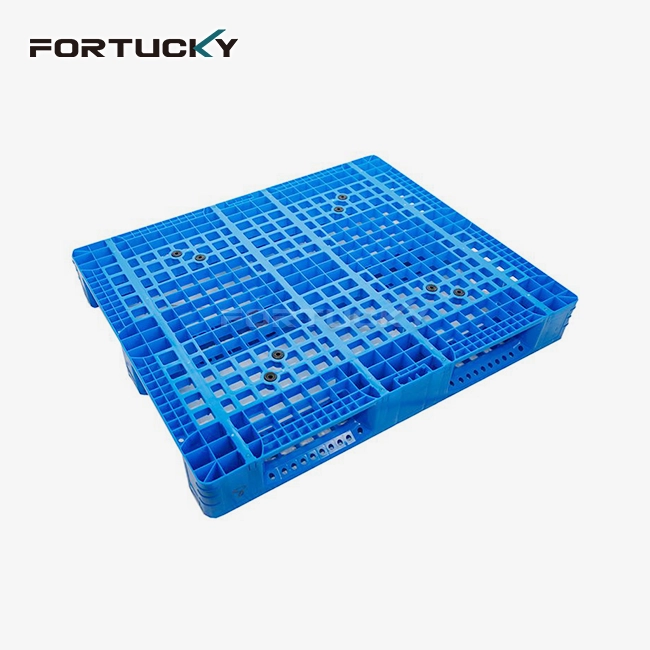
It is important to understand static load-bearing norms when looking at building storage options. A Plastic Racking Pallet is designed to hold a certain amount of weight when fixed on a rack system. Typical weight limits are between 800 kg and 1,500 kg, but heavy-duty types can hold up to 6,000 kg. To ensure that pallets meet ISO, ASTM, and DIN standards, they are put through strict testing procedures such as corner drop tests, flexure strength exams, and compression strength tests. Load capacity is affected by the type of material (HDPE or PP), the structural design (3-runner, 6-runner, or configurable options), and external factors like chemical exposure and temperature changes, which have an immediate effect on long-term performance in tough industrial settings.
 Understanding the Static Load-Bearing Standard for Plastic Racking Pallets
What Static Load Capacity Actually Means
The maximum weight a plastic racking pallet can safely hold when placed on storage racks and kept stationary is called its static load capacity. Static load differs from dynamic load (weight moved by a truck) and racking load (weight distributed across beams). Static load measures only resistance to vertical compression. This measure is critical because warehouse managers need to be confident that stored stock will not cause pallet failure, product damage, or safety issues. We have seen sites lose thousands of dollars because their storage systems failed due to incorrectly rated pallets.
Industry Testing Standards and Certification Requirements
Global standards govern how manufacturers validate load capacity claims. ISO 8611 provides guidelines for testing plastic racking pallets, and ASTM D1185 specifies impact test procedures. The European standard DIN 15146 outlines conditions for load-bearing proof. These procedures involve applying incremental weight until deformation occurs, measuring deflection at various load points, and conducting accelerated aging tests that simulate years of use. Reputable manufacturers provide certification documentation showing that their pallets meet or exceed these standards, giving procurement teams confidence that specifications match real-world performance.
Factors Influencing Load-Bearing Performance
Material composition significantly affects performance. High-density polyethylene (HDPE) offers excellent impact resistance and maintains strength across temperatures ranging from -40°F to 120°F. Polypropylene (PP) provides strong chemical resistance, making it ideal for pharmaceutical and chemical environments. Structural reinforcements such as ribbed patterns, honeycomb cores, or integrated steel sections improve weight distribution. Environmental factors are also crucial: cold storage areas demand pallets that resist brittleness, while high-heat production zones require materials that resist warping. When we worked with automotive parts manufacturers, they found that standard pallets failed in their powder-coating ovens and required specialized high-temperature formulations.
Types and Dimensions of Plastic Racking Pallets Relevant to Load Capacity
Standard, Heavy-Duty, and Specialized Pallet Categories
Different businesses have very different load needs. Standard Plastic Racking Pallets can hold between 800 and 1200 kg of steady weight, making them good for tasks like putting together electronics and cooking food. Heavy-duty types made for making steel or batteries can hold 1,500 to 6,000 kg thanks to their thicker construction and strengthened bottom structures. Specialized pallets are used to solve specific problems. For example, materials used in cold chain operations must be resistant to moisture and still be flexible at -30°C, while materials used in medicinal uses must be FDA-compliant and safe for sensitive goods.
Understanding these categories helps procurement teams find solutions that meet operational needs. A construction equipment warehouse storing engine parts weighing several tonnes per pallet has very different requirements from an FMCG distribution centre handling consumer goods.
How Dimensions Affect Strength and Stability
Pallet dimensions directly correlate with load distribution and capacity. Common specifications include:
- 1200×1000 mm (Euro standard): The 1200x1000 mm (Euro standard) size is best for general production and transportation.
- 1200×800 mm: 1200x800 mm: Saves space for small aisle storage systems
- 1400×1200 mm: Heavy-duty uses that need a bigger size
- 1500×1400 mm: Largest size for storing industry equipment
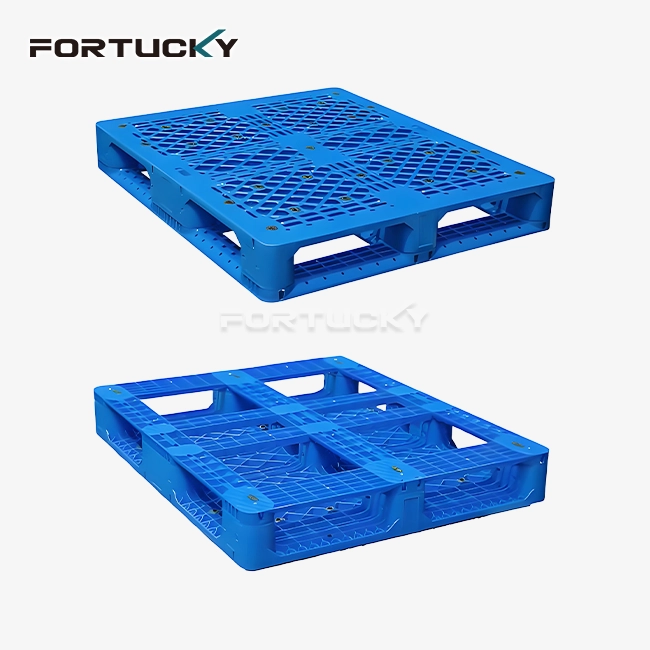
Pallet height is also important—units between 140 mm and 180 mm high offer better load protection. The bottom deck configuration affects how weight transfers to racking beams. Three-runner designs provide excellent stability for heavy loads, while six-runner or nine-leg configurations work better with automated handling systems and conveyors. We adjust dimensions based on rack layout to ensure optimal contact points and weight distribution.
Static, Dynamic, and Racking Load Capacity Breakdown
Procurement managers often confuse these three key ratings. Static load—up to 6,000 kg for heavy-duty types—measures weight when pallets are at rest. Dynamic load, typically up to 2,000 kg, reflects forklift handling capability while moving, accounting for vibration and impact forces. Racking load, generally around 1,500 kg, represents weight when pallets rest on storage beams with support only at contact points, creating concentrated stress.
Understanding these differences prevents dangerous overloading. A pallet rated for 2,000 kg static load might only support 1,200 kg safely on racking systems due to different stress patterns.
Comparison: Plastic Racking Pallets vs. Other Materials on Load Capacity
Durability and Performance Advantages Over Wood and Metal
Wooden pallets remain popular but have significant drawbacks: they absorb moisture, harbour bacteria, splinter easily, and require fumigation for international shipping. Their static load capacity degrades quickly as wood breaks and warps. Metal pallets handle heavy weights but are themselves heavy, increasing transport costs, and their sharp edges can damage goods.
Plastic racking pallets made from HDPE or PP maintain their load capacity over a 5–10 year lifespan. They do not absorb moisture, so they prevent bacterial growth—a critical advantage in food and beverage industries. Chemical resistance is vital in pharmaceuticals, where cleaning agents would degrade wood alternatives. We found that after five years of heavy use, plastic racking pallets retained 98% of their original load capacity, while equivalent wooden pallets lost 30–40% of their capacity over the same period.
When Alternative Materials Make Sense
Metal pallets are still used in some situations where heavy loads are too much for Plastic Racking Pallets to handle or where fire safety is very important, like in steel mills where coils weighing more than 8,000 kg are handled. For one-time exports where return arrangements aren't possible, wooden pallets are still a good value. But when you look at how often you need to repair things, how much it costs to maintain them, and how to keep the product from getting damaged, the total cost of ownership calculation starts to favor plastic options more and more.
Sustainable Load Capacity Through Recycled Materials
Environmental considerations influence purchasing decisions at Fortune 500 companies. Modern plastic racking pallets can be manufactured with up to 30% recycled content while still meeting full load capacity standards. End-of-life pallets can be recycled rather than sent to landfill. This closed-loop approach supports corporate sustainability objectives without compromising operational performance, addressing both environmental goals and bottom-line concerns.
 How to Choose Plastic Racking Pallets Based on Static Load-Bearing Needs
Assessing Your Warehouse Load Requirements
Start by reviewing your heaviest stored items. Calculate the total weight per plastic racking pallet including packaging, then add a 20% safety margin. Map out your rack configuration to determine beam spacing and support points. Narrower beam spacing distributes weight more effectively, potentially allowing standard pallets where wider spacing would require heavy-duty models. If you handle goods frequently, lighter pallets may improve handling efficiency; for long-term storage, prioritise maximum durability.
Key Selection Criteria for Procurement Managers
Purchasing decisions depend on several critical factors. Load ratings backed by certification documentation showing compliance with ISO, ASTM, or DIN standards are more reliable than theoretical claims. Surface design affects product stability: grid surfaces allow airflow for temperature-sensitive items, solid tops prevent small items from falling through, and anti-slip textures prevent product movement during transport. Bottom structure choice depends on handling equipment. Three-runner designs offer excellent stability for standard forklifts; six-runner configurations allow four-way entry, maximising operational flexibility. Reversible decks extend service life by allowing use of either side. Colour coding simplifies inventory management: blue is standard, but custom colours can separate product lines, segregate materials for different clients, or mark pallets for contamination-controlled areas.
Supplier Selection and Procurement Best Practices
Working with established manufacturers who have a proven track record reduces risk. Seek suppliers who can provide detailed technical specifications, independent test evidence, and client references from similar industries. Customisation ensures dimensions, load ratings, and features match your exact needs rather than forcing compromises with off-the-shelf products. Bulk ordering capabilities and reliable delivery schedules prevent production interruptions. Global manufacturers with dedicated service networks can provide rapid support when issues arise. Companies serving over 1,000 clients across logistics, electronics, pharmaceutical, and automotive sectors demonstrate the practical expertise needed to navigate complex warehouse integration challenges.
Best Practices for Maintenance and Longevity of Plastic Racking Pallets
Cleaning Protocols That Preserve Structural Integrity
Cleaning on a regular basis keeps things clean and stops things from breaking down for High-load capacity special plastic pallets for shelves. Standard industrial soaps can be used for pressure cleaning to get rid of dirt and grime without hurting HDPE or PP materials. Do not use harsh chemicals or rough cleaning, as this could cause micro-cracks that lower the load capacity. Facilities that make medicines and food should have written cleaning plans that follow the rules. Between uses, Plastic Racking Pallets should be moved through sanitation stations. When cleaned properly, things last a lot longer. We have proof that systematic repair plans can extend the useful life of pallets from 6 years to 9 years, which directly increases the return on investment.
Inspection Programs for Early Damage Detection
Regular visual inspections identify problems before they become critical. Train warehouse staff to recognise warning signs such as visible cracks, excessive bending, broken runners, or deformed surfaces. Establish clear criteria for pallet retirement: any unit showing signs of structural damage should be removed from service immediately for assessment. Digital tracking systems can monitor pallet age and usage cycles, automatically triggering inspections after set periods or load cycle counts. This preventative approach prevents accidents and supports compliance with OSHA safety standards.
Real-World Success Through Proper Maintenance
Major automotive manufacturers have documented how structured maintenance programmes reduced plastic racking pallet replacement costs by 35% while improving warehouse safety. Their programmes included comprehensive quarterly inspections, immediate repair or disposal of damaged units, and data analysis to identify usage patterns causing premature wear. By addressing root causes—such as incorrect forklift handling or incompatible racking setups—they improved both pallet performance and operational efficiency. These examples demonstrate that plastic racking pallets are not just consumable purchases but valuable assets requiring proper lifecycle management.
Conclusion
Static load-bearing specifications for plastic racking pallets are a critical feature affecting structural safety, operational efficiency, and long-term cost control. Depending on size, design, and bottom configuration, pallets manufactured from HDPE or PP materials can support up to 6,000 kg. When procurement managers understand the differences between static, dynamic, and racking load limits, they can select appropriate options for each application. Compared to wood and metal alternatives, plastic pallets offer superior durability, consistent performance, and environmental benefits through recyclability. Selecting equipment based on certified test standards and maintaining it through regular maintenance programmes maximises investment returns while ensuring warehouse safety and reliability for today's automated logistics environments.
FAQ
1. What is the typical static load capacity range for industrial plastic racking pallets?
Industrial plastic racking pallets typically support between 800 kg and 1,500 kg of static weight, with heavy-duty versions designed for specific applications capable of holding up to 6,000 kg. Capacity varies based on material type (HDPE vs. PP), dimensions, design, and bottom configuration. Standard pallets suit general manufacturing and distribution, while heavy-duty pallets are better for industries like steel, machinery, and automotive that handle large loads.
2. How do temperature fluctuations affect plastic pallet load performance?
Extreme temperatures significantly affect material properties. HDPE plastic racking pallets maintain flexibility and load capacity from -40°F to 120°F, making them suitable for both cold storage and hot industrial environments. Extreme cold can cause low-quality materials to become brittle, while excessive heat can cause warping and reduced load-bearing ability. Reputable manufacturers test performance across wide temperature ranges to ensure reliable operation in your facility.
3. Can plastic racking pallets be customized for unique warehouse requirements?
Extensive customisation is available. Manufacturers can adjust dimensions to fit different rack configurations, modify load ratings through structural reinforcement, tailor surface designs (grid, solid, or anti-slip), choose bottom structures (three-runner, six-runner, reversible), and select colours to simplify inventory tracking. This enables plastic racking pallets to work seamlessly with existing warehouse automation systems, handling equipment, and operational workflows without requiring costly facility modifications.
Partner with Fortucky for High-Performance Plastic Racking Pallet Solutions
For warehouse automation to work, the material handling parts must be effective and perform consistently under tough conditions. Fortucky is an expert at designing and making Plastic Racking Pallets that can be changed to fit the exact static load needs of manufacturing and transportation operations in the electronics, pharmaceutical, fast-moving consumer goods, and automobile industries. Our HDPE and PP pallets are put through strict tests of bending, corner drop, and compression strength to make sure they can hold up to 6,000 kg of static load, 2,000 kg of dynamic load, and 1,500 kg of racking load. As a reliable Plastic Racking Pallet supplier, we help over 1,000 customers around the world, including Fortune 500 companies. We offer full solutions, from the original meeting to shipping and localized support. Get in touch with our sales team at sales@fortuckyrobot.com to talk about how our approved, eco-friendly pallets can help your warehouse run more smoothly.
References
1. International Organization for Standardization. (2021). ISO 8611: Pallets for Materials Handling—Flat Pallets—Part 3: Maximum Working Loads. Geneva: ISO Publications.
2. American Society for Testing and Materials. (2020). ASTM D1185-20: Standard Test Methods for Pallets and Related Structures Employed in Materials Handling and Shipping. West Conshohocken: ASTM International.
3. German Institute for Standardization. (2019). DIN 15146: Pallets for Materials Handling—Quality Requirements and Testing. Berlin: Beuth Verlag.
4. Materials Handling Institute. (2022). Plastic Pallet Performance Standards in Automated Warehouse Systems. Charlotte: MHI Industry Publications.
5. European Federation of Materials Handling. (2021). Load Capacity Verification Protocols for Plastic Racking Systems. Brussels: FEM Technical Standards Committee.
6. National Wooden Pallet and Container Association. (2020). Comparative Analysis of Pallet Material Performance in Cold Chain Logistics. Alexandria: NWPCA Research Division.
Learn about our latest products and discounts through SMS or email