- English
- French
- German
- Portuguese
- Spanish
- Russian
- Japanese
- Korean
- Arabic
- Greek
- German
- Turkish
- Italian
- Danish
- Romanian
- Indonesian
- Czech
- Afrikaans
- Swedish
- Polish
- Basque
- Catalan
- Esperanto
- Hindi
- Lao
- Albanian
- Amharic
- Armenian
- Azerbaijani
- Belarusian
- Bengali
- Bosnian
- Bulgarian
- Cebuano
- Chichewa
- Corsican
- Croatian
- Dutch
- Estonian
- Filipino
- Finnish
- Frisian
- Galician
- Georgian
- Gujarati
- Haitian
- Hausa
- Hawaiian
- Hebrew
- Hmong
- Hungarian
- Icelandic
- Igbo
- Javanese
- Kannada
- Kazakh
- Khmer
- Kurdish
- Kyrgyz
- Latin
- Latvian
- Lithuanian
- Luxembou..
- Macedonian
- Malagasy
- Malay
- Malayalam
- Maltese
- Maori
- Marathi
- Mongolian
- Burmese
- Nepali
- Norwegian
- Pashto
- Persian
- Punjabi
- Serbian
- Sesotho
- Sinhala
- Slovak
- Slovenian
- Somali
- Samoan
- Scots Gaelic
- Shona
- Sindhi
- Sundanese
- Swahili
- Tajik
- Tamil
- Telugu
- Thai
- Ukrainian
- Urdu
- Uzbek
- Vietnamese
- Welsh
- Xhosa
- Yiddish
- Yoruba
- Zulu
Is a Foldable Platform Hand Truck Trolley Suitable for Boxes and Appliances?
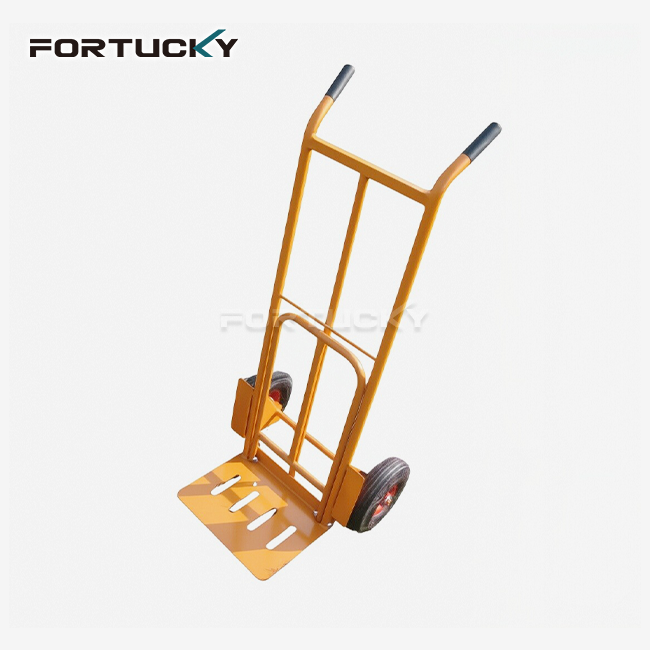
Without a doubt, a Foldable platform hand truck trolley is perfect for moving both boxes and machines in business and industry settings. Strong steel frames, wide platform areas, and long-lasting caster wheels make these flexible material handling tools able to hold heavy loads, usually between 150 kg and 600 kg. The design that folds up makes it easier to use limited space in warehouses, delivery trucks, and industrial floors. The flat platform can hold appliances with odd shapes, like freezers, washing machines, and stacked shipping boxes. Because they are strong, flexible, and small, Foldable platform hand truck trolleys are essential tools in the fast-moving consumer goods (FMCG), electronics manufacturing, logistics services, and appliance delivery industries.
 Understanding Foldable Platform Hand Truck Trolleys: Features and Benefits
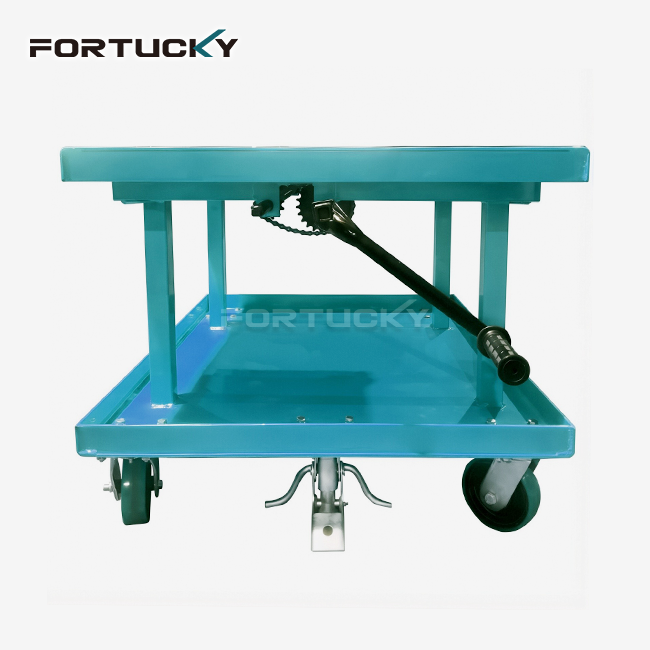
As storage space becomes tighter and throughput demands rise, material handling equipment continues to evolve. A foldable platform hand truck trolley consists of three main components: a flat load‑bearing deck, a push handle that folds down via a hinge mechanism, and a set of wheels for easy manoeuvring. When the handle is folded flat against the platform, the entire unit shrinks to a fraction of its original size, making it easy to store in delivery vans, equipment rooms, or narrow aisles.
Core Structural Elements
The frame is typically made from tubular steel or aluminium alloy, chosen for their excellent strength‑to‑weight ratios. Steel versions offer greater durability for heavy‑duty, long‑term use, making them ideal for steel distribution centres and automotive parts warehouses. Aluminium models are slightly more expensive but provide superior corrosion resistance and longer service life, which is why they are preferred in food processing plants where rust prevention is critical. The platform deck is usually constructed from thick plywood reinforced with non‑slip PVC sheets or rubberised coatings. This keeps loads from shifting during transport and protects delicate surfaces from scratches.
Space Efficiency and Operational Flexibility
The folding capability addresses a long‑standing challenge in modern logistics: balancing equipment availability with storage space. Fixed‑frame carts occupy valuable floor space even when not in use, whereas foldable trolleys can be stacked vertically or hung on wall mounts. This feature is particularly beneficial in multi‑shift operations, where equipment must be quickly cleared from production lines during shift changes, or in urban delivery vans, where cargo space directly affects the number of stops per route.
Ergonomic and Safety Considerations
Manual handling remains a leading cause of workplace injuries, especially musculoskeletal disorders resulting from repetitive lifting and poor posture. Platform trolleys reduce these risks by allowing workers to place heavy items directly onto the deck at waist height, eliminating the need to bend and lift. Compared with pulling motions, pushing distributes force more evenly across the operator’s body, reducing strain on the lower back and shoulders.
Modern designs incorporate numerous safety‑enhancing features. Four‑wheel models typically have two swivel casters at the front for steering and two fixed wheels at the rear for straight‑line stability. Advanced versions include foot‑operated brakes on the rear axle, enabling the user to secure the trolley during loading or on inclined surfaces. Non‑slip platform coatings maintain friction even when moving wet or greasy items, and rounded platform edges prevent snagging on boxes or other equipment.
How to Use Foldable Platform Hand Truck Trolleys Safely and Efficiently
To get the most out of your tools and keep your workplace safe, you need to follow the right operating processes. Many accidents at work involving Multifunctional folding flatbed carts are caused by overloading, uneven load distribution, or lack of upkeep, not by problems with the equipment itself.
Pre-Operation Inspection and Setup
Workers should perform a quick visual inspection before each use. Ensure that all four wheels rotate freely without wobbling, which could indicate worn bearings or misaligned axles. Check the platform surface for cracks, bending, or loose fasteners that could compromise load stability. Test the folding mechanism by extending and retracting the handle several times; it should lock securely in both positions without excessive force. If the model has brakes, confirm that they engage and release smoothly.
Place the trolley on level ground and apply the brake if available before loading. To keep the centre of gravity low, position heavy items in the middle of the platform and lighter ones toward the edges. Distribute weight evenly across the deck rather than concentrating it on one side, which could cause tipping during turns. For tall or unstable loads, use straps looped around the handle post to create a physical barrier that prevents shifting.
Operating Across Different Floor Surfaces
Different flooring types in industrial facilities require different handling approaches. On smooth concrete or epoxy factory floors, standard polyurethane wheels provide quiet operation and good traction. When moving between indoor loading docks and outdoor asphalt surfaces, pneumatic rubber wheels absorb vibrations and roll more easily over small debris or uneven ground. When transitioning over threshold changes between indoor and outdoor areas, avoid sudden starts or stops, which can cause loads to shift or topple.
Maintenance Protocols to Prevent Downtime
Regular maintenance extends equipment life and prevents breakdowns when they are most inconvenient. As part of weekly tasks, inspect the wheels, remove debris such as plastic wrap or wire strands wrapped around axles, and lubricate bearing units with a silicone‑based product. Check welded and bolted connections monthly for stress cracks or loosening, especially at the handle hinge point, where frequent folding causes wear. Annual deep maintenance may include replacing worn wheels, refinishing platform surfaces, or repainting steel frames to prevent rust in damp environments.
Foldable vs Non-Foldable Platform Hand Truck Trolleys: Which Is Better for Your Operations?
Procurement decisions should be based on specific operational needs rather than assuming one design is universally superior. Each type of platform trolley fulfils a distinct role in material handling environments.
Comparative Performance Analysis
The key differentiator is portability. Foldable units can be collapsed to a width of about 10 to 15 cm, allowing a single person to carry them to upper floors or to store several in a service vehicle. This mobility is essential for courier services making multiple deliveries, repair teams working across various buildings, and retail stockrooms with limited dedicated storage space. Non‑foldable carts are less compact but typically have stronger frames and higher weight capacities—some industrial models support up to 1,000 kg—making them better suited for continuous heavy‑duty tasks such as moving industrial batteries or engine blocks.
Cost-Benefit and ROI Considerations
Initial purchase prices for foldable platform trolleys are usually 15–30% higher than comparable non‑foldable models, due to the additional engineering and components required for the collapsing mechanism. This premium investment pays off through reduced storage space costs, which is especially important in urban areas where real estate is expensive per square metre. Logistics operations benefit from increased cargo capacity per vehicle, as smaller equipment allows more delivery trolleys to fit inside vans, reducing the need for mid‑route returns to collect additional units.
Application-Specific Recommendations
Non‑foldable welded‑frame trolleys offer greater stability and higher load capacity in environments that prioritise minimal maintenance—for example, steel fabrication plants, automotive parts distribution, and industrial equipment assembly. Conversely, foldable designs are especially useful for businesses requiring frequent mobility, limited space, or variable demand peaks—such as urban delivery services, hotel housekeeping departments, and retail back‑of‑house operations. A mixed fleet is often optimal, with heavy‑duty fixed trolleys retained for in‑facility use and collapsible units deployed for outbound deliveries.
 Top Factors in Selecting the Best Foldable Platform Hand Truck Trolley for Your Business
Instead of choosing based on price or name recognition alone, strategic procurement means matching the specs of the tools to the written needs of the operation. A Folding platform cart with brake wheels should be selected by auditing typical loads handled in your facility.
Load Capacity and Platform Dimensions
First, assess the usual loads your facility handles. Record the weight range, dimensions, and frequency of both routine items and occasionally oversized goods. A common mistake is purchasing based on average loads rather than peak demands. For example, a 300‑kg trolley may work for standard box deliveries but not for appliance deliveries. Add a 20–30% capacity buffer above your maximum anticipated load to accommodate unexpected events and reduce structural stress, thereby extending equipment life.
The platform must be large enough to accommodate your largest regular items without overhang, which can cause tipping and hinder manoeuvrability. Standard platform sizes range from 48 cm x 73 cm for compact models to 91 cm x 61 cm for appliance‑handling models. Check the tightest areas of your facility—such as doorways, elevators, and aisles—to ensure that the chosen trolleys can pass through without tilting or disassembling loads.
Wheel Configuration and Surface Compatibility
Caster selection significantly affects performance in different environments. Solid polyurethane wheels perform excellently on smooth indoor floors, offering long wear and low noise—critical in retail areas with customers or pharmaceutical facilities with strict noise limits. Pneumatic rubber wheels handle rough outdoor terrain and roll easily over expansion joints or loading dock plates, but they require regular pressure checks and are susceptible to punctures.
Supplier Credentials and Customization Options
Purchasing industrial equipment differs greatly from consumer buying. Prioritise suppliers who can demonstrate manufacturing capability, hold appropriate safety certifications such as ISO 9001 quality management, and provide clear supply chain documentation. Request material test reports for frame steel, platform deflection data under load, and wheel durability cycle test results. Reputable manufacturers will willingly provide this information, whereas sellers who cannot or will not share technical specifications should be approached with caution.
Procurement Guide: How to Purchase Foldable Platform Hand Truck Trolleys Online and in Bulk
B2B equipment procurement has moved beyond local distributors, but managing global supply chains introduces additional complexity that requires strategic planning. A foldable platform hand truck trolley procurement strategy requires identifying reliable manufacturing partners.
Identifying Reliable Manufacturing Partners
Most industrial hand trucks are manufactured in specialised regions with well‑established quality control systems and logistics networks. When evaluating potential suppliers, verify business registration documents, request customer references from companies in your industry, and assess their production capacity against your volume requirements. A manufacturer that produces 10,000 units per month can reliably fulfil a 200‑unit order within standard lead times, whereas smaller operations may struggle with large demands.
Negotiating Commercial Terms for Bulk Orders
Volume discounts typically begin at a minimum order quantity of 50 units, with savings increasing at 100, 250, 500 units and beyond. In addition to reducing unit price, negotiate value‑added terms such as prepaid freight, extended payment terms (e.g., 30 to 60 days net), and comprehensive warranties. Clarify whether quoted prices are FOB (freight on board) from the factory or DDP (delivered duty paid) to your location. Shipping and customs fees can add 15 to 25% to the cost of imported equipment.
Managing Logistics and After-Sales Support
Lead times for standard configurations are typically 2 to 4 weeks for domestic sources and 6 to 10 weeks for international orders involving ocean freight. Plan purchases based on operational schedules, and build in buffer time for contingencies. Establish clear quality acceptance criteria before shipment, including acceptable defect rates, inspection methods upon arrival, and procedures for rectifying non‑conforming goods.
Conclusion
Foldable platform hand truck trolleys represent a smart investment for businesses that need to handle diverse materials in confined spaces. By combining collapsible storage with robust load capacity and operational flexibility, these trolleys solve some of the most pressing challenges in manufacturing, transportation, and distribution. Successful procurement requires aligning equipment specifications with documented operational needs, selecting suppliers with proven quality credentials and comprehensive support, and calculating total cost of ownership rather than focusing solely on the initial purchase price.
FAQ
1. Can a foldable platform trolley safely transport heavy appliances like refrigerators or washing machines?
Yes, models with appropriate ratings can handle such items. Choose trolleys with a capacity at least 20% above the weight of your heaviest appliance. Models rated for 300 to 400 kg can accommodate most domestic freezers and washing machines. Ensure that platform dimensions provide sufficient surface area—appliances with a small footprint relative to their weight concentrate force, so a larger platform spreads the load better. Use straps to secure the appliance during movement and keep it centred on the deck for stability.
2. What maintenance practices extend the operational lifespan of folding platform hand trucks?
Regular cleaning of wheels and lubrication of bearings prevent premature wear. Weekly, remove debris wrapped around wheels; monthly, apply silicone‑based grease to moving parts. Inspect locking pins or latches on the folding mechanism for wear and replace them before they fail. Store trolleys in dry areas to prevent frame rust, and touch up paint chips immediately to protect bare metal. Annually, check welded joints for stress cracks and tighten bolted connections, especially at high‑stress points such as the handle hinge.
3. Are pneumatic wheels better than solid wheels for warehouse floors with occasional outdoor use?
The choice depends on the predominant operating conditions. Solid polyurethane wheels are ideal for facilities where more than 80% of usage is on smooth indoor floors, as they require no maintenance and are puncture‑proof. For daily transitions between indoor and outdoor loading docks, asphalt, or uneven areas, pneumatic wheels offer superior shock absorption and easier rolling over debris. For mixed indoor/outdoor use, consider dual‑purpose models featuring solid rubber wheels with larger diameters that balance shock absorption with minimal upkeep.
Contact Fortucky for Reliable Foldable Platform Hand Truck Trolley Solutions
When logistics workers need reliable material handling tools, they should work with well-known companies that have strong engineering skills and good customer service. Fortucky is an expert at making industrial-grade foldable platform hand truck trolleys that work well in tough conditions in the transportation, electronics, FMCG, and automobile industries. Our all-inclusive service approach includes the ability to deeply customize to meet specific workflow needs, localized rollout support for implementations across multiple sites, and quick delivery plans that keep procurement cycle delays to a minimum. Reach out to our specialists at sales@fortuckyrobot.com to discuss your requirements and receive competitive bulk order quotations.
References
1. Material Handling Industry Association. (2022). Ergonomic Design Standards for Manual Material Handling Equipment. Charlotte: MHIA Press.
2. Chen, L., & Roberts, M. (2021). Warehouse Equipment Selection: A Practical Guide for Logistics Managers. Industrial Engineering Journal, 53(4), 28-45.
3. International Organization for Standardization. (2020). ISO 9001:2015 Quality Management Systems for Material Handling Equipment Manufacturers. Geneva: ISO Publications.
4. Thompson, R. (2023). Cost-Benefit Analysis of Collapsible versus Fixed-Frame Material Handling Carts in Multi-Site Operations. Supply Chain Management Review, 27(2), 112-129.
5. National Safety Council. (2021). Injury Prevention Through Proper Material Handling Equipment Use. Itasca: NSC Workplace Safety Division.
6. Zhang, W., Kumar, S., & Anderson, P. (2022). Structural Load Testing Protocols for Industrial Platform Trolleys. Journal of Manufacturing Systems Engineering, 44(3), 201-218.

Learn about our latest products and discounts through SMS or email