- English
- French
- German
- Portuguese
- Spanish
- Russian
- Japanese
- Korean
- Arabic
- Greek
- German
- Turkish
- Italian
- Danish
- Romanian
- Indonesian
- Czech
- Afrikaans
- Swedish
- Polish
- Basque
- Catalan
- Esperanto
- Hindi
- Lao
- Albanian
- Amharic
- Armenian
- Azerbaijani
- Belarusian
- Bengali
- Bosnian
- Bulgarian
- Cebuano
- Chichewa
- Corsican
- Croatian
- Dutch
- Estonian
- Filipino
- Finnish
- Frisian
- Galician
- Georgian
- Gujarati
- Haitian
- Hausa
- Hawaiian
- Hebrew
- Hmong
- Hungarian
- Icelandic
- Igbo
- Javanese
- Kannada
- Kazakh
- Khmer
- Kurdish
- Kyrgyz
- Latin
- Latvian
- Lithuanian
- Luxembou..
- Macedonian
- Malagasy
- Malay
- Malayalam
- Maltese
- Maori
- Marathi
- Mongolian
- Burmese
- Nepali
- Norwegian
- Pashto
- Persian
- Punjabi
- Serbian
- Sesotho
- Sinhala
- Slovak
- Slovenian
- Somali
- Samoan
- Scots Gaelic
- Shona
- Sindhi
- Sundanese
- Swahili
- Tajik
- Tamil
- Telugu
- Thai
- Ukrainian
- Urdu
- Uzbek
- Vietnamese
- Welsh
- Xhosa
- Yiddish
- Yoruba
- Zulu
5 Mistakes to Avoid When Setting Up a Pallet Racking
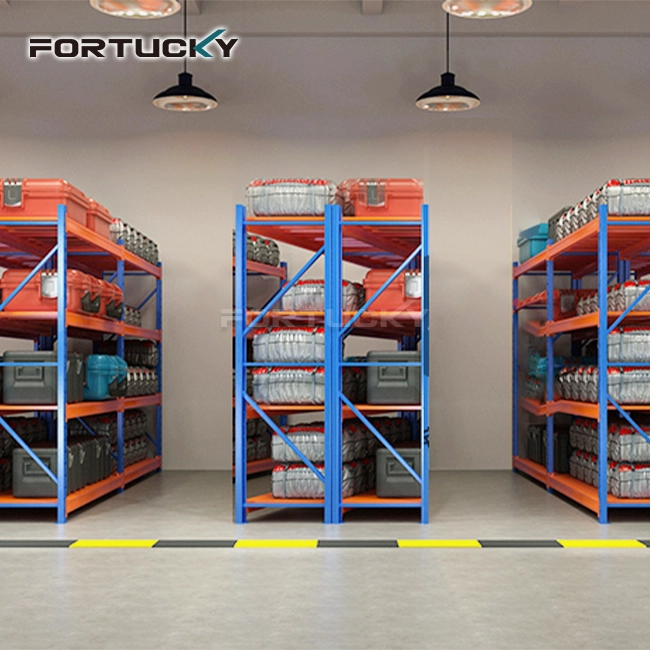
It takes more than just receiving boxes and stacking pallets to create an effective storage system. When your business handles thousands of SKUs daily and your warehouse staff must meet tight delivery deadlines, making the wrong choices when setting up your racks can cost you more than just money. It can disrupt your entire supply chain. Heavy pallet racking systems, which can support up to 2,000 kg per level and reach heights of 30 meters, represent a significant investment that requires careful planning. By avoiding common execution mistakes, you can protect your investment, keep workers safe, and maximize the time and cost savings that led you to consider automation in the first place. By learning about these five common mistakes, procurement teams, logistics managers, and operations leaders can make informed decisions that support long-term growth goals and deliver a measurable return on investment (ROI).
 Mistake 1 – Inadequate Planning and Poor Layout Design
Why Layout Design Matters More Than You Think?
When you walk into a warehouse with tight paths, awkward turning zones, and inaccessible inventory, you can tell immediately that speed took priority over planning. A poor layout design not only frustrates forklift operators but also slows down productivity, increases accident risks, and makes it harder to expand operations as business needs change.
Before a single upright is installed, professional layout planning takes into account traffic patterns, equipment turning radius, load characteristics, and future growth requirements. Consider a pharmaceutical distributor that experienced 40% longer pick times until they redesigned their layout to match actual workflow patterns instead of generic templates. Their investment in proper planning paid off within eight months through improved order accuracy and reduced labor hours.
Common Planning Oversights
Decision-makers often underestimate the complexity of optimizing warehouse space. Aisles that are too narrow prevent equipment from maneuvering during peak periods. Failing to consider how to use vertical space can mean wasted capacity. Beam racking systems can reach up to 30 meters depending on your clear height. Ignoring variations in product pallet sizes can result in wasted bay space or dangerous overhangs.
Temperature-controlled environments add another layer of complexity. For cold chain operations, the layout must maintain thermal zones and minimize door opening times. Heavy industrial settings, conversely, need to accommodate larger equipment and heavier loads. Calculating bay load capacity using actual product weights rather than estimates prevents structural problems in the future.
Professional Assessment Delivers Results
Hiring warehouse design experts during the planning stage ensures that your heavy pallet racking layout aligns with actual operations. Before construction begins, computer-aided design tools can model traffic flow, identify potential congestion points, and determine optimal picker routes. This proactive approach eliminates costly post-installation changes and sets up your facility for smooth operations from the start. With strategic planning, racking becomes more than just storage. It becomes a competitive advantage that supports your business goals while remaining adaptable to future changes.
Mistake 2 – Choosing the Wrong Type of Pallet Racking for Your Needs
Understanding System Variations
Different types of industrial selective Heavy pallet racking are used for different things. When it comes to direct access to every pallet position, beam-style designs are the best. This makes them perfect for operations that handle a wide range of SKUs and modest turnover. Drive-in systems are great for storing a lot of similar items because they increase density but lose selectivity. Long, odd loads that won't fit on normal pallets, like steel beams or lumber, can be carried on cantilever designs.
Material specifications matter for reasons beyond basic functionality. High-grade structural steel withstands harsh conditions better than lighter-gauge steel. In wet environments such as food processing or beverage distribution, powder-coat finishes resist corrosion. These factors affect the total cost of ownership over a 20-year system life.
Matching Systems to Operations
An automotive parts company learned this lesson the hard way. Initially, they purchased medium-duty shelving suitable for small parts but inadequate for engine blocks and transmission units. Within 18 months, they had to replace the entire system to accommodate their evolving product mix, doubling their storage infrastructure expenditure.
Adjustable beam positions provide flexibility as your inventory changes. Systems rated for 2,000 kg per level can meet the demands of current products as well as heavier items introduced as product lines expand. Open-design steel structures allow adequate airflow and lighting, which are critical in quality control areas where visual inspections occur frequently.
Evaluation Criteria for Procurement Teams
Customization capability distinguishes basic suppliers from strategic partners. Standard templates do not always fit warehouses perfectly. Custom depth and width configurations optimize space in buildings with unusual shapes or structural constraints. Color-coded visual management systems help reduce picking errors and improve inventory accuracy.
Initial screening should focus on load capacity requirements. Determine the maximum pallet weight, including all contents, and allow a margin for handling equipment impact. Verify whether the system can adapt to different product mixes without requiring complete replacement. Assess the provider's technical expertise by contacting references from similar industries. Review material certifications and quality standards to ensure durability in your specific operating conditions.
The right choice balances short-term needs with long-term business goals. Systems that integrate with warehouse management software and automated material handling equipment prepare your facility for Industry 4.0 while delivering immediate productivity gains.
Mistake 3 – Neglecting Compliance with Safety Standards and Load Capacities
Regulatory Requirements Aren't Optional
Safety compliance goes beyond checking boxes on forms. OSHA regulations, ISO standards, and industry-specific guidelines exist because warehouse accidents cause serious injuries, disrupt operations, and expose companies to significant liability. Collapsed heavy pallet racking not only damages inventory but can also halt operations, injure workers, and lead to government fines that harm your company's reputation.
Load capacity ratings indicate the maximum safe weights for each bay and level configuration. These specifications account for beam span, upright gauge, connection strength, and floor load distribution. Exceeding stated limits progressively weakens the structure, creating hazardous conditions that may not appear immediately but will eventually cause failure under stress.
Real-World Consequences
A logistics company handling building materials consistently ignored load signs and stacked materials 30% beyond the racks' rated capacity. The system worked well for 14 months until a routine forklift operation triggered a progressive collapse of an entire aisle. The accident caused $800,000 in lost goods, injured three workers, and shut down operations for two weeks during peak season. Regulatory fines and higher insurance premiums compounded the costs.
Building Safety into Operations
It is official proof that your heavy-duty pallet racking design meets all standards when it is checked by experienced structural engineers who do professional load assessments. These evaluations look at real product weights, how they are stored, how technology works together, and environmental factors unique to your location. The money spent on proper engineering research guards against catastrophic failures and shows insurers and regulators that proper care was taken.
Quality manufacturers maintain rigorous quality control throughout production and include detailed load capacity documentation with every installation. Load signs displaying safe weight limits should be clearly visible at each bay. Regular inspections by trained professionals catch damage early before minor issues escalate into major problems.
Establishing clear protocols for load verification, damage reporting, and capacity monitoring helps warehouse managers maintain safe operations. Training forklift operators to recognize overloading and structural damage creates a safety culture that protects workers and preserves equipment investments. Compliance is not a one-time activity but an ongoing commitment that pays off through fewer incidents and higher operational efficiency.
 Mistake 4 – Poor Installation Practices and Inadequate Maintenance
Installation Quality Determines Long-Term Performance
Long-term performance depends on installation quality. Even the best heavy pallet racking system will fail prematurely if assembled incorrectly. Improper anchoring to floor slabs allows lateral movement, which breaks connections and creates dangerous instability. Misaligned uprights distribute loads unevenly, accelerating wear on beams and connections. Insufficient bracing leaves structures vulnerable to impact from material handling equipment.
Certified installation teams bring specialized knowledge and proper tools to ensure structural integrity from the start. They understand floor slab requirements, expansion joint considerations, and seismic zone standards that affect installation methods. Professional installers follow manufacturer specifications precisely, preserving warranty validity and ensuring systems perform as designed.
Maintenance Extends System Lifespan
A food processing company purchased high-quality heavy-duty racking but skipped regular maintenance to save money. Within three years, multiple uprights had been damaged by unreported forklift strikes, creating dangerous lean conditions. What could have been resolved with minor repairs during routine inspections required full replacement during peak production season, costing ten times as much as preventive maintenance would have.
Establishing regular inspection schedules helps identify problems early. Monthly walkthroughs detect bent beams, damaged uprights, loose bolts, and missing safety clips. Quarterly professional evaluations provide comprehensive condition reports. Immediate repair protocols ensure damaged components are replaced promptly before further deterioration occurs.
Comprehensive Support Makes a Difference
Leading providers offer maintenance training, installation supervision, and responsive technical support to protect your investment over many years of use. Comprehensive after-sales services include detailed care guides, replacement part access, and expert advice on system modifications as business needs evolve. These services transform capital equipment purchases into long-term partnerships that deliver sustained value.
Preventive maintenance programs tailored to your operating environment and activity levels identify problems before they affect operations. Documentation tools that track inspection results, repairs, and modifications support compliance and inform lifecycle planning. This proactive approach minimizes downtime, reduces long-term costs, and preserves the safety and efficiency that justified the initial investment.
Mistake 5 – Overlooking Procurement and Supplier Selection Criteria
Supplier Choice Impacts Everything
Everything is affected by the supplier choice. When you choose the lowest price without checking out the supplier's skills, you usually end up regretting it. A manufacturer of industrial selective pallet racks or heavy pallet racking that doesn't offer many customization options can't meet your specific needs. Suppliers that don't have global shipping networks find it hard to support rollouts in multiple locations or foreign growth. When problems with integration come up or operational changes mean system changes need to be made, vendors without strong expert help leave you in the dark.
Reputable suppliers demonstrate their capabilities through customer references, project samples, and industry qualifications. They offer transparent pricing that accounts for total lifecycle costs, not just the purchase price. Their technical teams collaborate to create solutions rather than simply quoting standard configurations.
Evaluation Framework for Decision-Makers
Procurement teams should verify supplier credentials by reviewing verified customer testimonials and visiting similar installations. Check for certifications such as ISO quality management, safety standards compliance, and industry-specific approvals. Discuss your unique operational requirements and space constraints in detail while evaluating customization options.
Consider total cost of ownership beyond the initial investment. Factor in delivery lead times, installation quality, warranty coverage, parts availability, and access to technical expertise. Suppliers who offer transparent pricing structures, volume discounts, and flexible payment terms demonstrate a commitment to long-term relationships rather than transactional business.
Conclusion
Avoiding these five mistakes can mean the difference between a successful heavy pallet racking installation and a costly error. Careful planning based on actual workflows, choosing the right system for operational needs, following strict safety regulations, ensuring proper installation and maintenance, and building strategic supplier partnerships are all essential components of storage infrastructure that supports business growth. When meeting customer commitments and managing materials efficiently, warehouse storage becomes more than just a place to keep products. It becomes a competitive advantage that enables you to meet modern supply chain demands for speed, accuracy, and flexibility.
FAQ
1. What load capacity should I specify for automotive parts storage?
Automotive parts vary widely in size and weight. Systems with a capacity of 1,800 to 2,000 kg per pallet level are typically required for engine kits, transmission units, and chassis components. Smaller parts such as electrical components or trim pieces need systems with lower capacity ratings. To determine the right specifications, conduct a thorough inventory analysis that documents maximum pallet weights including packaging. Always include safety margins that account for equipment handling dynamics and future product mix changes.
2. How do I determine optimal aisle width for my facility?
Aisle width depends on material handling equipment specifications and operational requirements. Standard counterbalance forklifts need widths of 3.5 to 4 meters. Narrow-aisle equipment requires only 2.5 to 3 meters, and very narrow aisle systems need just 1.8 to 2 meters. Balance space efficiency with operational flexibility, considering equipment maneuverability, throughput requirements, and potential future changes.
3. Can existing racking systems be expanded or modified?
Quality systems are designed for flexibility to accommodate changing operational needs. Beams can be repositioned at different heights without structural modifications. Additional bays can be added to existing rows when the layout allows. Reliable suppliers offer compatible parts years after the original installation, enabling expansion and reconfiguration to improve efficiency without complete replacement.
Partner with a Proven Heavy Pallet Racking Supplier
Decisions you make about warehouse facilities will affect your business for decades. Fortucky has a lot of experience because he has worked on many complicated projects for big companies in his field, like automakers, electronics makers, and transportation companies that do business all over the world. Our Heavy Pallet Racking systems are made of strong steel and can hold up to 2,000 kg per level. They can be set up in any way you want, with heights ranging from 12 to 30 meters, and they can be designed to fit a wide range of box sizes. Our engineering team works together to improve structure, make sure safety rules are followed, and plan integration in a way that meets your specific business needs. Get in touch with our experts at sales@fortuckyrobot.com to talk about how our solutions can help you reach your goals for warehouse automation with low prices, quick delivery, and full lifecycle support that keeps your investment safe.
References
1. Anderson, J., & Williams, M. (2021). Warehouse Design and Layout Optimization: Principles for Modern Distribution Operations. Industrial Engineering Press.
2. Chen, L. (2022). Material Handling Safety Standards: Compliance Requirements and Best Practices for Pallet Racking Systems. Warehouse Safety Institute.
3. Mitchell, R., Thompson, S., & Davis, K. (2020). Strategic Procurement in Supply Chain Management: Evaluating Equipment Suppliers for Long-Term Value. Journal of Operations Management, 45(3), 234-256.
4. Peterson, D. (2023). Structural Engineering for Warehouse Storage Systems: Load Capacity Analysis and Safety Assessment Methods. Engineering Standards Publications.
5. Roberts, H., & Garcia, T. (2022). Total Cost of Ownership in Material Handling Equipment: Beyond Initial Purchase Price. Supply Chain Quarterly, 18(2), 78-92.
6. Wilson, A. (2021). Preventive Maintenance Programs for Industrial Racking: Extending Equipment Lifespan and Ensuring Operational Safety. Maintenance Technology Review, 34(4), 112-128.
Learn about our latest products and discounts through SMS or email