- English
- French
- German
- Portuguese
- Spanish
- Russian
- Japanese
- Korean
- Arabic
- Greek
- German
- Turkish
- Italian
- Danish
- Romanian
- Indonesian
- Czech
- Afrikaans
- Swedish
- Polish
- Basque
- Catalan
- Esperanto
- Hindi
- Lao
- Albanian
- Amharic
- Armenian
- Azerbaijani
- Belarusian
- Bengali
- Bosnian
- Bulgarian
- Cebuano
- Chichewa
- Corsican
- Croatian
- Dutch
- Estonian
- Filipino
- Finnish
- Frisian
- Galician
- Georgian
- Gujarati
- Haitian
- Hausa
- Hawaiian
- Hebrew
- Hmong
- Hungarian
- Icelandic
- Igbo
- Javanese
- Kannada
- Kazakh
- Khmer
- Kurdish
- Kyrgyz
- Latin
- Latvian
- Lithuanian
- Luxembou..
- Macedonian
- Malagasy
- Malay
- Malayalam
- Maltese
- Maori
- Marathi
- Mongolian
- Burmese
- Nepali
- Norwegian
- Pashto
- Persian
- Punjabi
- Serbian
- Sesotho
- Sinhala
- Slovak
- Slovenian
- Somali
- Samoan
- Scots Gaelic
- Shona
- Sindhi
- Sundanese
- Swahili
- Tajik
- Tamil
- Telugu
- Thai
- Ukrainian
- Urdu
- Uzbek
- Vietnamese
- Welsh
- Xhosa
- Yiddish
- Yoruba
- Zulu
An Overview of Plastic Racking Pallet
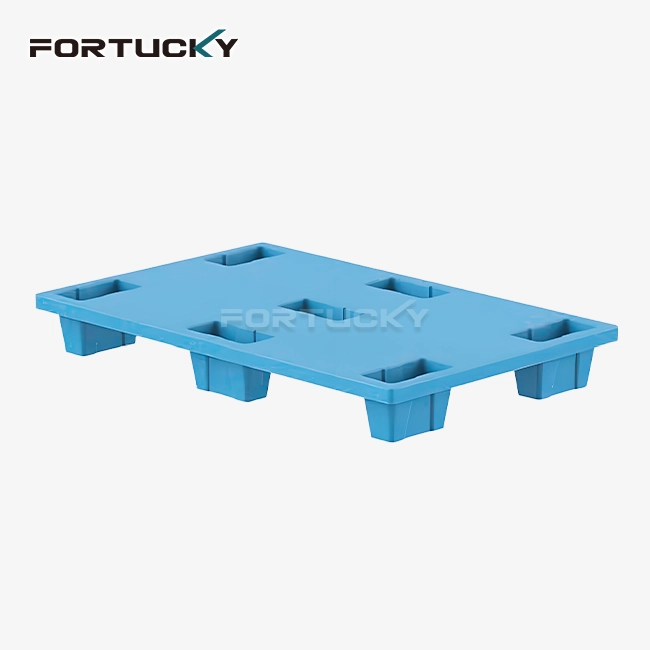
If you walk into a high-throughput distribution center, you might not notice the platforms above you that hold thousands of items right away. Still, these parts—specifically, Plastic Racking Pallets—are essential for keeping warehouses running smoothly. These engineered storage platforms are designed to work with racking and shelving systems, offering durable, clean, and cost‑effective alternatives to traditional metal or wooden options for manufacturers and logistics companies. Made from high‑quality HDPE or PP materials, they provide excellent chemical resistance, high static load capacity, and the ability to be customized to meet the strict demands of many industries, from fast‑moving consumer goods and automotive to pharmaceuticals and cold chain logistics.
 Understanding Plastic Racking Pallets
Plastic racking pallets are a specialized type of material handling equipment designed to fit securely on warehouse beam racking systems. Unlike regular pallets used for transportation or floor storage, these units feature reinforced bottom structures—typically 3‑runner, 6‑runner, or reversible designs—that distribute weight evenly across racking beams and prevent sagging under heavy loads.
Core Design Features and Construction
The engineers who design these pallets prioritize stability and durability. Manufacturers use injection molding with virgin or recycled HDPE and PP resins to create one‑piece products that lack the weak points found in wooden alternatives. This uniform construction ensures consistent performance even after years of use in demanding conditions. The bottom runners align precisely with standard beam spacing, and the reinforced ribbing underneath adds structural strength without unnecessary weight. The standard blue color aids inventory tracking, but custom colors can be produced to meet specific operational or branding needs.
Available Types and Industrial Applications
Different operations require different deck designs. Solid‑deck models with flat or grid surfaces suit automated retrieval systems and small‑item storage because they prevent products from falling through and allow good visibility. Grid‑top versions are lighter and offer better drainage, making them ideal for cold storage areas where moisture buildup is a concern. Reversible designs provide flexibility, allowing warehouse workers to flip pallets to extend service life. Nestable options reduce return shipping costs by stacking compactly when empty, but they generally have lower weight capacities than rackable designs.
Standard Dimensions and Load Specifications
Choosing the right dimensions directly affects storage efficiency and equipment compatibility. Common sizes include 1200×1000mm (Euro pallet), 1200×800mm, 1300×1100mm, and larger sizes up to 1500×1400mm for heavy industrial use. Our customization approach allows for exact sizing to suit any rack configuration. Load ratings vary by design: properly supported, they can hold up to 6 tons static, 2 tons dynamic during forklift movement, and 1.5 tons in racking when placed on storage beams. These ratings are validated through extensive testing, including compression strength, corner drop, flexure, and slippage tests, to ensure adequate safety margins.
Comparing Material Options in Industrial Context
Wooden pallets remain common because of their low purchase cost, but they absorb moisture, harbor bacteria, and degrade quickly in cold or chemically aggressive environments. Metal options are stronger but heavier, more energy‑intensive to produce, and can damage products through sharp edges or rust. Plastic pallets offer a balanced solution: they combine the durability of metal with a weight similar to wood, resist water, chemicals, and temperature variations, and maintain their shape after thousands of load cycles. The main drawback is that broken plastic units cannot be repaired, but their long lifespan and recyclability mitigate this issue for most operations.
Key Benefits and Performance Insights of Plastic Racking Pallets
Knowing the real benefits these platforms offer helps buying teams decide if the investment is worth it and guess how it will affect operations. When clients switch from traditional materials, we've seen real gains in a number of performance areas regarding Plastic Racking Pallets.
Exceptional Durability in Demanding Environments
High‑density plastic and polypropylene can withstand impacts that would dent metal or splinter wood. Drop tests from typical handling heights show no significant structural damage, and the units retain their load integrity after incidents that would render conventional pallets unusable. This durability reduces replacement frequency. Chemical processing plants appreciate their resistance to acids, solvents, and cleaning agents that would corrode metal or degrade wood. Temperature stability is another advantage: these pallets perform effectively in cold storage as low as ‑40°C and in hot production areas up to 60°C, without warping or losing structural properties.
Environmental Sustainability and Resource Efficiency
Sustainability considerations are increasingly important in purchasing decisions. Plastic pallets contribute to environmental goals in several ways. Manufacturing with recycled HDPE keeps waste out of landfills and reduces virgin material consumption. When units reach end‑of‑life, they can be ground and reprocessed into new pallets or other plastic products, creating a closed‑loop system. This recyclability eliminates the disposal challenges associated with treated wooden pallets, which often require special handling due to preservative chemicals. When considering longer lifespan, the carbon footprint comparison is favorable: a single plastic pallet can replace five to seven wooden units over its useful life.
Cost-Efficiency Analysis Across Operational Lifespan
The initial price of plastic pallets is typically 200‑300% higher than wood, which can be a shock for budget‑conscious buyers. However, lifecycle cost modeling reveals a different picture. In high‑throughput operations, wooden pallets usually last only 18‑24 months, requiring frequent replacement and incurring disposal costs. Plastic versions last 8‑12 years with minimal maintenance, lowering annual amortization costs. Additional savings come from eliminating product damage from splinters, reducing forklift weight for easier maintenance, and cutting labor costs for pallet inspection and sorting. We have helped clients achieve payback periods of 3‑4 years while improving operational safety and reducing downtime caused by removing damaged units.
Performance in Specialized Storage Conditions
Cold chain and temperature‑controlled logistics present particular challenges. Wooden pallets absorb moisture, promoting bacterial growth and creating hygiene issues in food and pharmaceutical applications. Ice formation damages fibers and leads to premature failure. Metal pallets conduct heat rapidly, creating cold spots that can affect product quality. Plastic pallets maintain their properties across all temperatures, are easy to clean, and help meet FDA and HACCP standards. The non‑porous surface does not absorb moisture or support microbial growth, supporting clean‑room standards in sensitive manufacturing environments. These qualities make them excellent for cheese processing, frozen food distribution, and pharmaceutical cold storage, where cleanliness and reliability are critical.
How to Choose the Right Plastic Racking Pallet for Your Business
When selecting material handling tools, people who work in procurement have to deal with a lot of different factors. To make smart decisions, you need to know how the features of a Plastic Racking Pallet fit with your short- and long-term business goals.
Evaluating Load Capacity and Structural Requirements
Start by documenting actual load weights and distribution patterns. Overstating capacity wastes money on unnecessary structural reinforcement, while understating capacity risks catastrophic failure. In racking systems, static loads place most weight on the bottom runners, so beam spacing must be carefully aligned. Our flexible approach allows us to adjust both load ratings and runner configurations to fit different rack systems. Transportation involves different stress types, and point loads at fork tines create localized pressure. Maximum static ratings of up to 6 tons suit heavy industrial applications handling automotive or machinery parts, while mid‑range specifications are adequate for fast‑moving consumer goods.
Material Quality and Compliance Standards
The choice of raw materials affects every aspect of performance. Virgin HDPE offers the highest strength and consistency, while high‑quality recycled material is more environmentally friendly and performs nearly as well. Verify the licensing and test documentation provided by suppliers. International standards, such as ISO 8611 for pallet dimensions and ISPM 15 exemption for export goods, ensure global supply chain compatibility. FDA compliance is essential for food‑contact operations, and chemical resistance certification is required for pharmaceutical and industrial chemical handling. We validate all performance claims through rigorous testing, including compression strength, corner drop, flexure, and slip resistance.
Matching Pallet Design to Operational Context
The top deck design affects product compatibility and handling equipment interaction. Grid surfaces reduce weight and improve drainage but may require intermediate layers for small items. Solid decks support a wider range of products but are slightly heavier. Anti‑slip textures keep loads from shifting during transport, which is useful for smooth‑handled consumer goods. The bottom construction choice depends on beam spacing and forklift entry requirements. For maximum capacity uses, six‑runner configurations distribute loads more broadly, while three‑runner designs work with all standard equipment. Reversible options extend service life by allowing flipping when one side becomes worn.
Sourcing from Qualified Suppliers and Manufacturers
The reliability and long‑term support of a product depend on the chosen supplier. Established manufacturers with a broad customer base demonstrate their ability to deliver on promises. Fortucky has worked with over 1,000 clients worldwide, including Mercedes‑Benz, BMW, CATL, and Huawei, showcasing the engineering expertise and quality control needed for large‑scale operations. Evaluate production capabilities, including injection molding capacity, quality assurance procedures, and testing facilities. Customization becomes essential when standard sizes do not fit existing systems. Our 5G‑connected intelligent production center supports both rapid development and mass production with consistent quality across every run.
 Procurement and Supply Chain Considerations for Plastic Racking Pallets
Strategic sourcing involves more than product specifications; it also includes supplier relationship management, logistics coordination, and total cost of ownership optimization for each pallet.
Navigating Purchasing Channels and Supplier Relationships
For bulk purchases, direct manufacturer relationships offer advantages. Eliminating distributor markups lowers unit costs, and direct contact facilitates technical support and customization. Online B2B platforms provide pricing transparency and supplier comparisons but may limit customization and make communication more difficult. Regional wholesalers keep local stock and can deliver smaller orders faster, though at higher prices. Partnering with manufacturers that have global distribution capabilities ensures consistency across multiple sites, which is critical for international companies standardizing their material handling systems.
Customization and OEM Solution Development
Standard stock items rarely match all specific operational needs. Our extensive customization options allow us to solve unique problems by adjusting dimensions, adding custom colors for product segregation, applying special surface treatments for better grip, and optimizing load ratings. OEM partnerships help wholesalers and logistics service providers build their brands through private label programs. The development process begins with application analysis, examining load characteristics, handling equipment specifications, environmental conditions, and integration requirements. Prototypes are tested in real operational settings before mass production to confirm performance expectations.
Managing Bulk Orders and Logistics Optimization
Large‑scale pallet deployment requires careful transportation planning. Volume pricing significantly affects project economics. Orders of 1,000 units or more typically yield 15‑25% savings. Container optimization lowers shipping costs by maximizing units per container through stackable designs or exact size matching. Lead time management becomes critical when opening new facilities or expanding annual capacity. We offer rapid delivery and a service network covering Asia, Europe, and the Americas to meet tight project deadlines. Splitting shipments ensures timely inventory arrival for installation, preventing congestion and storage issues at receiving facilities.
Quality Assurance and Long-Term Support
Establishing quality standards protects against substandard products that compromise safety and disrupt operations. Demand certified test reports detailing load ratings, material composition, and dimensional tolerances. Incoming inspection procedures should check batch consistency and identify manufacturing defects before warehouse deployment. Long‑term supplier support ensures replacement inventory is readily available and matches the installed base. Our comprehensive after‑sales service includes technical consultation, troubleshooting assistance, and lifecycle management advice—especially helpful when operational changes require upgrades or capacity adjustments.
Maintenance Tips and Best Practices for Maximizing Pallet Lifespan
With the right care, the service life is extended and safety standards are maintained throughout the operating time. Setting up repair procedures for each Plastic Racking Pallet has real benefits, such as lower replacement costs and safer working conditions.
Routine Inspection Protocols
Regular visual inspections detect damage before it leads to structural failure. Warehouse workers moving pallets should look for cracks in runners or deck surfaces, deformation from overloading or improper storage, surface damage that could snag products, and contamination requiring cleaning. Recording inspection findings creates maintenance logs useful for warranty claims and lifecycle tracking. Remove damaged units from service immediately to prevent load incidents. Using color‑coding to track pallet age and usage helps data‑driven replacement decisions.
Cleaning Methods and Contamination Management
Plastic pallets are easier to clean than wood because their non‑porous surface does not absorb moisture. Pressure washing removes accumulated dust and debris, and most situations can be handled with standard detergents. Sanitizing procedures with approved disinfectants that do not degrade plastic are recommended for food and pharmaceutical applications. Avoid petroleum‑based chemicals, which could damage the structure. In cold storage, ice buildup must be removed as it adds weight and increases slip hazards. Regular cleaning maintains a professional appearance and prevents cross‑contamination between loads. Cleaning schedules should be based on product type and environmental conditions to meet hygiene standards.
Storage Practices Preventing Deformation
Proper storage between uses prevents damage. Stack empty pallets on flat surfaces, following maximum stack height guidelines to avoid compression deformation on lower units. Avoid prolonged exposure to direct sunlight, which can accelerate UV degradation even with stabilizers. Whenever possible, store indoors, especially in extreme temperature environments. Ensure storage areas have adequate ventilation to prevent moisture buildup. Nestable designs save storage space but require awareness of nesting limits. These practices maintain dimensional accuracy, which is critical for automated handling systems and compatible racking.
Repair Versus Replacement Decision Criteria
While nail‑gun repairs can extend the life of wooden pallets, most plastic units cannot be repaired in the field. Minor surface scratches do not affect structural performance and need no intervention. Cracks in non‑load‑bearing areas may still allow use in lower‑capacity applications. However, damage to runners, internal ribs, or load‑bearing areas requires immediate removal from service. The inability to repair is a downside compared to wood, but the longer lifespan compensates for it. Retirement policies should prioritize safety—any unit showing signs of structural compromise should be taken out, regardless of age. Old units can be recycled through manufacturer take‑back programs, closing the environmental loop.
Conclusion
Plastic racking pallets provide manufacturers and logistics companies with improved warehouse utilization and a smoother transition to digital operations. Their engineered design delivers greater durability, cleanliness, and environmental benefits than traditional materials, along with customization options to meet diverse industry needs. Although the initial investment is higher, the extended lifespan, reduced maintenance, and enhanced safety generate significant savings over the asset’s life. Choosing the right specifications requires careful evaluation of load requirements, environmental conditions, and handling system compatibility. Working with experienced manufacturers that offer comprehensive customization, strict quality control, and global support ensures a smooth deployment and long‑term value realization.
FAQ
1. How do plastic pallets compare to wooden options in total cost of ownership?
Plastic pallets cost two to three times more upfront, but in high‑use environments they last eight to twelve years, compared to eighteen to twenty‑four months for wooden ones. This long life delivers favorable lifetime economics, with break‑even typically occurring in 3‑4 years. Additional savings come from fewer splinters damaging products, no disposal fees, and reduced labor for handling damaged pallets.
2. Can plastic pallets handle cold storage and freezer applications effectively?
Yes. Plastic pallets perform exceptionally well in temperature‑controlled environments. HDPE and PP materials maintain their shape and structural integrity between ‑40°C and 60°C, without absorbing moisture or suffering freeze‑thaw damage as wooden pallets do. The non‑porous surface resists bacterial growth, simplifies cleaning, and meets FDA and HACCP standards for cold‑chain food and pharmaceutical use.
3. What is the typical lifespan of plastic racking pallets in industrial use?
Service life depends on usage intensity, but in high‑throughput distribution centers, plastic racking pallets typically last 8‑12 years. Heavy industrial applications may see 5‑8 years, while lighter‑duty storage can exceed 15 years. Proper handling, regular inspection, and appropriate load management all contribute to longer life.
Partner with Fortucky for Reliable Plastic Racking Pallet Solutions
The quality and dependability of each part of your material handling system affects how well your warehouse works. Fortucky has a track record of success as a maker of Plastic Racking Pallets. They have provided solutions to over 1,000 customers around the world, such as Mercedes-Benz, BMW, CATL, and Huawei, in a wide range of industries. Our customizable boxes come in sizes ranging from 1100x900mm to 1500x1400mm and can hold up to 6 tons of static weight. They work perfectly with automatic warehouse systems and meet strict quality and environmental standards. Our competitive research and development team, 5G-enabled smart production center, and localized service network in Asia, Europe, and the Americas all work together to make sure that you get fast delivery, the ability to make deep customizations, and quick help throughout the lifecycle of your equipment. Get in touch with our purchasing experts at sales@fortuckyrobot.com to talk about your unique needs and find out how our engineered solutions can improve your warehouse operations while giving you a measured return on investment (ROI).
References
1. Anderson, M. (2021). Material Handling Equipment Selection for Automated Warehousing Systems. Industrial Engineering Press.
2. Chen, L., & Rodriguez, P. (2022). "Lifecycle Cost Analysis of Pallet Materials in High-Throughput Distribution Centers." Journal of Supply Chain Management, 58(3), 142-159.
3. International Organization for Standardization. (2020). ISO 8611: Pallets for Materials Handling - Flat Pallets. Geneva: ISO.
4. Kumar, S. (2023). Sustainable Logistics: Environmental Impact of Material Handling Solutions. Green Supply Chain Publishing.
5. Thompson, R., & Williams, J. (2022). "Performance Comparison of Polymer-Based Load Carriers in Cold Chain Logistics." International Journal of Refrigeration, 134, 88-97.
6. Wang, H. (2023). Smart Warehousing Technology Integration: Equipment Selection and System Design. Logistics Technology Institute.
Learn about our latest products and discounts through SMS or email