- English
- French
- German
- Portuguese
- Spanish
- Russian
- Japanese
- Korean
- Arabic
- Greek
- German
- Turkish
- Italian
- Danish
- Romanian
- Indonesian
- Czech
- Afrikaans
- Swedish
- Polish
- Basque
- Catalan
- Esperanto
- Hindi
- Lao
- Albanian
- Amharic
- Armenian
- Azerbaijani
- Belarusian
- Bengali
- Bosnian
- Bulgarian
- Cebuano
- Chichewa
- Corsican
- Croatian
- Dutch
- Estonian
- Filipino
- Finnish
- Frisian
- Galician
- Georgian
- Gujarati
- Haitian
- Hausa
- Hawaiian
- Hebrew
- Hmong
- Hungarian
- Icelandic
- Igbo
- Javanese
- Kannada
- Kazakh
- Khmer
- Kurdish
- Kyrgyz
- Latin
- Latvian
- Lithuanian
- Luxembou..
- Macedonian
- Malagasy
- Malay
- Malayalam
- Maltese
- Maori
- Marathi
- Mongolian
- Burmese
- Nepali
- Norwegian
- Pashto
- Persian
- Punjabi
- Serbian
- Sesotho
- Sinhala
- Slovak
- Slovenian
- Somali
- Samoan
- Scots Gaelic
- Shona
- Sindhi
- Sundanese
- Swahili
- Tajik
- Tamil
- Telugu
- Thai
- Ukrainian
- Urdu
- Uzbek
- Vietnamese
- Welsh
- Xhosa
- Yiddish
- Yoruba
- Zulu
Avoid These Mistakes: Hydraulic Scissor Lift Operation Tips
Manual hydraulic scissor lifts are important pieces of equipment for moving things around in warehouses, factories, and transportation centers. However, accidents involving safety, damage to equipment, and lost output often happen when things are not run correctly. It is important to follow the manufacturer's instructions for these manual hydraulic scissor lift systems and not exceed the load limits. Understanding common operational mistakes helps procurement managers, warehouse leaders, and equipment operators make sure that workers are safe and that equipment lasts as long as possible. Good management practices protect both the people who work there and the large investments that have been made in infrastructure for moving things.
 Common Mistakes in Manual Hydraulic Scissor Lift Operation
Operational errors plague many facilities using lifting platform equipment, often stemming from inadequate training and rushed work environments. These mistakes compromise both safety standards and equipment longevity, creating expensive consequences for industrial operations.
Exceeding Load Capacity Limits
In all scissor lift uses, exceeding the load capacity is the most dangerous mistake that can be made. A lot of the time, operators get the weight of the goods wrong or try to lift it more than what is allowed, which destroys the equipment. With exact specifications made for optimal performance, modern lifting platforms can hold loads ranging from 150 kg to 1500 kg. The PT150 model can lift to 720 mm and support 150 kg loads. The heavy-duty PTS1500 models can lift up to 1500 kg and support 500 mm elevation changes. Going over these designed limits hurts hydraulic systems, weakens structures, and creates major safety risks. It is just as important to understand how weight is distributed for safe function. When loads aren't spread out evenly, the platform becomes unstable, which can lead to tipping or high mechanical stress. Loads must be properly centred across the platform surfaces so that the weight is evenly distributed during lifting processes.
Improper Load Positioning and Securing
When moving things, there are big safety risks when people don't secure the loads properly. Unsecured goods can move around without warning when the ground level changes, which could cause people to fall and hurt themselves or damage nearby equipment. For professional work, you need the right load restraint systems, like straps, barriers, or containment structures that are made for the type of goods you're moving. Mistakes in platform setting make these risks much worse. Putting lifts on uneven ground or close to things that could get in the way limits operating safety and emergency escape routes. With a 350–1580 mm lifting range and a 900x700x50 mm platform size, the PTD350A type needs enough space to be used safely across its entire elevation range. Mistakes in load positioning also have a big effect on how equipment wears out. Off-center loading causes uneven stress distribution across scissor mechanisms, which speeds up component wear and requires repair work to be done before it's time.
Neglecting Pre-Operation Inspections
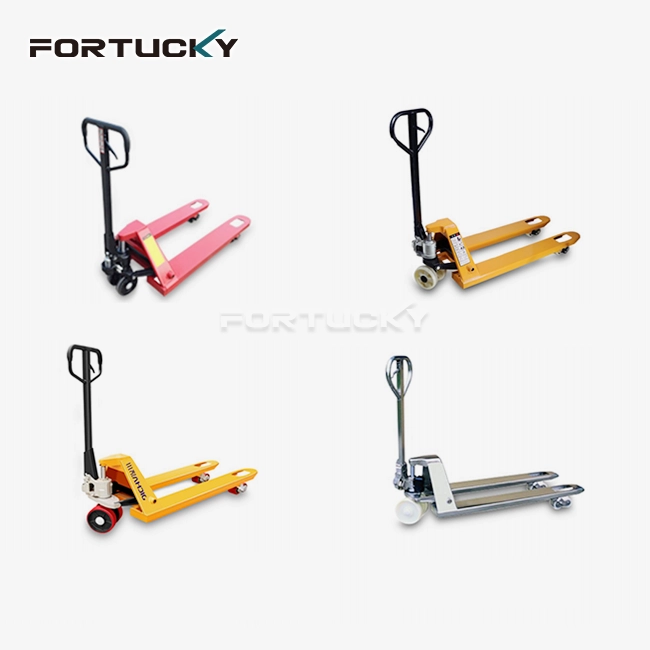
Skipping routine checks before an operation is a big mistake that can cause equipment to break down and safety issues to happen. Full inspections find possible issues before they get worse and cause expensive breakdowns or dangerous malfunctions. Before each use cycle, operators must check the level of hydraulic fluid, look for obvious leaks, test the safety systems, and make sure the platform is in good shape. Visual checks show early warning signs like cracks in the structure, worn-out hydraulic seals, or parts that are wearing out too quickly. Fortucky's platform truck series all have sealed oil tank systems that need to be checked on a regular basis to make sure they keep working at their best. Worn-out parts make it harder to lift things and make operations less reliable.
Safety Tips to Avoid Hydraulic Scissor Lift Hazards
Implementing comprehensive safety protocols protects both personnel Small mobile hydraulic lift and equipment investments while maintaining productive operational standards. These measures address common hazard sources and establish reliable protection systems across diverse industrial environments.
Essential Safety Equipment and Protocols
Personal protective equipment (PPE) rules are the basis for safe lifting activities. Wearing a hard hat, safety shoes, and clothes that stand out helps keep workers safe from falling objects and tools that they might touch. Facilities that work with dangerous materials need extra safety gear, like gloves that can fight chemicals and eye protection systems. When choosing tools and using them, pay close attention to the safety features of the platform. Modern scissor lifts have safety features like guardrails, emergency stop systems, and overload protections to keep people from getting hurt. Professional-grade units are more stable and reliable because they are made of strengthened steel and have wheels that don't wear down easily. Clear operating zones around lifting equipment keep people from going into dangerous areas while the equipment is in use. Setting up clear lines of separation and following lockout procedures protects workers from being hit by moving machines and heavy loads.
Hydraulic System Maintenance and Monitoring
In all manual hydraulic scissor lift uses, the safety performance and operational dependability are both based on the integrity of the hydraulic system. Checking the fluid amount on a regular basis keeps the system from getting damaged by not having enough lubrication or air contamination. Professional maintenance plans call for hydraulic checks to be done once a month on equipment that is used a lot and every three months on equipment that is only used sometimes. Seal condition tracking finds places where the seal might fail before big leaks happen. Hydraulic seals are subject to a lot of changes in pressure and need to be replaced at certain times to keep the system working properly. Replacing seals early keeps fluids from getting contaminated and greatly increases the system's general lifespan. System pressure testing makes sure that practical safety margins are correct and finds problems before they affect work output. Professional technicians use calibrated gauges to make sure that the system works the way the maker says it should in all working conditions.
 Manual vs Electric Hydraulic Scissor Lifts: Avoiding Choice-Related Mistakes
Equipment selection decisions significantly impact long-term operational costs, productivity levels, and maintenance requirements. Understanding the distinct advantages and limitations of manual versus electric systems enables informed procurement choices aligned with specific operational needs.
Operational Advantages of Manual Systems
Manual hydraulic lifts excel in environments requiring portability, cost efficiency, and electrical independence. These systems operate effectively in locations lacking convenient power access, including outdoor work sites, temporary installations, and emergency response situations. The compact design characteristics enable operation within narrow spaces where larger electric units cannot function effectively. Cost considerations favor manual systems for lower-frequency applications and budget-conscious operations. Manual units eliminate electrical infrastructure requirements, reducing installation complexity and ongoing energy costs. Maintenance requirements remain simpler compared to electric systems, with fewer components subject to failure and lower service complexity. The manual hydraulic scissor lift design provides operators with direct control over lifting speed and positioning precision. This tactile feedback enables delicate load handling and precise positioning impossible with automated electric systems. Operators develop better situational awareness through direct mechanical connection to lifting operations.
Electric System Benefits for High-Volume Operations
Electric scissor lifts deliver superior productivity for frequent-use applications and heavy-duty operational requirements. Automated lifting cycles reduce operator fatigue and enable consistent performance across extended work periods. Electric systems handle higher capacity loads with reduced physical effort, improving workplace ergonomics substantially. Speed advantages become significant in high-throughput operations where time efficiency directly impacts profitability. Electric systems complete lifting cycles faster than manual alternatives, enabling higher material handling volumes across equivalent time periods. These productivity gains justify higher initial investment costs for appropriate applications.
Troubleshooting and Maintenance Mistakes to Avoid
Effective maintenance protocols extend equipment lifespan while preventing costly operational disruptions. Common maintenance errors create cascading problems that escalate repair costs and compromise safety performance across industrial operations.
Identifying Early Warning Signs
Slow lifting performance indicates developing hydraulic problems requiring immediate attention. Gradual performance degradation suggests seal wear, fluid contamination, or internal component damage progressing toward Small mobile hydraulic lift system failure. Addressing these symptoms promptly prevents a complete system breakdown and maintains operational continuity. Unusual operating sounds signal mechanical problems developing within scissor mechanisms or hydraulic components. Grinding noises indicate bearing wear or inadequate lubrication, while clicking sounds suggest loose fasteners or worn pivot points. Professional diagnosis identifies root causes before expensive component replacement becomes necessary. Hydraulic fluid leaks represent serious safety and environmental concerns requiring immediate response. Even minor leaks indicate seal degradation that worsens rapidly under continued operation. Leak detection protocols should include regular inspection of hydraulic lines, fittings, and cylinder seals across all equipment.
Professional Maintenance Scheduling
Implementing manufacturer-recommended maintenance schedules prevents premature equipment failure and maintains warranty coverage. The PTD1500 model, with its 380-4000mm lifting range and 1200×610×80mm platform dimensions, requires specific maintenance intervals aligned with its heavy-duty operational capacity. Regular service intervals ensure optimal performance across demanding industrial applications. Authorized service center utilization guarantees proper repair procedures and genuine replacement components. Professional technicians possess specialized training and diagnostic equipment necessary for complex hydraulic system service. This expertise prevents improper repairs that compromise safety and reliability performance.
Procurement Tips: Avoiding Mistakes When Buying Manual Hydraulic Scissor Lifts
Strategic procurement decisions determine long-term operational success and equipment reliability across diverse industrial applications. Understanding supplier evaluation criteria and technical specifications enables optimal equipment selection aligned with specific operational requirements.
Supplier Selection and Evaluation
Authorised distribution outlets make sure that the product is real and that the manufacturer's warranty covers it. Reliable suppliers keep close ties with equipment makers, which makes sure that customers can get original parts and technical help. This structure of relationships is necessary for long-term service and equipment assistance. Professional providers are very different from commodity vendors when it comes to their after-sales service. Local help is provided by comprehensive service networks, which cut down on equipment downtime and the complexity of maintenance. Beyond the cost of the equipment itself, suppliers who offer training programs, technical documentation, and spare parts are a better deal. There are many companies in the market for manual hydraulic scissor lifts, and their quality standards and customer service skills vary. Fortucky has a large customer group that includes industry leaders like Mercedes-Benz, BMW, and Huawei. This shows that they can be trusted in tough operational environments. This track record gives procurement decision-makers trust as they look at different suppliers.
Technical Specification Alignment
Load capacity matching keeps operations from being limited and safety issues from happening for the whole life of the equipment. Medium-duty uses are best for the PTS500A type, which can lift up to 500 kg and has a 280-850 mm lifting range. Heavy-duty uses are best for the PTD1500 units. Accurately assessing capacity keeps you from over- or under-specifying, which can be expensive and risky. Platform sizes need to match up with normal load characteristics and operational Manual hydraulic scissor lifts space limitations. The 815x500x50mm platform of the PTS500A models fits normal pallet sizes, while the larger 1200x610x80mm platforms are better for moving large amounts of cargo. The best way to improve workflow productivity and operational safety is to choose the right dimensions. The equipment that is used in different operational situations is chosen based on the lifting height needs. Knowing the highest elevation needed keeps you from buying equipment that isn't right for the job or paying more for features that you don't need. The PTD350A model's amazing 350-1580mm range makes it useful for tasks that need a lot of vertical movement without costing too much.
 Conclusion
To operate a manual hydraulic scissor lift successfully, you must pay close attention to safety rules, upkeep needs, and choose the right tools. By avoiding common operating mistakes, you can keep your employees safe and get the most out of your equipment investments in tough industrial settings. Professional repair methods, thorough training for operators, and smart buying choices all lead to operational excellence that helps businesses reach their long-term goals. When used with care and under the supervision of a professional, these lifting platforms are useful tools for manufacturing, transportation, and warehousing.
FAQ
1. What are the most common operational mistakes with hydraulic scissor lifts?
The most frequent mistakes include exceeding load capacity limits, improper load positioning, inadequate load securing, and skipping pre-operation inspections. These errors compromise safety and accelerate equipment wear, leading to costly repairs and potential accidents.
2. How do I determine the correct load capacity for my application?
Assess your typical load weights, including packaging and handling accessories. Add a safety margin of 10-20% to account for load variations and operational factors. Consider both maximum loads and average daily usage patterns when selecting equipment specifications.
3. What maintenance intervals should I follow for manual hydraulic scissor lifts?
Monthly inspections for high-usage equipment and quarterly checks for occasional-use units provide optimal maintenance scheduling. Daily pre-operation checks remain essential regardless of usage frequency, focusing on hydraulic fluid levels, visual damage assessment, and safety system verification.
4. When should I choose manual over electric hydraulic scissor lifts?
Manual systems excel in portable applications, locations lacking electrical power, budget-conscious operations, and scenarios requiring precise operator control. Electric systems suit high-frequency use, heavy-duty applications, and operations prioritizing speed and reduced operator fatigue.
5. What safety equipment is required for scissor lift operation?
Essential safety equipment includes hard hats, safety shoes, high-visibility clothing, and appropriate PPE for specific operational environments. Platform safety features like guardrails, emergency stops, and overload protection systems provide additional protection layers.
6. How can I identify hydraulic system problems before they cause failures?
Monitor for slow lifting performance, unusual operating sounds, visible fluid leaks, and erratic movement patterns. These early warning signs indicate developing problems requiring professional diagnosis and repair before complete system failure occurs.
Partner with Fortucky for Superior Manual Hydraulic Scissor Lift Solutions
Fortucky delivers industry-leading material handling solutions backed by extensive experience serving over 1,000 global customers across manufacturing, logistics, and automation sectors. Our manual hydraulic scissor lift series offers comprehensive load capacity options from 150kg to 1500kg, with lifting heights reaching 4000mm to meet diverse operational requirements. As a trusted manual hydraulic scissor lift manufacturer, we provide deep customization capabilities, rapid deployment support, and localized service networks spanning Asia, Europe, and the Americas. Contact our expert team at sales@fortuckyrobot.com to discuss your specific lifting requirements and discover how our proven solutions can optimize your material handling operations while ensuring superior safety and reliability performance.
References
1. American Society of Mechanical Engineers. "Safety Standards for Material Handling Equipment: Hydraulic Lift Systems." ASME B30.26-2018 Standard for Scissor Lifts and Elevating Work Platforms.
2. Occupational Safety and Health Administration. "Powered Industrial Truck Operator Training Requirements." OSHA Publication 3266, Workplace Safety Guidelines for Material Handling Equipment.
3. International Association of Equipment Manufacturers. "Hydraulic System Maintenance Best Practices for Industrial Lifting Equipment." Technical Bulletin 2023-HYD-001.
4. National Institute for Occupational Safety and Health. "Criteria for Recommended Standard: Working Safely with Scissor Lifts." NIOSH Publication No. 2019-106, Industrial Safety Research Report.
5. Hydraulic Institute. "Industrial Hydraulic System Design and Maintenance Guidelines." HI Technical Publication HI-2023-3, Hydraulic Equipment Standards.
6. Material Handling Industry Association. "Safety Guidelines for Manual and Powered Lifting Equipment." MHIA Safety Publication SP-2023-02, Equipment Operation Standards.

Learn about our latest products and discounts through SMS or email